
Scandinavian museums use Viking history to negotiate the tension between popular myths, archaeological evidence, and modern national identity.
Walk into a major museum in Scandinavia, and there is a good chance you will encounter an exhibition devoted to the Vikings. Visitors have no shortage of options.
In Copenhagen, Denmark’s capital, the National History Museum maintains a major permanent Viking exhibition. Stockholm’s Swedish History Museum presents what it describes as the world’s largest Viking Age exhibition. Oslo’s new Norwegian Museum of the Viking Age, scheduled to open in 2027, aims to become the leading museum of its kind, while a temporary exhibition at the Museum of Cultural History currently showcases notable Viking Age archaeological discoveries.
These displays clearly respond to strong interest from both local and international visitors. Yet the attention Scandinavian national museums give the Vikings is not driven by public demand alone. Museums also use the past to shape national identity, and Viking history is often presented in ways that reflect the priorities and values of the present.
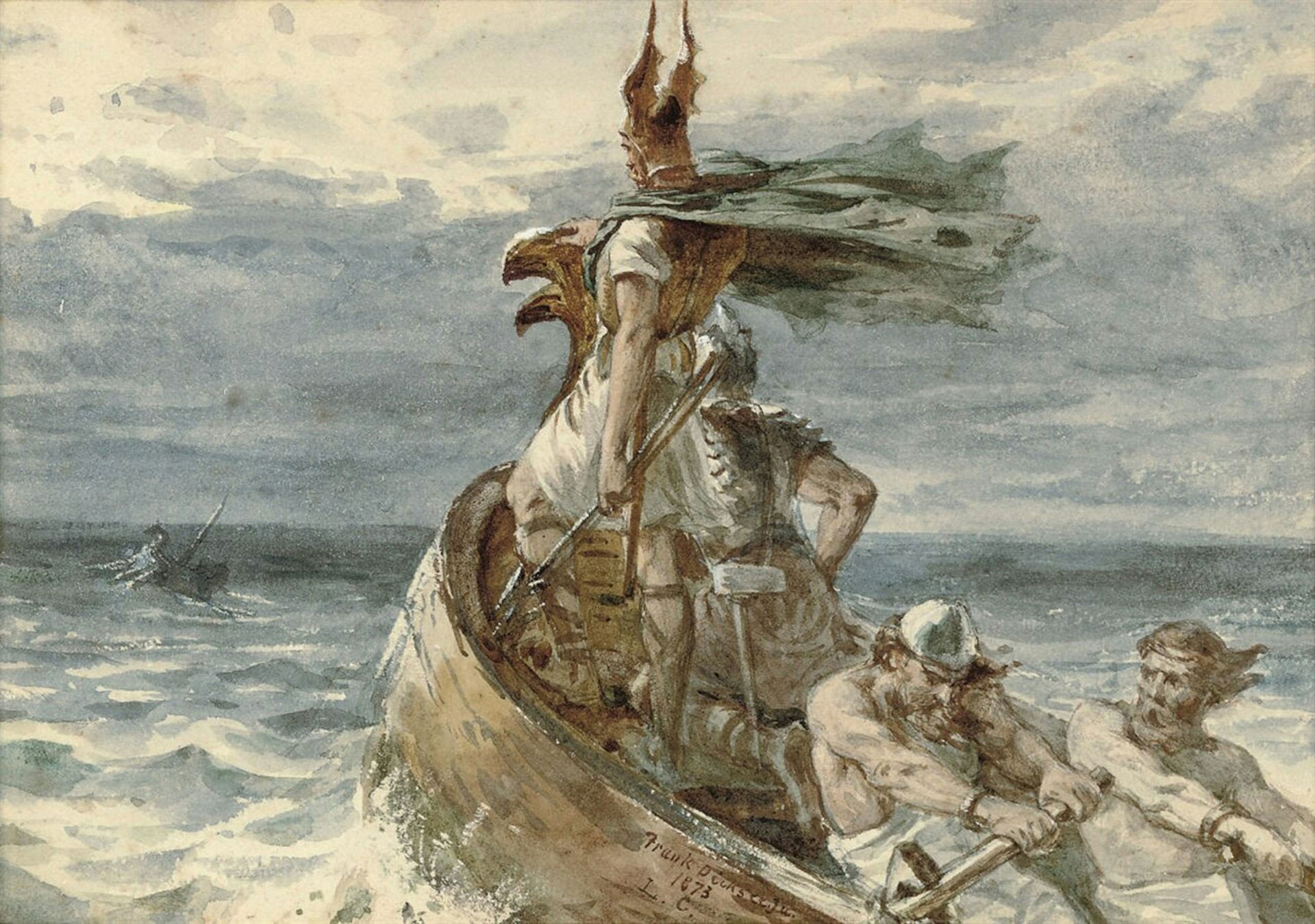
The Viking Age became central to Scandinavian nation building during the 1800s, when national identity projects were widespread. Vikings have since grown into internationally recognized symbols. Popular culture often portrays a Viking as a tall man, broad across the shoulders, carrying a sword and perhaps sporting tattoos or a modern haircut such as a skin fade. Much of that familiar image, however, is invented.
The warrior myth still dominates
Experts at Scandinavian national museums know that Vikings were a diverse group, far from the all-male warrior myth. Yet the image of the male Viking warrior stubbornly lingers, drawing crowds while also haunting the galleries like a restless specter.
Across three of the exhibitions, the male Viking emerges as a warrior, a seafarer, and a merchant. He is also repeatedly depicted as a farmer, his days spent working the land. The agricultural portrayals add depth, but the curation of exhibitions tends to foreground the more popular image rather than this more complex one.
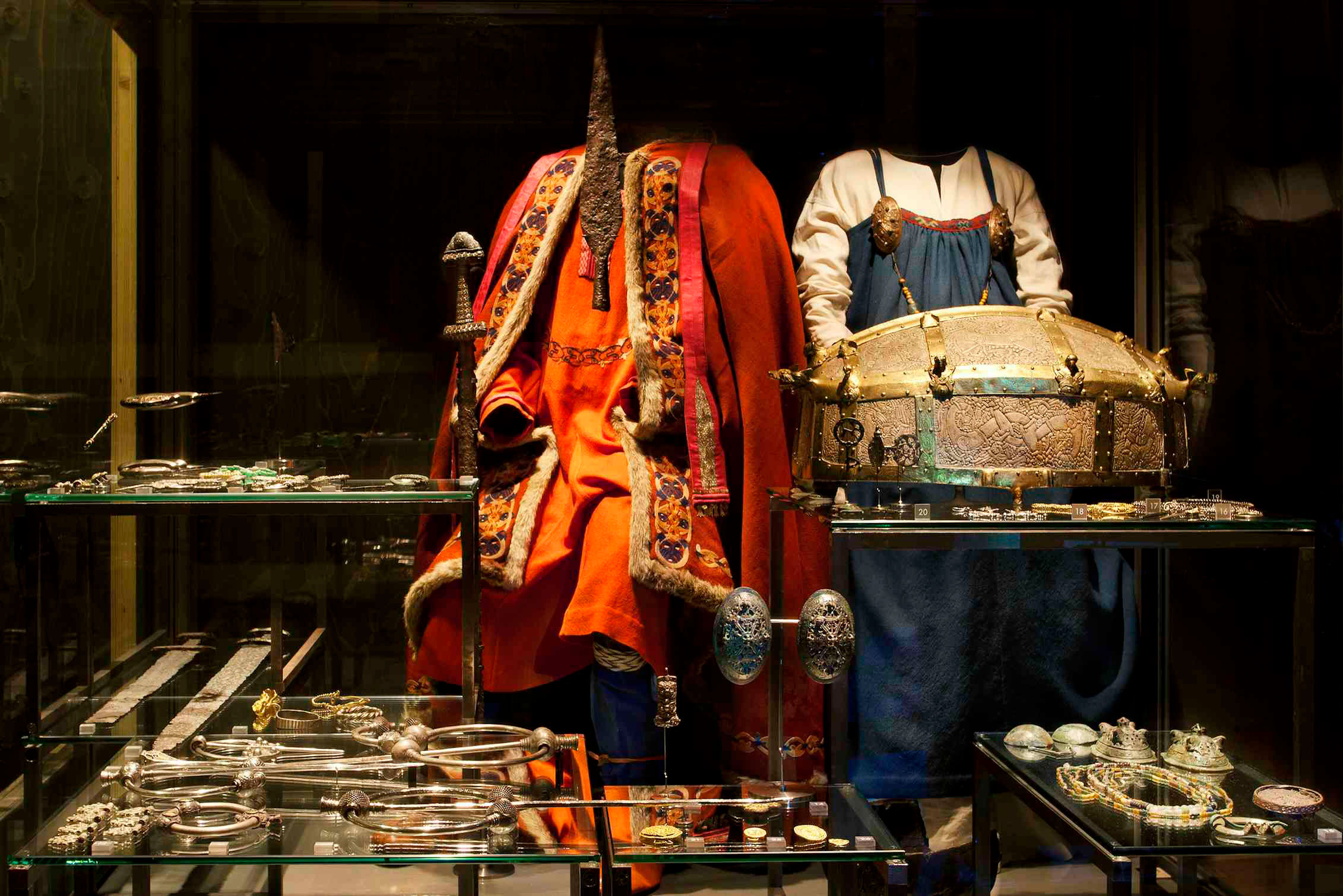
One glimpse of this can be seen in the Swedish exhibition, which notes that many free men and women owned weapons, but only a few truly saw themselves as warriors. Still, the exhibition spotlights ships, swords and artifacts of trade and travel, placing them front and center.
In Copenhagen, visitors to The National Museum are told to see “our Viking exhibition, where we’ll explore a world more than 1,000 years old – shaped by a warrior culture and the gods Odin, Thor, and Freyja”. Here we see the real history butting up against the expected fantasy of Norse legends, warriors, and gods.
There seems to be a tension that curators feel in giving audiences what they are looking for while also presenting real history.
Women remain at the margins
Another place this tension can be seen is in their depiction of female Vikings. While these institutions are attempting to insert women into the male-dominated picture of the Viking Age, descriptions of women’s lives and their social or cultural influence tend to be limited.
There is a tradition of only showing Viking Age women who were exceptional figures, such as noble mistresses or shieldmaidens (female warriors), making ordinary women less visible. Elsewhere, representations of women cleave to gender stereotypes focusing on their roles in the home and their clothing.
Take this example from the Danish exhibition, where it is stated that “guests were received by the lady of the house, who managed everything to ensure the occasion was a success. Women played an active role in running the farm, and also traveled widely.” Another caption explains that “Jewelry and equipment in the graves of many wealthy and aristocratic women reflect the complex roles these women had.”
The curation is also concerned with the national founding narratives of Scandinavia.
The story that the Viking Age was a pivotal moment in the birth of nations and culture is seen in various forms across all three exhibitions. The story is that in this period Scandinavia became distinct unified Christian kingdoms from a series of disparate and decentralized pagan tribes. Today, Scandinavians differ in their enthusiasm for this narrative. But it still looms over the storytelling of the period’s history.
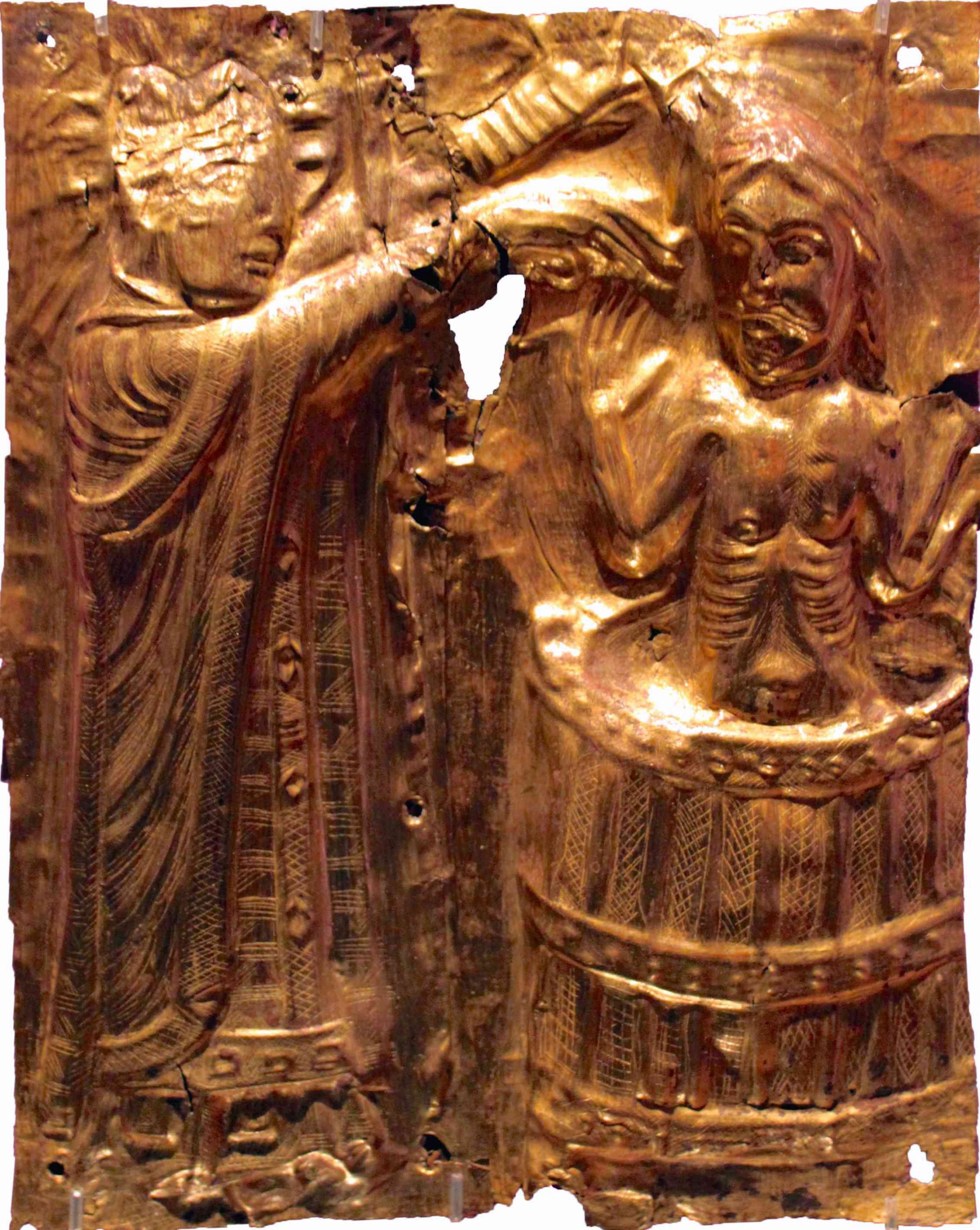
In Denmark, history blends seamlessly with national identity. This has been bolstered by the nation-building legend of Harald Bluetooth. Bluetooth was the father of Sweyn Forkbeard and grandfather to Canute the Great – who converted to Christianity after witnessing the miracle of the monk Poppo carrying a piece of burning coal without burning his hands.
Modern values reshape Viking history
Several researchers have observed that, since the 1980s, the Viking Age has been used to create convenient contemporary narratives. For instance, those narratives suggest successful cultural encounters between Scandinavians and Muslims in the past by highlighting archaeological finds) that testify to these encounters. This stems from a contemporary desire in Sweden and Norway to create a counterweight to the nationalistic use of the Viking Age that is often directed against Muslims.
As these examples show, creating a museum exhibition is a delicate balance between handling traditional narratives rooted in popular imagination and presenting accurate representations of the past. Still, the Scandinavian national museums’ obsession with the Vikings may be explained by their eagerness to present representations of the past that have more to do with the present state of society than what is known about the Viking world.
Adapted from an article originally published in The Conversation.
Never miss a breakthrough: Join the SciTechDaily newsletter.
Follow us on Google and Google News.
5 Comments
“This stems from a contemporary desire in Sweden and Norway to create a counterweight to the nationalistic use of the Viking Age that is often directed against Muslims.”
So much for the idea that scientists should be “disinterested observers” who objectively interpret the evidence.
Not that anyone ever could have actually been a disinterested observer, even if they wanted to. However, having a goal to highlight a particular historical fact in a museum exhibit does not mean that the museum curators are lacking and objectivity. Social sciences are, by definition, going to involve the same social and human judgments that we see in the subject matter they are studying. What you were perhaps confused about is the myth that people in physical sciences don’t do the same thing. But, if you thought that being disinterested in a particular subject matter was a great benefit and gave you objectivity, that’s probably many museums in the past created very disinteresting exhibits. Let’s just state the facts: You don’t like something that puts a positive light on interactions between Vikings and Muslims because something about positive relations with Muslims offends you. You are trying to hide a bigoted view behind a myth of of objectivity, which doesn’t logically follow and doesn’t fool anyone.
Pseudo-intellectual ramblings followed by unfounded cries of “bigotry?” You’re a walking, talking Leftist stereotype, bud.
Why post artcles from the Conversatin here ? I thought this site is about science, not politics.
Well, there won’t be any ‘vikings’ in the future if the ‘Conversion’ will go on