
Items other than cheese and soft drinks also contribute to overconsumption.
A newly compiled list of foods and beverages commonly consumed in the United States may explain why many adults inadvertently exceed recommended levels of saturated fat and added sugar in their daily diet, according to a recent study.
Beyond the biggest sources of each dietary category – cheese for saturated fat and soft drinks for added sugar – the study identifies a longer list of popular sources that helps explain why it’s so hard to limit fat and sugar to the recommended 10% of daily calories. With that overconsumption of unexpected sources like chicken and ketchup, for example, comes a risk for a variety of ailments, such as cardiovascular disease, diabetes and cancer.
Research Goals and Insights
The analysis of data on over 35,000 U.S. adults is part of a project aimed at developing a research tool that can streamline assessment of these dietary downsides. But the work also may open consumers’ eyes to the unexpected sources of fat and sugar that add up over the course of a day – and perhaps convince shoppers to read labels to see where these hidden sources are, researchers say.
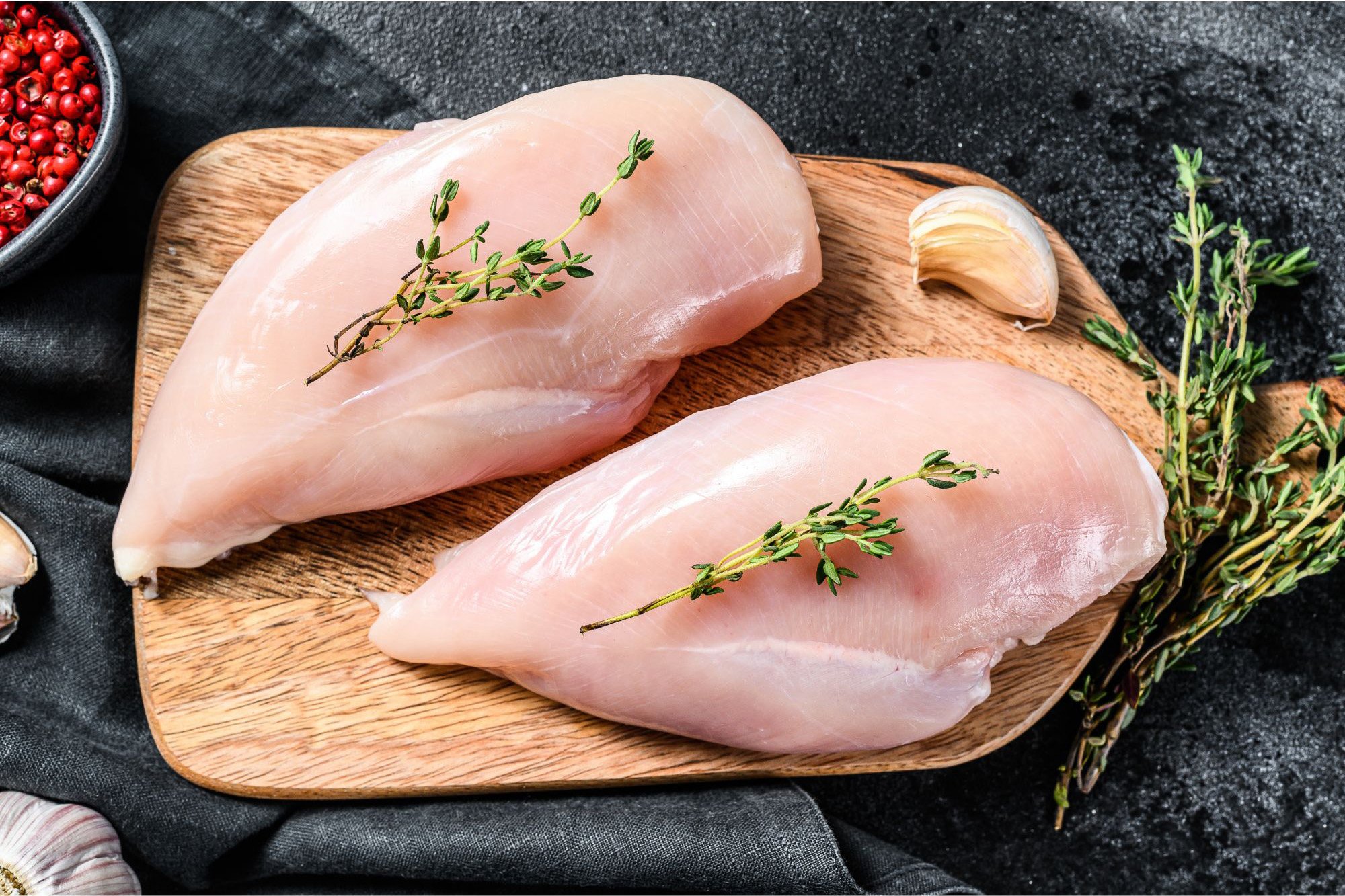
“Chicken breast is promoted as a lower saturated fat food, but it still has a little bit of saturated fat. But it is helpful to know how foods with smaller amounts also slowly add saturated fat in a stealthy way into the diet,” said first author Christopher Taylor, professor and director of medical dietetics in the School of Health and Rehabilitation Sciences at The Ohio State University.
“Being able to meet less than 10% is to identify the big contributors, but also to be able to see where saturated fat and added sugar may still exist in other food choices. It doesn’t make them poor choices – it’s about being aware of how the morning latte may be contributing.”
And then there’s the abundance of added sugar, which raises a public health policy concern, said lead author Susan Schembre, associate professor of oncology at Georgetown University’s Lombardi Comprehensive Cancer Center.
“It’s everywhere. It’s in so many unexpected foods, and often in surprising amounts,” she said.
The study was published recently in the journal Nutrients.
Researchers analyzed data from 36,378 U.S. adults aged 19 and older who had participated from 2005 to 2018 in the National Health and Nutrition Examination Survey. The survey collects 24-hour dietary recalls from each participant – detailing not just what, but when, all food and drinks were consumed over the previous two days.
Overall, the top sources of saturated fat were cheese, pizza, ice cream and eggs. Leading sources of added sugar were soft drinks, tea, fruit drinks, and cakes and pies. Based on the USDA “What We Eat in America” food list, other categories contributing to saturated fat intake include cold cuts, cream substitutes, fried potatoes and whole milk. Categories with added sugar include tomato-based condiments, cereal bars, energy drinks and yeast breads.
Racial and Age Differences in Consumption
The research team also examined differences in the top sources of saturated fat and added sugar in a range of race/ethnicity subpopulations and age groups, an important detail when assessing diets to develop more personalized health interventions, Schembre said.
“Before you understand what you can intervene on, you have to know what people are consuming,” she said.
The team is creating an app for targeted assessment of “nutrients of concern,” and demonstrated that this analytic method produced a representative list of foods behind most saturated fat and added sugar intake. NHANES data is key to understanding nutrition in the United States, but for disease interventions, getting at the problem food and drink sources of fat, added sugar and, still to come, sodium, is more efficient and effective.
Unsurprisingly, the results of this analysis showed that overall, saturated fat constituted at least 12% of a day’s calories, and added sugar consumption ranged from 14% to 16% of calories. Generally, dietary recommendations focus on avoiding the major contributors, like pizza and ice cream – which is what makes this longer list valuable and, for some, eye-opening, Taylor said.
“There are the foods that are higher in saturated fat and added sugar that are consumed frequently, and they get targeted, but there’s also that smaller cumulative effect of things that are generally perceived as healthy, but they’re all contributing just a little bit,” he said. “And then when you top it off with some of those higher sources, it ends up taking you over the threshold for that 10% of the day’s calories.
“We’re trying to hit the sweet spot of capturing the big front-seat items, but also understanding those things that are stealthy contributors.”
Reference: “Identifying the Leading Sources of Saturated Fat and Added Sugar in U.S. Adults” by Christopher A. Taylor, Peter Madril, Rick Weiss, Cynthia A. Thomson, Genevieve F. Dunton, Michelle R. Jospe, Kelli M. Richardson, Edward J. Bedrick and Susan M. Schembre, 29 July 2024, Nutrients.
DOI: 10.3390/nu16152474
Never miss a breakthrough: Join the SciTechDaily newsletter.
Follow us on Google and Google News.
3 Comments
The problem with nutrition studies is that they don’t consider the purity of the fats and sugars. Are these from farms that use pesticides, herbicides, or other hormone-disruptors? Are there stabilizers or preservatives in the final product? These contaminants are consumed along with the fat or sugar. So is the plastic from the container holding these foods. Unless we know how pure these nutrients are, we cannot know if sugar and fat, or these contaminants, are the real culprits. Try eating fats and sugars in moderation and from clean, unprocessed sources. I also wouldn’t compare chicken, a whole food, with ketchup, a highly processed food with many ingredients. This study, which is typical in the nutrition field, shows a naive and shallow understanding of the impact on health of toxins from in diet and food packaging.
Terrible article, cited chicken breast as a hidden source of saturated fat. Really, how much chicken breast do you need to eat where this would matter. Sugar has always has been and always be the nemesis to staying healthy.
Carbohydrates are composed of sugars principally glucose and fructose. When you eat things like potatoes, pasta and bread your body breaks them down into those sugars. Glucose is the primary fuel of the human cell. Demonizing added sugar sweeteners like sucrose aka table sugar which is half glucose and fructose is ridiculous. Similarly for HFC high fructose corn syrup. The person who wrote this article is clueless about food science