
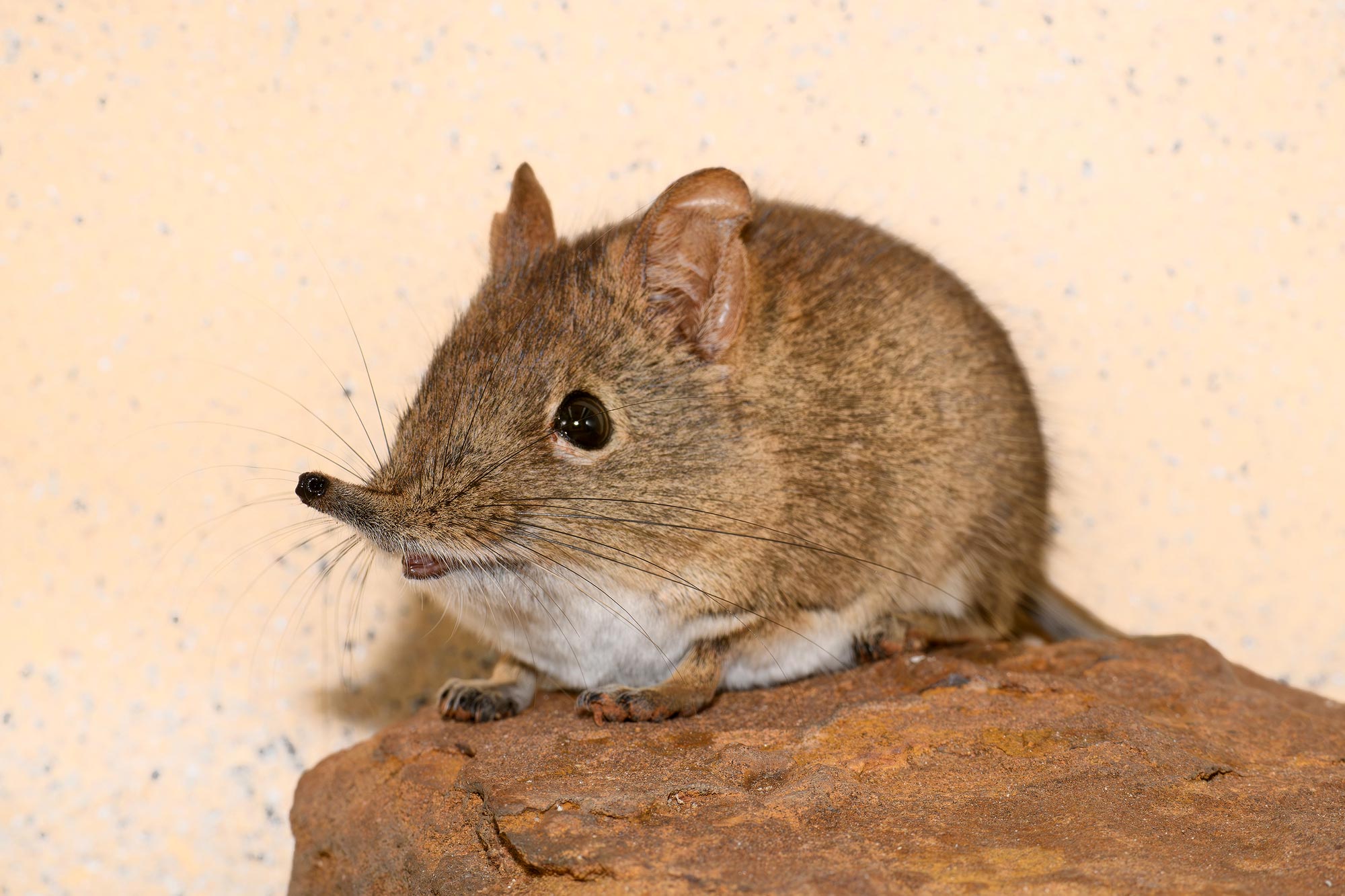
By reading tiny footprints, scientists can now track hidden mammals and spot ecosystem trouble early.
The decline of lions and pandas often draws public concern, but a quieter and potentially more serious loss is happening among small mammals. These animals may be easy to overlook, yet their disappearance can have major consequences for biodiversity. Small mammals are closely tied to environmental conditions, making them valuable indicators of ecosystem health. At the same time, they are notoriously difficult to monitor, since many species fill very different ecological roles while looking almost identical.
Researchers have now developed a new way to track and identify these animals by analyzing their footprints. The approach was tested on two nearly indistinguishable species of sengi and was shown to be accurate up to 96%, offering a promising alternative to traditional monitoring methods.
“We had two key motivations for undertaking this study,” said Dr. Zoë Jewell of Duke University Nicholas School of the Environment, co-author of the article in Frontiers in Ecology and Evolution. “Firstly, to find a better, more ethical, and more scientifically robust way to monitor even the tiniest species, and secondly, to provide a reliable and broad metric for ecosystem integrity that can be applied routinely and regularly — a new pulse on the planet.”
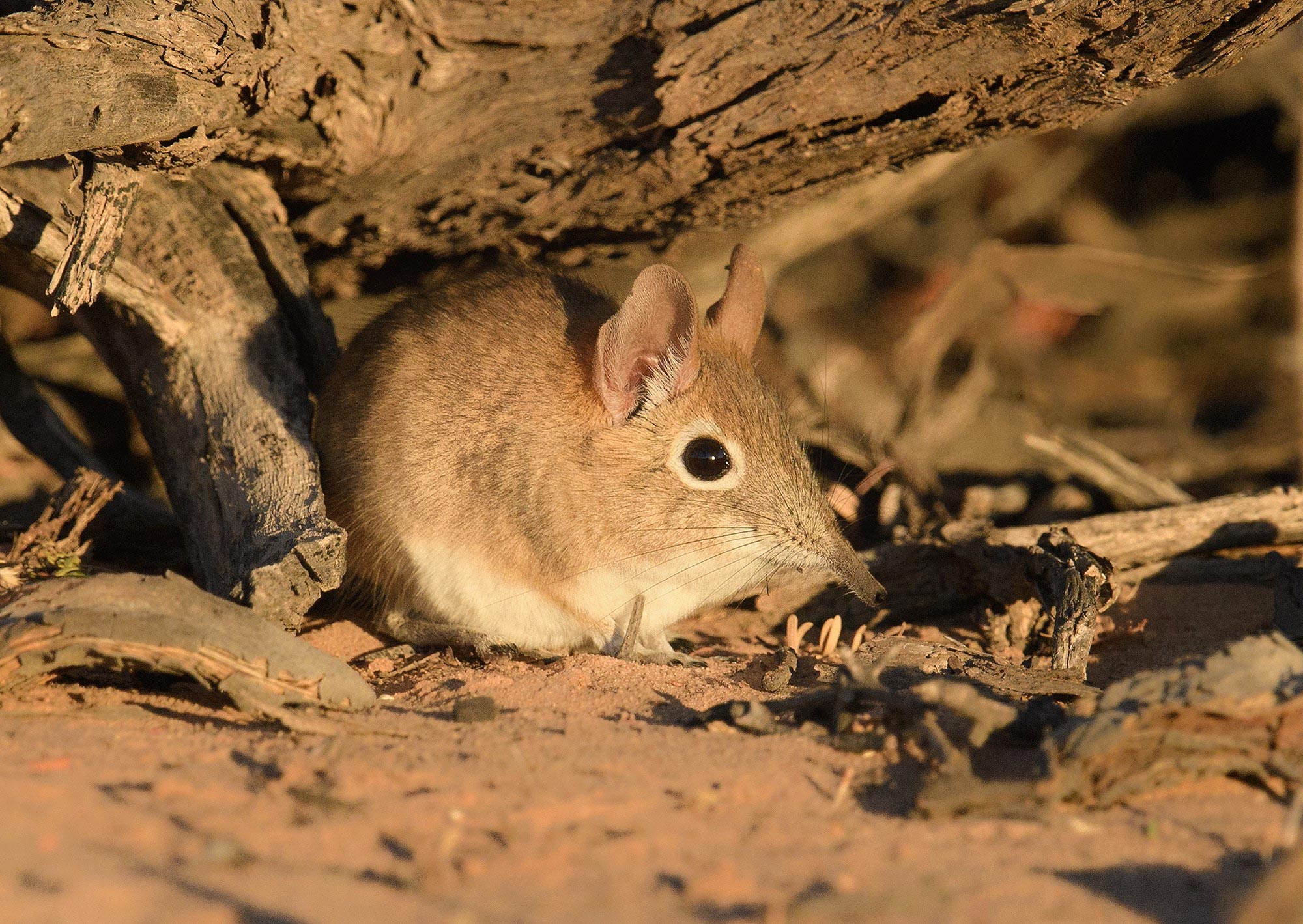
Why Small Mammals Matter
Small mammals play an essential role in ecosystems and respond quickly to changes in their environment. Because of this sensitivity, shifts in their numbers can provide early warnings of ecological disruption. Accurately tracking them, however, is difficult. Many are considered cryptic species, meaning they are nearly impossible to tell apart by appearance alone.
This challenge is especially clear in the two species used to test the new footprint method: Eastern Rock sengis and Bushveld sengis. Although they look almost identical, they live in different habitats and respond differently to environmental pressures.
“It’s often only possible to distinguish between cryptic species using DNA, which can be slow, invasive, and costly,” explained Jewell. “It’s really important to know which is which, because although these species might look the same, they face different environmental threats and play different roles in the environment. For example, in our study, one of the sengis lives exclusively in rocky habitats and the other on sand, and each can act independently as an indicator in those environments.”
Using Footprints to Tell Species Apart
Despite their similarities, the two sengi species differ slightly in the structure of their feet. Those small differences leave distinct patterns in their tracks. The research team focused on capturing these variations and training a computer model to recognize them, allowing the species to be identified from footprints alone.
The goal was to turn traditional animal tracking into a digital process that could replace invasive and expensive techniques.
Field Research in South Africa
To collect data, the scientists worked at two locations in South Africa: Telperion Nature Reserve and Tswalu Kalahari Reserve. All 18 Bushveld sengis included in the study were found at Tswalu. In contrast, 19 Eastern Rock sengis were identified across both sites, with some living very close to Bushveld sengis.
This finding was unexpected, since Tswalu Kalahari Reserve lies outside the known range of Eastern Rock sengis. The discovery highlights the limits of current monitoring methods and the need for better tools to detect changes in species distribution.
The animals were captured using specially-designed traps containing soft bedding and food such as oats, peanut butter, and Marmite — which they find particularly delicious — before being placed in a footprint collection box. The box was lined with special paper and charcoal dust at each end, encouraging the sengis to walk across and leave clear tracks. Each animal was then released unharmed at the site where it was captured.
Turning Tracks Into Data
The footprints were photographed and analyzed using a morphometry program that measured differences in shape and size. The researchers focused on front footprints, which consistently provided the clearest and most distinctive features. In total, more than 100 potential characteristics were identified.
Statistical analysis was then used to determine which combination of features most accurately separated the two species.
High Accuracy Without Invasive Methods
From this process, nine key footprint features were selected and tested using both individual images and full sets of tracks that had been set aside for evaluation. Across all tests, the system correctly identified the species with 94%-96% accuracy.
The footprint identification method can now be applied to photographs of sengi tracks as a simple, affordable, and non-invasive way to confirm species presence and monitor changes in population size and range. The researchers plan to adapt the approach for other species by training new models with additional datasets. They also hope to compare this method with other non-invasive monitoring techniques to explore how they might work together.
“Small mammals exist in almost every ecosystem on the planet, and our tech is flexible enough to adapt to every one,” said Jewell.
Reference: “A non-invasive footprint technique for accurate identification of cryptic small mammal species: a sengi case study” by Sky Alibhai, Nico Avenant, Maria Oosthuizen, Lynn Carlson, Duncan MacFadyen and Zoë Jewell, 24 November 2025, Frontiers in Ecology and Evolution.
DOI: 10.3389/fevo.2025.1719684
Never miss a breakthrough: Join the SciTechDaily newsletter.
Follow us on Google and Google News.