

Asteroid 2024 YR4 won’t hit Earth, but a 4% chance remains for a lunar impact. ESA’s upcoming NEOMIR telescope could revolutionize early detection of similar threats.
Earlier this year, asteroid 2024 YR4 drew global attention when its estimated chance of striking Earth in 2032 reached 3%. Although further observations have since ruled out any risk to our planet, interest in the asteroid has not faded.
As the asteroid moved out of range of even the most advanced telescopes, calculations left a remaining 4% probability that it could impact the Moon on December 22, 2032.
This impact risk is expected to stay unchanged until the asteroid becomes visible again in mid-2028. In the meantime, this FAQ explores why such uncertainty remains and how ESA’s upcoming NEOMIR space telescope could help prevent future gaps in asteroid tracking.
What is asteroid 2024 YR4?
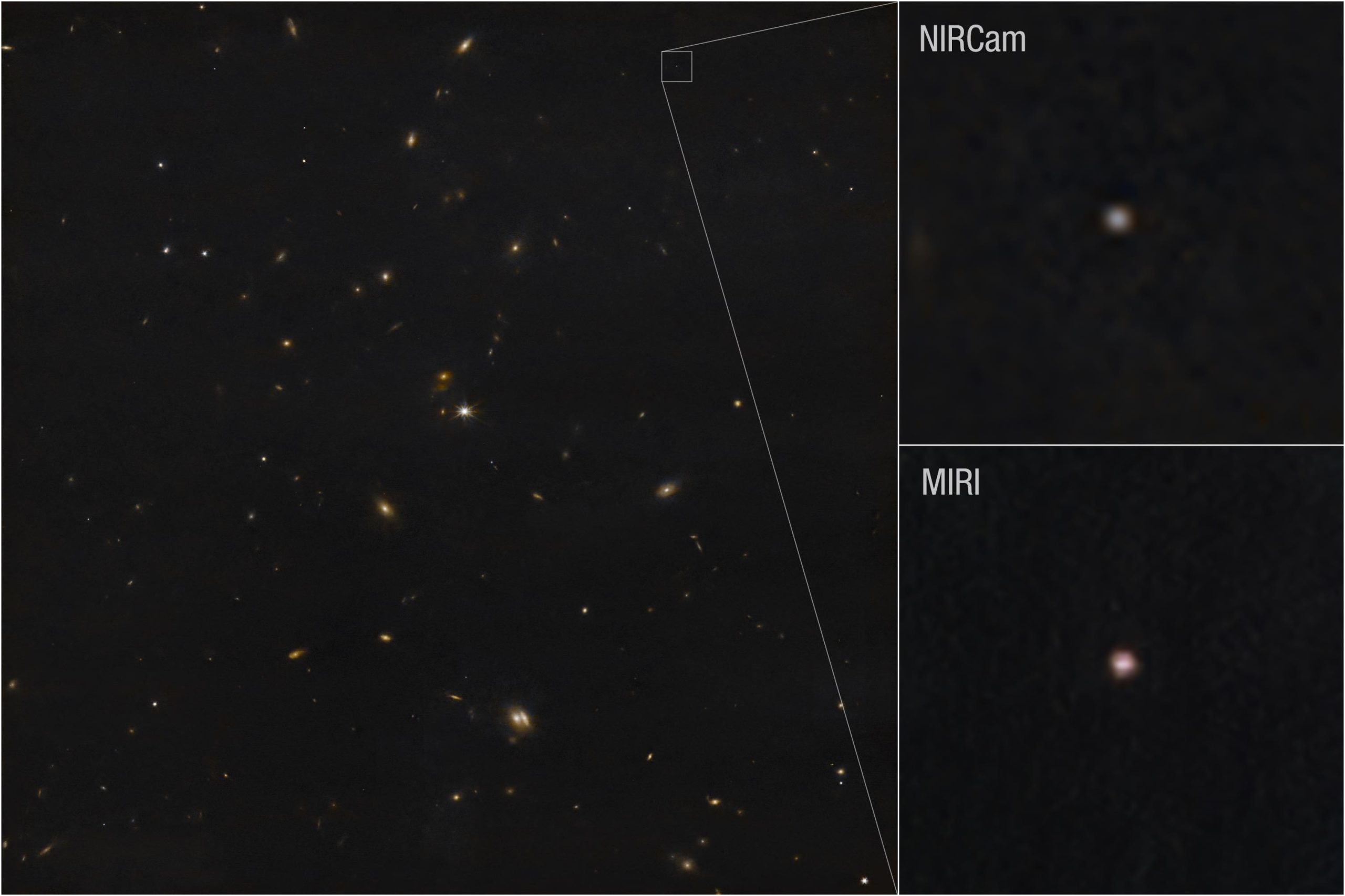
Asteroid 2024 YR4 was first identified on 27 December 2024 by the Asteroid Terrestrial-impact Last Alert System (ATLAS) telescope located in Río Hurtado, Chile.
Soon after its detection, automated warning systems calculated a low but notable possibility that the asteroid could strike Earth on 22 December 2032.
Measuring between 53 and 67 meters in diameter, an asteroid of this scale impacts Earth only once every few thousand years, but such an event could cause extensive destruction to a city or large region.
As follow-up observations were made, the estimated chance of impact increased to about 3%. This elevated the asteroid to the top of ESA’s risk list and prompted the first-ever globally coordinated response under international planetary defense protocols.
Further data collected over the following months, including high-precision observations by the James Webb Space Telescope, enabled scientists to refine their calculations and better define the asteroid’s orbit around the Sun.
By March 2025, they had enough information to rule out an Earth impact in 2032.
Why did we not detect 2024 YR4 sooner?
Asteroid 2024 YR4 was detected two days after it had already made its closest approach to Earth. The delay occurred because it came from the direction of the Sun, approaching from the planet’s day side—a part of the sky that is obscured by sunlight and cannot be observed using ground-based optical telescopes.
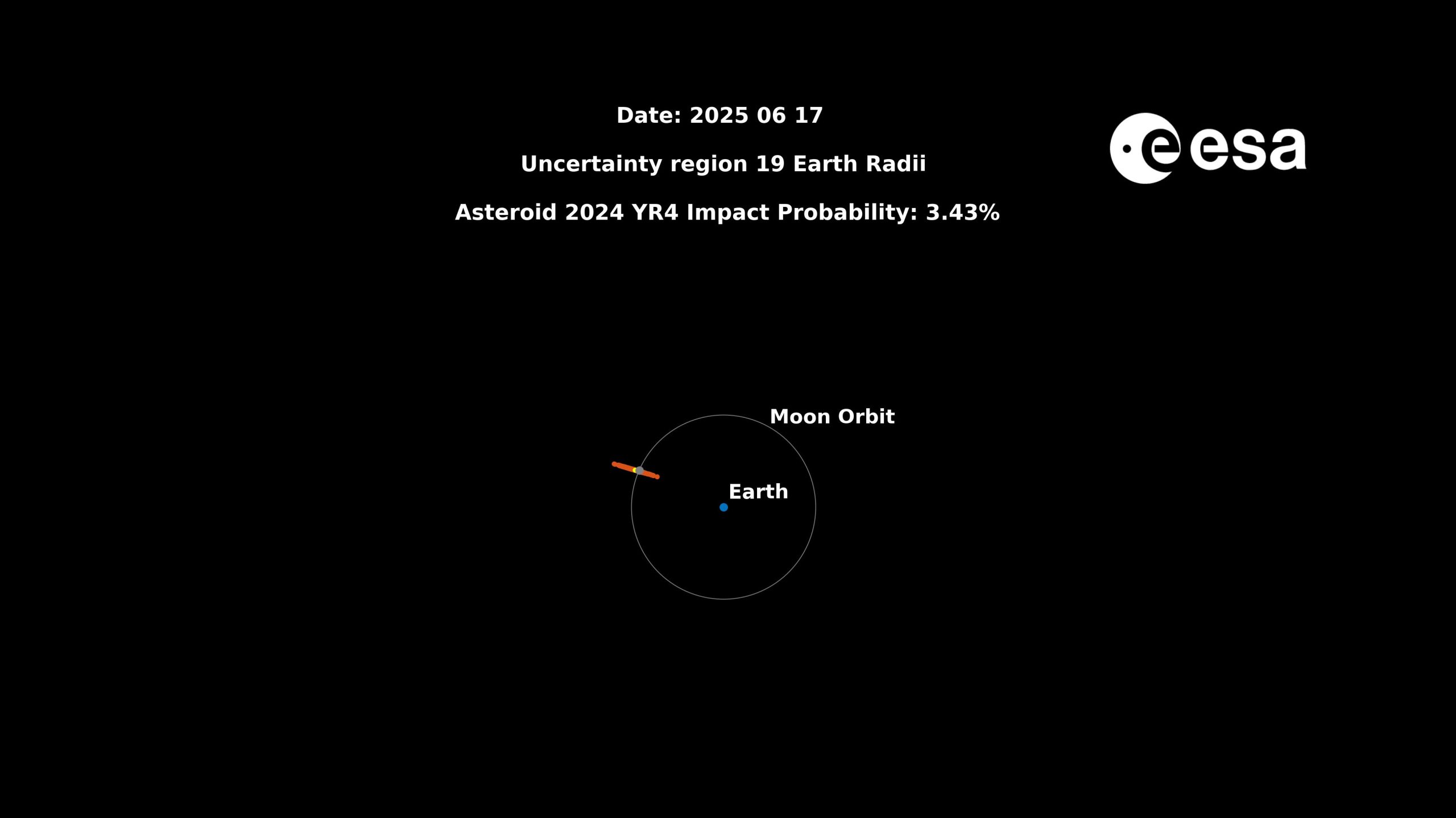
This animation demonstrates why the asteroid 2024 YR4 was only discovered two days after it passed Earth in December 2024, and why we will have to wait three years to know for certain whether it will impact the Moon on 22 December 2032. Credit: European Space Agency (ESA)
This solar-facing region is a known blind spot in current asteroid detection systems, where approaching objects can go unnoticed.
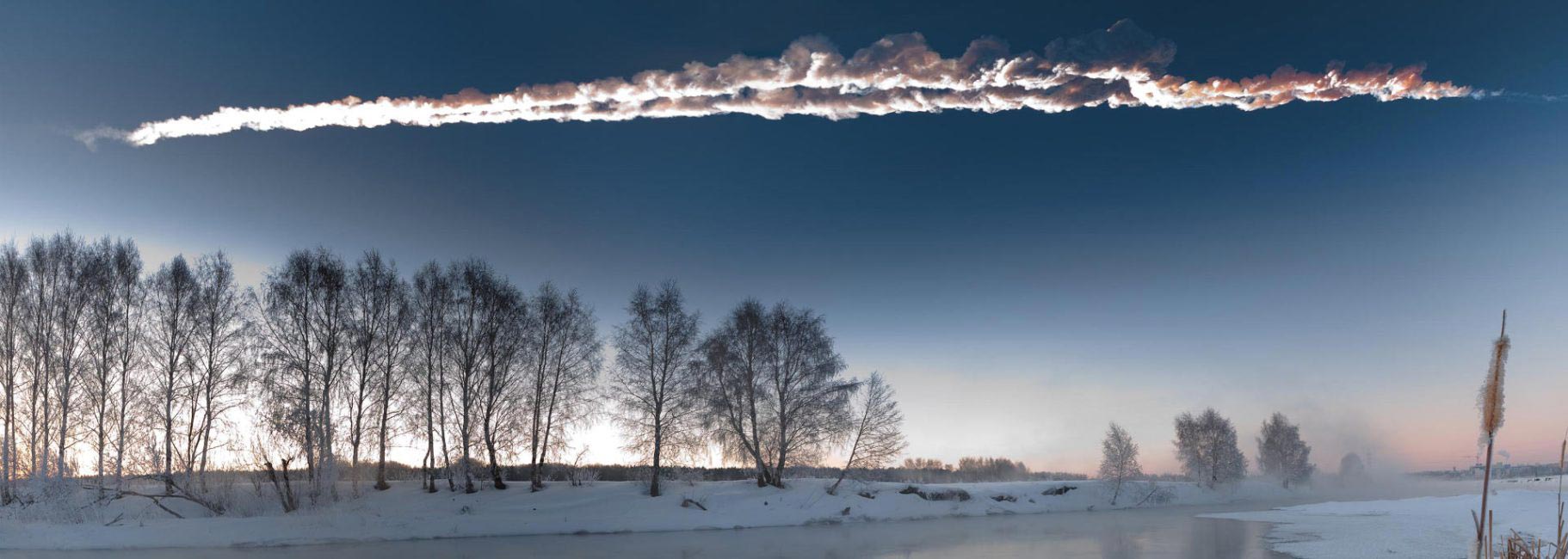
The danger posed by this blind spot was highlighted on 15 February 2013, when the Chelyabinsk meteor—a 20-metre-wide, 13,000-tonne asteroid—entered Earth’s atmosphere over Russia in broad daylight. The explosion damaged thousands of buildings and injured around 1500 people, mostly due to shattered glass.
Could we have detected 2024 YR4 sooner?
ESA’s Near-Earth Object Mission in the InfraRed (NEOMIR) satellite, planned for launch in the early 2030s, will cover this important blind spot.
NEOMIR will be equipped with an infrared telescope and positioned at the first Sun-Earth Lagrange Point. By relying on infrared light, rather than visible light, NEOMIR can spot asteroids in a region of the sky much closer to the Sun. It will repeatedly scan this region for the thermal signatures of asteroids approaching Earth that are at least 20 meters across – like 2024 YR4 and the Chelyabinsk meteor.
“We looked into how NEOMIR would have performed in this situation, and the simulations surprised even us,” says Richard Moissl, Head of ESA’s Planetary Defence Office.
“NEOMIR would have detected asteroid 2024 YR4 about a month earlier than ground-based telescopes did. This would have given astronomers more time to study the asteroid’s trajectory and allowed them to much sooner rule out any chance of Earth impact in 2032.”
“As an infrared telescope, like Webb, NEOMIR would have also immediately given us a much better estimate for the asteroid’s size, which is very important for assessing the significance of the hazard.”
Will asteroid 2024 YR4 impact the Moon?
By March 2025, astronomers had ruled out an Earth impact in 2032. However, the final observations of the asteroid failed to rule out another intriguing possibility: a lunar impact.
The probability that asteroid 2024 YR4 will strike the Moon on 22 December 2032 is now approximately 4%, and this probability was still slowly rising as the asteroid faded out of view.
However, this means that there is a 96% chance that the asteroid will not impact the Moon.
When will we know for sure?
We are left with an interesting situation: there is now a 60 m asteroid with a 4% chance of hitting the Moon in 2032. As the asteroid is now too far away to study any further, this probability will remain unchanged until it returns into view in June 2028.
When it does return into view, new observations will be made and it will not take long for astronomers to confidently determine whether the asteroid will, or much more likely, will not, hit the Moon on 22 December 2032.
What will happen if the asteroid hits the Moon?
“A lunar impact remains unlikely, and no one knows what the exact effects would be,” says Richard Moissl.
“It is a very rare event for an asteroid this large to impact the Moon – and it is rarer still that we know about it in advance. The impact would likely be visible from Earth, and so scientists will be very excited by the prospect of observing and analyzing it. I am sure that detailed computational simulations will be done over the next few years.”
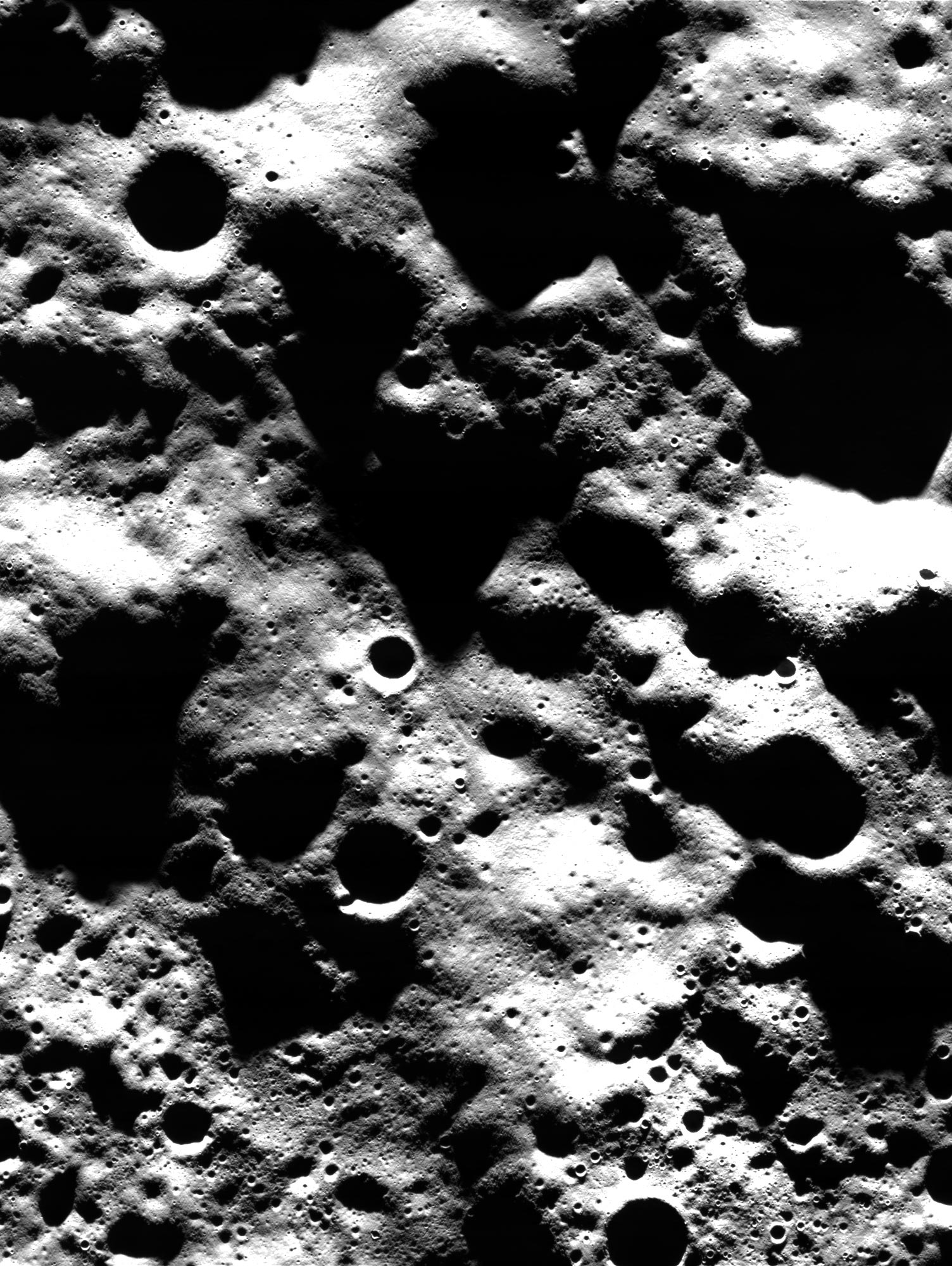
“It would certainly leave a new crater on the surface. However, we wouldn’t be able to accurately predict in advance how much material would be thrown into space, or whether any would reach Earth.”
In the coming years, as humankind looks to establish a prolonged presence at the Moon, monitoring space for objects that could strike Earth’s natural satellite will become increasingly important.
Small objects burn up in Earth’s atmosphere as meteors, but the Moon lacks this shield. Objects just tens of centimeters in size could pose a significant hazard to astronauts and lunar infrastructure.
What else is ESA doing to improve Europe’s planetary defense capabilities?
The discovery of asteroid 2024 YR4 made it clear that time is of the essence when it comes to asteroid detection. In cases like that of 2024 YR4, the later an asteroid is detected, the less time is available for follow-up observations before it fades from view.
Decision makers need as much information as possible when considering potential mitigation strategies, such as deflection missions or evacuation plans: they do not want to be left with an uncertain but significant chance of Earth impact for multiple years.
By keeping watch for asteroids approaching Earth from the direction of the Sun, ESA’s NEOMIR space telescope will fill an important blind spot in our current asteroid detection systems and significantly improve our preparedness for future hazards similar to 2024 YR4.
Never miss a breakthrough: Join the SciTechDaily newsletter.
Follow us on Google and Google News.