
Close Menu
    Facebook X (Twitter) Instagram
    SciTechDaily
    • Biology
    • Chemistry
    • Earth
    • Health
    • Physics
    • Science
    • Space
    • Technology
    Facebook X (Twitter) Pinterest YouTube RSS
    SciTechDaily
    Home»Space»So Close! A Small Asteroid Just Skimmed Past Earth’s Edge
    Space

    So Close! A Small Asteroid Just Skimmed Past Earth’s Edge

    By European Space Agency (ESA)October 8, 20251 Comment2 Mins Read
    Facebook Twitter Pinterest Telegram LinkedIn WhatsApp Email Reddit
    Share
    Facebook Twitter LinkedIn Pinterest Telegram Email Reddit
    Planet Earth Asteroid in Space
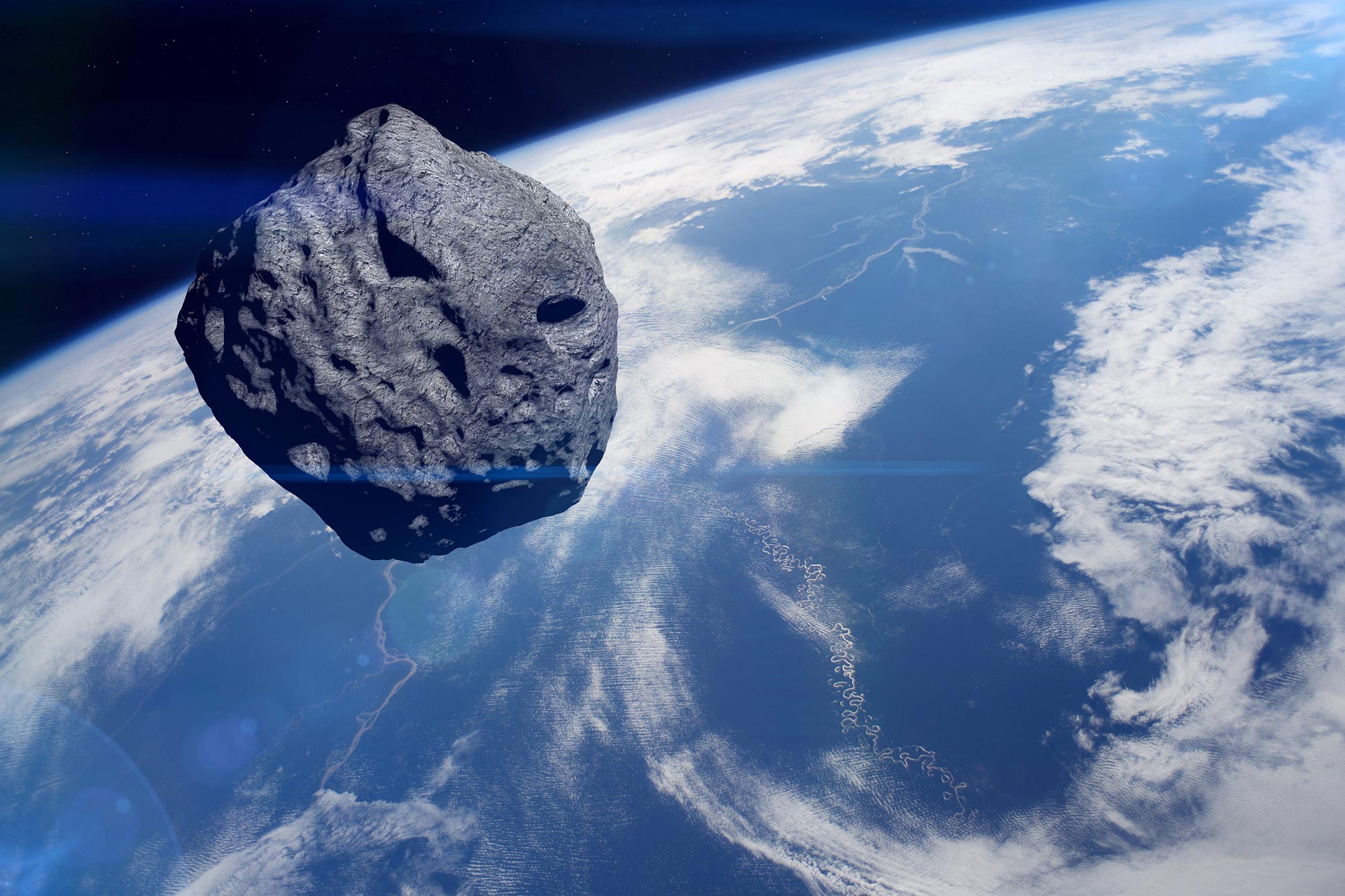
    A small asteroid narrowly missed Earth over Antarctica, passing within the altitude of the International Space Station. Credit: Shutterstock

    Asteroid 2025 TF zoomed over Antarctica just 266 miles above Earth, roughly the same height as the ISS.

    Detected only hours later, the 1–3 meter rock posed no threat but provided valuable data for astronomers.

    Close Encounter Over Antarctica

    In the early hours of October 1, Asteroid 2025 TF swept over Antarctica at 00:47:26 UTC ± 18 seconds, passing within just 428 ± 7 km (266 ± 4 miles) of Earth’s surface. That distance places it nearly at the same height as the International Space Station, which orbits between about 370 and 460 km (230-286 miles) above the planet.

    Measuring roughly 1 to 3 meters in diameter, the asteroid was detected by the Catalina Sky Survey only a few hours after it had already flown past Earth. Space rocks of this size are not considered hazardous. If one were to enter Earth’s atmosphere, it could create a bright fireball and potentially scatter small meteorites across the surface.
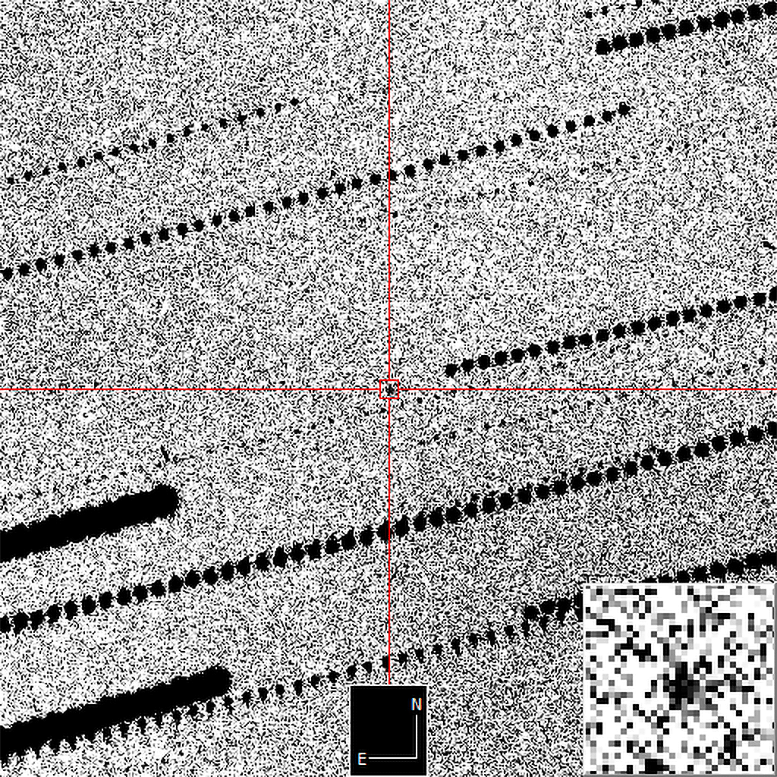
    ESA Spots Asteroid That Made Very Close Approach to Earth
    Credit: ESA / Las Cumbres Observatory, Acknowledgments: T. Santana-Ros, M. Micheli, F. Ocaña, M. Devogèle, L. Conversi, R. Kresken

    Eyes on the Sky

    Soon after the asteroid’s discovery, astronomers from ESA’s Planetary Defence Office turned their attention to it, using the Las Cumbres Observatory telescope at Siding Spring in Australia.

    Pinpointing such a small object in the vastness of space, especially when its exact position is still uncertain, requires exceptional precision. Their successful observation allowed scientists to determine the asteroid’s closest approach distance and timing with remarkable accuracy.

    Never miss a breakthrough: Join the SciTechDaily newsletter.
    Follow us on Google and Google News.

    Asteroid European Space Agency Planetary Defense Popular
    Share. Facebook Twitter Pinterest LinkedIn Email Reddit

    Related Articles

    This “City-Killer” Asteroid Has a 4% Chance of Hitting the Moon

    Planetary Defense Mission: Hera Launches for Asteroid Crash Scene Investigation

    Close Encounter: Two Large Asteroids Will Skim Past Earth Just 42 Hours Apart

    The Asteroid Hunters: 10 Years Preparing for “Armageddon”

    Riskiest Asteroid Known to Humankind in the Last Year Will Not Strike Earth for at Least 100 Years

    “Chance of Impact 100%” – Fifth Asteroid Ever Discovered Before Impact

    The Rise and Fall of the Riskiest Asteroid in a Decade – “I’ve Never Seen Such a Risky Object”

    Huge Region of Europe Destroyed by Asteroid Impact in Planetary Defense Exercise

    Asteroid Deflection Planetary Defense Mission Target: “Dimorphos”

    1 Comment

    1. Boba on October 10, 2025 11:33 am

      Dodged a bullet, didn’t we?

      Reply
    Leave A Reply Cancel Reply

    • Facebook
    • Twitter
    • Pinterest
    • YouTube

    Don't Miss a Discovery

    Subscribe for the Latest in Science & Tech!

    Trending News

    New Pill Lowers Stubborn Blood Pressure and Protects the Kidneys

    Humans May Have Hidden Regenerative Powers, New Study Suggests

    Scientists Just Solved the Mystery of Why Crabs Walk Sideways

    Doctors Are Surprised by What This Vaccine Is Doing to the Heart

    This Popular Supplement May Boost Your Brain, Not Just Your Muscles

    Scientists Say This Simple Supplement May Actually Reverse Heart Disease

    Warming Oceans Could Trigger a Dangerous Methane Surge

    This Simple Movement Could Be Secretly Cleaning Your Brain

    Follow SciTechDaily
    • Facebook
    • Twitter
    • YouTube
    • Pinterest
    • Newsletter
    • RSS
    SciTech News
    • Biology News
    • Chemistry News
    • Earth News
    • Health News
    • Physics News
    • Science News
    • Space News
    • Technology News
    Recent Posts
    • This Magnetic Field Trick Creates Entirely New Forms of Matter
    • Astronomers Stunned by Ancient Galaxy With No Spin
    • Physicists May Be on the Verge of Discovering “New Physics” at CERN
    • AI Learns To Work Backward and Reveal Hidden Forces in Nature
    • Scientists Warn of Rising Male Childlessness As Global Fertility Changes
    Copyright © 1998 - 2026 SciTechDaily. All Rights Reserved.
    • Science News
    • About
    • Contact
    • Editorial Board
    • Privacy Policy
    • Terms of Use

    Type above and press Enter to search. Press Esc to cancel.