
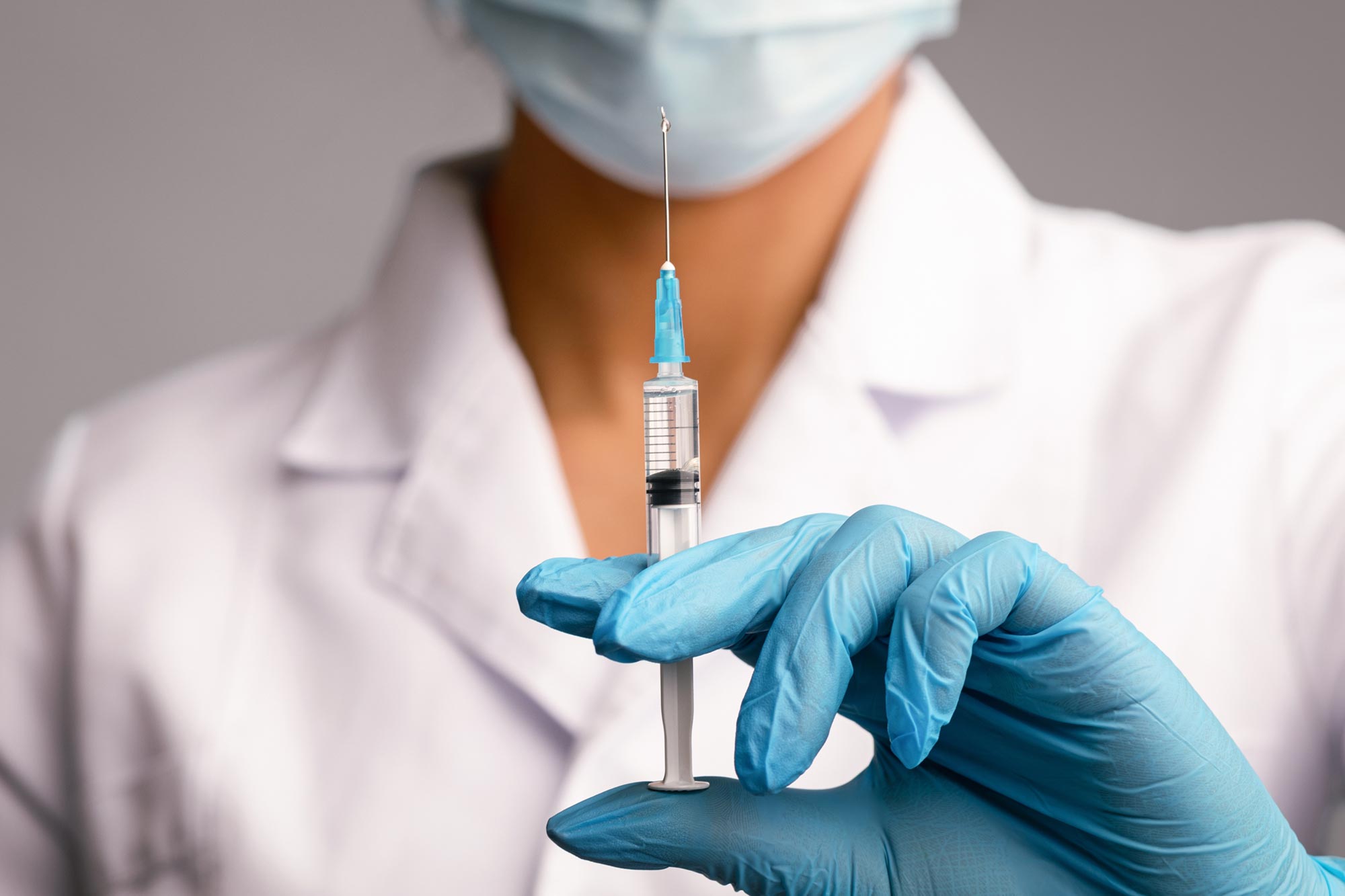
A new study suggests that getting the shingles vaccine may be linked to slower biological aging in older adults, beyond its role in preventing infection.
A shingles shot is best known for preventing a painful flare-up of an old infection, but new findings suggest it may be tied to something broader in later life. Researchers at the USC Leonard Davis School of Gerontology report that vaccinated older adults showed signs of slower biological aging compared with those who skipped the vaccine.
The team analyzed the nationally representative U.S. Health and Retirement Study, looking at more than 3,800 people who were age 70 and older in 2016. After accounting for differences such as health status and sociodemographic factors, the vaccinated group still tended to score as biologically “younger” on average than unvaccinated participants.
Because this kind of study observes real-world patterns rather than testing an intervention in a controlled trial, the results point to an association, not proof that the vaccine directly slows aging.
Shingles, also called herpes zoster, happens when the chickenpox virus, or varicella zoster, reactivates years after the original infection. While it can strike at any age, risk climbs for those 50 and older and immunocompromised individuals, and vaccination has largely been offered to older adults.
Along with lowering the chance of getting shingles, vaccination also reduces the odds of postherpetic neuralgia, or long-term pain after a shingles infection. And as Research Associate Professor of Gerontology Jung Ki Kim, the study’s first author, noted, a growing body of research has highlighted links between adult vaccines, including shingles and influenza, and lower risks of dementia and other neurodegenerative disorders.
“This study adds to emerging evidence that vaccines could play a role in promoting healthy aging by modulating biological systems beyond infection prevention,” she said.
Measuring the body, not the calendar
Unlike chronological aging, biological aging refers to how the body is changing over time, including how well organs and systems are working. Two people who are both 65 years old may look very different inside: one may have the biological profile of someone younger, while another may show signs of aging earlier.
In the new study, Kim and coauthor Eileen Crimmins, USC University Professor and AARP Professor of Gerontology, measured seven aspects of biological aging:
- inflammation
- innate immunity (the body’s general defenses against infection)
- adaptive immunity (responses to specific pathogens after exposure or vaccination)
- cardiovascular hemodynamics (blood flow)
- neurodegeneration
- epigenetic aging (changes in how genes are turned “off” or “on”)
- transcriptomic aging (changes in how genes are transcribed into RNA used to create proteins)
The team also used the measures collectively to record a composite biological aging score.
Surprising results beyond shingles prevention
On average, vaccinated individuals had significantly lower inflammation measurements, slower epigenetic and transcriptomic aging, and lower composite biological aging scores. The results provide more insight into the possible mechanisms underlying how immune system health interacts with the aging process.
Chronic, low-level inflammation is a well-known contributor to many age-related conditions, including heart disease, frailty, and cognitive decline. This phenomenon is known as “inflammaging,” Kim said.
“By helping to reduce this background inflammation — possibly by preventing reactivation of the virus that causes shingles, the vaccine may play a role in supporting healthier aging,” she said. “While the exact biological mechanisms remain to be understood, the potential for vaccination to reduce inflammation makes it a promising addition to broader strategies aimed at promoting resilience and slowing age-related decline.”
These potential benefits could also be persistent. When analyzing how the time since vaccination affected results, Kim and Crimmins found that participants who received their vaccine four or more years prior to providing their blood sample still exhibited slower epigenetic, transcriptomic, and overall biological aging on average versus unvaccinated participants.
“These findings indicate that shingles vaccination influences key domains linked to the aging process,” Crimmins said. “While further research is needed to replicate and extend these findings, especially using longitudinal and experimental designs, our study adds to a growing body of work suggesting that vaccines may play a role in healthy aging strategies beyond solely preventing acute illness.”
Reference: “Association between shingles vaccination and slower biological aging: Evidence from a U.S. population-based cohort study” by Jung Ki Kim and Eileen M Crimmins, 20 January 2026, The Journals of Gerontology: Series A.
DOI: 10.1093/gerona/glag008
This work was supported by the National Institute on Aging at the National Institutes of Health (P30 AG017265); the Health and Retirement Study is supported by National Institute on Aging (U01AG009740).
Never miss a breakthrough: Join the SciTechDaily newsletter.
Follow us on Google and Google News.
3 Comments
If you currently have a shingles outbreak, how long shpuld you wait to get a shingles vaccine or is it necessary? Now that I have the virus do I have an immunity to it?
No don’t get it
Let history’s record reflect that Eric Jircitano, a West Virginia student and maintenance engineer, stood between people and their health when it mattered, when they were considering health and safety.
This guy must be a genius! He figured this out despite a substanrd education and no professional medical judgment at all. Well done, Eric!