Close Menu
    Facebook X (Twitter) Instagram
    SciTechDaily
    • Biology
    • Chemistry
    • Earth
    • Health
    • Physics
    • Science
    • Space
    • Technology
    Facebook X (Twitter) Pinterest YouTube RSS
    SciTechDaily
    Home»Space»This Week @NASA: SpaceX Crew-5 Launches to Space Station, Webb & Hubble Team Up, Intense Solar Flare
    Space

    This Week @NASA: SpaceX Crew-5 Launches to Space Station, Webb & Hubble Team Up, Intense Solar Flare

    By NASAOctober 9, 20221 Comment3 Mins Read
    Facebook Twitter Pinterest Telegram LinkedIn WhatsApp Email Reddit
    Share
    Facebook Twitter LinkedIn Pinterest Telegram Email Reddit
    NASA’s SpaceX Crew-5 Launch
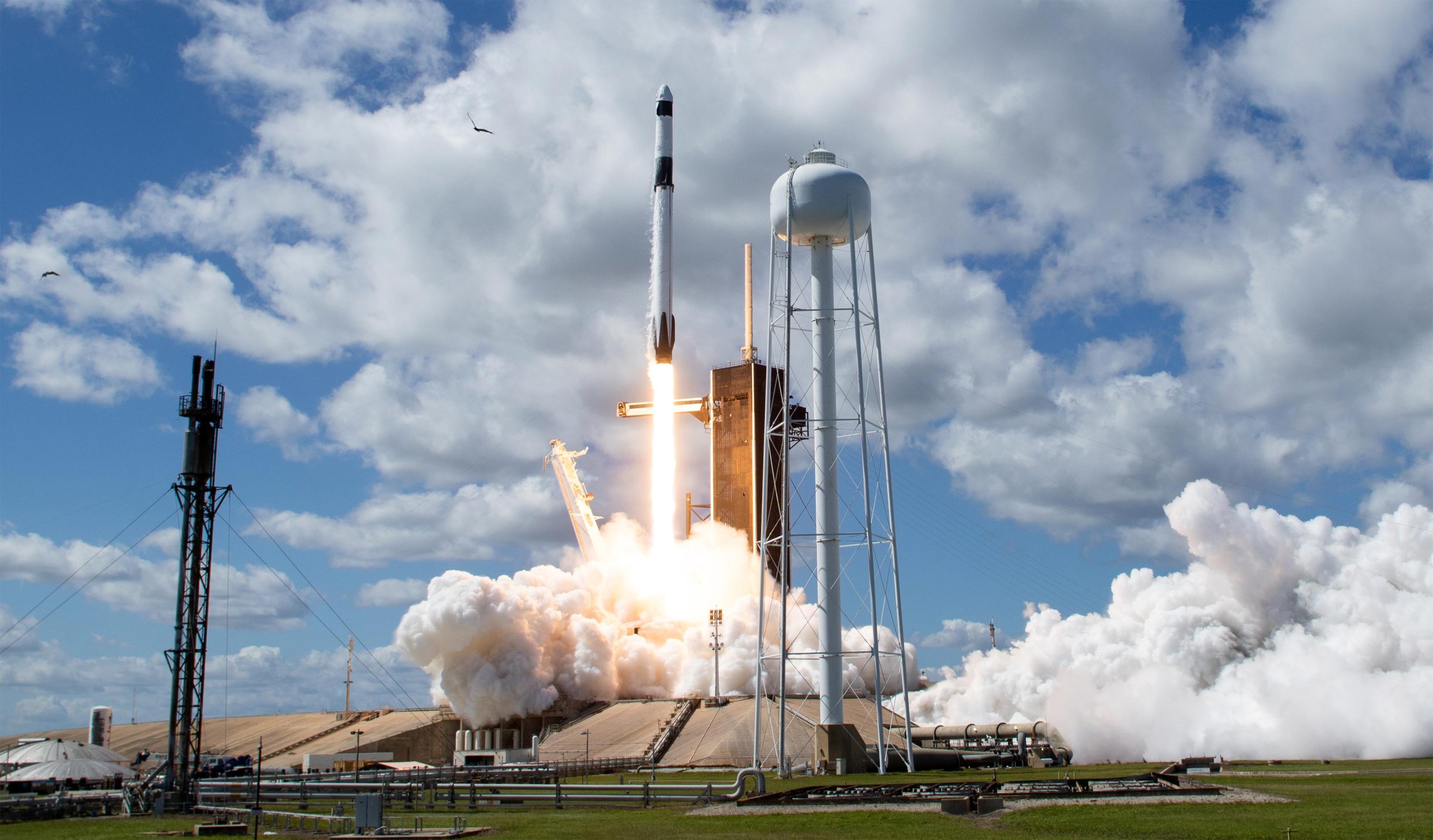
    A SpaceX Falcon 9 rocket carrying the company’s Crew Dragon spacecraft is launched on NASA’s SpaceX Crew-5 mission to the International Space Station with NASA astronauts Nicole Mann and Josh Cassada, Japan Aerospace Exploration Agency (JAXA) astronaut Koichi Wakata, and Roscosmos cosmonaut Anna Kikina onboard, Wednesday, October 5, 2022, at NASA’s Kennedy Space Center in Florida. NASA’s SpaceX Crew-5 mission is the fifth crew rotation mission of the SpaceX Crew Dragon spacecraft and Falcon 9 rocket to the International Space Station as part of the agency’s Commercial Crew Program. Mann, Cassada, Wakata, and Kikini launched at 12:00 p.m. EDT from Launch Complex 39A at the Kennedy Space Center to begin a six month mission onboard the orbital outpost. Credit: NASA/Joel Kowsky

    Launching a new crew to the space station …

    The plan moving forward for Artemis I …

    And Webb’s new look at a pair of galaxies … a few of the stories to tell you about – This Week at NASA!


    Launching a new crew to the space station, the plan moving forward for Artemis I, and Webb’s new look at a pair of galaxies … a few of the stories to tell you about – This Week at NASA!

    NASA’s SpaceX Crew-5 Launches to the Space Station

    NASA’s SpaceX Crew-5 mission launched to the International Space Station (ISS) on October 5. Crew-5 will spend six months on the station conducting research and technology demonstrations that benefit people on Earth and lays the groundwork for future Artemis human exploration missions to the Moon and eventually to Mars.

    SLS Rocket With Orion Launch Complex 39B
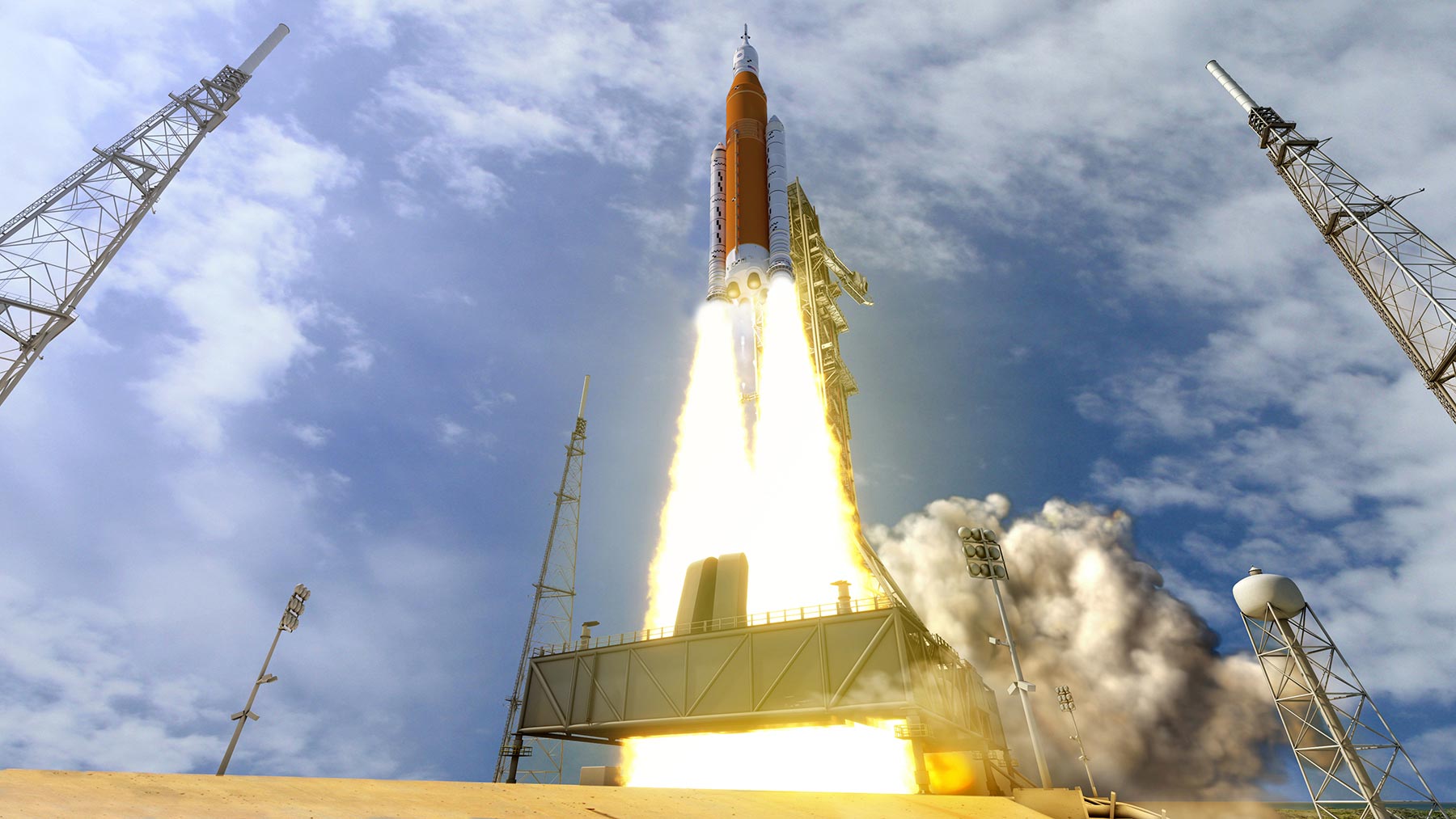
    NASA’s Space Launch System rocket will launch with Orion atop it from Launch Complex 39B at NASA’s modernized spaceport at Kennedy Space Center in Florida. Credit: NASA

    Artemis I Teams Focus on November for Launch Attempt

    In the wake of Hurricane Ian, teams at NASA’s Kennedy Space Center are looking at the November 12 through November 27 timeframe for the next Artemis I launch attempt. Artemis I updates are available at blogs.nasa.gov/artemis.

    Overlapping Galaxies VV 191
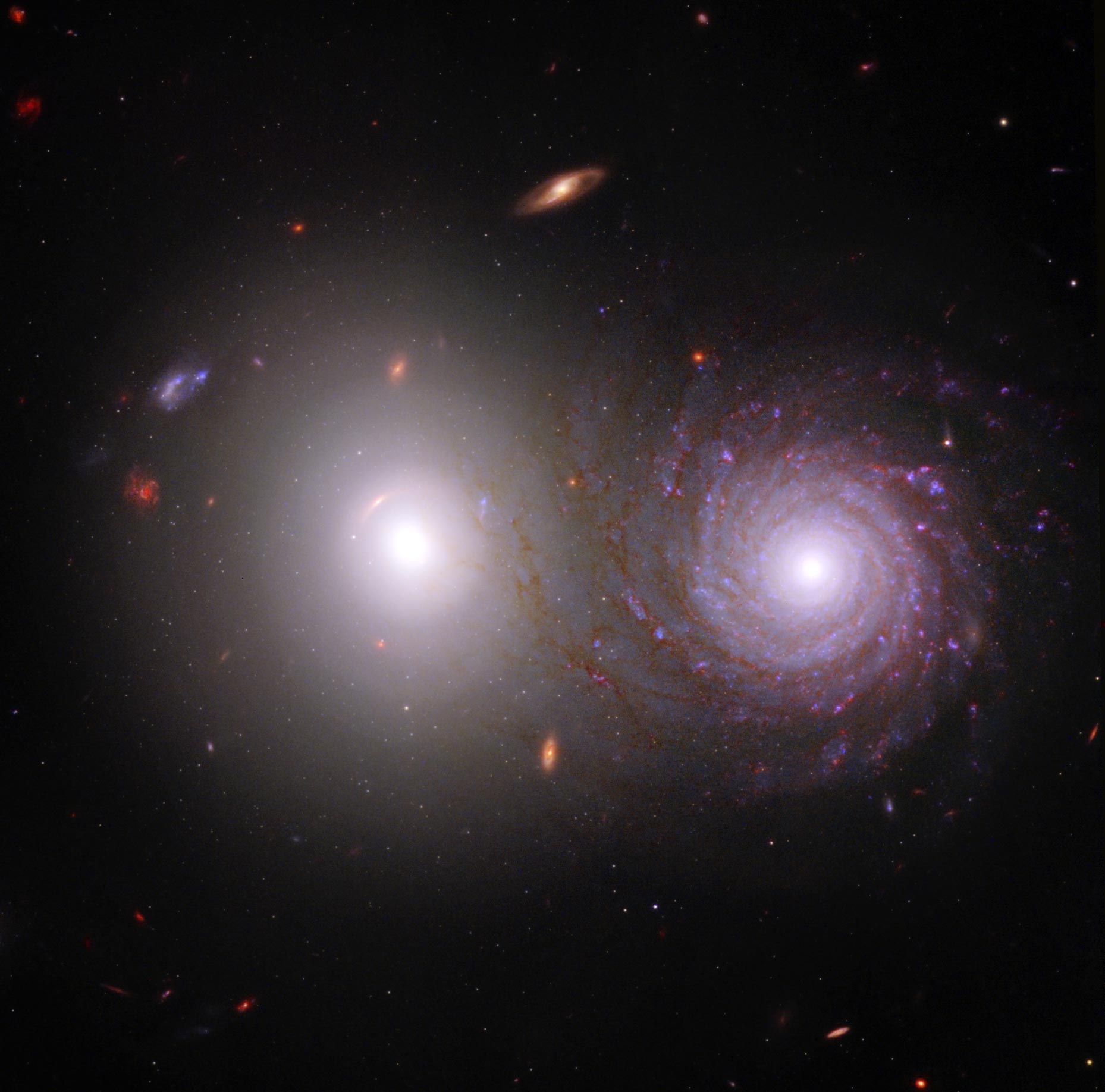
    By combining data from NASA’s James Webb Space Telescope and NASA’s Hubble Space Telescope, researchers were able to trace light that was emitted by the large white elliptical galaxy at left through the spiral galaxy at right and identify the effects of interstellar dust in the spiral galaxy. This image of galaxy pair VV 191 includes near-infrared light from Webb, and ultraviolet and visible light from Hubble. Credit: NASA, ESA, CSA, Rogier Windhorst (ASU), William Keel (University of Alabama), Stuart Wyithe (University of Melbourne), JWST PEARLS Team, Alyssa Pagan (STScI)

    Webb and Hubble Image Features Galaxy Pair

    A new Webb Space Telescope image of a spiral galaxy and an elliptical galaxy, combined with a Hubble Space Telescope image, is helping researchers study the effects of interstellar dust and helped them identify a previously unknown lensed galaxy for the first time.

    NASA SDO Solar Flare October 2022
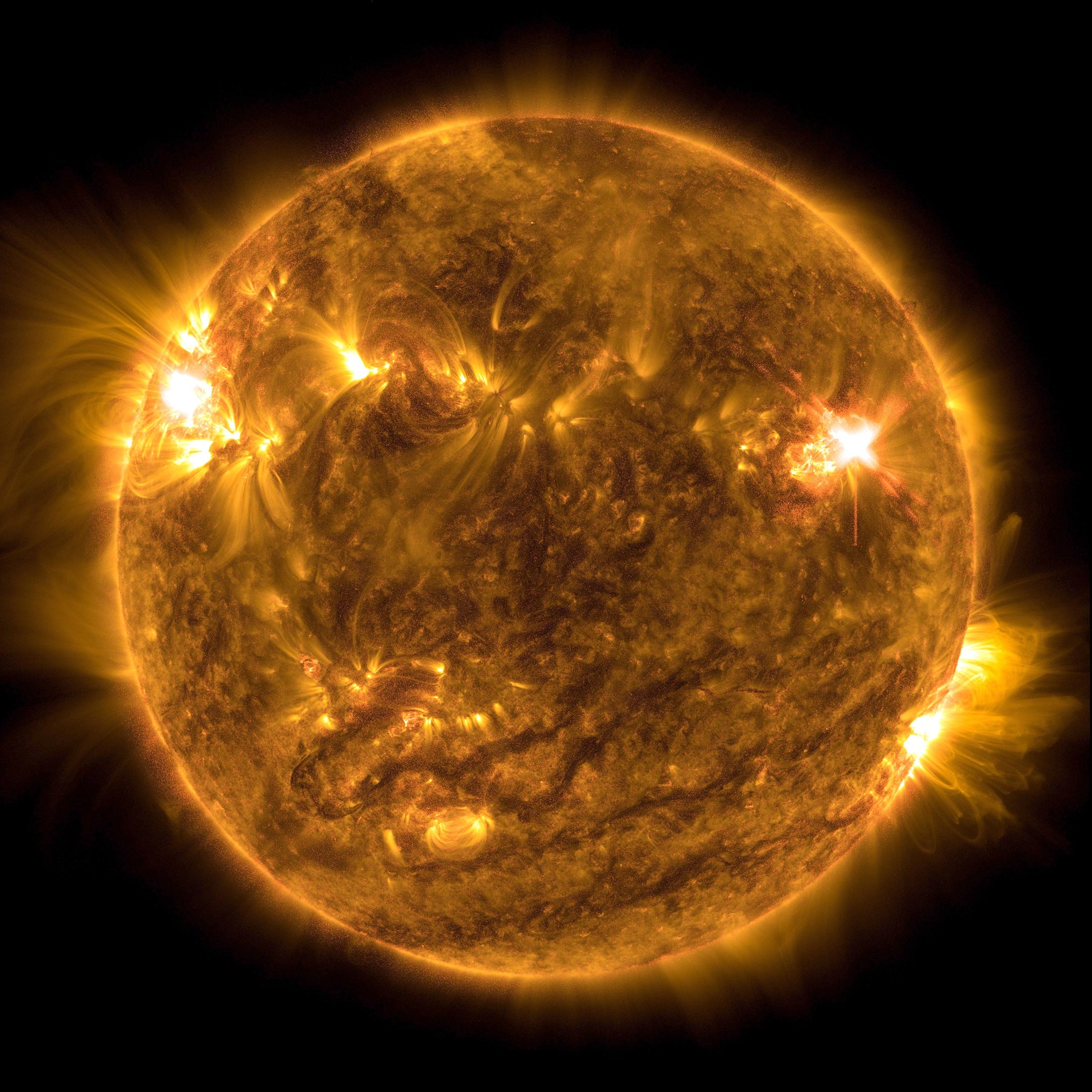
    NASA’s Solar Dynamics Observatory captured this image of a solar flare – as seen in the bright flash on the top right – on October 2, 2022. The image shows a subset of extreme ultraviolet light that highlights the extremely hot material in flares and which is colorized in orange. Credit: NASA/SDO

    Sun Releases Intense Solar Flare

    On October 2, NASA’s Solar Dynamics Observatory captured the Sun emitting an X1-class solar flare. X-class flares can impact radio communications and electric power grids on Earth and pose risks to spacecraft and astronauts in space.

    That’s what’s up this week @NASA

    Never miss a breakthrough: Join the SciTechDaily newsletter.
    Follow us on Google and Google News.

    NASA
    Share. Facebook Twitter Pinterest LinkedIn Email Reddit

    Related Articles

    NASA’s Psyche Could Reveal the Secret Inside This Metal World

    Mars Was Once Warm and Wet. NASA’s ESCAPADE Is About to Learn What Went Wrong

    NASA’s Curiosity Rover Discovers Spiderweb Ridges on Mars That Hint at Ancient Water

    NASA’s DART Impact Actually Changed an Asteroid System’s Orbit Around the Sun

    NASA’s Webb Telescope Reveals an Eerie Nebula That Looks Like a Giant Brain

    “At First, We Thought Something Was Wrong” – NASA DART Mission Reveals a Cosmic Snowball Fight

    What’s Really Happening on Venus? Scientists Reveal Surprising Patterns

    “Ghost Galaxy” Made of 99% Dark Matter Discovered 300 Million Light Years Away

    Hubble Captures a Dying Star Cracking Open the Egg Nebula

    1 Comment

    1. Charles Earl Montee on October 10, 2022 12:51 am

      Can we say that “ALL SYSTEMS ARE GO” ???

      Reply
    Leave A Reply Cancel Reply

    • Facebook
    • Twitter
    • Pinterest
    • YouTube

    Don't Miss a Discovery

    Subscribe for the Latest in Science & Tech!

    Trending News

    Popular Supplement Ingredient Linked to Shorter Lifespan in Men

    Scientists May Have Found a Way To Repair Nerve Damage in Multiple Sclerosis

    “Totally Unexpected” – Scientists Discover Pancreatic Cancer’s Fatal Addiction

    A Strange Quantum Effect May Explain One of Biology’s Greatest Mysteries

    James Webb Telescope Reveals the Universe’s Hidden Cosmic Web in Stunning Detail

    Scientists Identify Simple Supplement That Greatly Reduces Alzheimer’s Damage

    You May Have a Dangerous Type of Cholesterol Even if Your Tests Look Normal

    Your Blood Pressure Reading Could Be Wrong Because of One Simple Mistake

    Follow SciTechDaily
    • Facebook
    • Twitter
    • YouTube
    • Pinterest
    • Newsletter
    • RSS
    SciTech News
    • Biology News
    • Chemistry News
    • Earth News
    • Health News
    • Physics News
    • Science News
    • Space News
    • Technology News
    Recent Posts
    • Scientists Discover Testosterone Could Actually Protect Against Deadly Brain Cancer
    • Mediterranean Diet May Activate Secret Anti-Aging Proteins Inside Your Cells
    • Scientists Reveal That Eating Almonds Every Day Could Transform Your Gut, Metabolism, and Appetite
    • Researchers Found a Surprisingly Realistic Way To Mine Asteroids for Mars
    • Europe Just Unveiled a Serious Rival to SpaceX’s Starship
    Copyright © 1998 - 2026 SciTechDaily. All Rights Reserved.
    • Science News
    • About
    • Contact
    • Editorial Board
    • Privacy Policy
    • Terms of Use

    Type above and press Enter to search. Press Esc to cancel.