
Pumas are back in Patagonia, penguins are paying a price—but climate-driven breeding failures may be the real extinction risk.
- Penguins along Argentina’s Patagonian coast are facing an unexpected threat as pumas return to parts of their historic range. A new study closely examines how this predator comeback affects the long term survival of the penguin colony.
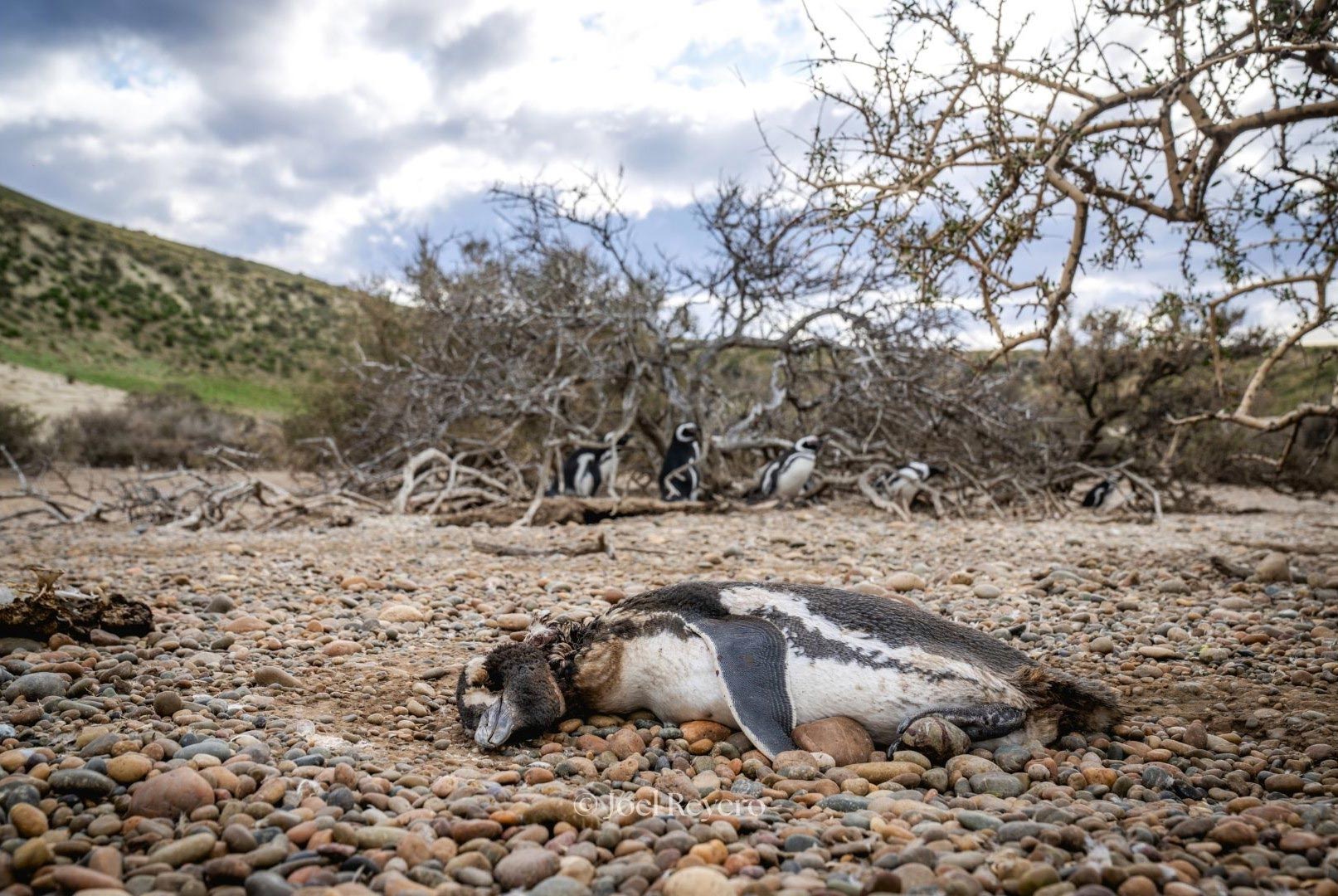
- Over a four year period, researchers estimate that pumas at a national park killed more than 7,000 adult penguins, representing about 7.6% of the colony’s adult population. Many of the birds were left uneaten, suggesting that not all were killed for food.
- Despite the striking number of deaths, the study finds that puma predation alone is unlikely to push the colony toward collapse. Instead, factors such as poor breeding success and lower survival among young penguins pose a much greater risk to the population’s future.
- The research was published today (5 February) in the Journal for Nature Conservation.
A Conservation Dilemma in Patagonia
Should conservation efforts prioritize one iconic species if doing so may harm another, especially in ecosystems still recovering from past human activity? This question is at the heart of an ongoing challenge at Monte Leon National Park along Argentina’s Patagonian coast.
The issue has emerged as wildlife returns to landscapes once heavily altered by people. In this case, the recovery of a top predator has created unexpected consequences for a vulnerable prey species.
Pumas Return to a Changed Landscape
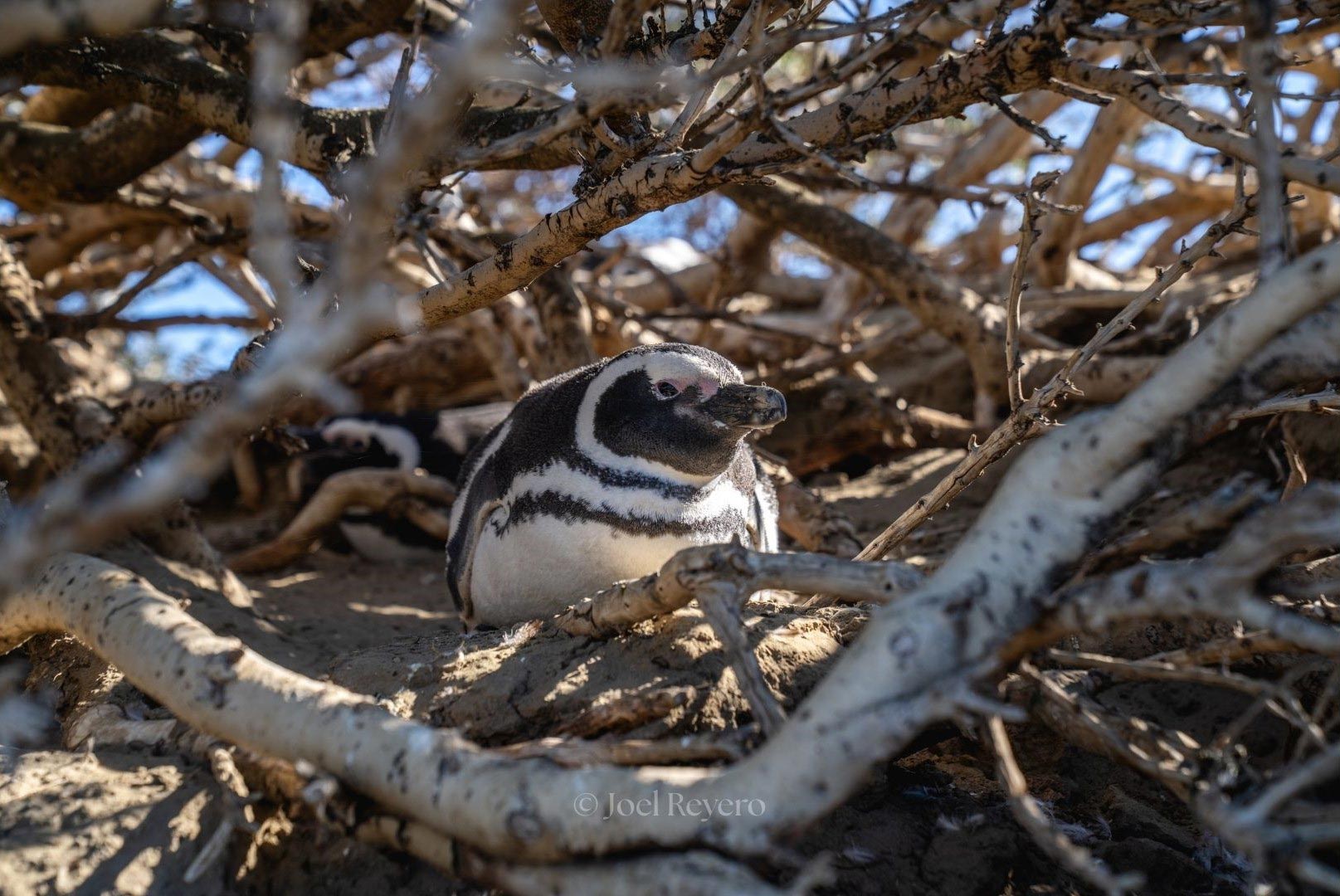
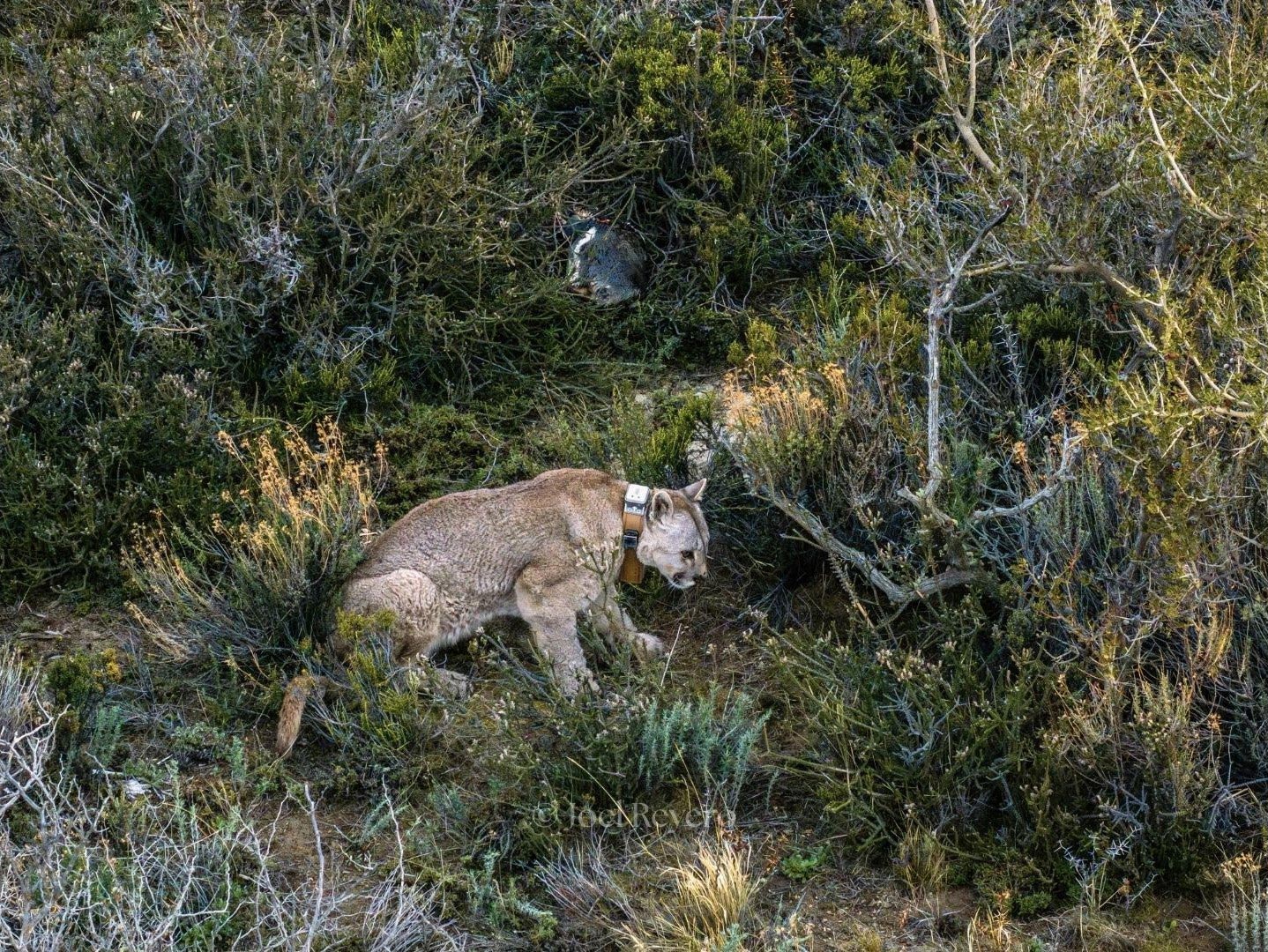
After cattle ranching ended in southern Argentina in 1990, pumas (Puma concolor) began reclaiming parts of their historic range. Their return brought them into contact with Magellanic penguins (Spheniscus magellanicus), which had previously moved from offshore islands to the mainland when terrestrial predators were absent.
The penguins, which lack strong defenses against land predators, became easy targets. Until recently, however, scientists did not know how much impact this new predator-prey interaction was having on penguin population numbers.
Tracking Penguin Losses Over Time
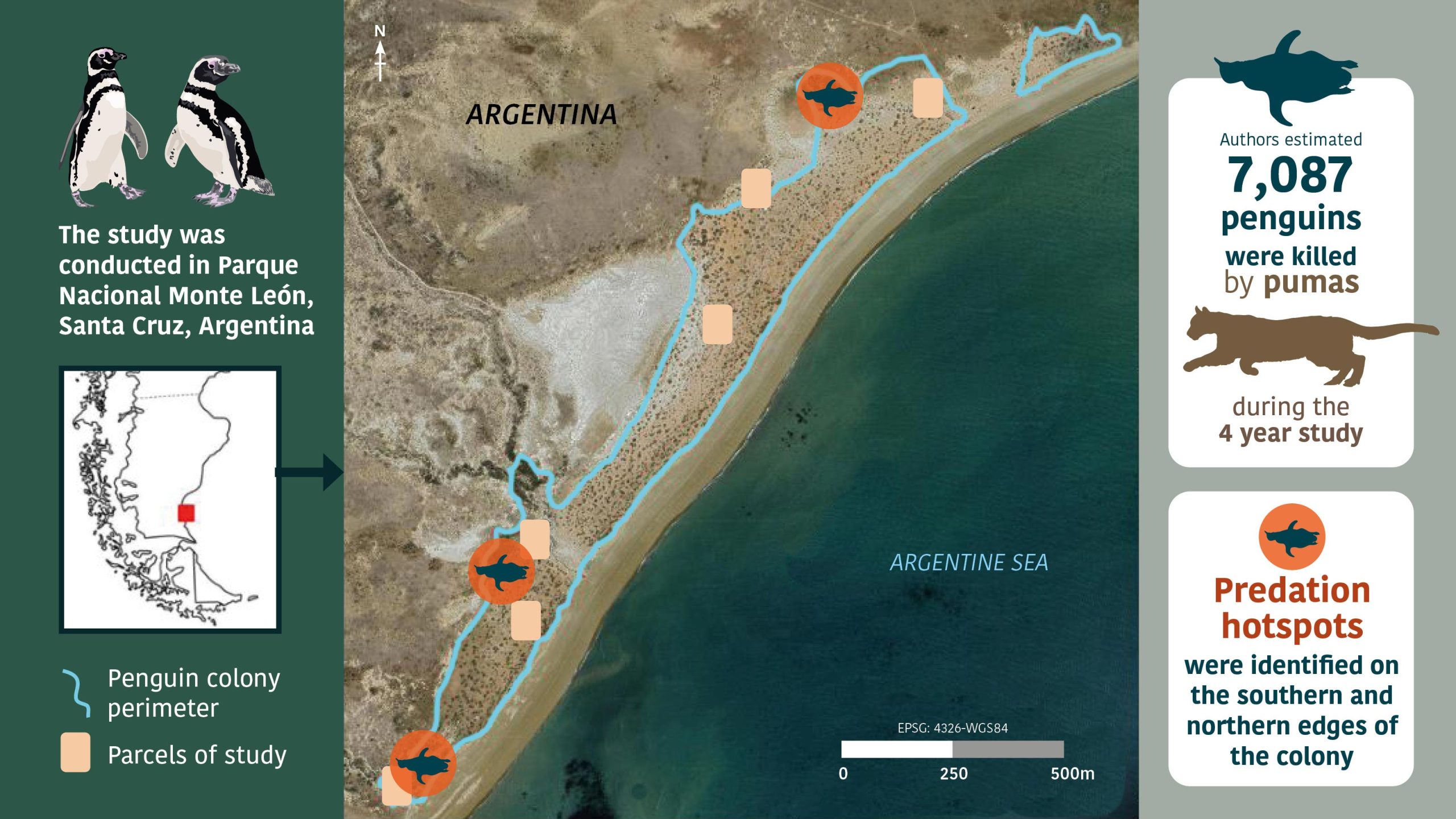
Since the park was established in 2004, scientists from the Centro de Investigaciones de Puerto Deseado of the Universidad Nacional de la Patagonia Austral, together with rangers from Monte Leon National Park, have closely monitored penguin colonies. Over a four year period (2007-2010), they documented penguin carcasses linked to puma attacks.
For the latest study, the team partnered with researchers from Oxford University’s Wildlife Conservation Research Unit (WildCRU) to analyze the long term implications of these findings.
Thousands of Penguins Killed
Based on carcass counts, researchers estimated that more than 7,000 adult penguins were killed during the four year study period. Many of the birds were only partially eaten or left untouched, suggesting they were not all killed for food. This total represents about 7.6% of the adult population (around 93,000 individuals).
Lead author Melisa Lera, a postgraduate student at WildCRU, Oxford University, said: “The number of carcasses showing signs of predation we found in the colony is overwhelming, and the fact that they were left uneaten means pumas were killing more penguins than they required for food. This is consistent with what ecologists describe as ‘surplus killing’. It is comparable to what is seen in domestic cats when prey are abundant and/or vulnerable: ease of capture can lead to cats hunting more birds, even when they do not end up actually eating them. We needed to understand if the penguin colony’s persistence could be threatened due to this behavior.”
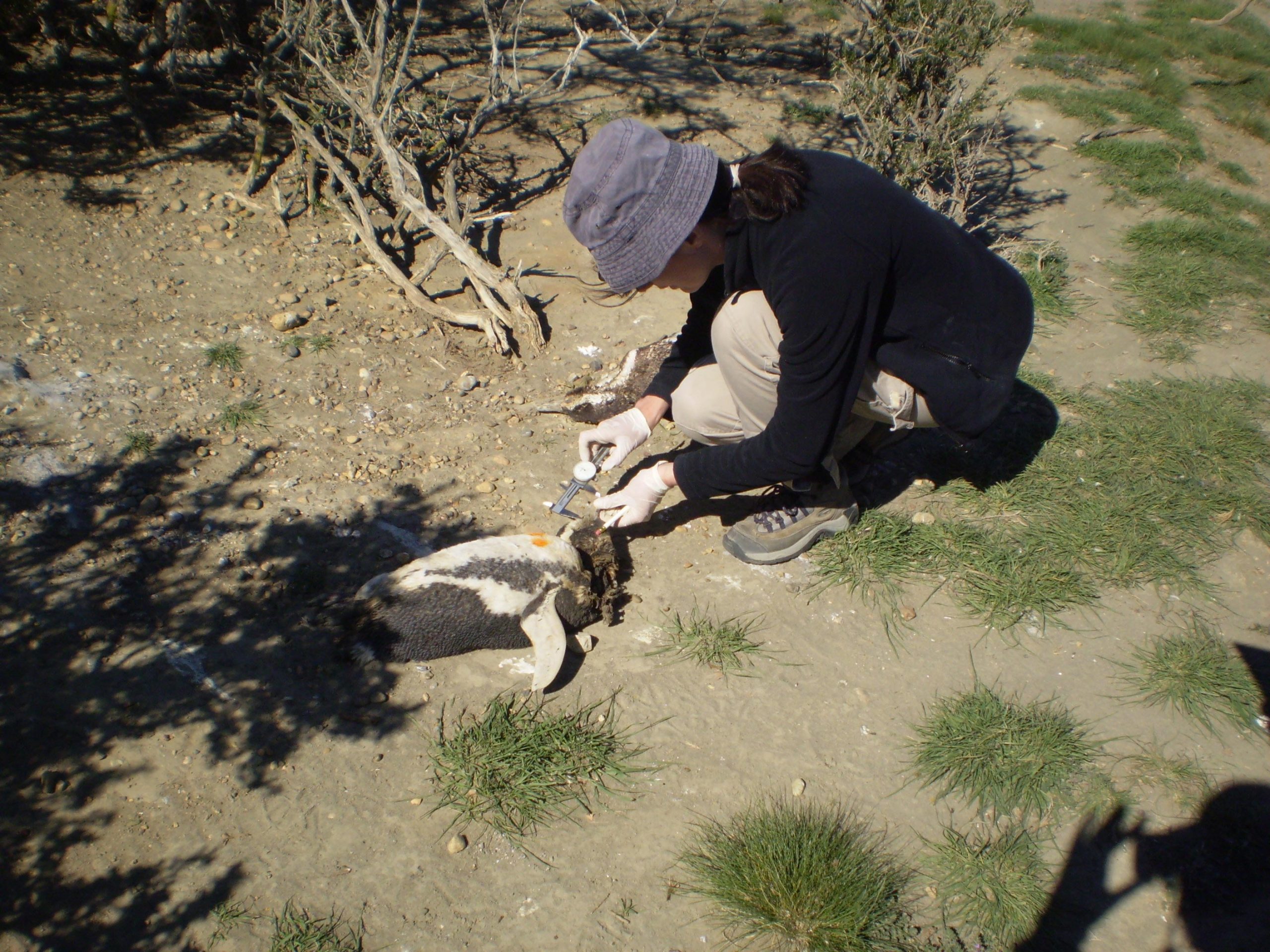
Modeling the Colony’s Future
When researchers modeled the population data, the results suggested that puma predation alone was unlikely to cause the penguin colony at Monte Leon Park to collapse. Instead, the long term outlook depended more heavily on breeding success and the survival of young penguins.
Extinction scenarios only appeared when the models combined very low juvenile survival, with roughly 20% failing to reach adulthood, and extremely poor reproduction, limited to a maximum of one chick per breeding pair. In these situations, heavy puma predation worsened the outcomes but was not the primary driver.
Study co-author Dr. Jorgelina Marino (WildCRU, Oxford University) said: “This study captures an emerging conservation challenge, where recovering carnivores are encountering novel prey. Understanding how these dietary shifts affect both predators and prey is essential to inform conservation.”
Climate and Broader Ecosystem Pressures
Because breeding success and juvenile mortality emerged as key factors, the researchers emphasize the need to better understand how environmental conditions affect penguin reproduction. Factors such as nutrient availability, food supply, and temperature are all known to be influenced by climate change and could play a critical role in future population stability.
The situation in Patagonia reflects a broader global trend. As land predators expand into coastal areas, other mainland seabird colonies may also face new risks. For example, non-native feral hogs have become major predators of loggerhead sea turtle eggs along the Georgia coast, USA, while coyotes in eastern North America are increasingly occupying coastal barrier islands and reshaping those ecosystems.
The Need for Ongoing Monitoring
The authors stress that long term monitoring is essential to detect early warning signs of population decline and guide effective management decisions. At Monte Leon National Park, authorities continue to track both puma and penguin populations as they navigate the complex consequences of ecosystem recovery.
Reference: “Shifting predator–prey dynamics at the land–sea interface: The case of Magellanic penguins and pumas” by Melisa Lera, Esteban Frere, Jorgelina Marino, Annick Morgenthaler, Sandra Lai and Ana Millones, 12 January 2026, Journal for Nature Conservation.
DOI: 10.1016/j.jnc.2025.127208
Never miss a breakthrough: Join the SciTechDaily newsletter.
Follow us on Google and Google News.
6 Comments
What scientists, and humans in general, need to do is LEAVE NATURE ALONE.
Let nature work the way it was designed and it will come to its own equilibrium.
The way it was ‘designed’ was for humans to take some of the pumas. They are apparently protected now that it is a National Park. “The best laid plans of mice and men often go astray.” Or, my favorite, “The road to Hell is paved with good intentions.”
Thats a very bold assumption to say/imply nature intended for humans to control the puma population.
Actually thats a naive and dangerous assumption.
Yes, nature works it out. People are flat dumb because they only think about what they are looking at and don’t even imagine there’s more going than their pea brain is considering. A-N-D They are always thinking their past notions (which were beginners notions) are reality –
Such is the chink in the armor of all science.
“…, factors such as poor breeding success and lower survival among young penguins pose a much greater risk to the population’s future.”
The obvious question, which wasn’t addressed, is why there is (what I presume) an anomalous juvenile mortality rate? Does it result from the loss of parents, from puma predation, thereby causing the chicks to starve? If so, then it means that the puma predation is directly responsible for twice as many penguins as is reported.
The pinguins should go back to the islands, they weren’t supposed to be on the main land to begin with