
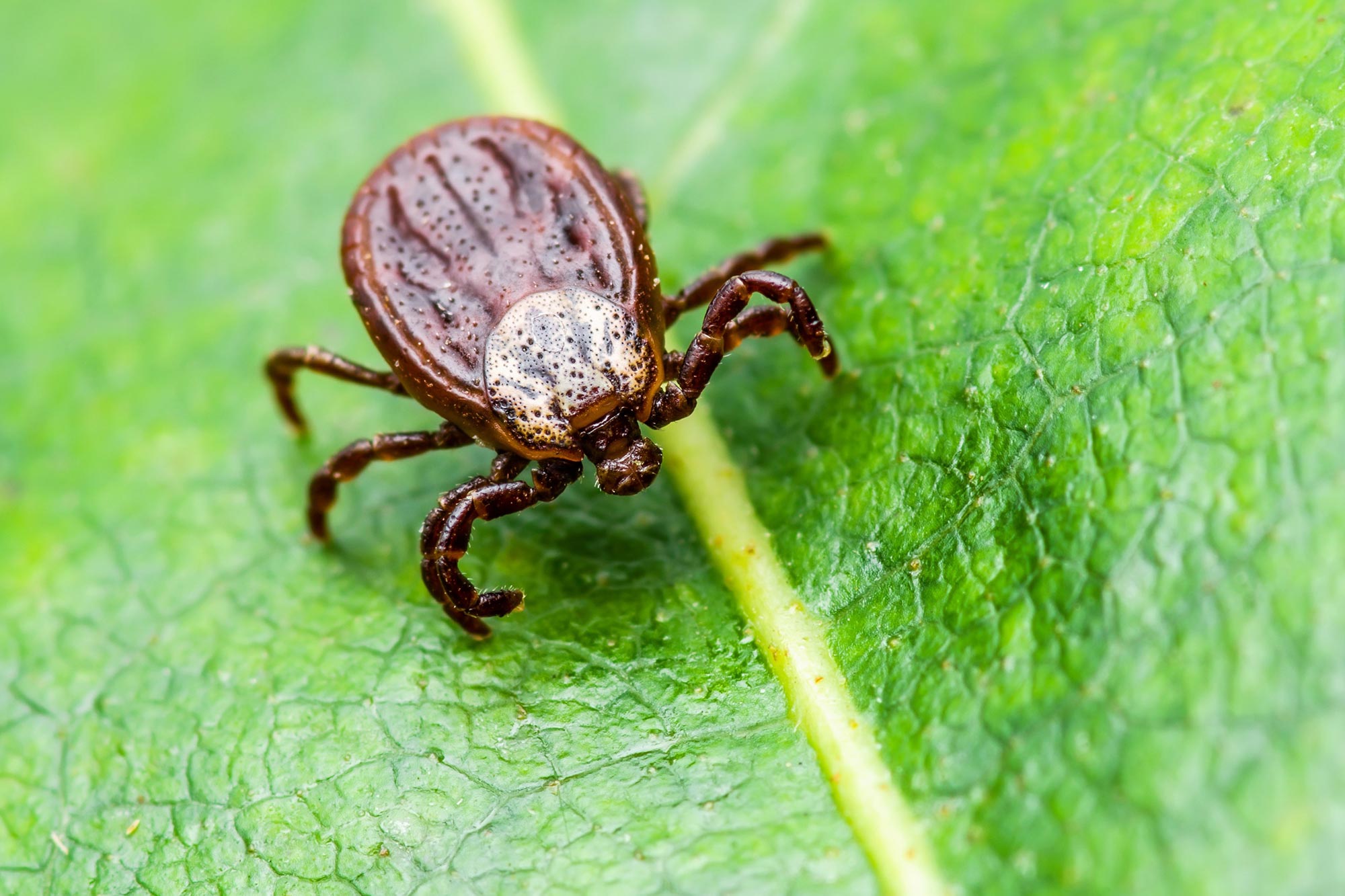
Babesiosis, a tick-borne disease similar to malaria, is increasing across the U.S., with a significant number of patients also infected with other tick-related diseases like Lyme.
A study reveals that these co-infections may alter immune responses and influence treatment outcomes, emphasizing the importance of vigilant diagnosis and innovative treatment strategies in endemic areas.
Rising Threat of Babesiosis and Co-Infections
Rates of babesiosis, a tick-borne parasitic disease, increased by an average of 9% annually in the United States from 2015 to 2022, with four in 10 patients also infected with another tick-borne illness such as Lyme disease. This is according to a new study from Penn State Health Milton S. Hershey Medical Center and Penn State College of Medicine.
“These findings suggest that clinicians should have a heightened vigilance of co-infection of other tick-borne illness among patients admitted with babesiosis,” said Paddy Ssentongo, infectious disease fellow, Penn State Health Milton S. Hershey Medical Center and lead author of the study. “Ticks can carry other bacteria that cause Lyme disease and other tick-borne diseases like anaplasmosis and ehrlichiosis.”
They published their findings today (October 8) in the journal Open Forum Infectious Diseases.
Understanding Babesiosis and Its Transmission
Babesiosis, sometimes referred to as “American malaria,” is caused by the Babesia parasite and is transmitted from bites of black-legged ticks. It’s found primarily in Northeastern and Midwestern states. Like malaria, the parasite infects red blood cells, and the condition shares many similar clinical symptoms. According to the U.S. Centers for Disease Control and Prevention (CDC), although some people do not develop symptoms, others experience flu-like symptoms. The disease can be deadly for older adults and those with certain health conditions, such as a weakened immune system or lack of spleen.
“Understanding the drivers, dynamics, and control of endemic and emerging vector-borne diseases is critical for global health interventions,” Ssentongo said.
The prevalence of babesiosis has been rising, according to the CDC. Ssentongo explained that climate change may play a role. Changing factors like temperature, humidity, rainfall, and length of season have influenced the population and distribution of vectors like ticks as well as the population of animals that serve as reservoir hosts, like deer. As a result, ticks may be present in a wider geographical area.
Investigating Prevalence and Mortality Risks
The team set out to assess the current prevalence of babesiosis and Babesia co-infections as well as the effect of Babesia co-infection on mortality risk. Using the TriNetX, a large, national database of clinical patient data from over 250 million individuals, they identified 3,521 individuals who were infected with babesiosis between October 2015 and December 2022.
The researchers found that the incidence of babesiosis increased an average of 9% per year. The majority of cases peaked during the summer months and were reported in Northeastern states. Of those diagnosed with babesiosis, 42% were infected with one or more additional tick-borne disease, which is a higher rate than what’s been found in previous studies. The greatest percentage of those patients, 41%, were co-infected with the bacterium responsible for Lyme disease while a smaller portion of patients were co-infected with bacteria that cause ehrlichiosis and anaplasmosis, 3.7% and 0.3%, respectively.
When the team examined if co-infection amplified the risk of complications or led to worse outcomes, they found that there were no significant differences between the babesiosis-only group and the co-infection group. However, when they looked at mortality risk, they found that the risk of death was higher among the babesiosis-only group.
Treatment Strategies and Prevention
“Having both babesiosis and Lyme disease seemed not to be associated with worse mortality,” Ssentongo said, noting the finding was surprising. “It’s speculated that the concurrent presence of other tick-borne infections in the blood could alter the immune response by possibly ‘boosting’ it to effectively fight infections.”
The difference in outcomes may also have to do with how other tick-borne illnesses are treated, Ssentongo said. In their study, the team found that the co-infection group was more likely to be prescribed doxycycline, the first line antibiotic treatment for Lyme disease, anaplasmosis, and ehrlichiosis, compared to the babesiosis-only group. Ssentongo said that it raises a compelling question: Is doxycycline also effective in treating the babesia parasite?
Currently, the treatment of babesiosis depends on disease severity. Treatment typically includes a combination of the antibiotics azithromycin and atovaquone. Red blood cell exchange, where abnormal red blood cells are removed and replaced by healthy ones, can also be considered for severely ill patients such as those with serious organ dysfunction. However, the survival benefit of red blood cell exchange hasn’t been studied extensively.
“For patients with babesiosis, we add on doxycycline as we’re investigating whether or not the patient has Lyme disease or other tick-borne diseases, and we’ve seen better outcomes at our medical center with this approach,” Ssentongo said. He said that there are other case reports where babesiosis has been successfully treated with doxycycline. However, more research is needed to understand the physiological pathways that underlie co-infection and how that might influence treatment protocols.
The most effective treatment approach is preventing tickborne diseases in the first place, according to Ssentongo.
“If you live in areas where babesiosis is endemic, mostly states in the Northeast and the Midwest, take precautions, especially during the summer months,” Ssentongo said. “Practice tick-bite prevention practices. Wear long-sleeved shirts and pants and light-colored clothes. Use tick repellant and check for ticks after spending time outdoors.”
Reference: “Beyond Human Babesiosis: Prevalence and Association of Babesia Coinfection with Mortality in the United States, 2015–2022: A Retrospective Cohort Study” by Paddy Ssentongo, Natasha Venugopal, Yue Zhang, Vernon M Chinchilli and Djibril M Ba, 08 October 2024, Open Forum Infectious Diseases.
DOI: 10.1093/ofid/ofae504
The study will be presented at IDWeek, the Infectious Disease Society of American annual conference taking place in Los Angeles, California, October 16-19.
Other Penn State authors include Vernon Chinchilli, distinguished professor of public health sciences; Djibril Ba, assistant professor of public health sciences; Natasha Venugopal, internal medicine resident at Penn State Health Milton S. Hershey Medical Center; and Yue Zhang, epidemiology doctoral student.
Never miss a breakthrough: Join the SciTechDaily newsletter.
Follow us on Google and Google News.