
Close Menu
    Facebook X (Twitter) Instagram
    SciTechDaily
    • Biology
    • Chemistry
    • Earth
    • Health
    • Physics
    • Science
    • Space
    • Technology
    Facebook X (Twitter) Pinterest YouTube RSS
    SciTechDaily
    Home»Earth»Unearthing the Hidden Struggle Between Trees and Fungi in a Warming World
    Earth

    Unearthing the Hidden Struggle Between Trees and Fungi in a Warming World

    By SPUN (Society for the Protection of Underground Networks)May 27, 2024No Comments3 Mins Read
    Facebook Twitter Pinterest Telegram LinkedIn WhatsApp Email Reddit
    Share
    Facebook Twitter LinkedIn Pinterest Telegram Email Reddit
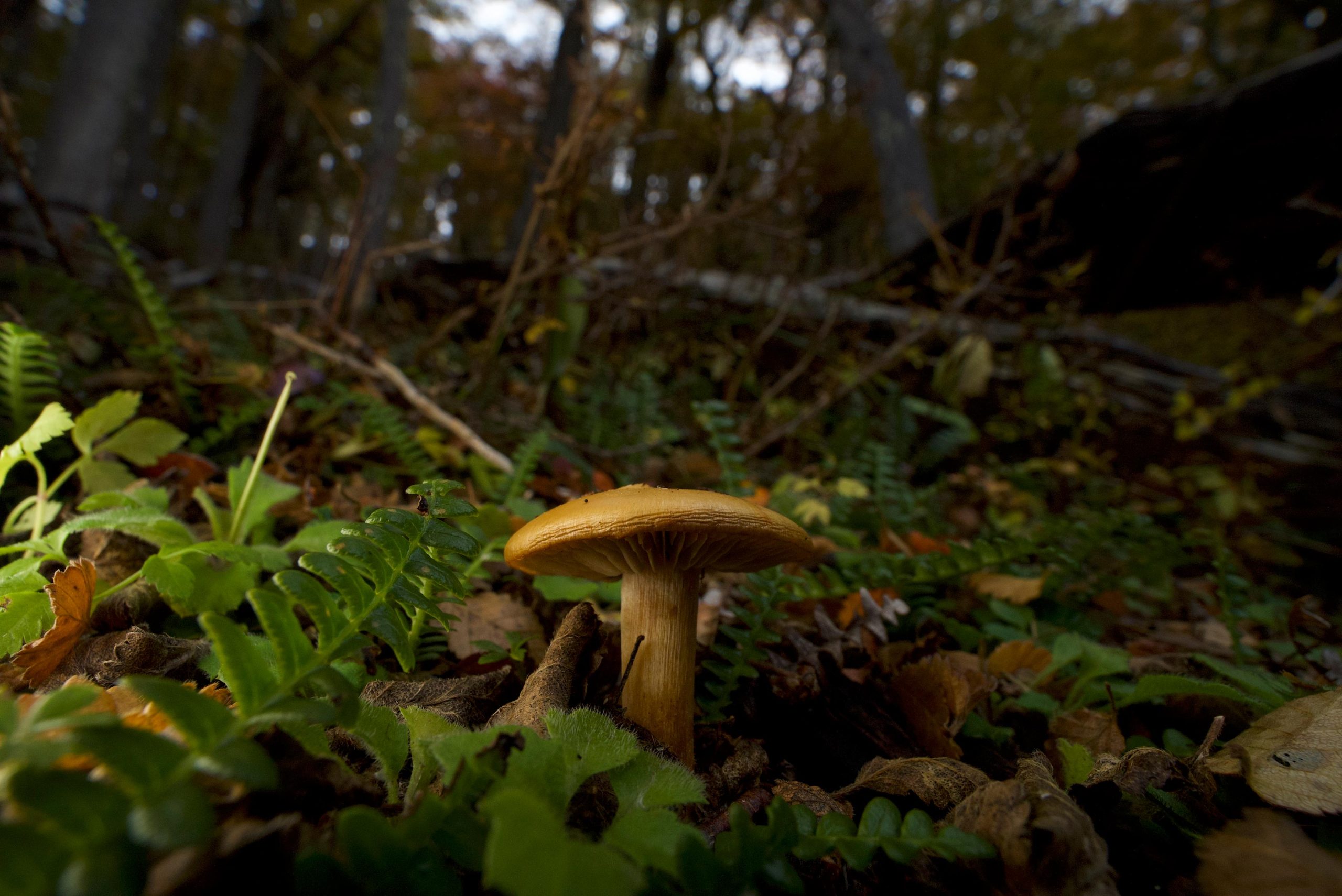
    Ectomycorrhizal Mushroom on the Forest Floor in Patagonia
    An ectomycorrhizal mushroom on the forest floor in Patagonia. Credit: SPUN/Mateo Barrenengoa

    Climate change impacts tree migrations by disrupting essential symbiotic relationships with mycorrhizal fungi, necessary for nutrient exchange and survival in new habitats.

    As our planet warms, many species are shifting to different locations as their historical habitats become inhospitable. Trees are no exception – many species’ normal ranges are no longer conducive to their health, but their shift to new areas that could better sustain them has been lagging behind those of other plants and animals.

    Now, scientists show that the reason for this lag might be found belowground. A study published today (May 27) in the scientific journal PNAS, shows that trees, especially those in the far north, may be relocating to soils that don’t have the fungal life to support them.

    Giant Pine Tree Growing on Corsica
    A giant pine tree growing on Corsica, where climate change effects are extreme. Credit: SPUN/Quentin van den Bossche

    The Role of Mycorrhizal Fungi in Tree Health

    Most plants form belowground partnerships with mycorrhizal fungi, microscopic, filamentous fungi that grow in the soil and connect with plant roots to supply plants with critical nutrients in exchange for carbon. Most large coniferous trees in northern latitudes form relationships with a kind of mycorrhizal fungi called ectomycorrhizal fungi.

    “As we examined the future for these symbiotic relationships, we found that 35% of partnerships between trees and fungi that interact with the tree roots would be negatively impacted by climate change,” says lead author Michael Van Nuland, a fungal ecologist at the Society for the Protection of Underground Networks (SPUN).

    Cortinarius spp., a Mycorrhizal Mushroom
    Cortinarius spp., a mycorrhizal mushroom. Credit: SPUN/Mateo Barrenengoa

    Trees, Fungi, and Climate Adaptation

    The trees most at risk of this climate mismatch in North America are those in the pine family, find the authors. Areas of particular concern are the edges of species ranges where trees often face the harshest conditions. Here, the authors discovered that trees with higher survival rate in these locations have more diverse mycorrhizal fungi, a sign that these symbioses may be critical for helping trees withstand the effects of climate change.

    “Ectomycorrhizal fungi have a different relationship to climate than ectomycorrhizal trees do,” says co-author Clara Qin, a data scientist at SPUN. “We are finding evidence that the trees have to answer for these differences.”

    A Forest With Ectomycorrhizal Trees in the Apennine Mountains, Italy
    A forest with ectomycorrhizal trees in the Apennine Mountains, Italy. SPUN/Seth Carnill

    The study sheds light on how climate change might be affecting symbioses. “While we expect climate-driven migrations to be limited by abiotic factors like the availability of space at higher latitudes and elevations, we don’t usually account for biotic limitations like the availability of symbiotic partners,” says Qin.

    The Importance of Understanding Mycorrhizal Symbioses

    “It’s absolutely vital that we continue to work to understand how climate change is affecting mycorrhizal symbioses,” says Van Nuland. “These relationships underpin all life on Earth – it’s critical that we understand and protect them.” This call to action highlights the importance of studying and preserving these fundamental ecological interactions.

    Reference: “Climate mismatches with ectomycorrhizal fungi contribute to migration lag in North American tree range shifts” by Michael E. Van Nuland, Clara Qin, Peter T. Pellitier, Kai Zhu and Kabir G. Peay, 28 May 2024, Proceedings of the National Academy of Sciences.
    DOI: 10.1073/pnas.2308811121

    Never miss a breakthrough: Join the SciTechDaily newsletter.
    Follow us on Google and Google News.

    Climate Change Forest Fungi Trees
    Share. Facebook Twitter Pinterest LinkedIn Email Reddit

    Related Articles

    “It Made No Sense” – Scientist Discovers California’s New Highest Tree

    Climate Change vs. Forests: The Carbon Storage Showdown

    Unprecedented Central Asia Warming Confirmed by New Way of Analyzing Tree Rings

    Princeton University Researchers: Planting Forests May Cool the Planet More Than Thought

    Scientists Unravel How and Why Amazon Trees Die & Why Tree Mortality Is Increasing

    Biomass of World’s Largest Trees Measured for the First Time Using Laser Technology

    New Research: Trees Absorb Less Carbon Dioxide As the World’s Temperature Rises

    Climate Change Threatens Boreal Coniferous Forests

    Changes in the Andes Cause Flood Risks for South American Cities

    Leave A Reply Cancel Reply

    • Facebook
    • Twitter
    • Pinterest
    • YouTube

    Don't Miss a Discovery

    Subscribe for the Latest in Science & Tech!

    Trending News

    The Universe Is Expanding Too Fast and Scientists Can’t Explain Why

    “Like Liquid Metal”: Scientists Create Strange Shape-Shifting Material

    Early Warning Signals of Esophageal Cancer May Be Hiding in Plain Sight

    Common Blood Pressure Drug Shows Surprising Power Against Deadly Antibiotic-Resistant Superbug

    Scientists Uncover Dangerous Connection Between Serotonin and Heart Valve Disease

    Scientists Discover a “Protector” Protein That Could Help Reverse Hair Loss

    Bone-Strengthening Discovery Could Reverse Osteoporosis

    Scientists Uncover Hidden Trigger Behind Stem Cell Aging

    Follow SciTechDaily
    • Facebook
    • Twitter
    • YouTube
    • Pinterest
    • Newsletter
    • RSS
    SciTech News
    • Biology News
    • Chemistry News
    • Earth News
    • Health News
    • Physics News
    • Science News
    • Space News
    • Technology News
    Recent Posts
    • Scientists Overcome Major Quantum Bottleneck, Potentially Transforming Teleportation and Computing
    • Quantum Physics’ Strangest Problem May Hold the Key to Time Itself
    • Scientists Create “Liquid Gears” That Spin Without Touching
    • The Simple Habit That Could Help Prevent Cancer
    • Forgotten Medicinal Plant Shows Promise in Fighting Dangerous Superbugs
    Copyright © 1998 - 2026 SciTechDaily. All Rights Reserved.
    • Science News
    • About
    • Contact
    • Editorial Board
    • Privacy Policy
    • Terms of Use

    Type above and press Enter to search. Press Esc to cancel.