

Researchers found that neural crest stem cells are uniquely capable of reprogramming, challenging current reprogramming theories and opening possibilities for stem cell-based treatments.
A research team from the University of Toronto has identified that neural crest stem cells, a group of cells found in the skin and other parts of the body, are the origin of reprogrammed neurons previously found by other scientists.
Their findings refute the popular theory in cellular reprogramming that any developed cell can be induced to switch its identity to a completely unrelated cell type through the infusion of transcription factors. The team proposes an alternative theory: there is one rare stem cell type that is unique in its ability to be reprogrammed into different types of cells.
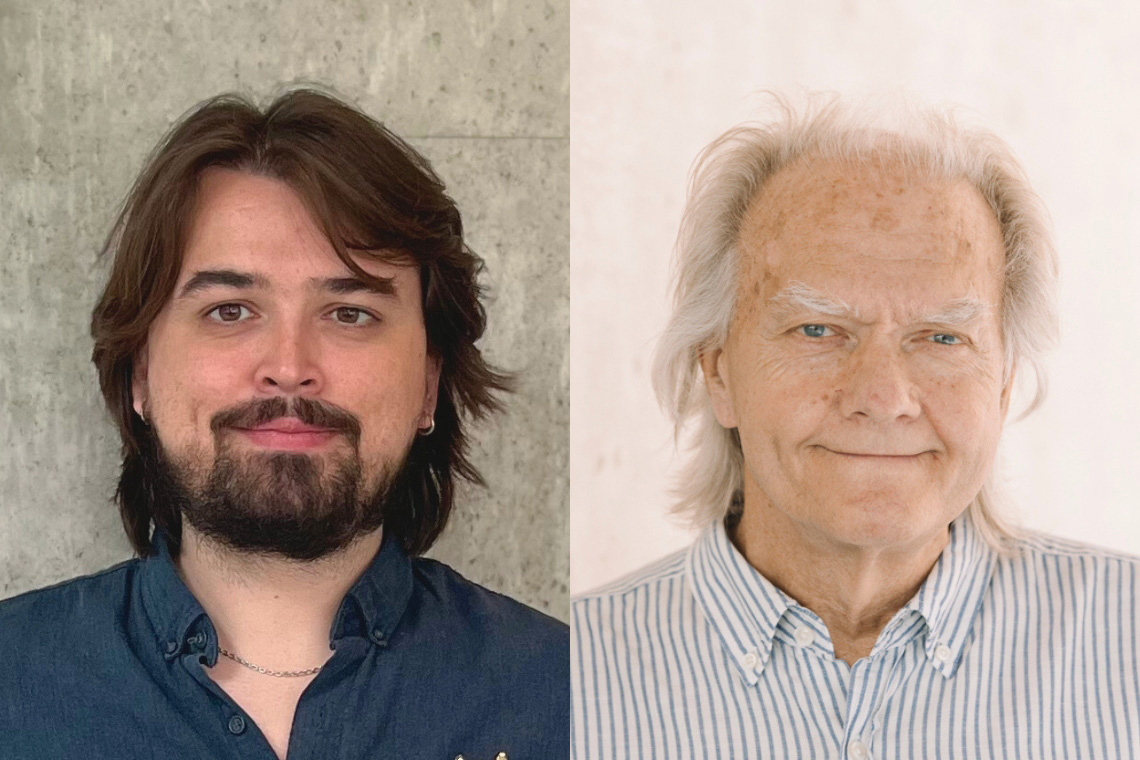
“We believed that most cases of cell reprogramming could be attributed to a rare, multi-potential stem cell that is found throughout the body and lays dormant within populations of mature cells,” said Justin Belair-Hickey, first author on the study and graduate student of U of T’s Donnelly Centre for Cellular and Biomolecular Research. “It was not fully understood why reprogramming tends to be an inefficient process. Our data explain this inefficiency by demonstrating that the neural crest stem cell is one of the few stem cells that can produce the desired reprogrammed cell type.”
The study was published recently in the journal Stem Cell Reports.
Genetic Predisposition of Neural Crest Stem Cells
Neural crest cells, which can be found below the hair follicle in the skin, are genetically predisposed to develop into neurons. This is not unexpected, as many cell types in the skin originate from the same location in the embryo as neurons: the ectodermal germ layer. The ectoderm is the outermost of the three layers of cells that form during embryonic development.
The team was driven to conduct this study through their own questioning of how experimental data from cellular reprogramming research is interpreted in terms of how flexible the identity of a cell is. This includes theories of how mature cells from one embryonic layer can be directly reprogrammed to mature cells of another embryonic layer, even though the three germ layers are separated by different developmental histories. They hypothesized that cellular reprogramming can only occur from a stem cell to a mature cell, where both come from the same germ layer.
Potential of Neural Crest Stem Cells in Medicine
“I think claims about direct reprogramming are either overstated or based on inaccurate interpretations of the data,” said Belair-Hickey. “We set out to demonstrate that the identity of a cell is much more defined and stable than the field of cellular reprogramming has proposed. At first glance, it appears that we’ve found skin cells that can be reprogrammed into neurons, but what we’ve actually found are stem cells in the skin that are derived from the brain.”
Neural crest stem cells are found throughout the body, including in skin, bone and connective tissue. Their distribution throughout the body, ability to be reprogrammed into many types of cells and accessibility within the skin for collection makes them a high-potential candidate for stem cell transplantation to treat disease.
“Neural crest stem cells may have gone unnoticed by others studying cell reprogramming because, while they are widespread throughout the body, they are also rare,” said Derek van der Kooy, principal investigator on the study and professor of molecular genetics at the Donnelly Centre and U of T’s Temerty Faculty of Medicine. “As such, they may have been mistaken for mature cells of various types of tissue that could be reprogrammed into other cell types. I think what we’ve found is a unique group of stem cells that can be studied to understand the true potential of cell reprogramming.”
Reference: “Neural crest precursors from the skin are the primary source of directly reprogrammed neurons” by Justin J. Belair-Hickey, Ahmed Fahmy, Wenbo Zhang, Rifat S. Sajid, Brenda L.K. Coles, Michael W. Salter and Derek van der Kooy, 31 October 2024, Stem Cell Reports.
DOI: 10.1016/j.stemcr.2024.10.003
This research was supported by the Canadian Institutes of Health Research, the Krembil Foundation, and Medicine by Design.
Never miss a breakthrough: Join the SciTechDaily newsletter.
Follow us on Google and Google News.