

Roman Stoicism offers timeless guidance on achieving personal peace by understanding what we can control—our judgments and reactions.
Despite centuries passing, the teachings of Seneca, Epictetus, and Marcus Aurelius remain relevant, providing tools for cultivating virtue, rationality, and emotional resilience. Modern interpretations continue to popularize these ancient philosophies, demonstrating how Stoic wisdom can be applied to modern life’s challenges.
Rediscovering Stoic Wisdom
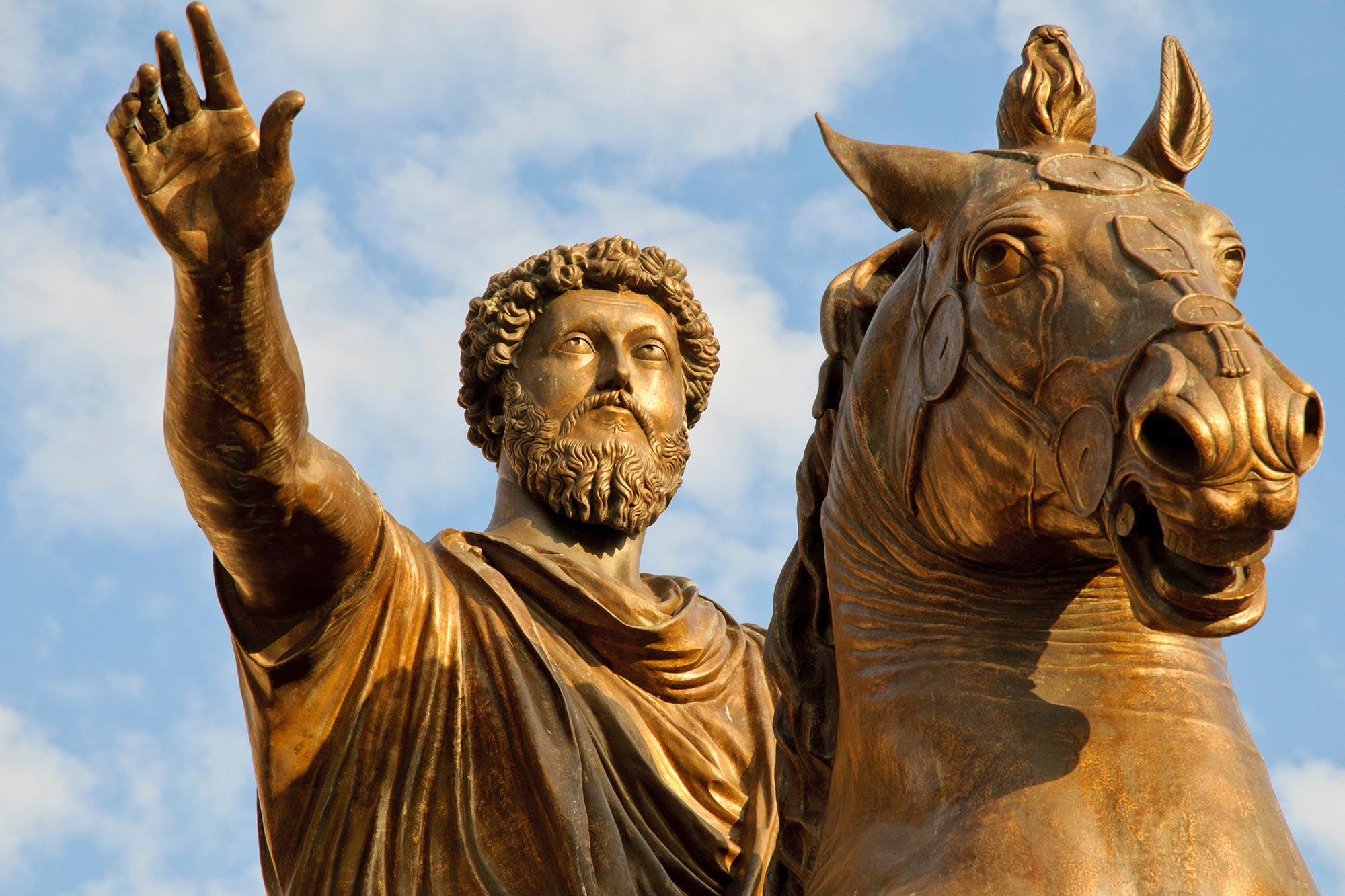
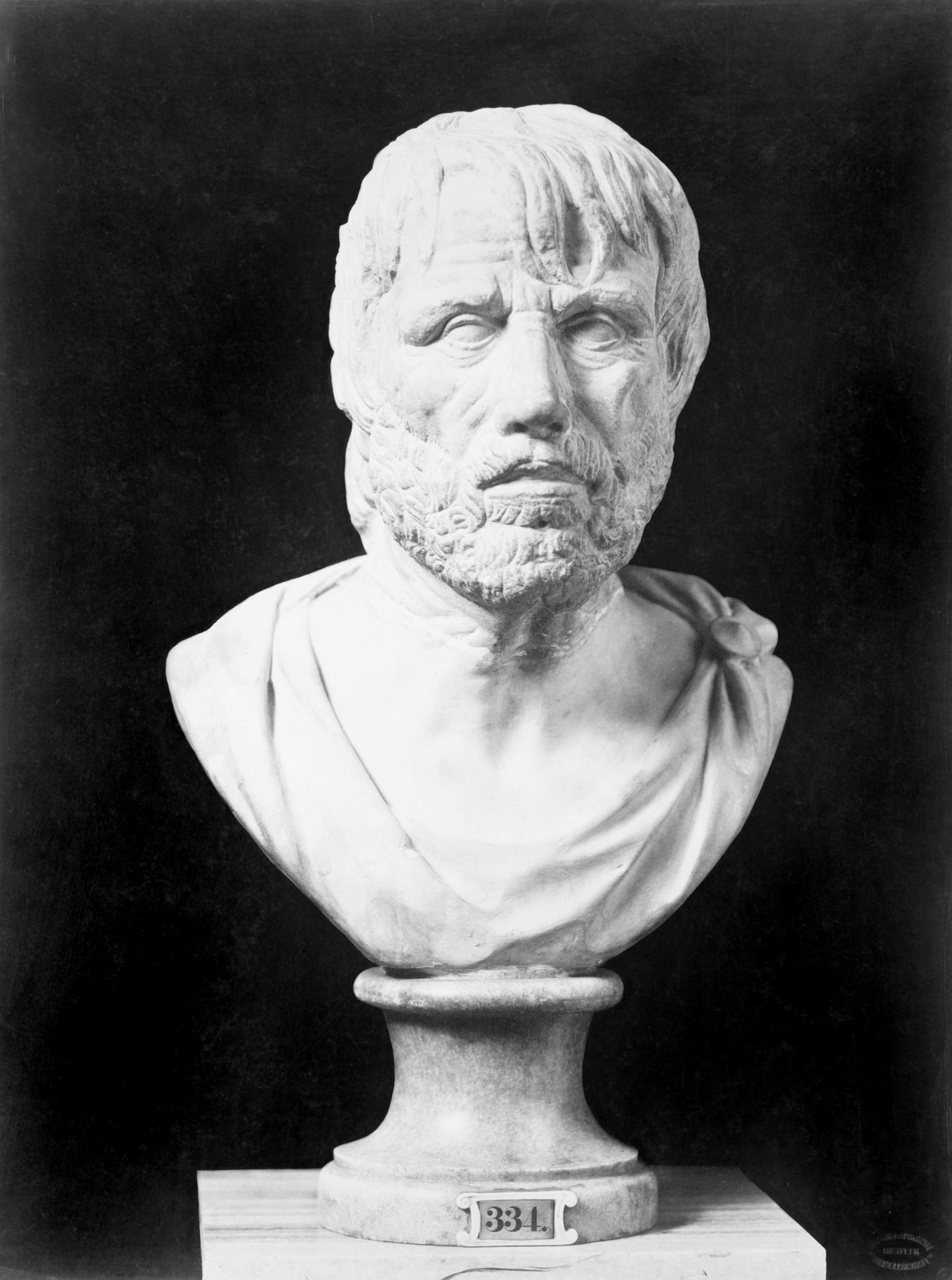
What have the Romans ever done for us? Well, obviously the roads – the roads go without saying. How about guidance on how to live in the 21st century? That seems less likely, but in fact recent years have seen a flurry of interest in the work of three Roman Stoic philosophers who offered just that. They were Seneca, tutor to the Emperor Nero; Epictetus, a former slave; and Marcus Aurelius, himself emperor.
Modern books drawing on their ideas and repackaged as guidance for how to live well today include A Guide to the Good Life by William Irvine, Stoicism and the Art of Happiness by Donald Robertson, The Daily Stoic by Ryan Holiday and Stephen Hanselman, and How to Be a Stoic by Massimo Pigliucci. What all these books share is the conviction that people can benefit by going back and looking at the ideas of these Roman Stoics. There’s even an annual week dedicated to Stoicism.
Stoicism’s Core Principles
Stoicism holds that the key to a good, happy life is the cultivation of an excellent mental state, which the Stoics identified with virtue and being rational. The ideal life is one that is in harmony with Nature, of which we are all part, and an attitude of calm indifference towards external events. It began in Greece, and was founded around 300 BC by Zeno, who used to teach at the site of the Painted Stoa in Athens, hence the name Stoicism. The works of the early Stoics are for the most part lost, so it is the Roman Stoics who have been most influential over the centuries, and continue to be today.
So, what were the ideas? Two foundational principles can both be found in the Handbook, a short work summarizing the ideas of Epictetus. The first is that some things are within our control and some are not, and that much of our unhappiness is caused by thinking that we can control things that, in fact, we can’t.
Controlling Our Thoughts
What can we control? Epictetus argues that we actually control very little. We don’t control what happens to us, we can’t control what the people around us say or do, and we can’t even fully control our own bodies, which get damaged and sick and ultimately die without regard for our preferences. The only thing that we really control is how we think about things, and the judgments we make about things.
This leads us to the second foundational principle from Epictetus: it’s not things that upset us, but how we think about things. Stuff happens. We then make judgments about what happens. If we judge that something really bad has happened, then we might get upset, sad, or angry, depending on what it is. If we judge that something bad is likely to happen then we might get scared or fearful. All these emotions are the product of the judgments we make. Things in themselves are value neutral, for what might seem terrible to us might be a matter of indifference to someone else, or even welcomed by others. It’s the judgments we make that introduce value into the picture, and it’s those value judgments that generate our emotional responses.
The good Stoic news is that these value judgments are the one thing over which we have complete control. Things happen, none of which are inherently good or bad, and it’s within our power to decide how we value them. The paradox of Stoicism, as Epictetus formulates it, is that we have almost no control over anything, yet at the same time we have potentially complete control over our happiness.
Challenges and Stoic Responses
At first glance, this might seem to understate the very real challenges that people face in their daily lives. How can just thinking differently help someone who is struggling to put food on their table, for instance? The Stoics didn’t shy away from this. They fully acknowledged that life can be hard sometimes.
Seneca knew this all too well: he suffered exile, multiple bereavements, and was ultimately forced to commit suicide by Nero. He also knew that it was all too easy to say “I’m not going to let these external things disturb me” but quite another to follow through and not be disturbed oneself.
Daily Stoic Practices
So the Stoics developed a whole series of practical exercises designed to help train people to incorporate Stoic ideas into their daily lives. Seneca recommended taking stock at the end of each day, noting when you become irritated by something trivial, or act angrily in response to someone who perhaps didn’t deserve it, and so on. By noting his mistakes, he hoped to do better the next day.
Marcus Aurelius had another strategy, reminding himself each morning that he was probably going to encounter a lot of angry, stressed, impatient, ungrateful people during the coming day. By reflecting on this in advance, the hope was that he would be less likely to respond in kind. But he also reflected on the fact that none of these people would be like this intentionally. They were the victims of their own mistaken judgments.
Here we get another paradox: no one chooses to be unhappy, stressed, angry, or miserable, and yet these are in fact all the product of our judgments, the one thing within our control.
Stoic Perspective on Life’s Significance
Another Stoic strategy is to remind ourselves of our relative unimportance. The world does not revolve around us. Aurelius regularly reflected in his Meditations on the vastness of the universe and the infinity of time stretching into the past and future, in order to put his own short life into wider context.
Our lives are but moments when placed within this cosmic perspective. Given this, why should we expect the universe to deliver whatever it is that we might happen to want? On the contrary, it would be absurd to expect it to conform to our will.
As Epictetus put it, if you expect the universe to deliver what you want, you are going to be disappointed, but if you embrace whatever the universe gives, then life will be a whole lot smoother. Again, this is easier said than done, but more and more people are taking note of this Stoic advice and working hard to incorporate it into their daily lives.
Written by John Sellars, Lecturer in Philosophy, Royal Holloway University of London.
Adapted from an article originally published in The Conversation.
Never miss a breakthrough: Join the SciTechDaily newsletter.
Follow us on Google and Google News.
5 Comments
So, seek not the truth. Knock on no doors of discernment. Depend upon what ancient guruhs said instead of seeking the truth .
Bogus substitution of Freud, Kant, Fischer, Schelling. Instead of God’s
Word for man.
What god are you talking about? So many have been invented so far it’s hard to follow
Your response hardly makes sense. Are you implying that we should fall back on the Christian Bible, which arguably, is the worst example for morality? The ancient Stoics taught peaceful and logical approaches to navigating life’s situations. I will definitely choose the Stoic’s methodology for making rational decisions in the most peaceful ways possible over listening to anyone who thinks that the Christian Bible is somehow even a decent, moral, authoritative book. The Bible is filled with examples of a vengeful God who allegedly created the cosmos yet made people who he knew (in advance) would sin and break his rules, thus leading him to pronounce insane and unjust punishments and judgments for the very people he ‘created.’ My choice is to follow the peaceful and logical processes of the ancient Stoics, even if they were not perfect.
Sounds like Buddhism, too.
My mother bought a collection of Western classic literature when I was 13, and I read them all within a year. At a tender age, I identified as a stoic. My co-workers admired that criticism, harassment, and abuse directed toward me rolled off my back like water rolled off a duck’s back, quack quack. It has its limitations, however, as Seneca still had to kill himself.