
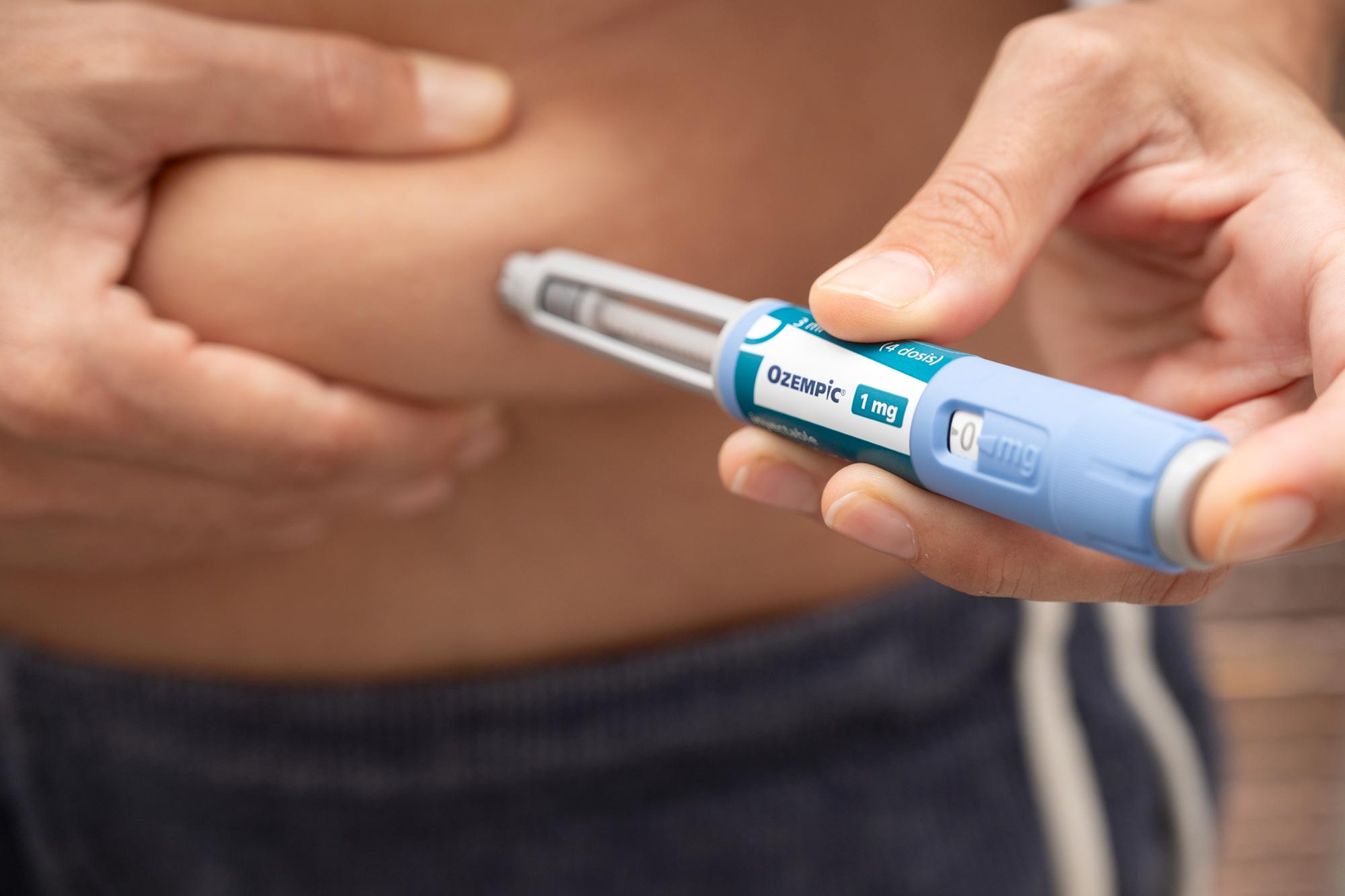
Ozempic and similar peptide-based drugs generate millions of pounds of hazardous waste each year. A new water-based approach is now being developed to reduce that impact.
Ozempic helped turn peptide drugs into a pharmaceutical juggernaut. Now scientists are asking a tougher question: what is the environmental cost of making them?
Peptides, short chains of amino acids that form the building blocks of proteins, are behind some of today’s most in-demand medicines. They power blockbuster weight-loss drugs, cancer therapies, and treatments for metabolic and rare diseases. Their use also extends into agriculture, veterinary care, and cosmetics.
That success has driven rapid growth. Peptide therapeutics were worth more than $50 billion globally in 2023 and are expected to exceed $70 billion by 2030. Much of that rise comes from GLP-1 receptor agonists such as Ozempic and similar drugs.
But behind the boom is a largely hidden problem. Many peptide drugs are made using processes that generate massive amounts of toxic waste.
For decades, manufacturers have relied on solid-phase peptide synthesis (SPPS). In this method, amino acids are added one by one to a solid support, typically polystyrene beads. It is efficient and scalable, but every step requires repeated chemical reactions and washes using large volumes of organic solvents.
One of the most common is dimethylformamide (DMF), an industrial solvent also found in products like paint strippers. It is effective, but difficult and costly to dispose of, and subject to growing regulatory pressure. The plastic supports used in the process add another layer of nondegradable waste.
The Scale of the Problem
Producing just 1 kilogram (2.2 pounds) of a GLP-1 drug can require up to 30,000 pounds of toxic solvent. By comparison, a typical small-molecule drug uses about 650 pounds of solvent per pound of product. With annual semaglutide production nearing 8,800 pounds, this single class of drugs may generate at least 120 million pounds of solvent waste each year.
That imbalance prompted researchers at the University of Melbourne, working with Dr Don Wellings of SpheriTech Ltd in the UK, to look for an alternative. Their goal was to replace toxic solvents with water.
Key ingredients known as Fmoc-protected amino acids do not dissolve in water, which has long prevented water-based synthesis.
The team found a workaround by pairing these amino acids with specific salts, allowing them to dissolve at high concentrations while remaining chemically active. They also developed a water-compatible activating agent and replaced traditional plastic supports with a biodegradable, water-attracting material.
A Water-Based Breakthrough
The result is a method that can carry out peptide synthesis entirely in water.
With input from Nobel Prize-winning chemist Professor Morten Meldal, the researchers refined the process and demonstrated it by producing three complex peptides. The new approach matched or exceeded traditional methods in yield and purity, while eliminating DMF.
Cleaner production could reduce costs, improve safety, and help drugmakers meet tightening environmental regulations. It also matters as demand continues to climb and cheaper versions of GLP-1 drugs could expand use even further.
Researchers are now working to scale the method and adapt it for automated systems. If successful, it could reshape how peptide drugs are made, cutting waste while keeping pace with one of the fastest-growing areas of modern medicine.
Reference: “Water-based coupling of amino acids for sustainable solid-phase peptide synthesis” by Donald A. Wellings, Joshua Greenwood, Ian Thomas, Colin Hughes, Wenyi Li, Feng Lin, Mohammed Akhter Hossain, Arianna Lanza, Morten Meldal and John D. Wade, 3 February 2026, Nature Sustainability.
DOI: 10.1038/s41893-025-01761-z
Never miss a breakthrough: Join the SciTechDaily newsletter.
Follow us on Google and Google News.
2 Comments
Also creating a misconception… you need to exercise and good diet… not just meds
That is fine if your body works. Some of us have mobility problems due car accidents, etc