
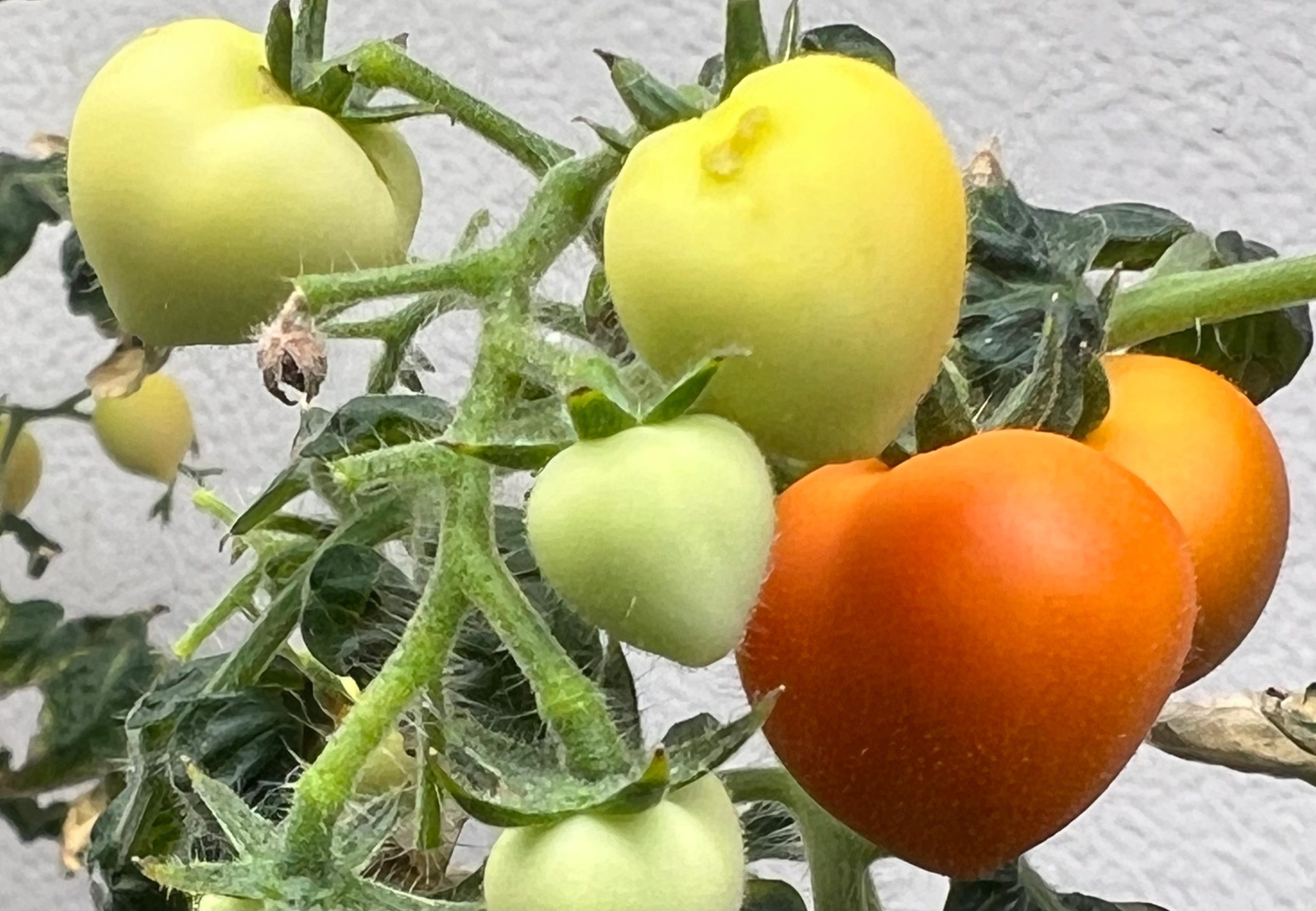
Scientists discovered that crops exposed to trace pharmaceuticals in recycled water mostly stash the compounds in their leaves—not the parts we usually eat.
In regions where freshwater supplies are limited, farmers sometimes rely on treated wastewater to irrigate crops. This practice helps conserve scarce water resources, but it also raises concerns among regulators and consumers. Wastewater can contain trace amounts of various chemicals, including psychoactive medications commonly prescribed for mental health conditions.
New research from Johns Hopkins University suggests that certain crops, including tomatoes, carrots, and lettuce, tend to store these compounds mainly in their leaves. That finding may offer some reassurance for people who eat tomatoes and carrots, since the edible portions of those plants are the fruit and roots rather than the leaves.
The study, published today (March 12) in Environmental Science and Technology, is part of an ongoing effort to evaluate whether using municipal wastewater for agriculture can be done safely. In most cases, this water has already passed through treatment facilities before being reused for irrigation.
“Farming practices place a high demand on freshwater resources. With limited rainfall and droughts threatening global water supplies, we’re looking at a future with shortages that may only be met by repurposing treated wastewater,” said Daniella Sanchez, a doctoral student at Johns Hopkins University and lead author of the study. “To continue to use wastewater safely, we need a more sophisticated understanding of where and how crop species metabolize, or break down, agents in the water.”
Tracking Pharmaceutical Drugs Inside Plants
Sanchez focused on four psychoactive medications frequently detected in treated wastewater: carbamazepine, lamotrigine, amitriptyline, and fluoxetine. These drugs are used to treat conditions such as depression, bipolar disorder, and seizures.
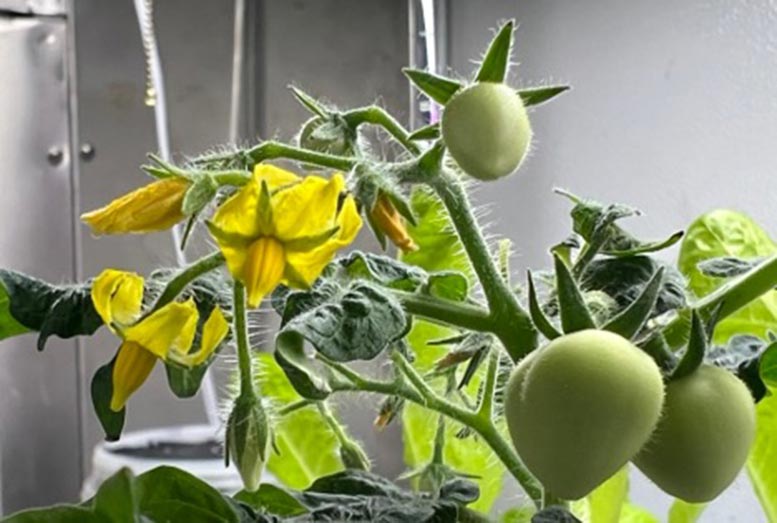
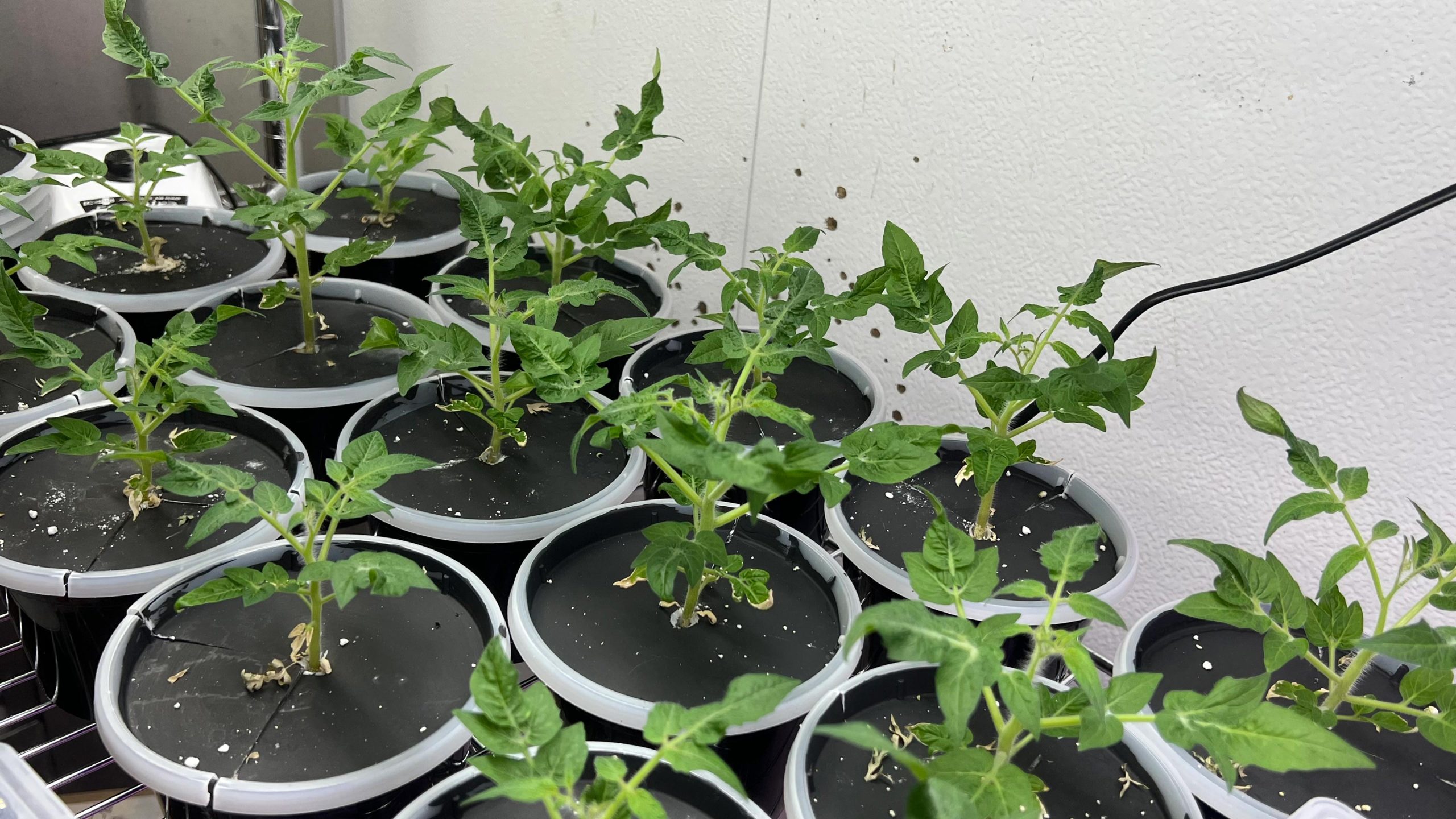
To investigate how crops handle these compounds, the researchers grew tomatoes, carrots, and lettuce in a temperature-controlled chamber. Each plant received a nutrient solution containing ultrapure water, salts, nutrients, and one of the medications. The experiment ran for up to 45 days.
The team then collected samples from different plant tissues and analyzed them using advanced chemical techniques. Their goal was to determine how the drugs enter plant systems, how plants transform them into byproducts, and where these substances ultimately accumulate.
Drug Compounds Mostly Gather in Leaves
The results showed that pharmaceuticals and their breakdown products largely build up in leaves. Tomato leaves contained more than 200 times the concentration of pharmaceuticals found in tomato fruits. Carrot leaves held about seven times the levels detected in the edible carrot roots.
The researchers emphasized that these measurements should not be interpreted as a health warning. Instead, they provide insight into how plants distribute chemicals that enter through irrigation water.
How Water Carries Chemicals Through Plants
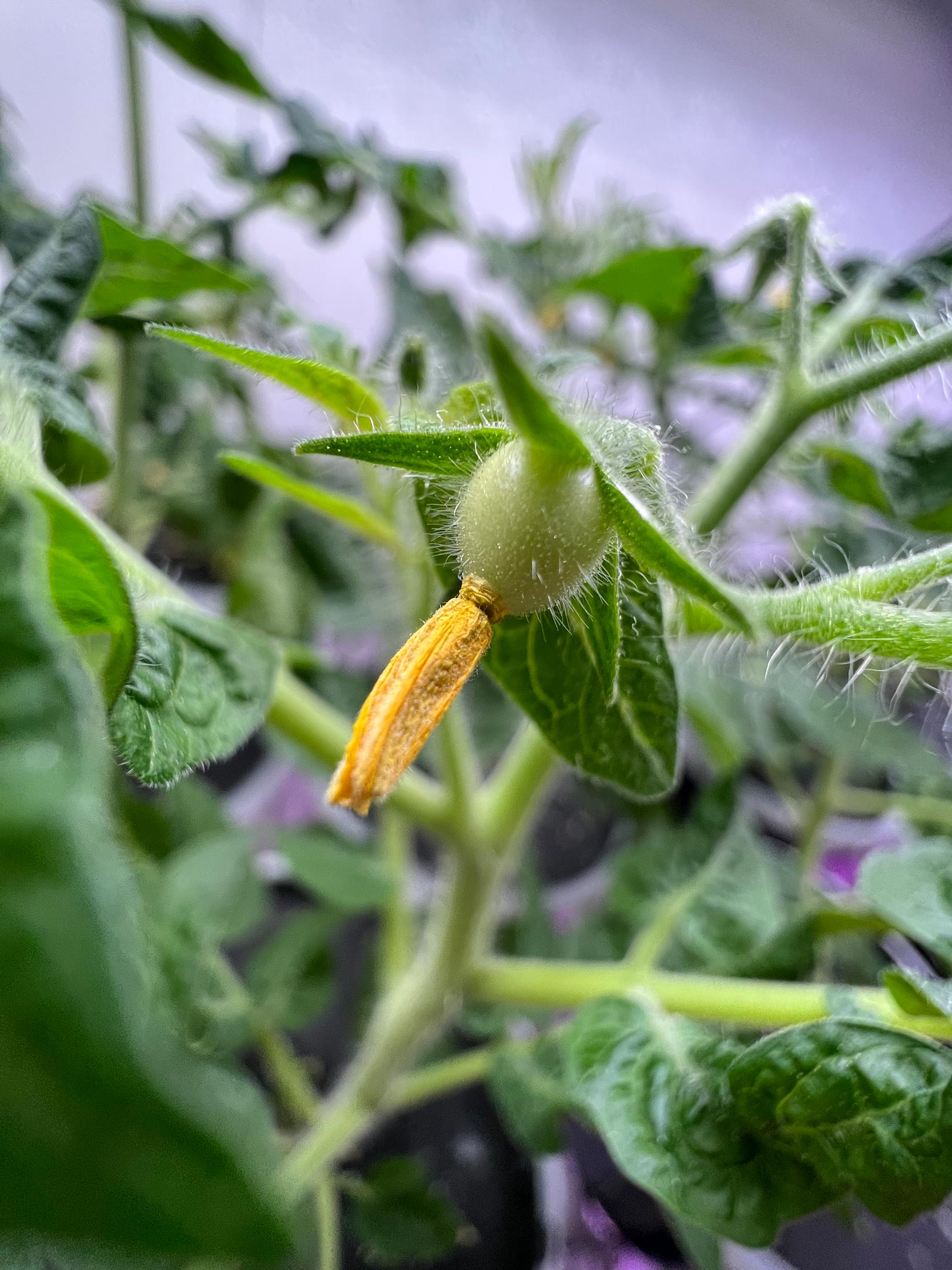
According to the research team, water moving through the plant likely drives this process. Water transports nutrients and other molecules from the roots through the plant and into the leaves. As this flow occurs, pharmaceutical compounds travel along with it.
When water reaches the leaves, some of it evaporates through tiny openings called stomata. As the water leaves the plant, the remaining drug compounds are left behind in the leaf tissue.
“Plants don’t have a well-developed mechanism to excrete these drug compounds. They can’t easily get rid of waste by peeing, like humans do,” Sanchez said.
Why Plants Hold Onto These Chemicals
Instead of removing these compounds, plants tend to store them inside their tissues. The chemicals may become embedded in leaf cell walls or placed inside structures known as vacuoles, which function like storagne compartments for cellular waste.
Over time, the pharmaceuticals and their byproducts can accumulate in these tissues because the plant has limited ways to remove them.
Different Drugs Behave Differently in Crops
The study also found that plants process some medications differently from others. For example, the epilepsy drug lamotrigine and its byproducts appeared at relatively low levels across all plant tissues.
Carbamazepine behaved differently. It accumulated at higher levels throughout the plants, including the edible carrot roots, tomato fruits, and lettuce leaves.
Understanding these differences may help regulators evaluate possible health risks in the future. Knowing which drugs are more likely to appear in edible plant parts could guide future monitoring and safety assessments.
Why the Findings Matter for Future Regulations
“Just because these medications are commonly found in treated wastewater doesn’t mean they’ll have any meaningful impact on the plant or plant consumer,” said co-author Carsten Prasse, an associate professor of environmental health and engineering at Johns Hopkins who studies environmental contaminants and wastewater.
Prasse added that research like this highlights the need to examine not only the original pharmaceuticals but also the chemical byproducts formed when plants process them. “Hopefully, this research will help in identifying which compounds should be assessed in more detail in order to support potential future regulations,” Prasse said.
Reference: “Accumulation and Metabolism of Wastewater-Derived Psychoactive Pharmaceuticals in Edible Crop Plants” by Daniella A. H. Sanchez and Carsten Prasse, 12 March 2026, Environmental Science & Technology.
DOI: 10.1021/acs.est.5c14903
Never miss a breakthrough: Join the SciTechDaily newsletter.
Follow us on Google and Google News.
4 Comments
And the lettuce!?
I don’t fully get the meaning of this maybe you can g8ve more explanation
Heavens sake NO….just no. Already have a pfoas problem now they want to add this?
Flawed study. The drugs are broken down in the human body. Then diluted to 1 in 10 trillion or less in groundwater if the sewerage escapes. Plants storing stuff they don’t use in leaves has been known for 100 years.