

Scientists discovered that river otter droppings contain large numbers of parasites that infect the animals’ prey, indicating that otters may play a significant role in shaping local food webs.
North American river otters have long inhabited Chesapeake Bay, but scientists still know relatively little about how the environment shapes their daily lives.
What do these otters eat along the Atlantic coast of the United States? Where do they gather, rest, and leave their droppings? To answer these questions, researchers in Maryland examined otter behavior and diet, publishing their results in Frontiers in Mammal Science.
“River otters in the Chesapeake Bay eat a wide range of animals, including those that live in the water and on land. Parasites, too, are crucial parts of their diet,” said senior author Dr Katrina Lohan, a parasite ecologist and head of the Coastal Disease Ecology Laboratory at the Smithsonian Environmental Research Center (SERC). “We also found that river otters use manmade structures for latrines or choose areas with specific characteristics.”
Poo on the dock of the bay
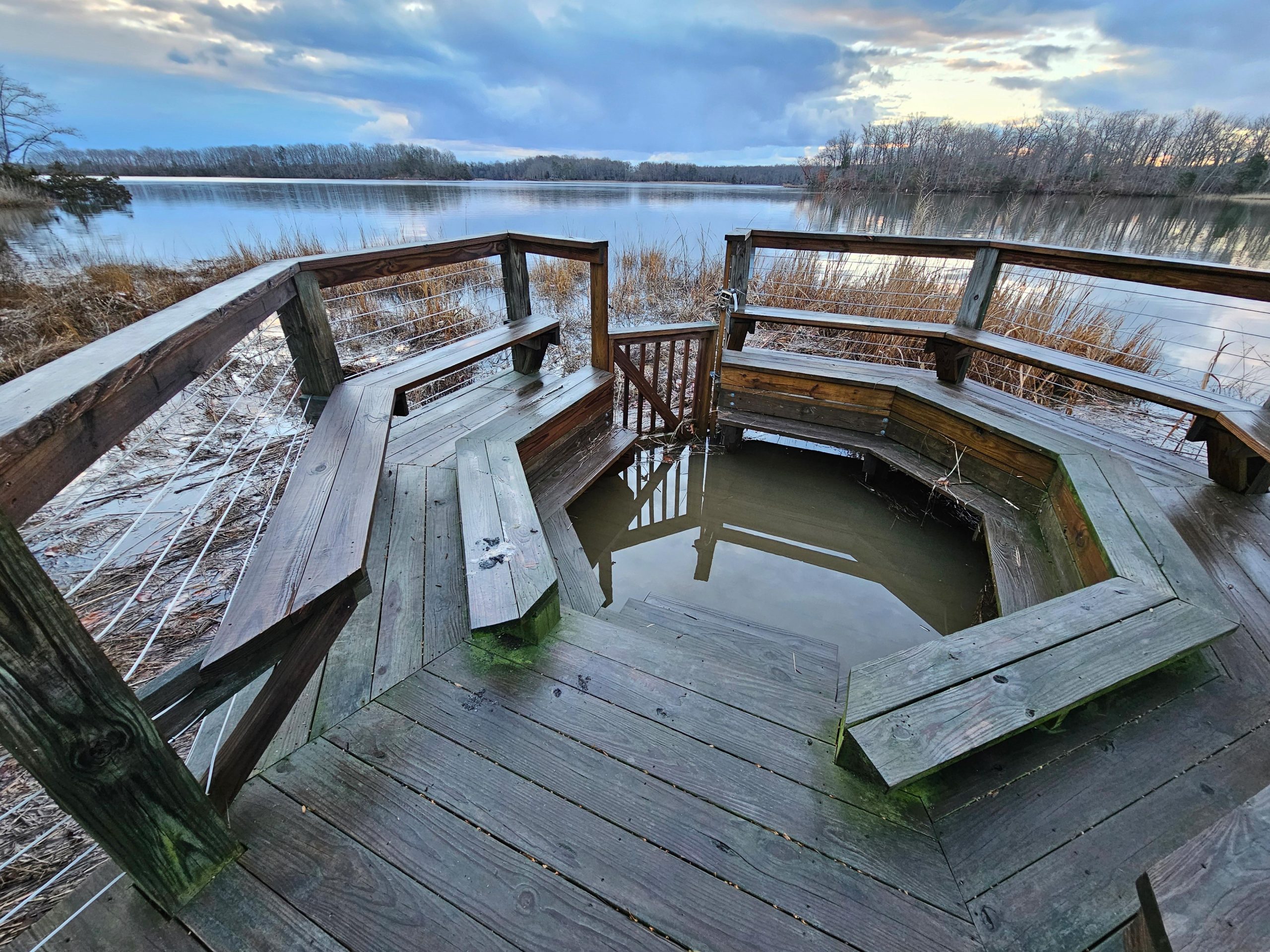
“We started this research when a colleague sent me an email about some weird-looking, watery poo that she found at the dock on our campus. In the poo was a fire engine red worm,” Lohan said.
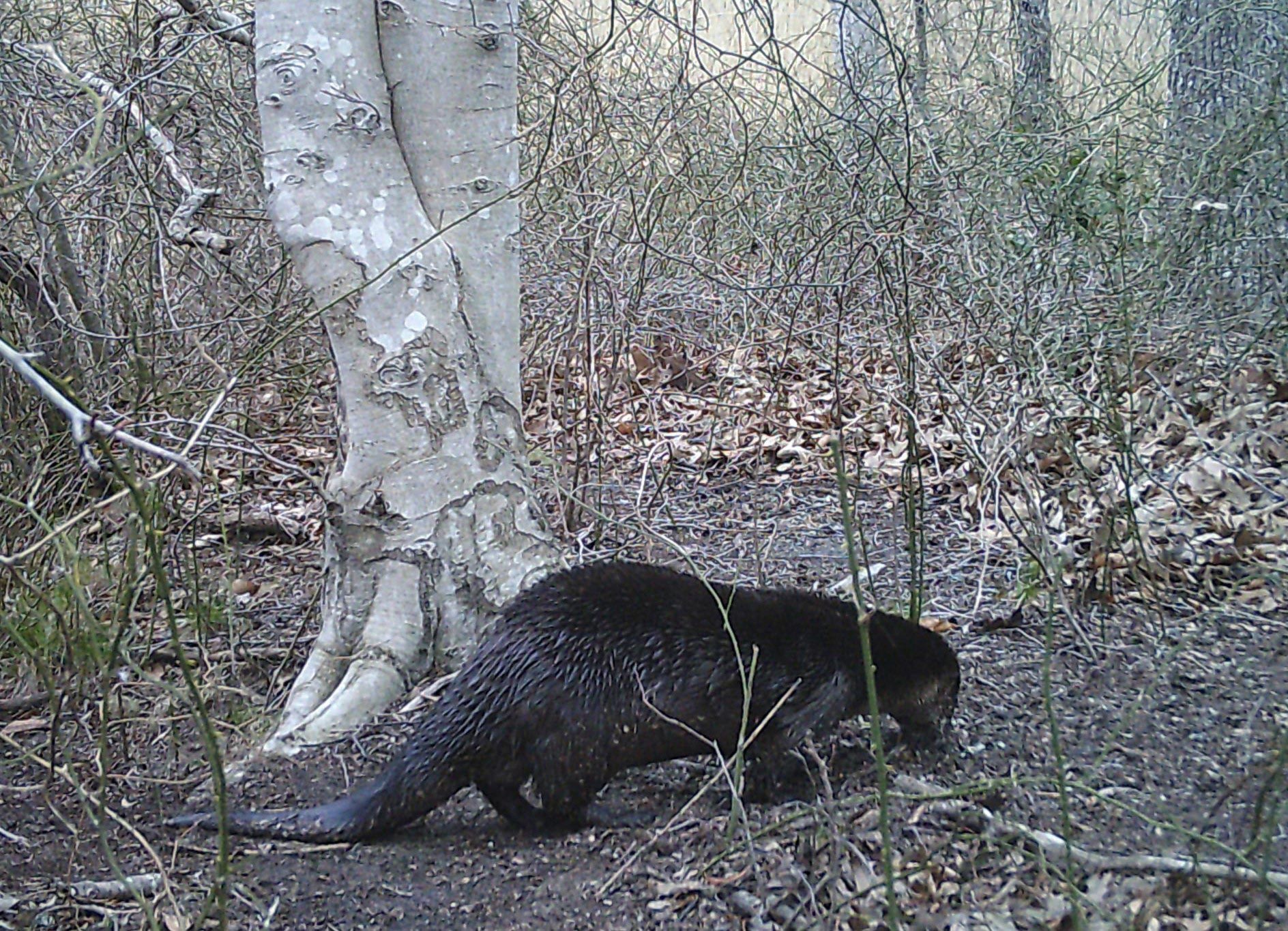
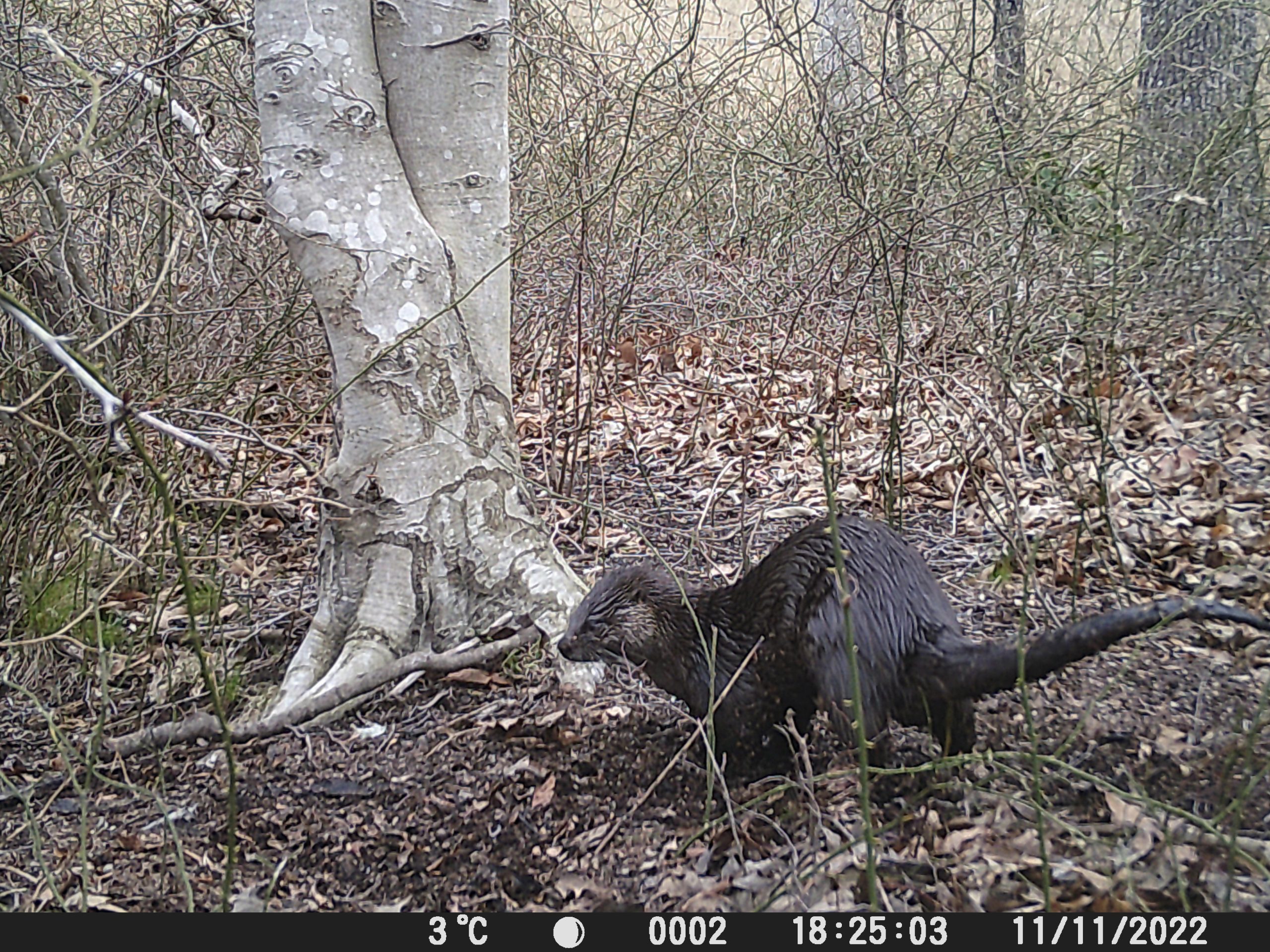
Eventually, wildlife cameras caught a river otter pooing on the dock. Since the worm was most likely a parasite, Lohan decided to get some samples. The article’s first author Calli Wise, a graduate researcher at the SERC, collected further samples from 18 active otter latrines. Over 11 months, the researchers recovered 28 scats per latrine on average.
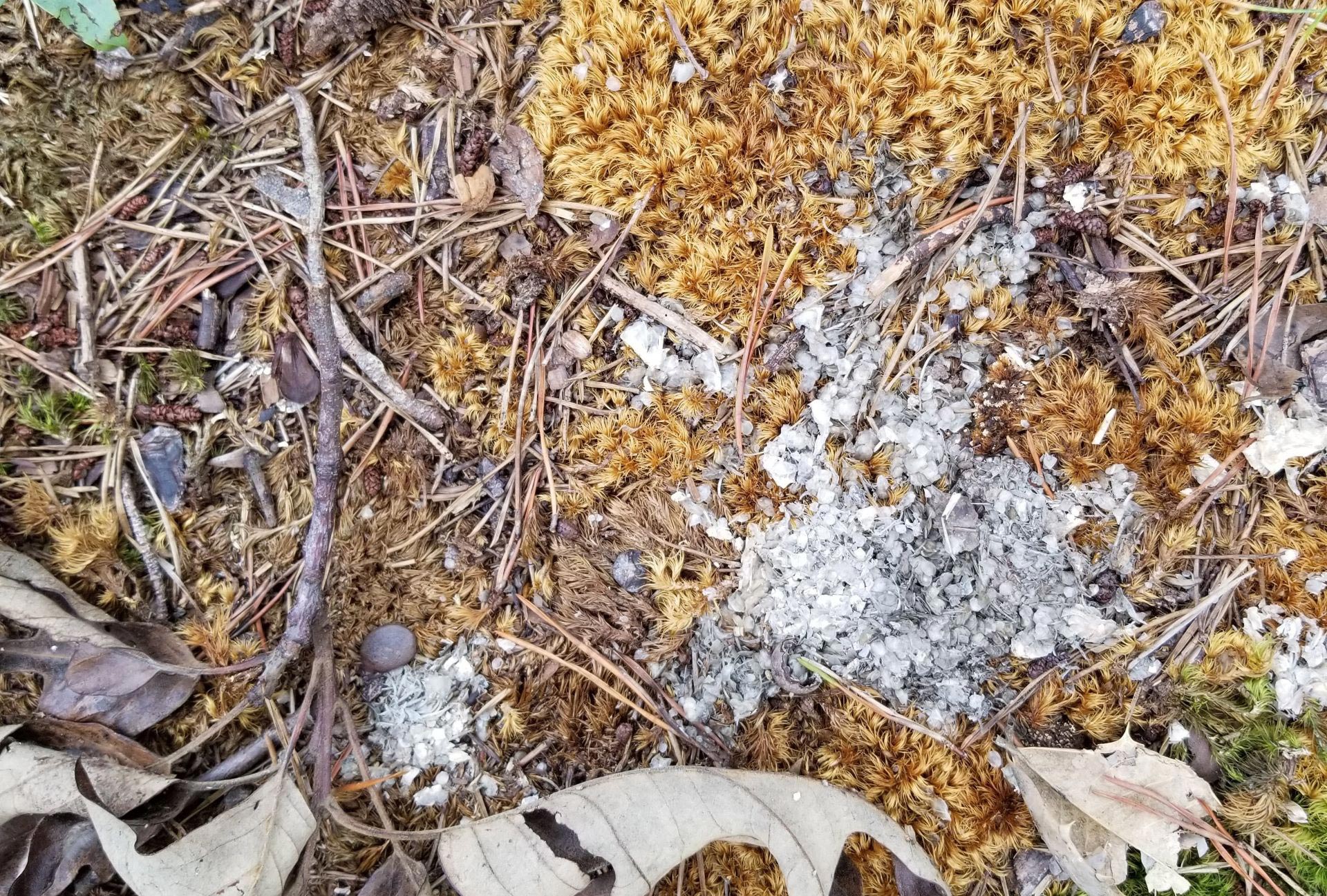
“Scats usually smelled strongly of fish and were full of scales or crustacean shells,” Wise said. “We wore gloves and used sterile tools and tubes to collect scat samples, to avoid contamination with other DNA.”
For river otters, latrines serve as much more than places to defecate. They function as key gathering spots used for scent marking through urine and feces, as well as for eating, playing, social interaction, and resting. These areas are often recognizable by flattened vegetation and low overhanging plants that provide cover.
Along Chesapeake Bay, most latrines were found near the shoreline, typically in locations with woody debris and easy access to water. Many were also associated with obvious landscape features, including human-made structures. In fact, five latrines were located directly on docks, boardwalks, or shoreline staircases.
Parasite control
Once collected, the scat samples were taken back to the laboratory for detailed analysis. To determine what the otters had been eating, the researchers used two approaches: metabarcoding, which relies on genetic data, and traditional examination under a microscope.
“We collected most scats in the summer, when river otter diet is likely diverse,” Wise said. “We found evidence of invasive species like common carp and white river crayfish in river otters’ diet.” In addition, otters ate more fish and crustaceans, such as American blue crabs. They also included the occasional duck or amphibian on their meal plan.
Otter poo, however, didn’t only tell the researchers what the otters had eaten. Using metabarcoding, they were able to determine what parasites were in the prey. They then matched parasites to the hosts they were most likely to infect.
Many of the parasites are known to infect teleost fish, an extremely diverse group of ray-finned fishes that are the primary prey of river otters, but a few other parasites likely infected otters directly. “It is possible that river otters, like other top predators, wouldn’t be able to find enough food to eat without parasites,” Lohan pointed out.
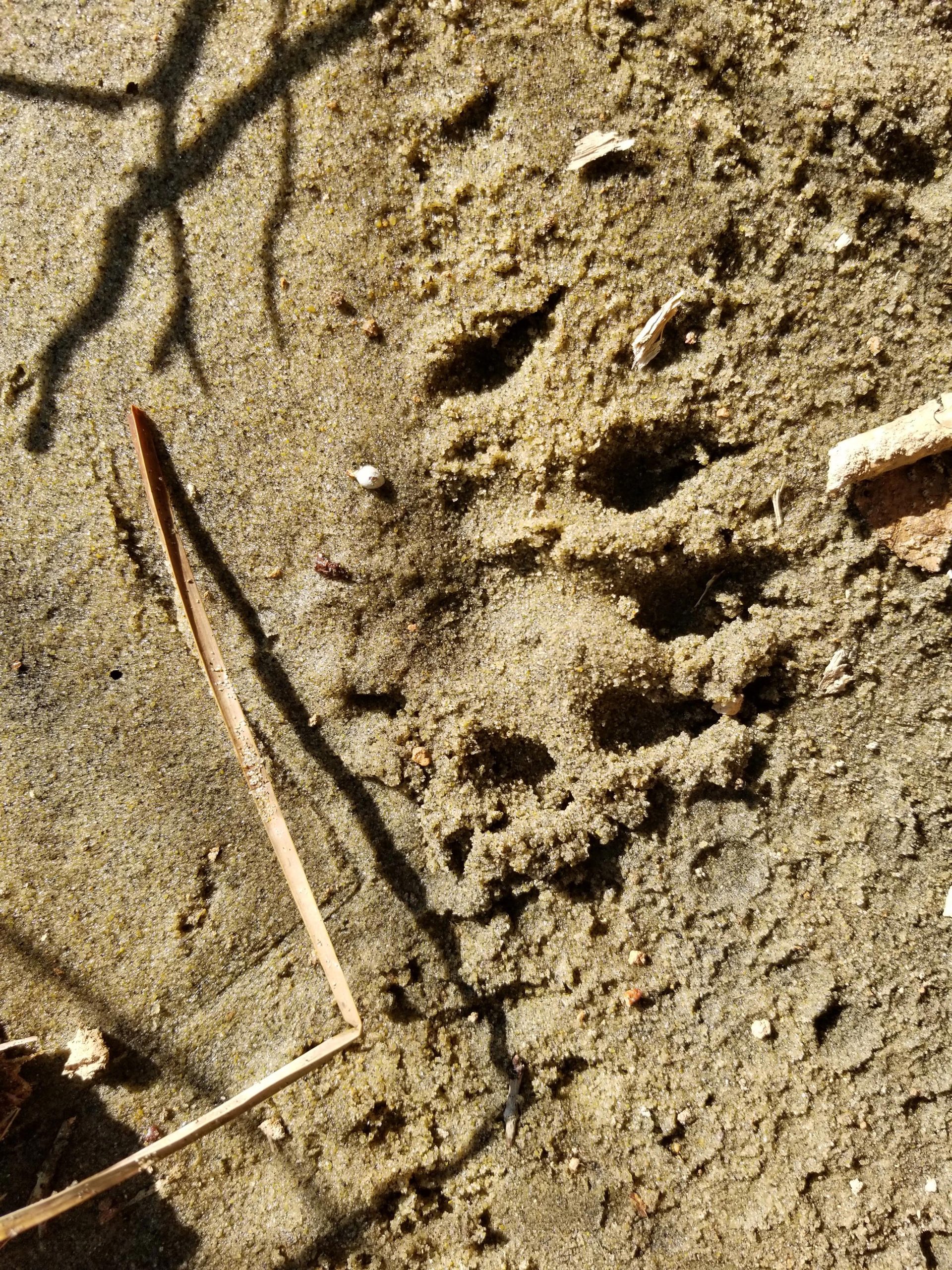
The team said that they weren’t able to clearly identify all parasites, mainly because of missing sequences in databases that new sequences might be matched to. They also could not identify individual diets or match poo samples to individual otters.
Nevertheless, the presence of parasites in otter poo might mean river otters are important ecosystem engineers. “Since so many of the parasites are actually infecting otters’ prey, it could mean that river otters are culling sick individuals from the populations they are preying upon,” Lohan explained. This could potentially alter evolutionary processes for their prey, since infected individuals, once eaten, no longer contribute to the gene pool.
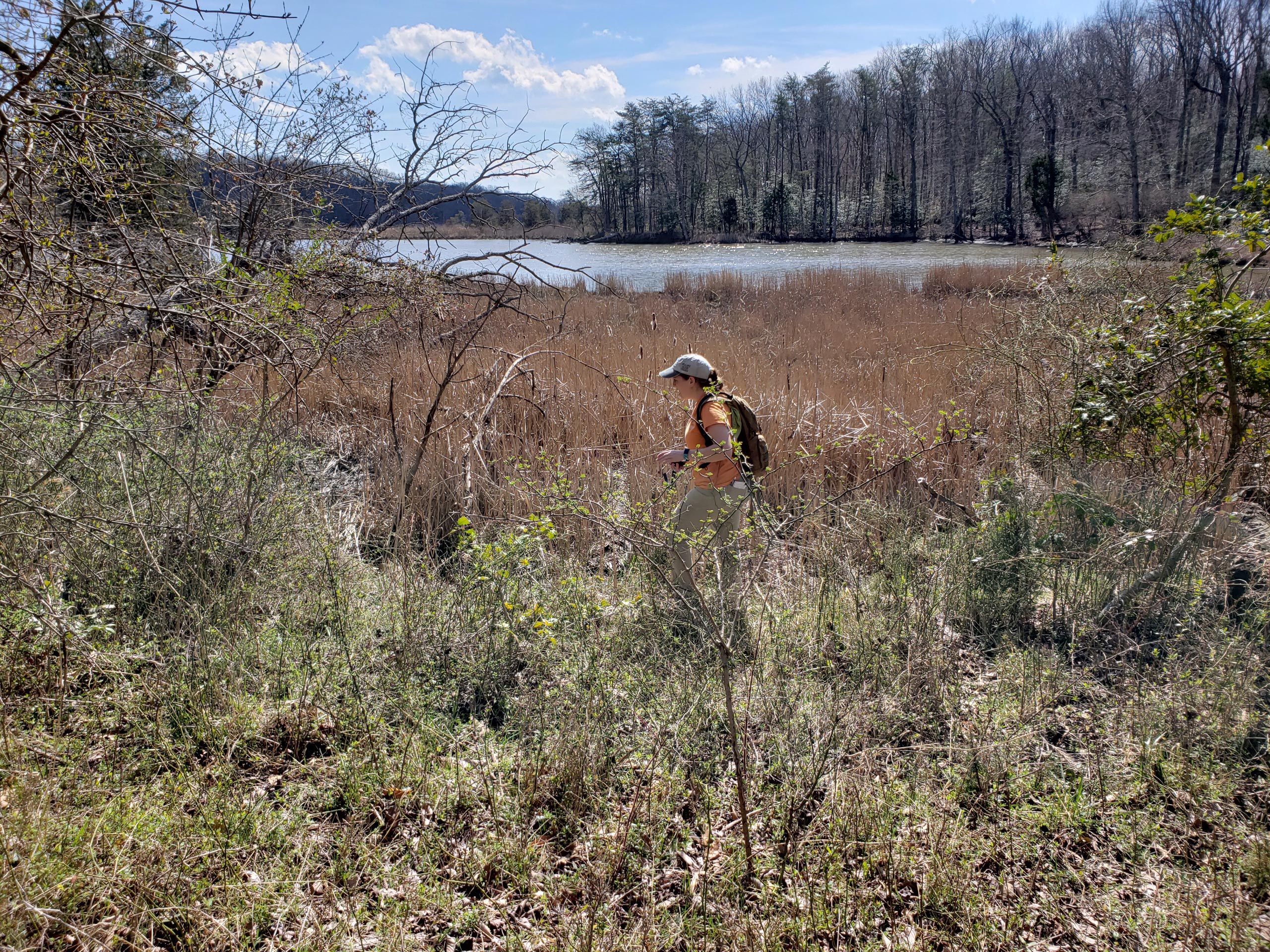
“Some of the parasites that infect river otters could potentially also infect humans, who also are mammals,” Lohan concluded. “Thus, we could use river otters as ‘disease sentinels,’ and study them to learn about what public health threats occur in certain areas.”
Reference: “North American river otters consume diverse prey and parasites in a subestuary of the Chesapeake Bay” by Calli M. Wise, Thomas L. Serfass, Emma M. Palmer, Leone Yisrael, Karson Burton-Reeder and Katrina M. Pagenkopp Lohan, 13 August 2025, Frontiers in Mammal Science.
DOI: 10.3389/fmamm.2025.1620318
C. Wise received funding through a Smithsonian Graduate Fellowship and Frostburg State University. This project was also funded by Hunterdon funds from the Smithsonian Institution to KMP Lohan.
Never miss a breakthrough: Join the SciTechDaily newsletter.
Follow us on Google and Google News.