

Spicy food consumption varies greatly in tolerance and preference, with its health impacts under constant scrutiny by scientists.
While some find pleasure in the heat, which activates pain pathways that release endorphins, others suffer from immediate discomfort or worse health effects. Recent incidents and studies highlight the mixed evidence regarding spicy foods’ role in chronic health conditions and overall mortality, suggesting both potential benefits and risks.
Spicy Foods and Health
People have different levels of tolerance for spicy food — some enjoy the intense heat, while others find it unbearable. When it comes to how spicy food affects health, scientific findings remain mixed, with evidence pointing to both potential benefits and risks.
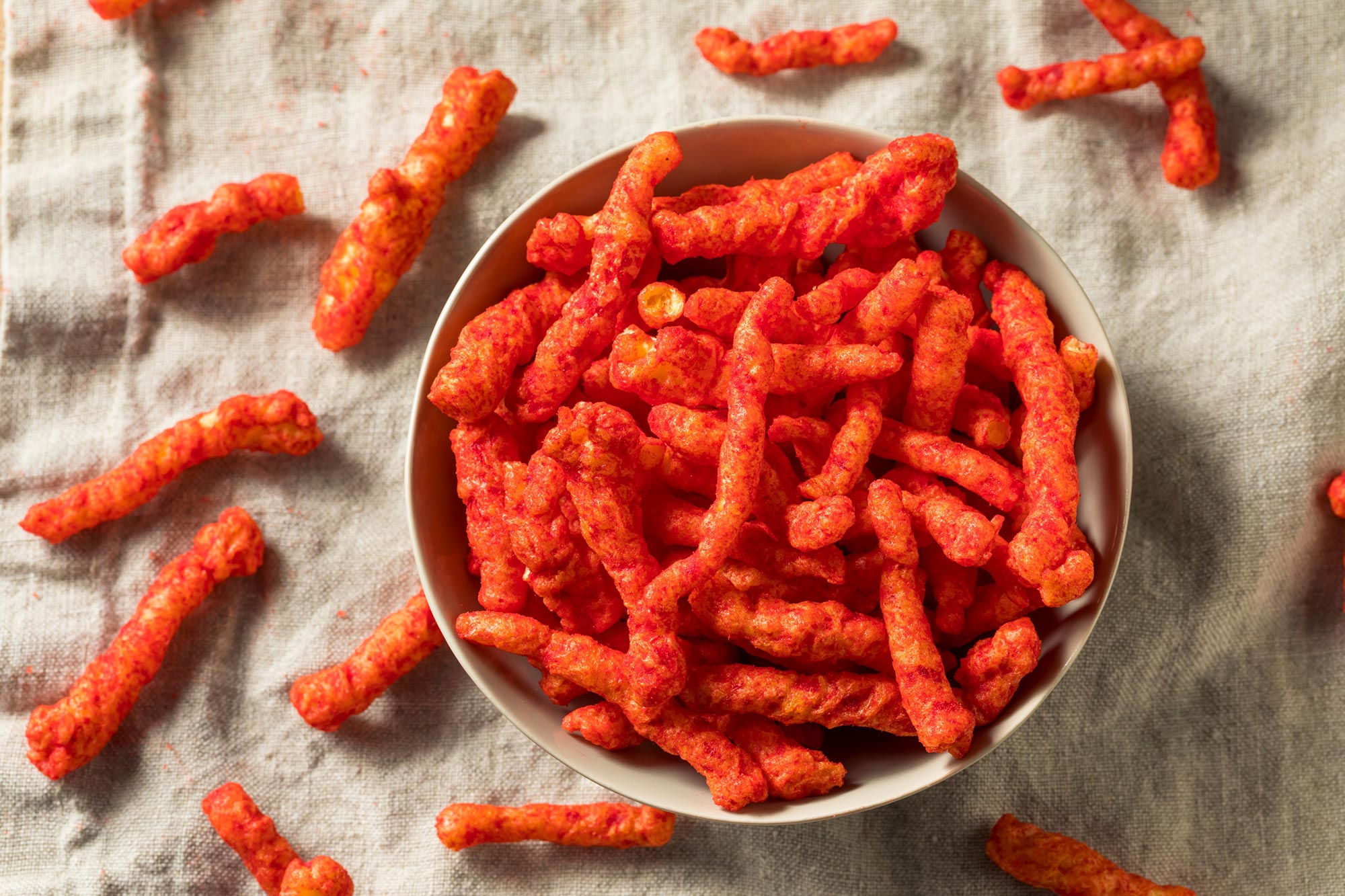
In September 2023, a 14-year-old boy tragically died after eating a pepper-laden chip during the viral “One Chip Challenge.” This challenge features the Paqui One Chip, made with Carolina Reaper and Naga Viper peppers — two of the hottest peppers in the world.
While health officials were still investigating the exact cause of the boy’s death, the incident prompted some retailers to pull the spicy chips used in the challenge from their shelves.
The Appeal and Biological Effects of Spicy Foods
As an epidemiologist, I’m interested in how spicy food can affect people’s health and potentially worsen symptoms associated with chronic diseases like inflammatory bowel disease. I am also interested in how diet, including spicy foods, can increase or decrease a person’s lifespan.
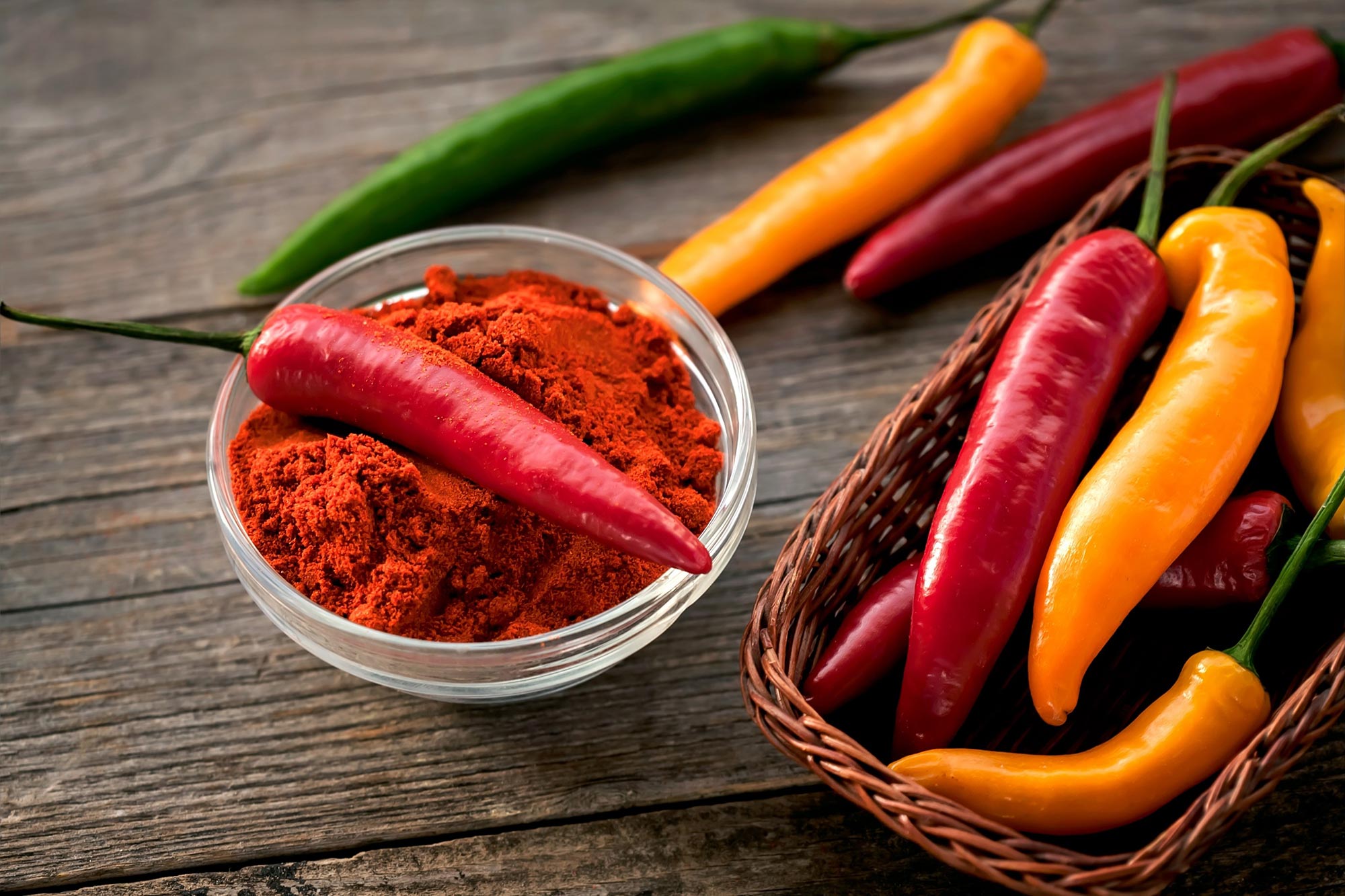
Spicy food can refer to food with plenty of flavor from spices, such as Asian curries, Tex-Mex dishes or Hungarian paprikash. It can also refer to foods with noticeable heat from capsaicin, a chemical compound found to varying degrees in hot peppers.
As the capsaicin content of a pepper increases, so does its ranking on the Scoville scale, which quantifies the sensation of being hot.
Capsaicin tastes hot because it activates certain biological pathways in mammals – the same pathways activated by hot temperatures. The pain produced by spicy food can provoke the body to release endorphins and dopamine. This release can prompt a sense of relief or even a degree of euphoria.
The Culture and Popularity of Spicy Foods
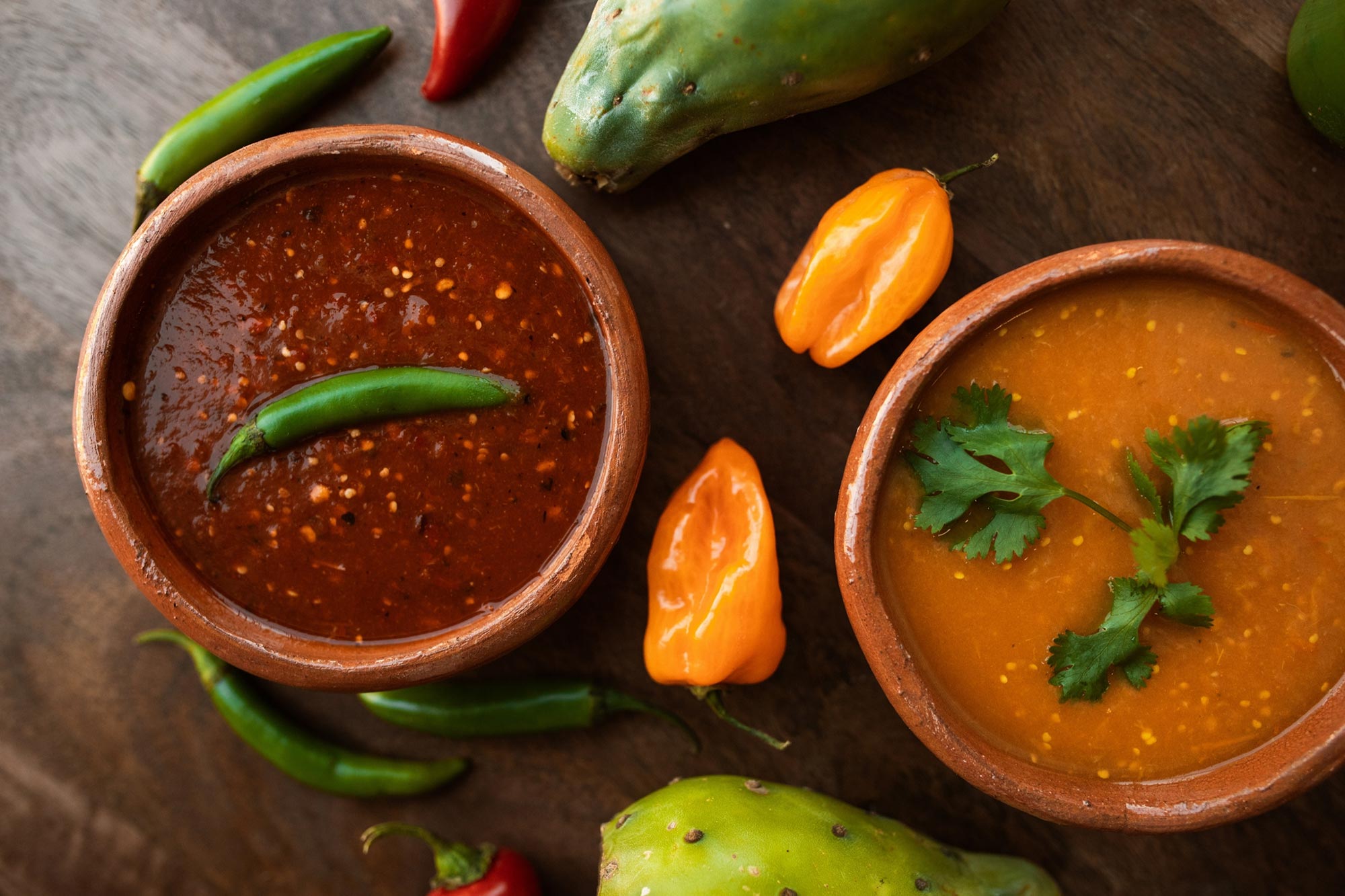
In the U.S., the U.K., and elsewhere, more people than ever are consuming spicy foods, including extreme pepper varieties.
Hot-pepper-eating contests and similar “spicy food challenges” aren’t new, although spicy food challenges have gotten hotter – in terms of spice level and popularity on social media.
Hot peppers like the Carolina Reaper can induce sweating and make the consumer feel like their mouth is burning.
Immediate Impacts of Consuming Spicy Foods
The short-term effects of consuming extremely spicy foods range from a pleasurable sensation of heat to an unpleasant burning sensation across the lips, tongue, and mouth. These foods can also cause various forms of digestive tract discomfort, headaches, and vomiting.
If spicy foods are uncomfortable to eat, or cause unpleasant symptoms like migraines, abdominal pain, and diarrhea, then it’s probably best to avoid those foods. Spicy food may cause these symptoms in people with inflammatory bowel diseases, for example.
Spicy food challenges notwithstanding, for many people across the world, the consumption of spicy food is part of a long-term lifestyle influenced by geography and culture.
For example, hot peppers grow in hot climates, which may explain why many cultures in these climates use spicy foods in their cooking. Some research suggests that spicy foods help control foodborne illnesses, which may also explain cultural preferences for spicy foods.
The Broader Health Implications of Spicy Foods
Nutritional epidemiologists have been studying the potential risks and benefits of long-term spicy food consumption for many years. Some of the outcomes examined in relation to spicy food consumption include obesity, cardiovascular disease, cancer, Alzheimer’s disease, heartburn and ulcers, psychological health, pain sensitivity and death from any cause – also called all-cause mortality.
These studies report mixed results, with some outcomes like heartburn more strongly linked to spicy food consumption. As can be expected with an evolving science, some experts are more certain about some of these health effects than others.
For example, some experts state with confidence that spicy food does not cause stomach ulcers, whereas the association with stomach cancer isn’t as clear.
Current Research and Unresolved Questions
When taking heart disease, cancer, and all other causes of death in a study population into consideration, does eating spicy food increase or decrease the risk of early death?
Right now, the evidence from large population-based studies suggests that spicy food does not increase the risk of all-cause mortality among a population and may actually decrease the risk.
However, when considering the results of these studies, keep in mind that what people eat is one part of a larger set of lifestyle factors – such as physical activity, relative body weight, and consumption of tobacco and alcohol – that also have health consequences.
It’s not easy for researchers to measure diet and lifestyle factors accurately in a population-based study, at least in part because people don’t always remember or report their exposure accurately. It often takes numerous studies conducted over many years to reach a firm conclusion about how a dietary factor affects a certain aspect of health.
Scientists still don’t entirely know why so many people enjoy spicy foods while others do not, although there is plenty of speculation regarding evolutionary, cultural, and geographic factors, as well as medical, biological and psychological ones.
One thing experts do know, however, is that humans are one of the only animals that will intentionally eat something spicy enough to cause them pain, all for the sake of pleasure.
Written by Paul D. Terry, Professor of Epidemiology, University of Tennessee.
Adapted from an article originally published in The Conversation.
Never miss a breakthrough: Join the SciTechDaily newsletter.
Follow us on Google and Google News.
3 Comments
Not everyone’s palette is wired the same. Remember when half the people saw a white dress with gold stripes, and half saw a blue dress with black stripes. Some people say cilantro tastes like a cross between a cucumber and mint, while others say it tastes like soap. Some people are left handed. Some people are color blind. Some people like spicy food, others don’t. I think it has more to do with how people’s brains are wired, and less to do with ethnicity or culture. Studies should focus on identifying these subgroups, and find out what makes them tick.
Some years ago I brought home some free peppers. When My wife was making chili with them they actually raised blisters on her hands. It must be individual’s reactions since I use capsaisin cream for arthritis with no problems and it helps. Tried Carolina Reaper cheese once and only once.
I have to appreciate that every person has different preferences and bodily functions in handling what we consume. The earth is a big planet and many cultures have proven to adapt to unique edibles that other cultures may not have . Somehow our brain has the ability to work its magic with scientists still trying to understand why. Yet another opportunity for aggressive marketing experts to create spice-eating academies and other boot-camps to train how to eat the impossible.