

Close Menu
    Facebook X (Twitter) Instagram
    SciTechDaily
    • Biology
    • Chemistry
    • Earth
    • Health
    • Physics
    • Science
    • Space
    • Technology
    Facebook X (Twitter) Pinterest YouTube RSS
    SciTechDaily
    Home»Biology»Wise Old Elephants Tamp Down Fear and Aggression in Younger Males
    Biology

    Wise Old Elephants Tamp Down Fear and Aggression in Younger Males

    By University of ExeterDecember 21, 2021No Comments3 Mins Read
    Facebook Twitter Pinterest Telegram LinkedIn WhatsApp Email Reddit
    Share
    Facebook Twitter LinkedIn Pinterest Telegram Email Reddit
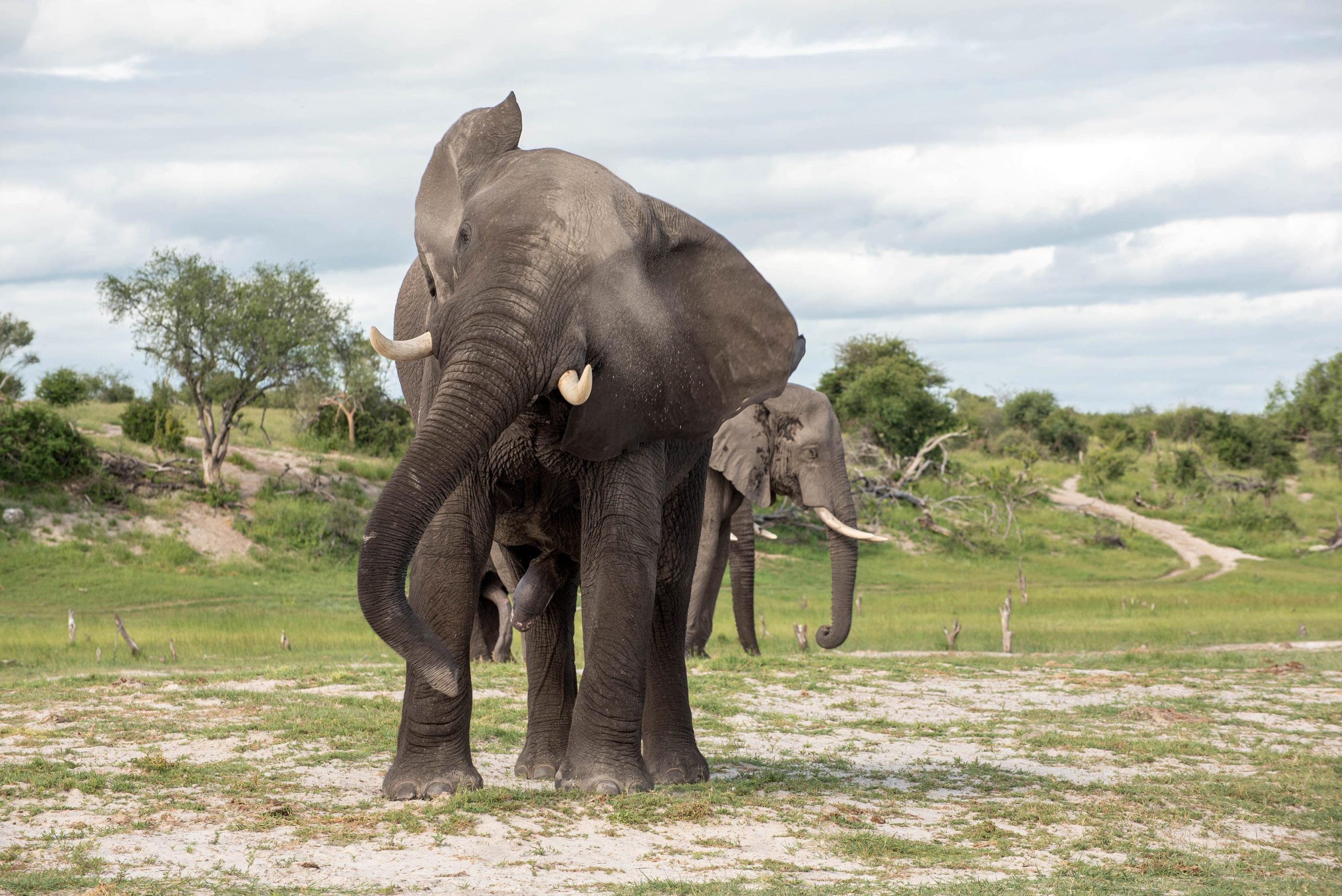
    Male Elephant
    Male elephant. Credit: Connie Allen

    A study of elephants in Botswana shows younger males become more aggressive when older bulls are absent.

    Male elephants are more aggressive when fewer older males are present, new research suggests.

    The research, by the University of Exeter, suggests that the removal of old male elephants, which are often the targets of trophy hunting, could lead to increased human-wildlife conflict.

    The study, in collaboration with Elephants for Africa, examined the behavior of 281 male elephants in an all-male area in Makgadikgadi Pans National Park, Botswana, over a period of three years.

    The elephants were divided into four age groups, adolescents (10-15 and 16-20 years), and adults (21-25 and 26+ years).

    The results found that with fewer old bull elephants around, elephants were more likely to be aggressive towards non-elephant targets such as vehicles, livestock, and other species.
    Male Elephants
    Male elephants. Credit: Connie Allen

    The adolescent elephants, in particular, were more aggressive and fearful to non-elephant targets when they were alone compared to with other males. This indicates that socially isolated adolescents may also be an increased threat to people.

    “Our research draws attention to what is often a rather overlooked area in animal behavior; that of the complex relationships and connections that occur between males in non-breeding all-male societies,” said lead author Connie Allen of Exeter’s Centre for Research in Animal Behaviour.

    “It appears the presence of more knowledgeable, older elephants in groups may play a key role in keeping the younger, less experienced males calm and lowering their perception of their current threat level, which means there’s less risk of aggression towards humans and other species.

    “Alternatively, older bulls may police other males aggression directed toward non-elephant targets.”
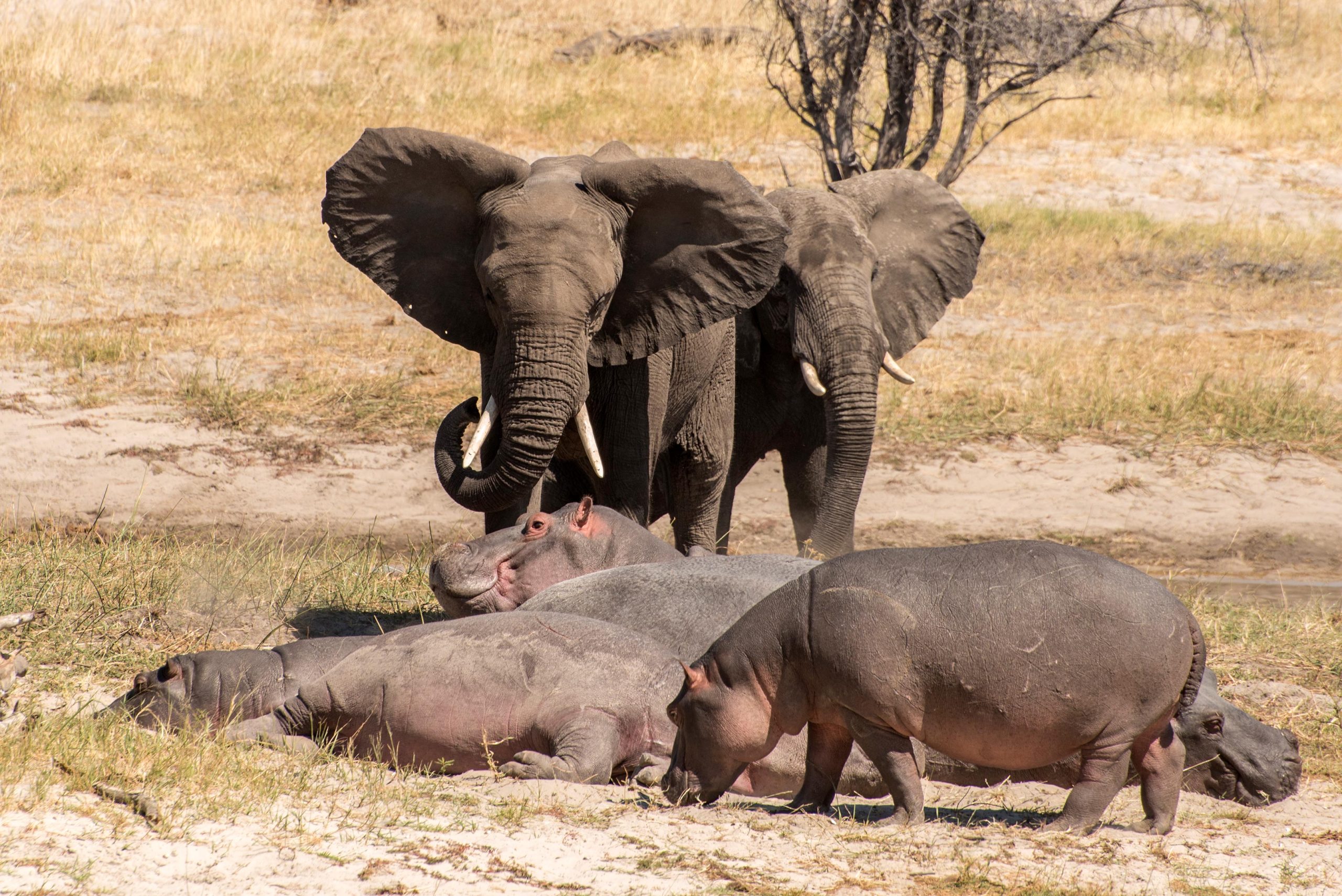
    Male Elephants and Hippos
    Male elephants. Credit: Connie Allen

    Professor Darren Croft, of the University of Exeter, said understanding the causes of aggression in male elephants is essential for reducing human-elephant conflict.

    “Old male bull elephants are often thought of as redundant and are targeted for trophy hunting,” he said.

    “These new results highlight the important role that old male elephants can play in shaping the behavior of younger males, which are more aggressive in the absence of old bulls — including towards vehicles.

    Social Bonds Essential for Conservation

    “These findings provide an important message for wildlife managers and suggest that the removal of old male elephants from populations could lead to an increase in human-wildlife conflict.”

    Associate Professor Lauren Brent, of the University of Exeter, said: “Elephants are highly social animals. This study clearly shows how wildlife management can be informed by how elephants interact and react to each other.

    “Future research on social behavior will continue to enhance conservation efforts of this iconic species.”

    Reference: “Reduced older male presence linked to increased rates of aggression to non-conspecific targets in male elephants” by Connie R. B. Allen, Darren P. Croft and Lauren J. N. Brent, 21 December 2021, Proceedings of the Royal Society B.
    DOI: 10.1098/rspb.2021.1374

    Never miss a breakthrough: Join the SciTechDaily newsletter.
    Follow us on Google and Google News.

    Elephants University of Exeter
    Share. Facebook Twitter Pinterest LinkedIn Email Reddit

    Related Articles

    New Research Reveals That Butterflies and Moths Share Ancient “Blocks” of DNA

    Biologists Investigate Smallest Propeller on Earth – Used by One of the Fastest Organisms on the Planet

    Debilitating Human Parasite – Worms That Grow Up to 3 Feet Long in the Body – Transmitted via Dogs Eating Fish

    Intense Ivory Poaching Leads to Rapid Evolution of Tuskless African Elephants

    Vast Seabird Colony Creates “Halo” of Depleted Fish Stocks

    A Fair Society Evolves From “Veil of Ignorance” – Mongooses Solve Inequality Problem

    Seabird Eggs Contaminated With Chemical Cocktail of Plastic Additives

    Social Secrets of Killer Whales Revealed by Drone Footage

    Scent Trails of Dung and Urine Could Boost Elephant Conservation

    Leave A Reply Cancel Reply

    • Facebook
    • Twitter
    • Pinterest
    • YouTube

    Don't Miss a Discovery

    Subscribe for the Latest in Science & Tech!

    Trending News

    New Study Reveals Why Ozempic Works Better for Some People Than Others

    Climate Change Is Altering a Key Greenhouse Gas in a Way Scientists Didn’t Expect

    New Study Suggests Gravitational Waves May Have Created Dark Matter

    Scientists Discover Why the Brain Gets Stuck in Schizophrenia

    Scientists Engineer “Tumor-Eating” Bacteria That Devour Cancer From Within

    Even “Failed” Diets May Deliver Long-Term Health Gains, Study Finds

    NIH Scientists Discover Powerful New Opioid That Relieves Pain Without Dangerous Side Effects

    Collapsing Plasma May Hold the Key to Cosmic Magnetism

    Follow SciTechDaily
    • Facebook
    • Twitter
    • YouTube
    • Pinterest
    • Newsletter
    • RSS
    SciTech News
    • Biology News
    • Chemistry News
    • Earth News
    • Health News
    • Physics News
    • Science News
    • Space News
    • Technology News
    Recent Posts
    • Household Cats Could Hold the Secret to Fighting Breast Cancer
    • Scientists Say This Natural Hormone Reverses Obesity by Targeting the Brain
    • This 15,000-Year-Old Discovery Changes What We Know About Early Human Creativity
    • 35-Million-Year-Old Mystery: Strange Arachnid Discovered Preserved in Amber
    • Revolutionary Gas Turbine Generates Power Without Air Compression
    Copyright © 1998 - 2026 SciTechDaily. All Rights Reserved.
    • Science News
    • About
    • Contact
    • Editorial Board
    • Privacy Policy
    • Terms of Use

    Type above and press Enter to search. Press Esc to cancel.