
Close Menu
    Facebook X (Twitter) Instagram
    SciTechDaily
    • Biology
    • Chemistry
    • Earth
    • Health
    • Physics
    • Science
    • Space
    • Technology
    Facebook X (Twitter) Pinterest YouTube RSS
    SciTechDaily
    Home»Biology»Ecuador Rainforest Fungus Survives on Polyurethane without Oxygen
    Biology

    Ecuador Rainforest Fungus Survives on Polyurethane without Oxygen

    By SciTechDailyFebruary 3, 2012No Comments2 Mins Read
    Facebook Twitter Pinterest Telegram LinkedIn WhatsApp Email Reddit
    Share
    Facebook Twitter LinkedIn Pinterest Telegram Email Reddit
    Pestalotiopsis-microspora-close
    Researchers discovered that a fungus found in the Amazon thrives on consuming plastic.

    Polyurethane is one of the most commonly used plastics in different types of products, but it’s also one that takes an extremely long period of time before it can be broken down. A team of students from Yale discovered a fungus that has a healthy appetite for all things made out of polyurethane, which includes garden hoses, shoes, seats, and more.

    The students were led by Scott Strobel, a molecular biochemist at Yale, and they found the fungus in the Amazon while they were on their annual Rainforest Expedition and Laboratory. A recent experiment by a group from Yale University found that the fungus, Pestalotiopsis microspora, thrives on eating plastic at the bottom of landfills.
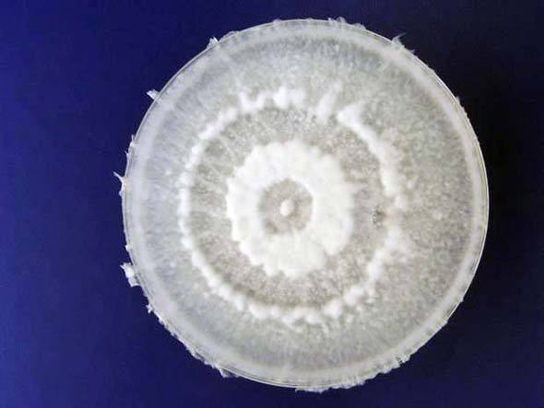
    Pestalotiopsis-microspora-big

    It was found in the jungles of Ecuador and the overall mission of the expedition was to allow the students to experience the scientific process in a comprehensive fashion. They searched for plants, cultured the microorganisms within the plant tissue, and brought them back. One of those was P. microspora. On top of digesting polyurethane, it can do so in an anaerobic environment, which is the kind you’d find at the bottom of a landfill.

    The researchers published their findings in the journal Applied and Environmental Microbiology and concluded that the microbe could be used to process large amounts of trash. Future landfills could be populated by these voracious fungi, which would break down polyurethane.

    Reference: “Biodegradation of Polyester Polyurethane by Endophytic Fungi” by Jonathan R. Russell, Jeffrey Huang, Pria Anand, Kaury Kucera, Amanda G. Sandoval, Kathleen W. Dantzler, DaShawn Hickman, Justin Jee, Farrah M. Kimovec, David Koppstein, Daniel H. Marks, Paul A. Mittermiller, Salvador Joel Núñez, Marina Santiago, Maria A. Townes, Michael Vishnevetsky, Neely E. Williams, Mario Percy Núñez Vargas, Lori-Ann Boulanger, Carol Bascom-Slack, Scott A. Strobel, 24 August 2011, Applied and Environmental Microbiology.
    DOI: 10.1128/AEM.00521-11

    Never miss a breakthrough: Join the SciTechDaily newsletter.
    Follow us on Google and Google News.

    Enzyme Fungi Fungus Microbiology Plastic Polyurethane Yale University
    Share. Facebook Twitter Pinterest LinkedIn Email Reddit

    Related Articles

    Microbes Discovered in the Alps and Arctic That Can Digest Plastic at Low Temperatures

    Topical Antibiotic Triggers Resistance to Viral Infections

    New Research Details Why Typhoid Toxin Targets Only Humans

    Yale Researchers Engineer a System to Deliver a Safer Vaccine

    Searching for Better Methods of Making Biofuels from Cellulosic Biomass

    Superoxide Reacts With Manganese to Aid in Environmental Cleanup

    Hybridization Leads to New Pathogen Species

    Understanding the Internal Process That Makes Salmonella Dangerous

    Trip to Rainforest Yields Organisms Capable of Degrading Polyurethane

    Leave A Reply Cancel Reply

    • Facebook
    • Twitter
    • Pinterest
    • YouTube

    Don't Miss a Discovery

    Subscribe for the Latest in Science & Tech!

    Trending News

    Collapsing Plasma May Hold the Key to Cosmic Magnetism

    This Breakthrough Solar Panel Generates Power From Both Sunlight and Raindrops

    Scientists Uncover New Metabolic Effects Beyond Weight Loss of Mounjaro

    Scientists Discover Cancer Tumors Are “Addicted” to This Common Antioxidant

    1,800 Miles Down: Scientists Uncover Mysterious Movements at the Edge of Earth’s Core

    Scientists Discover Hidden “Good Fats” in Green Rice That Could Transform Nutrition

    Your Child’s Clothes Could Contain Toxic Lead, Study Finds

    Researchers Break a 150-Year-Old Math Law With a Surprising Donut Discovery

    Follow SciTechDaily
    • Facebook
    • Twitter
    • YouTube
    • Pinterest
    • Newsletter
    • RSS
    SciTech News
    • Biology News
    • Chemistry News
    • Earth News
    • Health News
    • Physics News
    • Science News
    • Space News
    • Technology News
    Recent Posts
    • This Is How Ovarian Cancer Spreads Before Doctors Can Detect
    • Scientists Discover Hidden Virus Linked to Colorectal Cancer
    • Hidden Danger: Widely Used Pesticides Linked to 150% Higher Cancer Risk
    • The Mystery of the Notes: Why No One Knows How This 120-Year-Old Song Should Sound
    • Scientists Discover 132-Million-Year-Old Dinosaur Tracks on South Africa’s Coast
    Copyright © 1998 - 2026 SciTechDaily. All Rights Reserved.
    • Science News
    • About
    • Contact
    • Editorial Board
    • Privacy Policy
    • Terms of Use

    Type above and press Enter to search. Press Esc to cancel.