
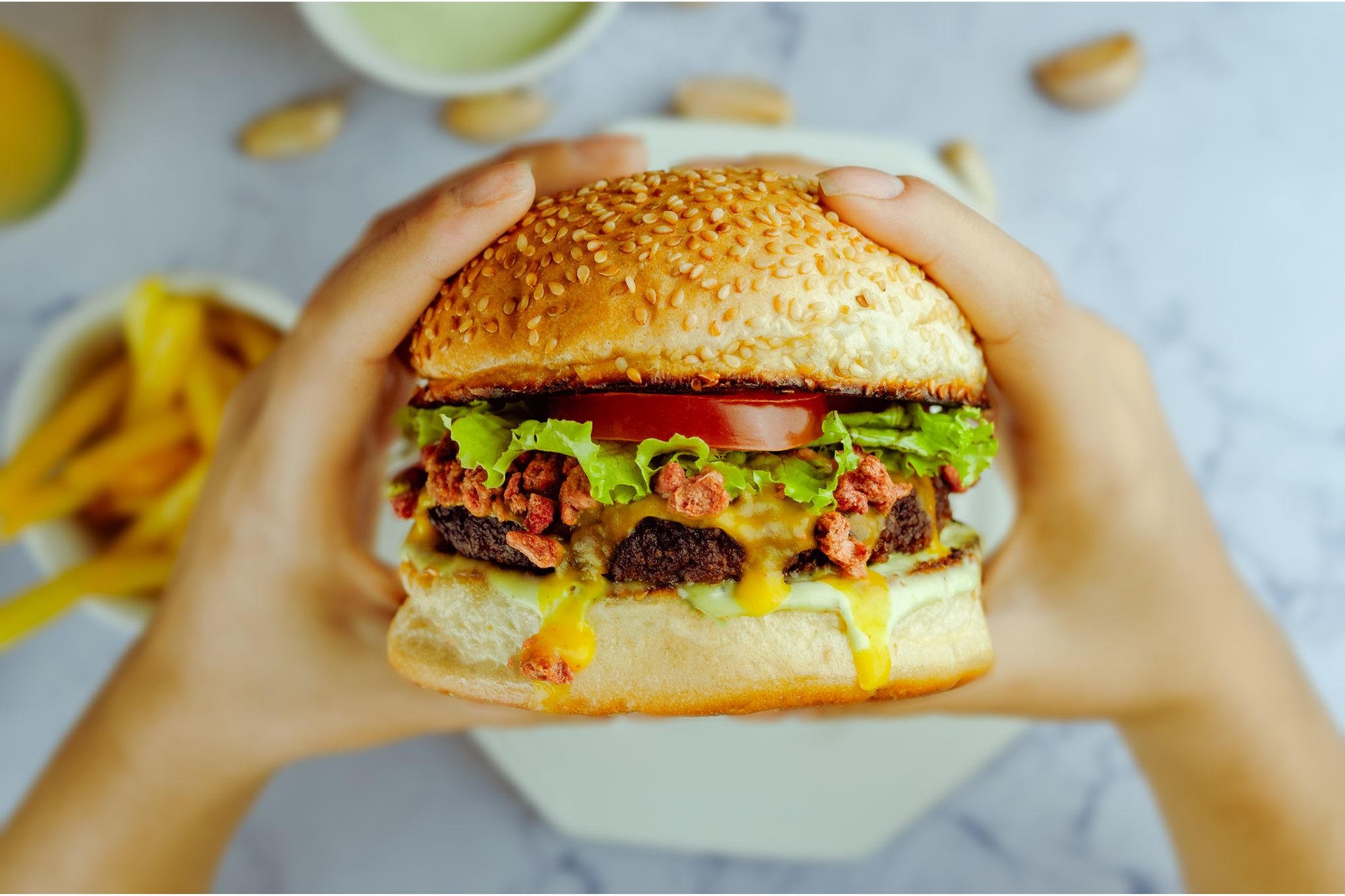
Processed meats and soft drinks are strongly associated with increased mortality.
A recent study found that older adults consuming large quantities of ultra-processed foods, classified by the NOVA system, had a 10% higher risk of mortality over a median follow-up period of 23 years, compared to those who ate less processed foods.
The findings are based on a large study that has tracked over half a million U.S. adults for nearly three decades. According to the results, a higher intake of ultra-processed foods was associated with modest increases in death from any cause and from deaths related specifically to heart disease or diabetes, but no association was found for cancer-related deaths.
“Our study results support a larger body of literature, including both observational and experimental studies, which indicate that ultra-processed food intake adversely impacts health and longevity,” said Erikka Loftfield, PhD, Stadtman Investigator at the National Cancer Institute. “However, there is still a lot that we don’t know, including what aspects of ultra-processed foods pose potential health risks.”
Loftfield presented the findings at NUTRITION 2024, the flagship annual meeting of the American Society for Nutrition held June 29–July 2 in Chicago.
The research drew data from more than 540,000 people who provided information about their eating habits and health in the mid-1990s when they were between 50 and 71 years of age. Over half of the participants have since died. The researchers analyzed overall rates of death among those who were in the 90th percentile for consumption of ultra-processed foods at baseline versus those in the 10th percentile and also looked at associations with specific foods and specific diseases.
The NOVA classification system categorizes foods based on their processing levels, offering insights crucial for nutritional science and public health guidelines. It breaks down food into four categories: unprocessed or minimally processed foods (like fruits and vegetables), processed culinary ingredients (such as oils and spices), processed foods (like canned vegetables and cheese), and ultra-processed foods (including soft drinks and packaged snacks). This system helps identify the degree of processing and its potential health impacts, advocating for a diet rich in natural and minimally altered foods while suggesting minimal consumption of ultra-processed items.
Dietary Guidelines and Health Risks
“We observed that highly processed meat and soft drinks were a couple of the subgroups of ultra-processed food most strongly associated with mortality risk and eating a diet low in these foods is already recommended for disease prevention and health promotion,” said Loftfield. The Dietary Guidelines for Americans recommend limiting sugar-sweetened beverages and processed meats such as hot dogs, sausages, and deli meat.
For this study, researchers used multiple strategies to classify the level of processing for various food items. This included breaking down food frequency questionnaire data into particular food and ingredient types in addition to incorporating expert consensus to categorize dietary components according to a rubric known as the NOVA classification system.
The researchers also accounted for other factors that can increase a person’s risk of death, such as smoking and obesity. They found that people who consumed more ultra-processed foods also tended to have higher body mass index and a lower Healthy Eating Index score (a measure of diet quality based on how closely a person’s diet aligns with the Dietary Guidelines for Americans). However, the analysis showed that the associations between ultra-processed food consumption and increased mortality were not explained by these variables, as the associations between higher ultra-processed food intake and mortality risk persisted among people categorized as having better or worse diet quality as well as among those classified as normal weight or obese.
One caveat is that the study design did not allow researchers to determine causality. In addition, Loftfield noted that the U.S. food supply and dietary preferences have changed considerably since the study’s baseline data was collected in the mid-1990s, underscoring the importance of continued research to further elucidate the relationships between food processing and human health.
Reference: “Ultra-Processed Food Intake and Mortality in the NIH-AARP Diet and Health Study” by Erikka Loftfield, Caitlin P. O’Connell, Leila Abar, Lisa Kahle, Xuehong Zhang, Xinyuan Zhang, Longgang Zhao, Leandro Rezende, Renata Bertazzi Levy, Fernanda Rauber, Charles E. Matthews, Hyokyoung G. Hong, Linda M. Liao, Rashmi Sinha, Neha Khandpur and Eurídice Martínez Steele, 30 June 2024, NUTRITION 2024.
Never miss a breakthrough: Join the SciTechDaily newsletter.
Follow us on Google and Google News.
2 Comments
First, from the perspective of a now eighty year old lay American who’s been battling externally imposed mostly mild chronic illness since becoming mysteriously, seriously ill in early 1981, I (like most in my age group) never chose to switch from real food to toxic-ultra-processed-pseudo-foods. They were unceremoniously foisted on us by big business with illegal (e.g., FFDCA) FDA approvals, for higher profits. Next, Dr. Arthur F. Coca’s (by 1935; https://www.seleneriverpress.com/historical/nonreaginic-allergy-in-theory-and-practice/; my) kind of nearly subclinical non-IgE-mediated food/food additive allergies have never been factored-in to any large cohort medical study I’ve ever found. So, when some ‘know-it-all’ expert who doesn’t ‘know-it-all’ blames smoking and/or obesity for diabetes and/or premature mortality without first testing their subjects for my kind of allergies and/or for FDA approved food poisoning, their allergy/food additive ignorance and incompetence is showing. Simply put, the study was fatally flawed with a more than half a century late start and has little relevance in reality. In the 21st Century reality, I prefer to label that premature mortality as “involuntary suicide by doctor.”
Unfortunately, this and similar studies usually go under the radar. And even if all the relevant media picked them up – I’m afraid people wouldn’t want to know. They want their tasty crap, no matter how bad for the health it is.