
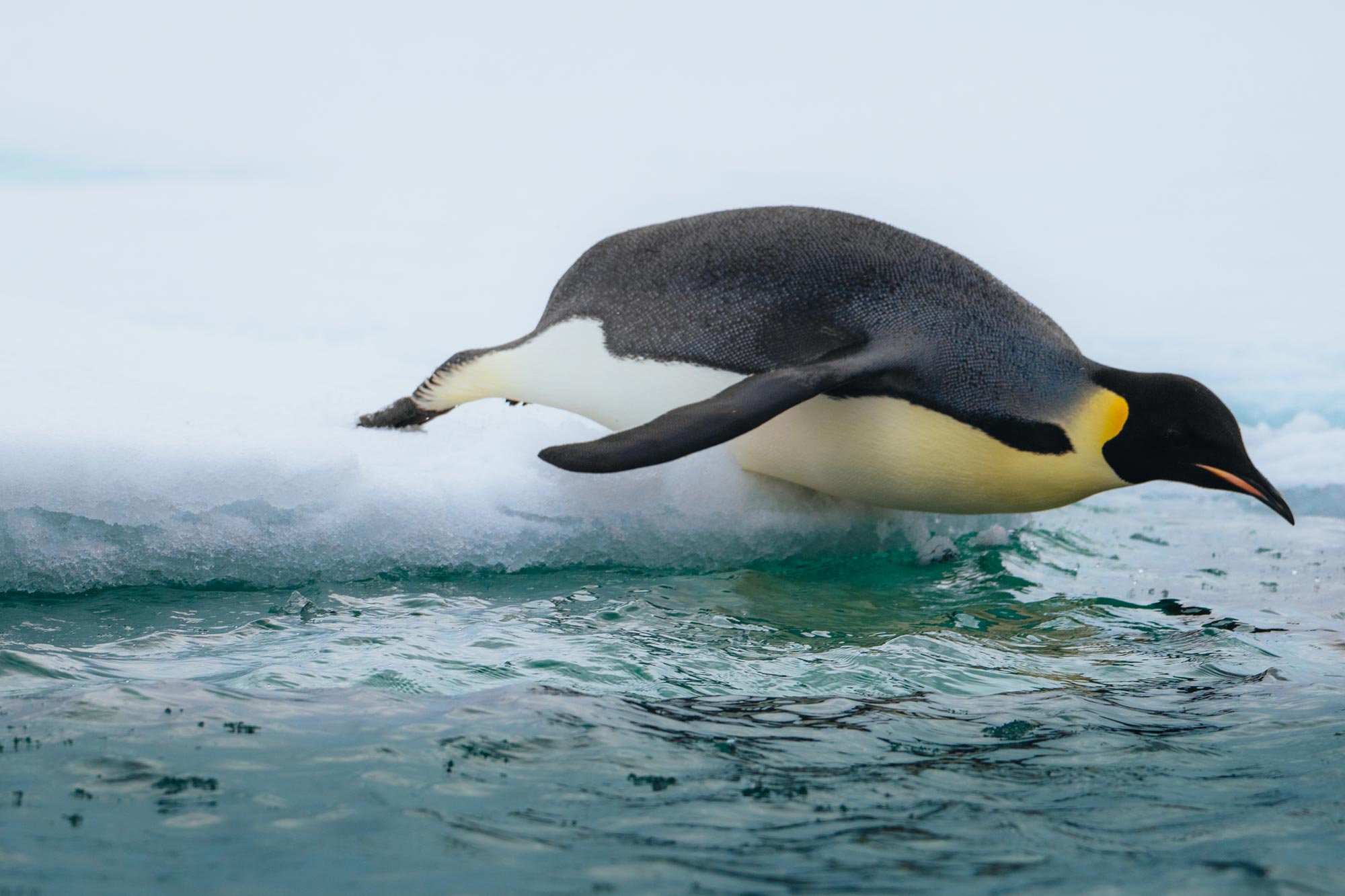
A team of paleontologists studying penguin fossils from Seymour Island found that ancient bird bones can preserve chemical evidence of past climate change.
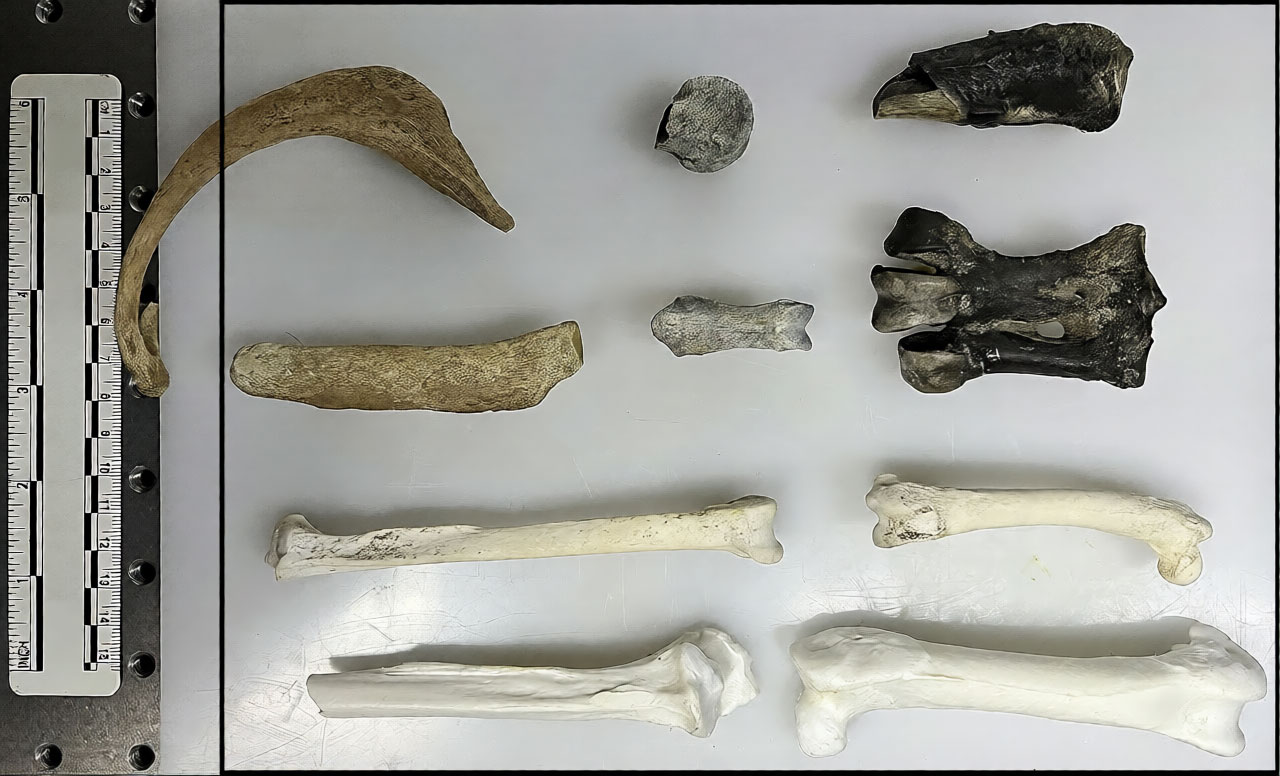
Ancient penguin bones from Seymour Island, near the Antarctic Peninsula, preserve more than the remains of the birds themselves. Paleontologists from China University of Geosciences (Beijing) found that their chemical composition can also record environmental changes spanning millions of years. Using non-destructive X-ray mapping, the researchers uncovered evidence of Antarctica’s transition from a warm, humid climate to much cooler conditions.
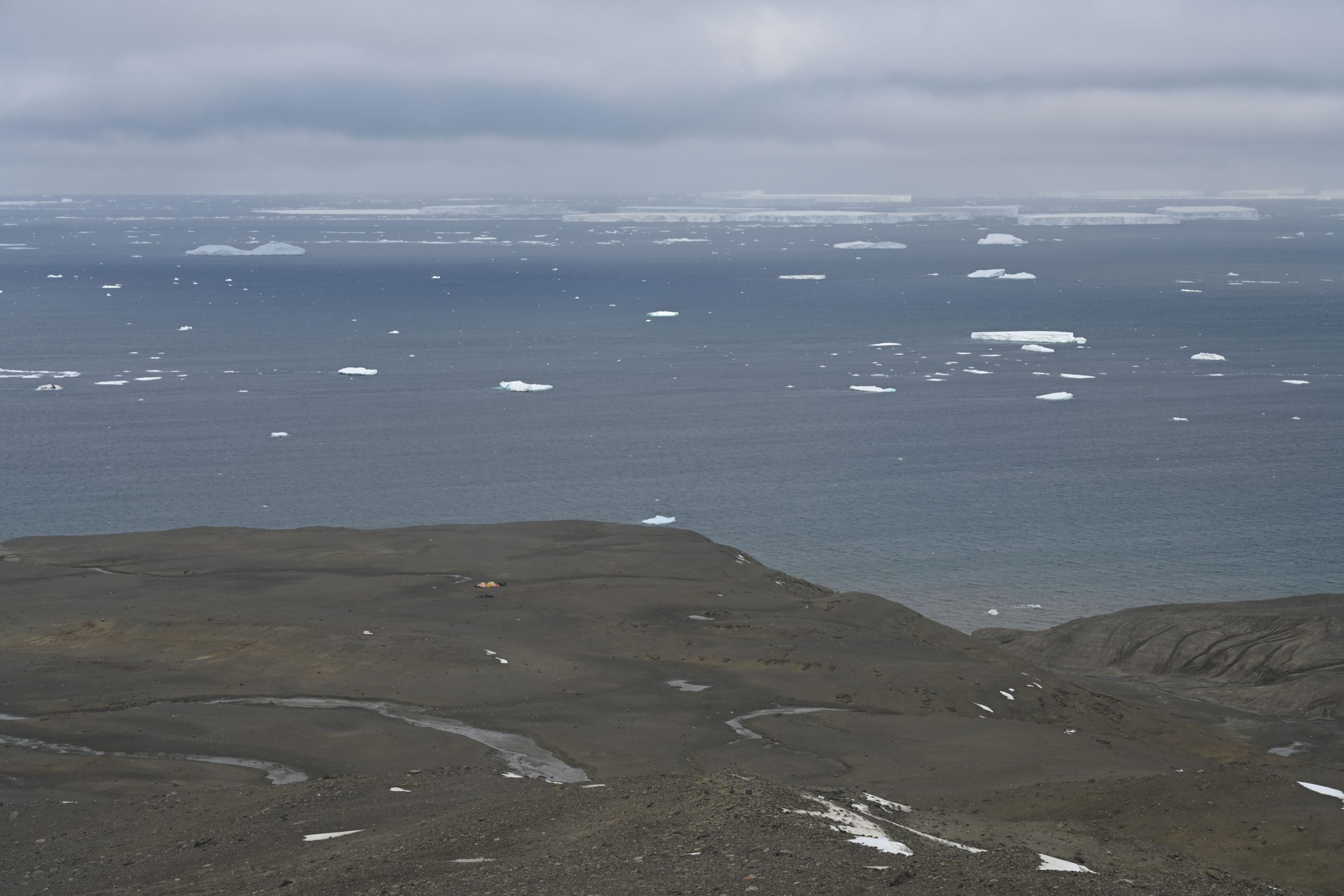
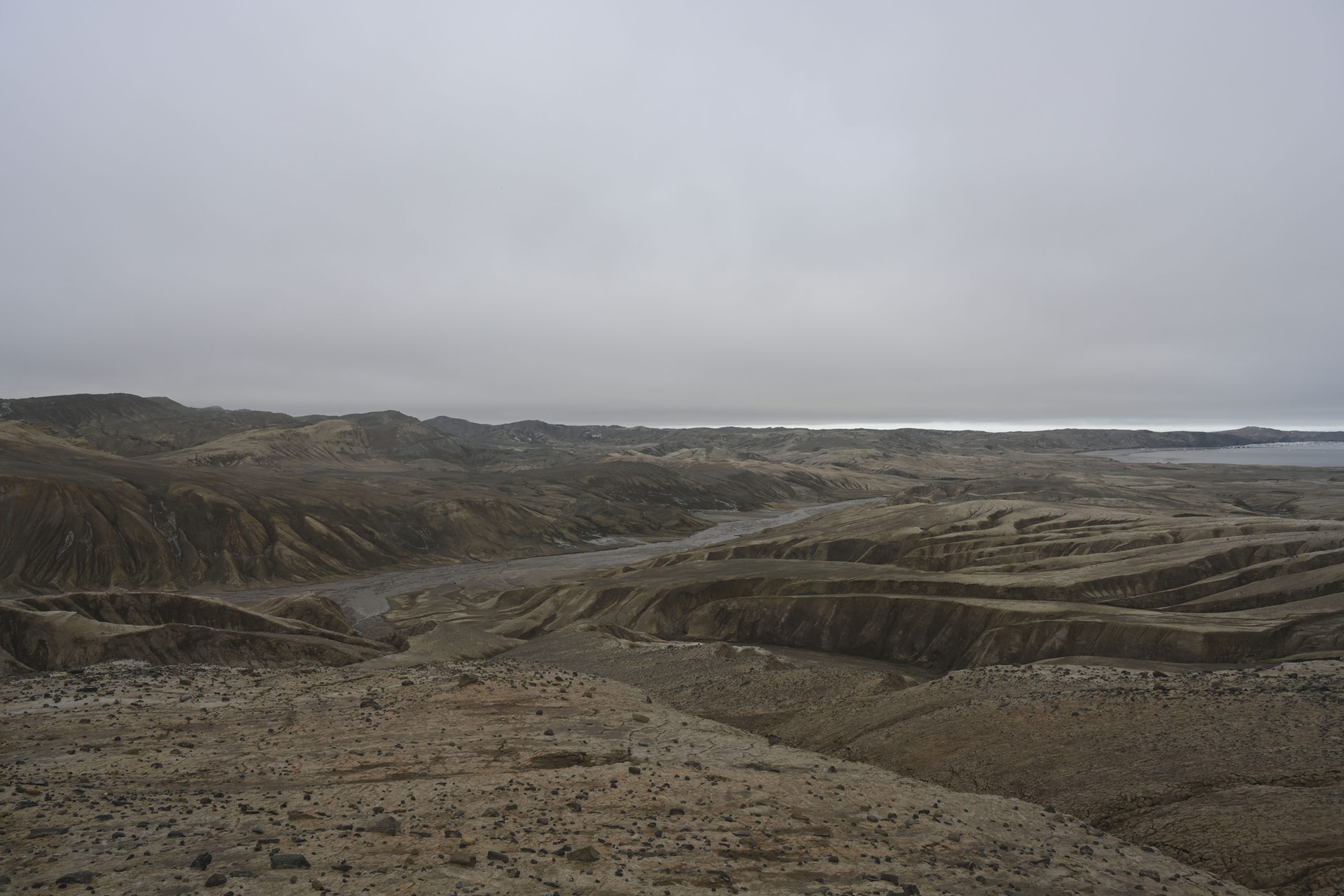
“Penguins are among the most iconic animals of Antarctica and represent one of the most distinctive groups of birds, having completely lost the ability to fly and instead using their flipper-like wings for swimming,” said the research team. “Seymour Island preserves one of the world’s richest and most stratigraphically continuous records of Eocene penguin fossils. These fossils span an important interval of Antarctic climate evolution, from the relatively warm and humid conditions of the early Eocene to the cooler climate of the middle and late Eocene.”
Warmer Antarctica left a chemical signature
Because the fossils are rare, the researchers needed a way to examine them without causing damage. They used micro-X-ray fluorescence scanning, which maps different chemical elements across a surface, and found clear differences between penguin bones from separate geological periods.
Fossils dating to about 55 million years ago contained substantially stronger signals of titanium, silicon, and potassium. The researchers interpreted these elevated levels as evidence consistent with more intense weathering on land and greater runoff during the warmer early Eocene. Younger fossils from cooler periods showed much weaker signals for the same elements.
“The most surprising result was that the early Eocene fossil showed substantially higher titanium, silicon, and potassium signals,” the researchers noted. “Based on the stratigraphic, sedimentological, and paleoclimatic evidence, we interpret this pattern as being consistent with stronger continental weathering and terrestrial material input under the warm and humid conditions of the early Eocene.”
Extracting reliable chemical information from fossils millions of years old also created practical problems. Their uneven shapes and curved surfaces made it difficult to keep scanning conditions consistent.
“One of the main challenges was obtaining reliable elemental information without damaging the fossils,” the team explained. “The irregular shapes and curved surfaces of the fossil bones created practical difficulties during scanning. To minimize the influence of variations in surface height, we positioned the bones as horizontally as possible and maintained a relatively constant distance between the scanning head and the bone surface.”
The technique captured more than evidence of changing conditions on land. Patterns of iron, manganese, and sulfur preserved in the bones also reflected chemical changes in the surrounding marine sediments as the remains were buried.
Fossils can expand ancient climate records
The results suggest that the chemistry of fossil bones could provide another source of information about past Earth systems, complementing established approaches such as marine sediment drilling and analysis of microfossils.
“An important finding for us was that the elemental information preserved in penguin bones may record not only how external materials entered the bones, but also differences in weathering input, depositional conditions, and early diagenetic environments,” the team stated. “We believe that fossils can provide an important complementary source of information for studying paleoenvironmental changes on the Antarctic Peninsula.”
The study shows how non-destructive chemical scanning can be combined with geological evidence to recover environmental information from existing fossil collections, potentially giving polar researchers another way to reconstruct Antarctica’s distant past.
Reference: “Eocene penguin fossils as archives of Antarctic weathering and climate change: insights from micro-X-ray fluorescence elemental mapping” by Boyang Xia, Huaichun Wu and Quanguo Li, 31 July 2026, Fossil Record.
DOI: 10.3897/fr.29.192319
This work was funded by the Fundamental and Interdisciplinary Disciplines Breakthrough Plan of the Ministry of Education of China (JYB2025XDXM803), the National Natural Science Foundation of China (41930218, 42072029), the Funds for the Central Universities for the Frontiers Science Center for Deep-time Digital Earth (2652023001), and the Chinese “111” Project (B20011).
Never miss a breakthrough: Join the SciTechDaily newsletter.
Follow us on Google and Google News.