
Close Menu
    Facebook X (Twitter) Instagram
    SciTechDaily
    • Biology
    • Chemistry
    • Earth
    • Health
    • Physics
    • Science
    • Space
    • Technology
    Facebook X (Twitter) Pinterest YouTube RSS
    SciTechDaily
    Home»Earth»900 Years of Watching the Stars: A 12th-Century Fortress’s Cosmic Legacy
    Earth

    900 Years of Watching the Stars: A 12th-Century Fortress’s Cosmic Legacy

    By European Southern Observatory (ESO)February 11, 20252 Comments3 Mins Read
    Facebook Twitter Pinterest Telegram LinkedIn WhatsApp Email Reddit
    Share
    Facebook Twitter LinkedIn Pinterest Telegram Email Reddit
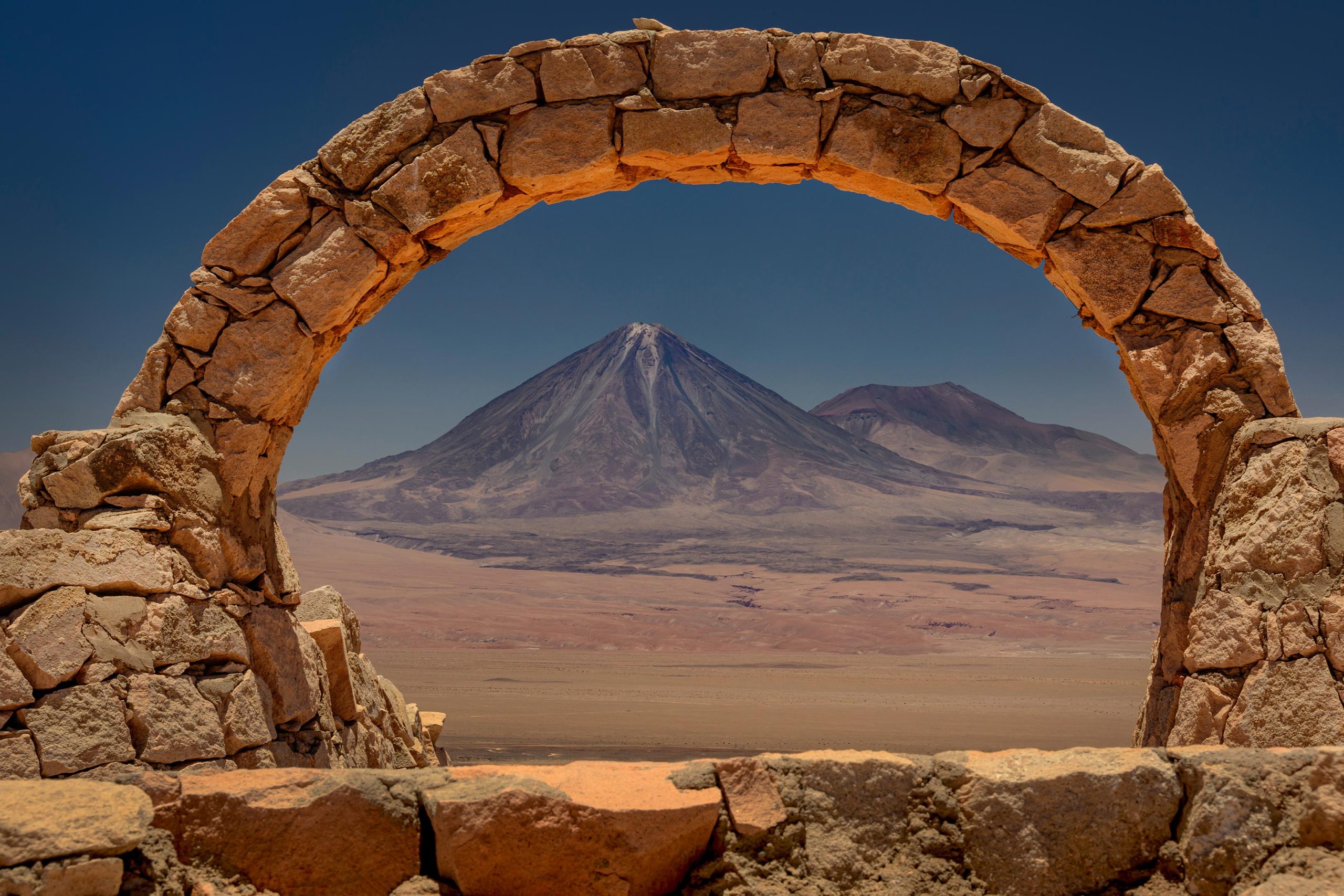
    Pukará de Quitor (Fort of Quitor)
    Astronomers may study the sky, but the ground beneath them holds wonders, too. The Atacama Desert’s Pukará de Quitor, a centuries-old fortress, frames the breathtaking Licancabur volcano, a site rich in archaeological and natural marvels. Like the ancient stones beneath our feet, the stars above whisper stories from the past, reminding us that every view is a journey through time. Credit: ESO/A. Ghizzi Panizza (www.albertoghizzipanizza.com)

    While astronomers often set their sights on the stars, the landscapes surrounding their observatories can be just as awe-inspiring.

    Chile’s Atacama Desert, home to the world-renowned ALMA telescope, offers breathtaking sights both above and below. One such marvel is the ancient stone fortress of Pukará de Quitor, a relic of the Licán Antai people that has stood for over 900 years.

    Gazing Beyond the Stars

    Astronomers often look to the sky, but sometimes, the wonders on Earth are just as captivating. In Chile’s Atacama Desert, the night sky dazzles with countless stars, yet when daylight returns, the rugged landscape unveils breathtaking sights of its own.

    A Fortress with a View

    One such marvel is Pukará de Quitor, an ancient stone fortress built centuries ago by the Licán Antai people, also known as the Atacameños. Located near San Pedro de Atacama, it stands close to the Atacama Large Millimeter/submillimeter Array (ALMA), a world-renowned radio telescope operated by ESO and its international partners.

    In this striking image, the fortress’s arch perfectly frames the towering Licancabur volcano, which rises along Chile’s border with Bolivia. The volcano itself holds archaeological significance, with ruins scattered across its slopes and a summit crater that shelters one of the world’s highest-altitude lakes.

    14 Antennas at the ALMA AOS
    Fourteen 12-metre ALMA antennas are positioned near the centre of the array at 5000 metres altitude on the Chajnantor plateau. In the background, the 5300-metre-high Cerro Chico is towered over by the 5920-metre-high Licancabur volcano. The picture was taken looking towards the north, in May 2011. Credit: ALMA (ESO/NAOJ/NRAO), J. Guarda (ALMA)

    A Portal to the Past

    Now close your eyes and imagine you are standing right there, on the stones of Pukará de Quitor. Are you surrounded by blue skies and terracotta stones? Or by a pitch-black sky full of stars? Whichever you choose, remember that you are looking back in time. This archaeological site dates all the way back to the 12th century, so these stones have been standing here for over 900 years. And the light of the stars has traveled hundreds or even thousands of years before it reaches us. What a privilege to be able to see it!

    Never miss a breakthrough: Join the SciTechDaily newsletter.
    Follow us on Google and Google News.

    Astronomy European Southern Observatory Geography
    Share. Facebook Twitter Pinterest LinkedIn Email Reddit

    Related Articles

    VLT Reveals That O Stars, Which Drive the Evolution of Galaxies, Don’t Live Alone

    Image of the Aurora Australis Over Concordia Station

    Popular VISTA Image of the Orion Nebula

    Quasar 3C 279 Shown in Unprecedented Sharpness

    Scientists Detect Dark Galaxies for the First Time

    Gas Cloud Headed Towards Milky Way’s Supermassive Black Hole

    No Evidence of Dark Matter Around the Sun

    NASA Launched Rocket into Aurora Borealis

    Astronomers Combine Hundreds of Images of Carina Nebula to Reveal Thousands of Stars in Stellar Nursery

    2 Comments

    1. Mous on February 11, 2025 7:46 pm

      when did Andean people start building arches?

      Reply
      • Clyde Spencer on February 12, 2025 5:39 pm

        They do seem to be rare in paleo-South America. The next step might have been the wheel.

        Reply
    Leave A Reply Cancel Reply

    • Facebook
    • Twitter
    • Pinterest
    • YouTube

    Don't Miss a Discovery

    Subscribe for the Latest in Science & Tech!

    Trending News

    New Study Reveals Why Ozempic Works Better for Some People Than Others

    Climate Change Is Altering a Key Greenhouse Gas in a Way Scientists Didn’t Expect

    New Study Suggests Gravitational Waves May Have Created Dark Matter

    Scientists Discover Why the Brain Gets Stuck in Schizophrenia

    Scientists Engineer “Tumor-Eating” Bacteria That Devour Cancer From Within

    Even “Failed” Diets May Deliver Long-Term Health Gains, Study Finds

    NIH Scientists Discover Powerful New Opioid That Relieves Pain Without Dangerous Side Effects

    Collapsing Plasma May Hold the Key to Cosmic Magnetism

    Follow SciTechDaily
    • Facebook
    • Twitter
    • YouTube
    • Pinterest
    • Newsletter
    • RSS
    SciTech News
    • Biology News
    • Chemistry News
    • Earth News
    • Health News
    • Physics News
    • Science News
    • Space News
    • Technology News
    Recent Posts
    • The Surprising Reason You Might Want To Sleep Without a Pillow
    • Household Cats Could Hold the Secret to Fighting Breast Cancer
    • Scientists Say This Natural Hormone Reverses Obesity by Targeting the Brain
    • This 15,000-Year-Old Discovery Changes What We Know About Early Human Creativity
    • 35-Million-Year-Old Mystery: Strange Arachnid Discovered Preserved in Amber
    Copyright © 1998 - 2026 SciTechDaily. All Rights Reserved.
    • Science News
    • About
    • Contact
    • Editorial Board
    • Privacy Policy
    • Terms of Use

    Type above and press Enter to search. Press Esc to cancel.