
Close Menu
    Facebook X (Twitter) Instagram
    SciTechDaily
    • Biology
    • Chemistry
    • Earth
    • Health
    • Physics
    • Science
    • Space
    • Technology
    Facebook X (Twitter) Pinterest YouTube RSS
    SciTechDaily
    Home»Earth»Losing a Long-Watched Glacier – 70% of Mass Depleted From Peyto Glacier in Alberta
    Earth

    Losing a Long-Watched Glacier – 70% of Mass Depleted From Peyto Glacier in Alberta

    By Adam Voiland, NASA Earth ObservatoryMay 6, 20221 Comment2 Mins Read
    Facebook Twitter Pinterest Telegram LinkedIn WhatsApp Email Reddit
    Share
    Facebook Twitter LinkedIn Pinterest Telegram Email Reddit
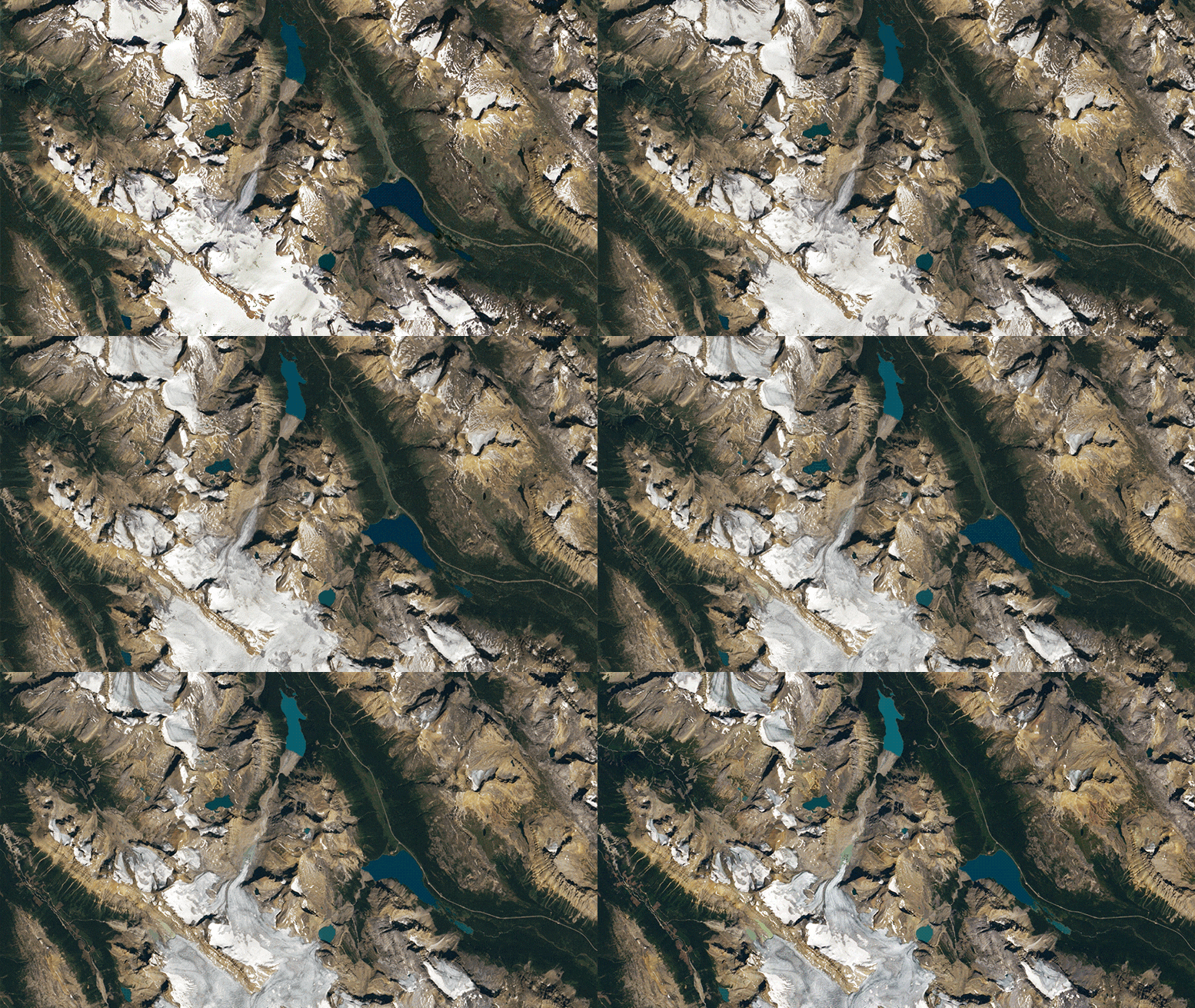
    Peyto Glacier 1999-2021
    Peyto Glacier, 1999-2021.

    Scientists Have Been Observing Peyto Glacier in Alberta Since the 1960s

    Peyto Glacier in Banff National Park, Alberta, Canada is among the most closely monitored glaciers in the world. In 1968, the United Nations selected Peyto as a reference glacier for the International Hydrological Decade research initiative. Ever since, teams of researchers have traveled to the Canadian Rockies on a regular basis to conduct field work and calculate changes in the mass of the glacier, providing the scientific community with a longer and more detailed data record for Peyto than most other glaciers.
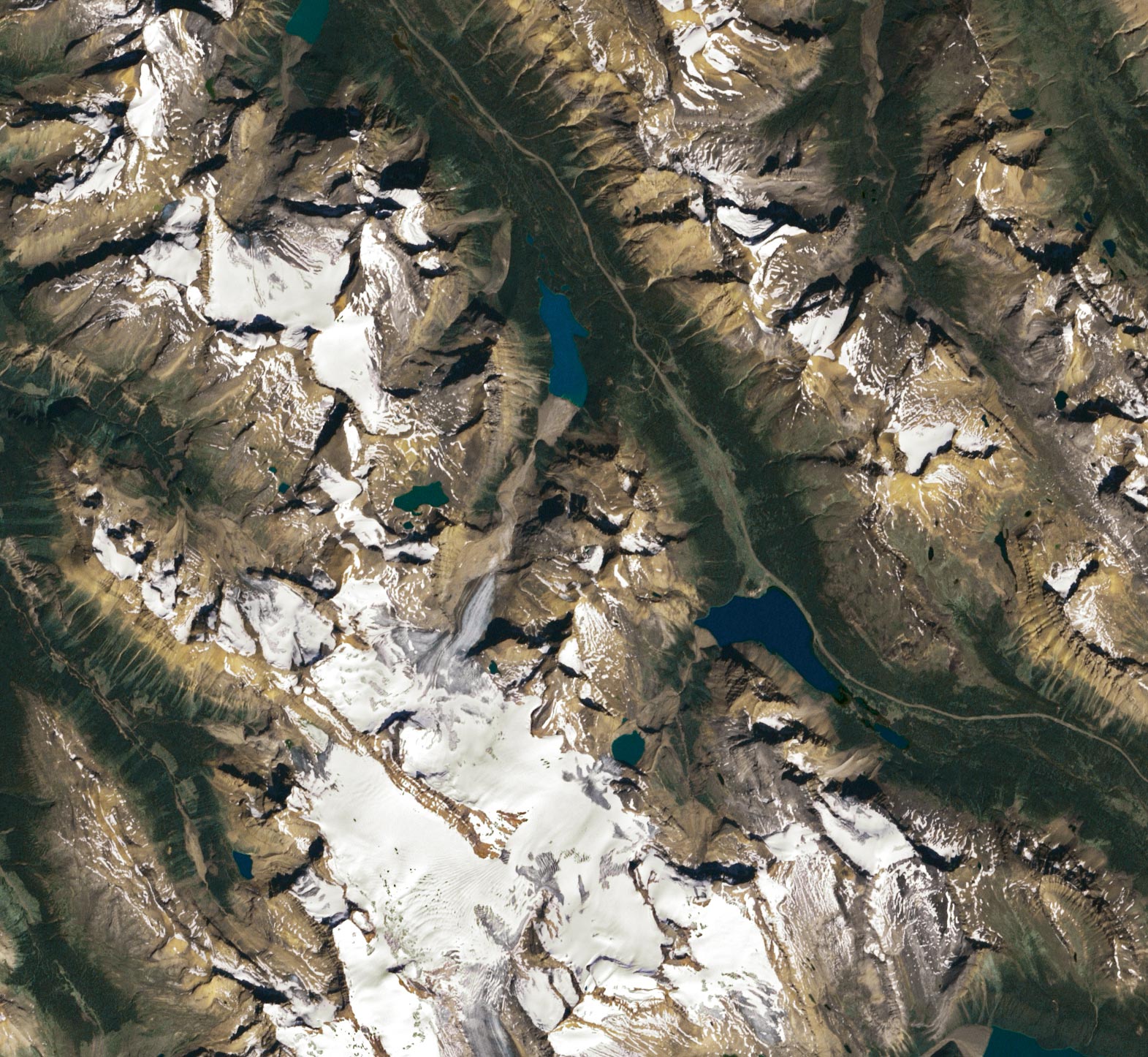
    Peyto Glacier 1999 Annotated
    Peyto Glacier on August 24, 1999.
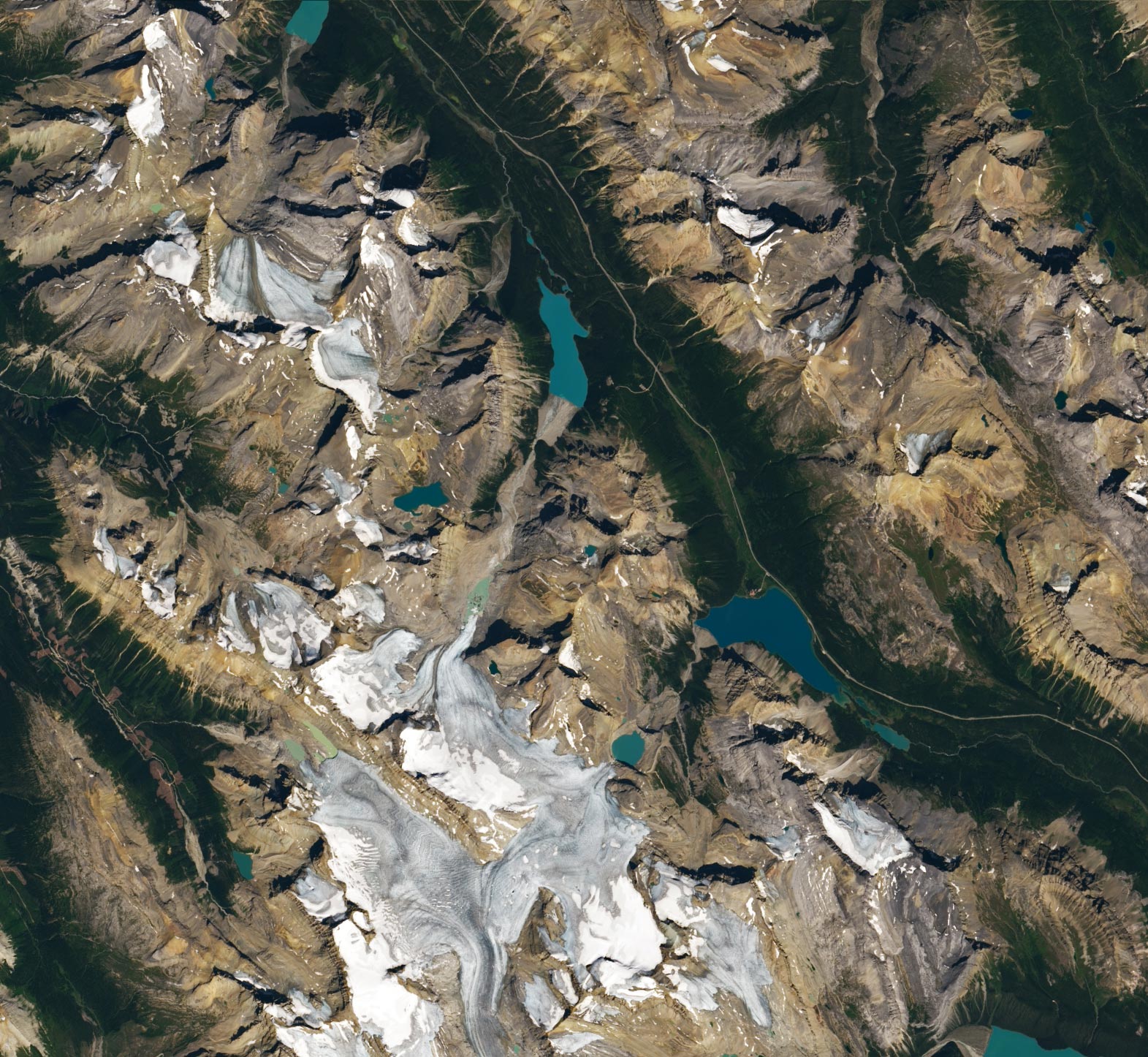
    Peyto Glacier 2021 Annotated
    Peyto Glacier on August 12, 2021.

    Decades of Mass Loss

    In most years, Peyto has lost far more mass than it gained, according to data published by the World Glacier Monitoring Service. Experts say Peyto lost about 70 percent of its mass during the past 50 years.

    The extent of the change is visible in satellite imagery acquired by the Landsat program. The natural-color images above show the glacier in 1999 and 2021. As the glacier has thinned and narrowed, the terminus has retreated by about 1 kilometer (0.6 miles). A growing lake of meltwater now sits near the terminus.

    Climate Change and Wildfires

    Most observers attribute the ice losses to rising summer temperatures. In 2021, this area faced a record-breaking summer heat wave, while wildfires raged west of Banff National Park. According to some scientists, heat-absorbing soot from wildfire smoke has been accumulating on top and may be accelerating the rate of ice loss. Winter snowfall accumulation, in contrast, has remained roughly the same over the decades.

    Some experts estimate the glacier will lose about 85 percent of its current mass by 2100. Meltwater from the glacier helps sustain the North Saskatchewan River, and the degradation and eventual loss of this glacier could have significant impacts on people in Alberta and Saskatchewan who are accustomed to using the river’s water.

    The retreat is not limited to Peyto Glacier. Notice in the wider version of the images (click the image for a wider, high-resolution view) how several other glaciers in the Wapta Icefield have also lost significant area since 1999, including Yoho Glacier.

    NASA Earth Observatory image by Lauren Dauphin, using Landsat data from the U.S. Geological Survey. Story by Adam Voiland.

    Never miss a breakthrough: Join the SciTechDaily newsletter.
    Follow us on Google and Google News.

    Climate Change Glacier NASA NASA Earth Observatory
    Share. Facebook Twitter Pinterest LinkedIn Email Reddit

    Related Articles

    Melting Mysteries: The Loss of Earth’s Frozen Records

    Alarming Shrinkage of Norway’s Ålfotbreen Glacier – “Cannot Survive the Current Climate”

    Unusual Late-Season Melting on Humboldt Glacier

    The Shrinking Giant: A 40-Year Look at Alaska’s Mendenhall Glacier

    Summer Breakout: Rapid Disintegration of Sea Ice in Northeast Greenland

    Ice Shelf Completely Disintegrates in East Antarctica

    Climate Change Reveals Military History: Melting Glaciers Recently Exposed Artifacts of War in the Alps

    Kjer Glacier, Then and Now – Dramatic Change in the Past Few Decades

    Shrinking Glaciers and Growing Lakes As Temperatures Rise on the Tibetan Plateau

    1 Comment

    1. tommy2 tone on May 6, 2022 3:16 pm

      So long glaciers!

      Reply
    Leave A Reply Cancel Reply

    • Facebook
    • Twitter
    • Pinterest
    • YouTube

    Don't Miss a Discovery

    Subscribe for the Latest in Science & Tech!

    Trending News

    5 Simple Ways To Remember More and Forget Less

    The Atomic Gap That Could Cost the Semiconductor Industry Billions

    Researchers Finally Solve 50-Year-Old Blood Group Mystery

    Scientists Discover “Molecular Switch” That Fuels Alzheimer’s Brain Inflammation

    Trees Emit Tiny Lightning Flashes During Storms and Scientists Finally Prove It

    Pomegranate Compound Could Help Protect Against Heart Disease

    Your Blood Test Might Already Show Alzheimer’s Risk

    Scientists Were Wrong About This Strange “Rule-Breaking” Particle

    Follow SciTechDaily
    • Facebook
    • Twitter
    • YouTube
    • Pinterest
    • Newsletter
    • RSS
    SciTech News
    • Biology News
    • Chemistry News
    • Earth News
    • Health News
    • Physics News
    • Science News
    • Space News
    • Technology News
    Recent Posts
    • Scientists Complete Largest 3D Map of the Universe to Probe Dark Energy
    • Hidden Parasite Found in Popular Portuguese Lake Raises Health Concerns
    • This Simple Trick Can Boost Your Workout Endurance by 20%
    • This Popular Supplement May Interfere With Cancer Treatment, Scientists Warn
    • Scientists Propose Radical New Way To Detect Alien Life – Without Traditional Biosignatures
    Copyright © 1998 - 2026 SciTechDaily. All Rights Reserved.
    • Science News
    • About
    • Contact
    • Editorial Board
    • Privacy Policy
    • Terms of Use

    Type above and press Enter to search. Press Esc to cancel.