

Close Menu
    Facebook X (Twitter) Instagram
    SciTechDaily
    • Biology
    • Chemistry
    • Earth
    • Health
    • Physics
    • Science
    • Space
    • Technology
    Facebook X (Twitter) Pinterest YouTube RSS
    SciTechDaily
    Home»Health»Eat These Vegetables To Reduce Air Pollution Toxins in Your Body
    Health

    Eat These Vegetables To Reduce Air Pollution Toxins in Your Body

    By University of DelawareJune 8, 2022No Comments4 Mins Read
    Facebook Twitter Pinterest Telegram LinkedIn WhatsApp Email Reddit
    Share
    Facebook Twitter LinkedIn Pinterest Telegram Email Reddit
    Air Pollution Coughing Concept
    A new study by University of Delaware researchers discovered that eating more apiaceous vegetables could help mitigate the effects of air pollution.

    Toxins From Cigarette Smoke and Air Pollution May Be Absorbed by Celery, Carrots, Parsnips, and Parsley

    Air pollution is defined as the release of pollutants into the atmosphere that is harmful to human health and the environment as a whole. According to the World Health Organization (WHO), air pollution causes the death of seven million people per year throughout the globe. Nine out of ten people breathe air that exceeds the WHO’s pollution guideline levels, with those in low- and middle-income nations having it the worst. 

    People who are exposed to air pollution suffer from a variety of health problems.  Illnesses such as pneumonia or bronchitis are examples of short-term repercussions. Irritation to the nose, throat, eyes, or skin as well as  Headaches, dizziness, and nausea are all symptoms of air pollution. Air pollution’s long-term consequences can continue for years or even a lifetime. They can even result in a person’s death. 

    Combatting Air Pollution with Vegetables

    Luckily, a University of Delaware researcher has identified a strategy to reduce the impact of air pollution on our bodies by increasing our regular consumption of vegetables such as celery, carrots, parsnips, and parsley.

    Jae Kyeom Kim, assistant professor of behavioral health and nutrition, investigated how apiaceous vegetables protect the body from the accumulation of acrolein, an irritant to the lungs and skin with a strong unpleasant odor that is abundant in cigarette smoke and automobile exhaust, in a new article published in The Journal of Nutritional Biochemistry.

    Kim and his colleagues investigated how apiaceous vegetables, which are rich in phytonutrients, alleviated acrolein-induced toxicities through a series of tests. The findings demonstrated how acrolein-induced oxidative stress might be decreased and its consequences minimized.
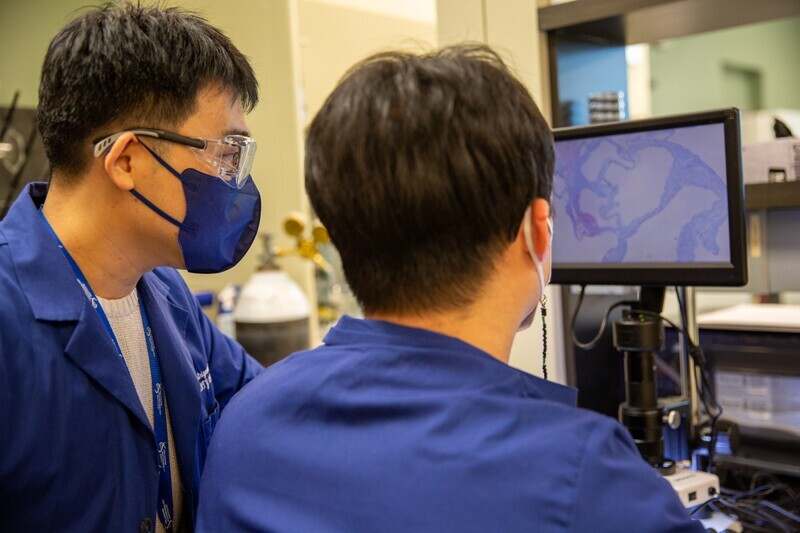
    Jae Kyeom Kim and Jeonghoon Pan
    Jae Kyeom Kim (left), assistant professor, conducts nutrition research with postdoctoral researcher Jeonghoon Pan. Credit: University of Delaware/ Ashley Barnas

    “Kim’s research discovered that apiaceous vegetables supported detoxification through an increase in antioxidant enzyme activity,” Trabulsi said. “The results suggest that apiaceous vegetables may provide protection against acrolein-induced damages and inflammation because, in the liver, the vegetables enhance the conversion of acrolein into a water-soluble acid for bodily excretion.”

    Daily Vegetable Intake Recommendations

    The next step was to determine a reasonable dosage amount for humans. Looking forward, Kim plans to integrate human intervention trials.

    “When we calculated this, we determined the actual daily calorie amount of apiaceous vegetables for humans is roughly 1 and 1/3 cups per day,” Kim said. “It doesn’t require a high intake to see a difference, and this is an achievable amount in daily life.”
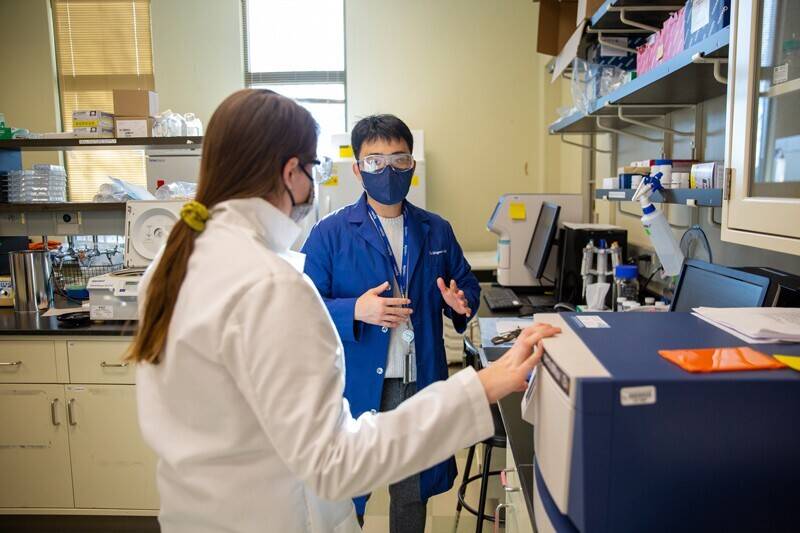
    Jae Kyeom Kim University of Delaware
    Jae Kyeom Kim, assistant professor of behavioral health and nutrition at the University of Delaware, discusses analyses of vegetable diet interventions with a graduate research assistant. Credit: University of Delaware/ Ashley Barnas

    Kim and his team stress the importance of implementing behavioral changes in diet as a solution to combat the buildup of toxicants derived from air pollution.

    “Research has identified that it is the totality of nutrients in fruits and vegetables that support beneficial health outcomes, rather than a single nutrient,” Trabulsi said. “Focusing on a healthy whole food diet is more impactful than relying on individual supplements.”

    Reference: “Apiaceous vegetables protect against acrolein-induced pulmonary injuries through modulating hepatic detoxification and inflammation in C57BL/6 male mice” by Mersady C. Redding, Jeong Hoon Pan, Young Jun Kim, Mona Batish, Jillian Trabulsi, Jin Hyup Lee and Jae Kyeom Kim, 10 January 2022, The Journal of Nutritional Biochemistry.
    DOI: 10.1016/j.jnutbio.2022.108939

    Never miss a breakthrough: Join the SciTechDaily newsletter.
    Follow us on Google and Google News.

    Diet Nutrition Pollution Smoking University of Delaware
    Share. Facebook Twitter Pinterest LinkedIn Email Reddit

    Related Articles

    Eating Fruit Could Help Protect Your Lungs From Air Pollution

    5 Lifestyle Factors Linked to Dementia

    7 Habits That Can Lower Your Risk of Dementia

    Study Links Diet Soda With Depression in Older Adults

    Diets High in Fructose Lead to Overeating

    Study Links Dietary Glycemic Load and Colon Cancer

    Study Suggests Whole Fruit May Prompt Kids to Make Healthier Choices

    A Low-Glycemic Diet is More Effective at Burning Calories

    Researchers Find Possible Link Between Diet Soda and Vascular Risks

    Leave A Reply Cancel Reply

    • Facebook
    • Twitter
    • Pinterest
    • YouTube

    Don't Miss a Discovery

    Subscribe for the Latest in Science & Tech!

    Trending News

    Scientists Discover Stem Cells That Could Regrow Teeth and Bone

    Early Cannabis Use May Stall Key Brain Skills in Teens

    Popular Vitamin D Supplement Has “Previously Unknown” Negative Effect, Study Finds

    Study Reveals Malaria’s Hidden Role in Human Evolution

    The Hidden Risk of Taking Breaks From Weight-Loss Drugs Like Ozempic

    Scientists Warn That This Common Pet Fish Can Wreck Entire Ecosystems

    Scientists Make Breakthrough in Turning Plastic Trash Into Clean Fuel Using Sunlight

    This Popular Supplement May Interfere With Cancer Treatment, Scientists Warn

    Follow SciTechDaily
    • Facebook
    • Twitter
    • YouTube
    • Pinterest
    • Newsletter
    • RSS
    SciTech News
    • Biology News
    • Chemistry News
    • Earth News
    • Health News
    • Physics News
    • Science News
    • Space News
    • Technology News
    Recent Posts
    • Beyond Inflammation: Scientists Uncover New Cause of Persistent Rheumatoid Arthritis
    • Cancer-Like Mutations Found in the Brain May Be Driving Alzheimer’s Disease
    • A Simple Molecule Could Unlock Safer, Easier Weight Loss
    • Stretching Diamonds Unlocks Powerful New Quantum Sensing Abilities
    • This Robot Could Explore Mars 3x Faster Than Today’s Rovers
    Copyright © 1998 - 2026 SciTechDaily. All Rights Reserved.
    • Science News
    • About
    • Contact
    • Editorial Board
    • Privacy Policy
    • Terms of Use

    Type above and press Enter to search. Press Esc to cancel.