
Close Menu
    Facebook X (Twitter) Instagram
    SciTechDaily
    • Biology
    • Chemistry
    • Earth
    • Health
    • Physics
    • Science
    • Space
    • Technology
    Facebook X (Twitter) Pinterest YouTube RSS
    SciTechDaily
    Home»Health»Yale Study Reveals Anti-Inflammatory Mechanism of Dieting and Fasting
    Health

    Yale Study Reveals Anti-Inflammatory Mechanism of Dieting and Fasting

    By Karen N. Peart, Yale UniversityFebruary 17, 2015No Comments3 Mins Read
    Facebook Twitter Pinterest Telegram LinkedIn WhatsApp Email Reddit
    Share
    Facebook Twitter LinkedIn Pinterest Telegram Email Reddit
    Researchers Reveal Anti-Inflammatory Mechanism of Dieting and Fasting
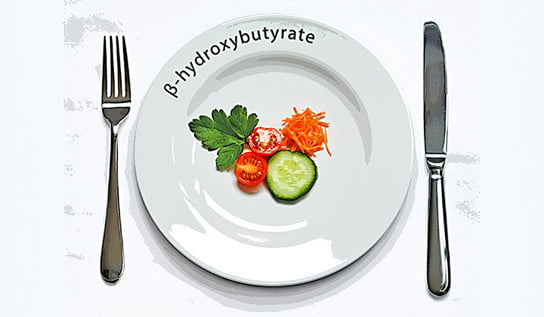
    Yale University’s research found that a compound produced during dieting or fasting can block the immune system’s role in inflammatory disorders like type 2 diabetes, atherosclerosis, and Alzheimer’s disease.

    New research from Yale University shows that a compound produced by the body when dieting or fasting can block a part of the immune system involved in several inflammatory disorders such as type 2 diabetes, atherosclerosis, and Alzheimer’s disease.

    In their study, published in the February 16 online issue of Nature Medicine, the researchers described how the compound ß-hydroxybutyrate (BHB) directly inhibits NLRP3, which is part of a complex set of proteins called the inflammasome. The inflammasome drives the inflammatory response in several disorders including autoimmune diseases, type 2 diabetes, Alzheimer’s disease, atherosclerosis, and autoinflammatory disorders.

    “These findings are important because endogenous metabolites like BHB that block the NLRP3 inflammasome could be relevant against many inflammatory diseases, including those where there are mutations in the NLRP3 genes,” said Vishwa Deep Dixit, professor in the Section of Comparative Medicine at Yale School of Medicine.

    BHB is a metabolite produced by the body in response to fasting, high-intensity exercise, caloric restriction, or consumption of the low-carbohydrate ketogenic diet. Dixit said it is well known that fasting and calorie restriction reduces inflammation in the body, but it was unclear how immune cells adapt to reduced availability of glucose and if they can respond to metabolites produced from fat oxidation.

    Working with mice and human immune cells, Dixit and colleagues focused on how macrophages — specialized immune cells that produce inflammation — respond when exposed to ketone bodies and whether that impacts the inflammasome complex.

    The team introduced BHB to mouse models of inflammatory diseases caused by NLP3. They found that this reduced inflammation, and that inflammation was also reduced when the mice were given a ketogenic diet, which elevates the levels of BHB in the bloodstream.

    “Our results suggest that the endogenous metabolites like BHB that are produced during low-carb dieting, fasting, or high-intensity exercise can lower the NLRP3 inflammasome,” said Dixit.

    Reference: “The ketone metabolite ß-hydroxybutyrate blocks NLRP3 inflammasome–mediated inflammatory disease” by Yun-Hee Youm, Kim Y Nguyen, Ryan W Grant, Emily L Goldberg, Monica Bodogai, Dongin Kim, Dominic D’Agostino, Noah Planavsky, Christopher Lupfer, Thirumala D Kanneganti, Seokwon Kang, Tamas L Horvath, Tarek M Fahmy, Peter A Crawford, Arya Biragyn, Emad Alnemri and Vishwa Deep Dixit,16 February 2015, Nature Medicine.
    DOI: 10.1038/nm.3804

    Other authors on the study include Yun-Hee Youm, Kim Y. Nguyen, Ryan W Grant, Emily L. Goldberg, Monica Bodogai, Dongin Kim, Dominic D’Agostino, Noah Planavsky, Christopher Lupfer, Thirumala D Kanneganti, Seokwon Kang, Tamas L. Horvath, Tarek M. Fahmy, Peter A. Crawford, Arya Biragyn, and Emad Alnemri.

    The research was funded in part by National Institutes of Health grants AI105097, AGO43608, AG031797, and DK090556.

    Never miss a breakthrough: Join the SciTechDaily newsletter.
    Follow us on Google and Google News.

    Diet Inflammation Medicine Yale University
    Share. Facebook Twitter Pinterest LinkedIn Email Reddit

    Related Articles

    Scientists Discover Surprise Link Between Metabolism and Immunity

    Yale Researchers Show Parents Underestimate Their Children’s Weight

    Yale Study Shows Metformin May be Safe for Patients with Kidney Disease

    Noninvasive Technique Measures Fruit and Vegetable Consumption

    Antifreeze Protein in Ticks Could Lead to New Antibiotics for Humans

    Study Finds Stimulant Use Increases by 30% During the School Year

    Yale Researchers Discover New Cancer Cell Vulnerability

    Yale Study Shows No Link between Hospital Readmissions and Death Rates

    Intensive Glycemic Control Does Not Definitively Reduce the Risk of Impaired Kidney Function

    Leave A Reply Cancel Reply

    • Facebook
    • Twitter
    • Pinterest
    • YouTube

    Don't Miss a Discovery

    Subscribe for the Latest in Science & Tech!

    Trending News

    Sitting Up Straight Could Actually Help You Make Better Decisions

    Never-Before-Seen Vortices Are Swirling Across the Sun

    This Common Amino Acid May Help the Body Fight Cancer and Viruses

    Low-Protein “Longevity Diet” Linked to Fat Loss, Muscle Preservation, and Healthy Aging

    How Prehistoric Poop Changed Earth’s Ecosystems Forever

    This Fossil Upends a Decades-Old Debate About Snake Evolution

    A Blood Test Years Before Cancer May Reveal a Hidden Warning Sign

    Starlink Satellites Reveal a Hidden Atmosphere 300 Miles Above Earth

    Follow SciTechDaily
    • Facebook
    • Twitter
    • YouTube
    • Pinterest
    • Newsletter
    • RSS
    SciTech News
    • Biology News
    • Chemistry News
    • Earth News
    • Health News
    • Physics News
    • Science News
    • Space News
    • Technology News
    Recent Posts
    • Tiny Fossil Overlooked for Decades Reveals a New Ice Age Species
    • Melting Sea Ice Could Be Changing the Clouds Above the Arctic
    • Ancient Neanderthal DNA May Give Some People More Muscle
    • These Overlooked Immune Cells Supercharge the Fight Against Cancer
    • The Surprising Reason a UTI Hurts So Much – and Why That Might Be a Good Thing
    Copyright © 1998 - 2026 SciTechDaily. All Rights Reserved.
    • Science News
    • About
    • Contact
    • Editorial Board
    • Privacy Policy
    • Terms of Use

    Type above and press Enter to search. Press Esc to cancel.