
Close Menu
    Facebook X (Twitter) Instagram
    SciTechDaily
    • Biology
    • Chemistry
    • Earth
    • Health
    • Physics
    • Science
    • Space
    • Technology
    Facebook X (Twitter) Pinterest YouTube RSS
    SciTechDaily
    Home»Health»Intensive Glycemic Control Does Not Definitively Reduce the Risk of Impaired Kidney Function
    Health

    Intensive Glycemic Control Does Not Definitively Reduce the Risk of Impaired Kidney Function

    By Karen N. Peart, Yale UniversityMay 31, 2012No Comments2 Mins Read
    Facebook Twitter Pinterest Telegram LinkedIn WhatsApp Email Reddit
    Share
    Facebook Twitter LinkedIn Pinterest Telegram Email Reddit
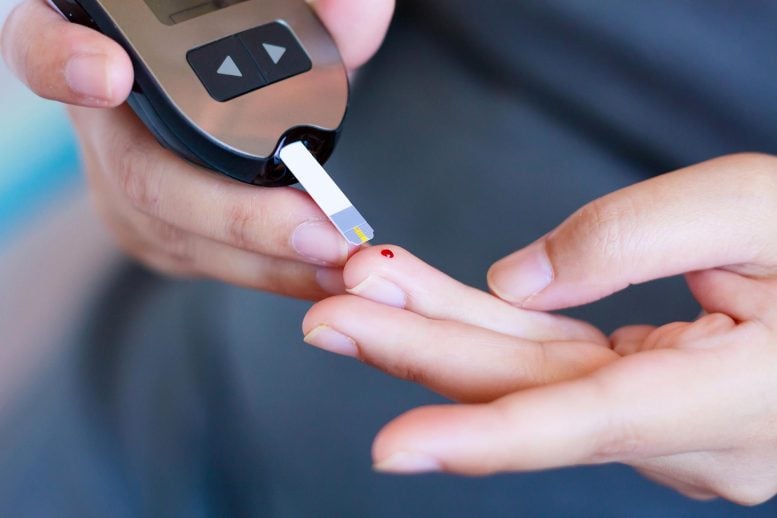
    Diabetes Glucose Blood Test
    Diabetes Glucose Blood Test

    By searching the available medical literature and evaluating seven randomized trials that involved 28,065 adult patients who were monitored for two to 15 years, researchers from Yale University found that compared with those who had usual treatment, intensively controlling glucose with higher doses of medication did not definitively reduce the risk of impaired kidney function, the need for dialysis, or death from kidney disease.

    Yale School of Medicine researchers have found that intensively controlling glucose (glycemic) levels in type-2 diabetes patients may not reduce the risk of kidney failure. The study, which is a review of data from seven clinical trials, is published in the May 28 issue of Archives of Internal Medicine.

    To test the hypothesis that aggressive glycemic control can prevent renal disease in patients with type 2 diabetes mellitus, first author Steven G. Coca of Yale and colleagues searched the available medical literature and evaluated seven randomized trials involving 28,065 adult patients who were monitored for two to 15 years.

    The team found that compared with those who had usual treatment, intensively controlling glucose with higher doses of medication did not definitively reduce the risk of impaired kidney function, the need for dialysis, or death from kidney disease.

    Coca said many researchers have presumed that such intensive treatment would benefit patients by protecting the kidneys, but these results question whether patients truly are better off with this approach.

    “After pooling the results from the follow-up data in the seven studies examined, our analysis shows that intensive glycemic control may improve some things about the kidney that we measure, but did not affect patients’ outcomes,” said Coca, assistant professor in the section of nephrology in the Department of Internal Medicine at Yale.

    Reference: “Role of Intensive Glucose Control in Development of Renal End Points in Type 2 Diabetes MellitusSystematic Review and Meta-analysis” by Steven G. Coca, DO, MS; Faramarz Ismail-Beigi, MD, PhD; Nowreen Haq, MD, MPH; Harlan M. Krumholz, MD, SM and Chirag R. Parikh, MD, PhD, 28 May 2012, Archives of Internal Medicine.
    DOI: 10.1001/archinternmed.2011.2230

    Other authors of the study include Faramarz Ismail-Beigi, Nowreen Haq, Harlan M. Krumholz, and Chirag R. Parikh.

    The study was funded in part by the National Heart, Lung, and Blood Institute Center for Cardiovascular Outcomes Research at Yale University. Krumholz is also the recipient of a research grant from Medtronic, Inc. through Yale University.

    Never miss a breakthrough: Join the SciTechDaily newsletter.
    Follow us on Google and Google News.

    Diabetes Disease Medicine Nephrology Yale University
    Share. Facebook Twitter Pinterest LinkedIn Email Reddit

    Related Articles

    Yale Study Identifies Apelin as a Therapeutic Target for Diabetes

    Study Shows Diabetes Drug Significantly Reduces Risk of Heart Failure

    Yale Study Shows One in Four Hepatitis C Patients Denied Initial Drug Therapy

    Scientists Reverse Type 2 Diabetes and Fatty Liver Disease

    Scientists Identify Link between Inflammation and Type 2 Diabetes

    Potential Over-Treatment of Diabetes in Older Adults

    Researchers May Have Pinpointed a Strategy for Eliminating Latent HIV

    Yale Study Shows Metformin May be Safe for Patients with Kidney Disease

    Muscle Mass and Chronic Kidney Disease

    Leave A Reply Cancel Reply

    • Facebook
    • Twitter
    • Pinterest
    • YouTube

    Don't Miss a Discovery

    Subscribe for the Latest in Science & Tech!

    Trending News

    Scientists May Have Found the Key to Jupiter and Saturn’s Moon Mystery

    Scientists Uncover Brain Changes That Link Pain to Depression

    Saunas May Do More Than Raise Body Temperature – They Activate Your Immune System

    Exercise in a Pill? Metformin Shows Surprising Effects in Cancer Patients

    Hidden Oceans of Magma Could Be Protecting Alien Life

    New Study Challenges Alzheimer’s Theories: It’s Not Just About Plaques

    Artificial Sweeteners May Harm Future Generations, Study Suggests

    Splashdown! NASA Artemis II Returns From Record-Breaking Moon Mission

    Follow SciTechDaily
    • Facebook
    • Twitter
    • YouTube
    • Pinterest
    • Newsletter
    • RSS
    SciTech News
    • Biology News
    • Chemistry News
    • Earth News
    • Health News
    • Physics News
    • Science News
    • Space News
    • Technology News
    Recent Posts
    • Scientists Discover Unexpected Climate Benefit Hidden in Forest Soils
    • The Grand Canyon’s “Swiss Cheese” Rocks Hold a Critical Secret
    • Scientists Discover 430,000-Year-Old Wooden Tools, Rewriting Human History
    • Scientists Make Breakthrough on 40-Year-Old 2D Physics Puzzle
    • As Cities Invade the Amazon, Yellow Fever Makes a Dangerous Comeback
    Copyright © 1998 - 2026 SciTechDaily. All Rights Reserved.
    • Science News
    • About
    • Contact
    • Editorial Board
    • Privacy Policy
    • Terms of Use

    Type above and press Enter to search. Press Esc to cancel.