
Close Menu
    Facebook X (Twitter) Instagram
    SciTechDaily
    • Biology
    • Chemistry
    • Earth
    • Health
    • Physics
    • Science
    • Space
    • Technology
    Facebook X (Twitter) Pinterest YouTube RSS
    SciTechDaily
    Home»Space»NASA’s Apollo 15 Captures Earth’s Crest Over the Lunar Horizon
    Space

    NASA’s Apollo 15 Captures Earth’s Crest Over the Lunar Horizon

    By NASAAugust 18, 2024No Comments2 Mins Read
    Facebook Twitter Pinterest Telegram LinkedIn WhatsApp Email Reddit
    Share
    Facebook Twitter LinkedIn Pinterest Telegram Email Reddit
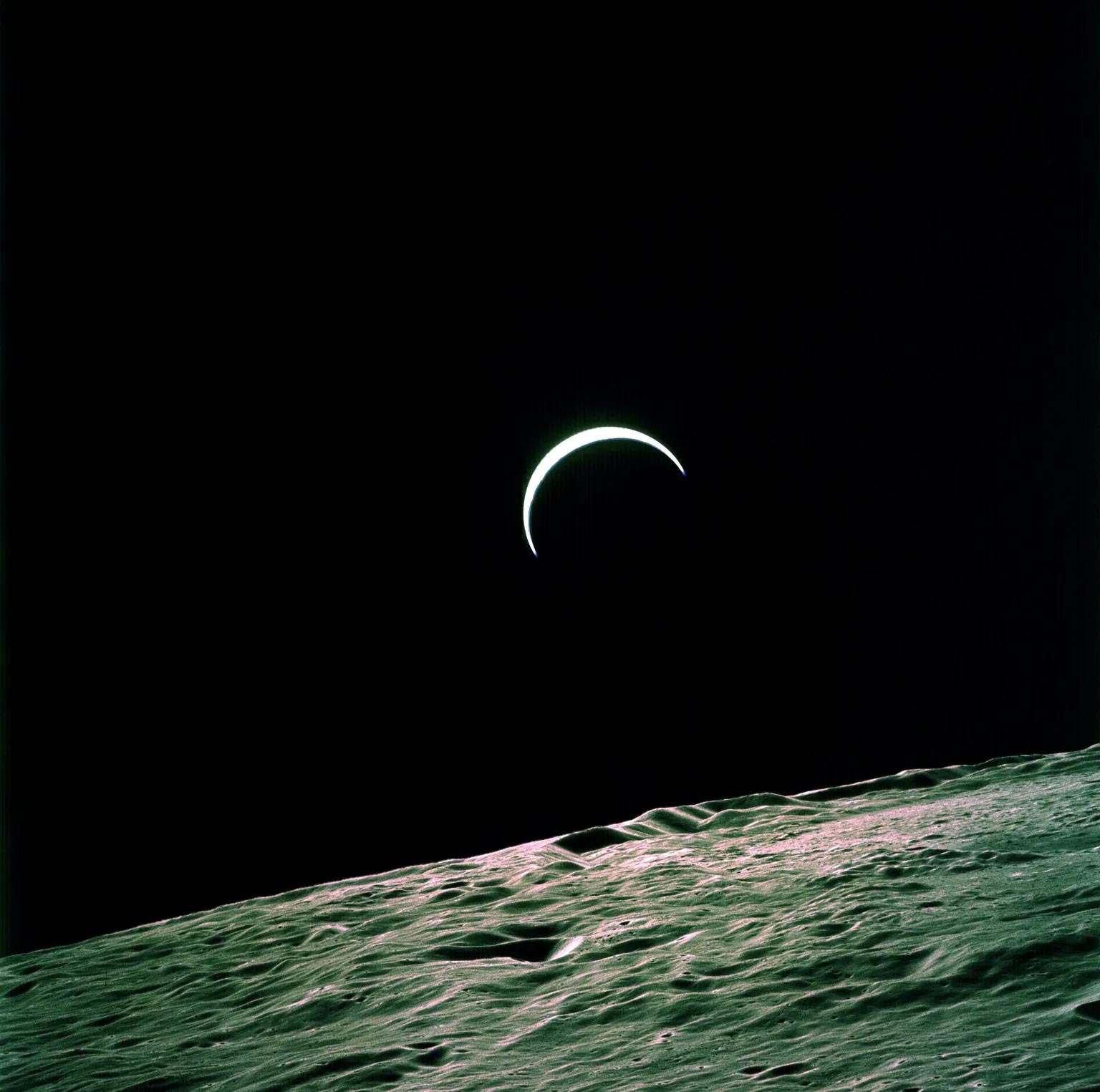
    Earth’s Crest Over the Lunar Horizon
    This view of the Earth’s crest over the lunar horizon was taken on July 29, 1971, during the Apollo 15 lunar landing mission. Astronauts David Scott, Alfred Worden, and James Irwin launched from NASA’s Kennedy Space Center in Florida aboard a Saturn V launch vehicle. Credit: NASA

    The Apollo 15 mission in 1971 marked a major advancement in lunar exploration with the debut of a sophisticated lunar rover. Astronauts Scott, Worden, and Irwin carried out extensive scientific experiments and explored new terrain during this groundbreaking journey.

    This view of the Earth’s crest over the lunar horizon was taken on July 29, 1971, during the Apollo 15 lunar landing mission. Astronauts David Scott, Alfred Worden, and James Irwin launched from NASA’s Kennedy Space Center in Florida aboard a Saturn V launch vehicle.

    Designed to explore the Moon over longer periods, greater ranges, and with more instruments for the collection of scientific data than before, Apollo 15 included the introduction of a $40 million lunar roving vehicle (LRV) that reached a top speed of 10 mph (16 kph) across the Moon’s surface.

    Apollo 15 Lunar Roving Vehicle
    This photograph, taken during the Apollo 15 mission on the lunar surface, shows Astronaut David R. Scott in the Lunar Roving Vehicle (LRV) for the return trip to the Lunar Module, Falcon, with rocks and soil collected near the Hadley-Apernine landing site. Apollo 15 was the first mission to use the LRV, a lightweight, battery powered electric car that provided the astronauts with improved mobility. Overall, the LRV enabled the Apollo 15 crew to log a record 18 hours, 37 minutes of exploration, traversed a total of 17.5 miles, and returned stunning live TV images to Earth. The LRV was designed and developed by the Marshall Space Flight Center in Huntsville, Alabama. Credit: NASA/MSFC

    Upon landing on the Moon at the Hadley-Apennine site, Scott and Irwin conducted four spacewalks, including three excursions using the LRV, for a combined total of 19 hours. Worden remained in orbit aboard the command module Endeavour.

    See more photos from the Apollo 15 mission.

    Never miss a breakthrough: Join the SciTechDaily newsletter.
    Follow us on Google and Google News.

    Astronomy Moon NASA
    Share. Facebook Twitter Pinterest LinkedIn Email Reddit

    Related Articles

    Don’t Miss: Mars and the Wolf Moon Align in Epic Sky Spectacle

    Five Fascinating Facts About the Moon

    Unraveling the Moon Illusion: How It Plays Tricks on Your Eyes

    Don’t Miss November’s Dazzling Supermoon and Cosmic Spectacle

    Last Chance To See a Supermoon in 2024 – What Makes This “Beaver” Moon Special

    Tonight’s Must-See: The Hunter’s Moon Shines As 2024’s Brightest Supermoon

    Don’t Miss September’s Sky Show: The Harvest Moon Eclipse

    August 2024 Supermoon Rises Over “Rocket City”

    Super Blue Moons Uncovered: Your Complete Guide

    Leave A Reply Cancel Reply

    • Facebook
    • Twitter
    • Pinterest
    • YouTube

    Don't Miss a Discovery

    Subscribe for the Latest in Science & Tech!

    Trending News

    Long COVID Brain Scans Reveal Damage to Dopamine Neurons

    Scientists Warn a Silent Oxygen Crisis Is Spreading Through Earth’s Waters

    James Webb Telescope Discovers Hidden Giant Planet in Famous Star System

    Scientists Build the First 3D Cloak That Makes Objects Invisible To Heat

    Common Food Additive Linked To Gut Inflammation

    Black Hole Collisions May Follow a Surprisingly Simple Rule

    The Eye Has a Hidden Cleanup System and Scientists Just Discovered It

    The Truth About Vikings Is More Complicated Than Museums Admit

    Follow SciTechDaily
    • Facebook
    • Twitter
    • YouTube
    • Pinterest
    • Newsletter
    • RSS
    SciTech News
    • Biology News
    • Chemistry News
    • Earth News
    • Health News
    • Physics News
    • Science News
    • Space News
    • Technology News
    Recent Posts
    • A Rare and Deadly Cancer May Have an Unexpected New Vulnerability
    • Sleep Disorders Don’t Just Exhaust You. New Research Shows They Change Your Brain
    • THC-CBD Treatment Dramatically Reduces Agitation in Dementia Trial
    • Rare 8,000-Year-Old Rock Shelter Captures a Turning Point in Human History
    • The Lost “Golden Age” of Human Language
    Copyright © 1998 - 2026 SciTechDaily. All Rights Reserved.
    • Science News
    • About
    • Contact
    • Editorial Board
    • Privacy Policy
    • Terms of Use

    Type above and press Enter to search. Press Esc to cancel.