

Learn key facts about the Moon: from its significant distance and relative size compared to Earth to its distinctive color changes and geological features like the lunar mare, formed from ancient volcanic activity.
Looking to impress your friends during a moonlit night? Here are five fascinating facts about the Moon to share while admiring our natural satellite.
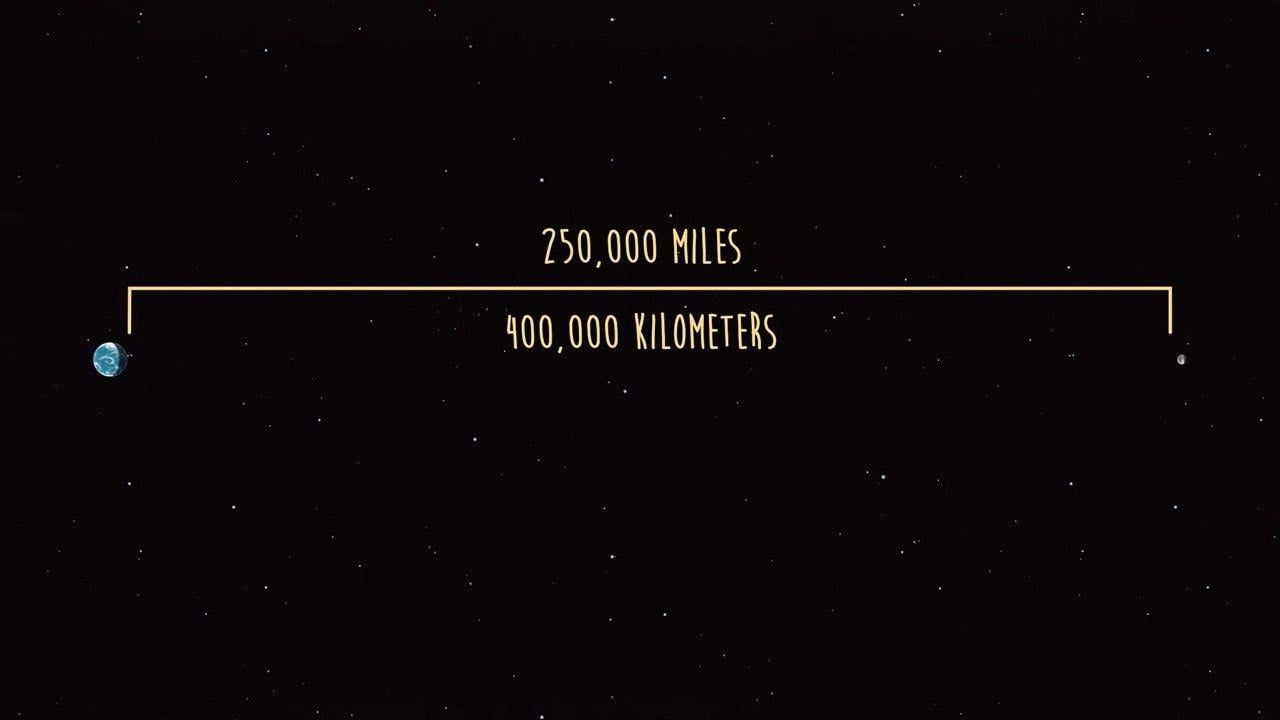
1) How far away is the Moon?
The Moon is farther from Earth than most people realize. Its average distance is about 250,000 miles (400,000 kilometers) — roughly a quarter of a million miles. To put that in perspective, you could just about fit all the other seven major planets in the solar system within the space separating Earth and the Moon.

Thanks to reflectors placed on the Moon by astronauts from three Apollo missions, including Apollo 11, scientists can measure this distance with incredible precision. These reflectors have also revealed an intriguing fact: the Moon is slowly drifting away from Earth at a rate of 1.5 inches (nearly 4 centimeters) per year.

2) How big is the Moon?
This one’s another easy approximation to remember: The Moon is about one-fourth (or a quarter) the size of Earth in width. Put another way, Earth is about four times wider than the Moon.
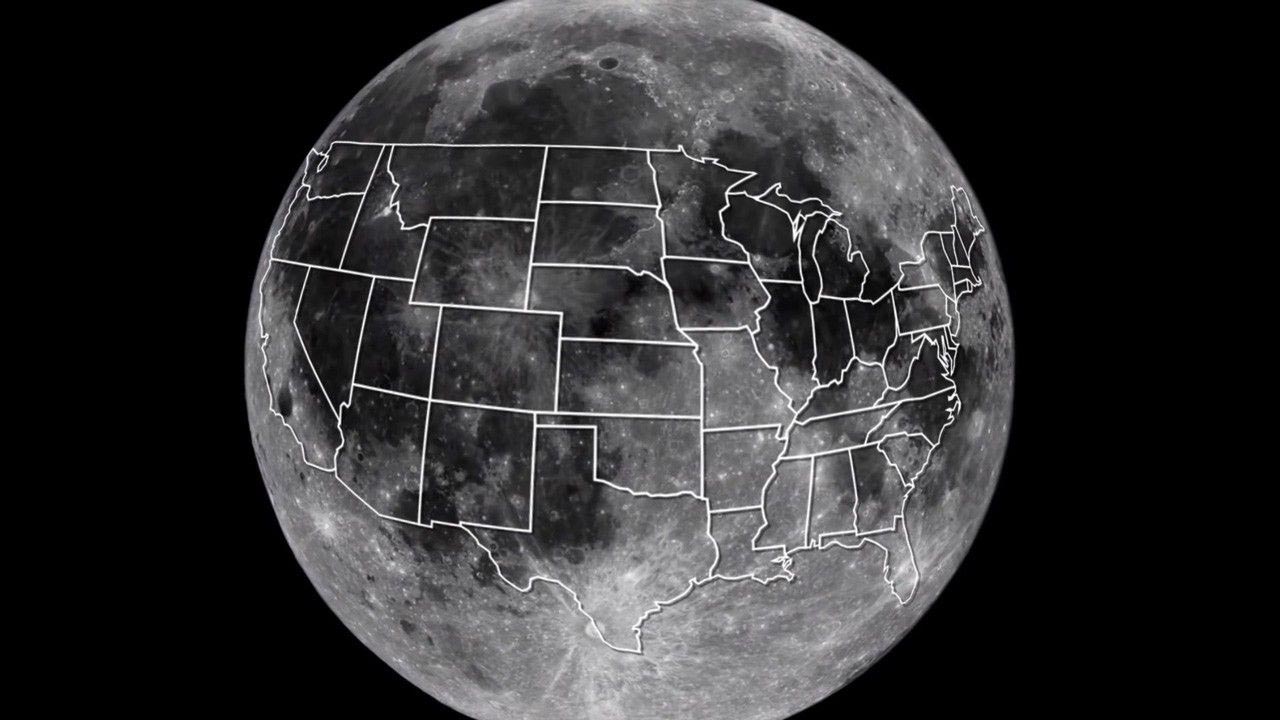
That’s just about as wide as the United States or Europe.
3) What color is the Moon?
The Moon tends to look sort of orange or amber colored when it’s rising or setting, and more whitish when it’s high overhead. But it might surprise you that it looks different up close. The orangey colors are caused by the Moon’s light passing through Earth’s atmosphere to reach your eyes. And the bright whitish appearance (would call it “eggshell,” or maybe “bone”?) results from its surface being brightly illuminated by the Sun. (The Moon doesn’t emit its own light – it reflects light from the Sun.)
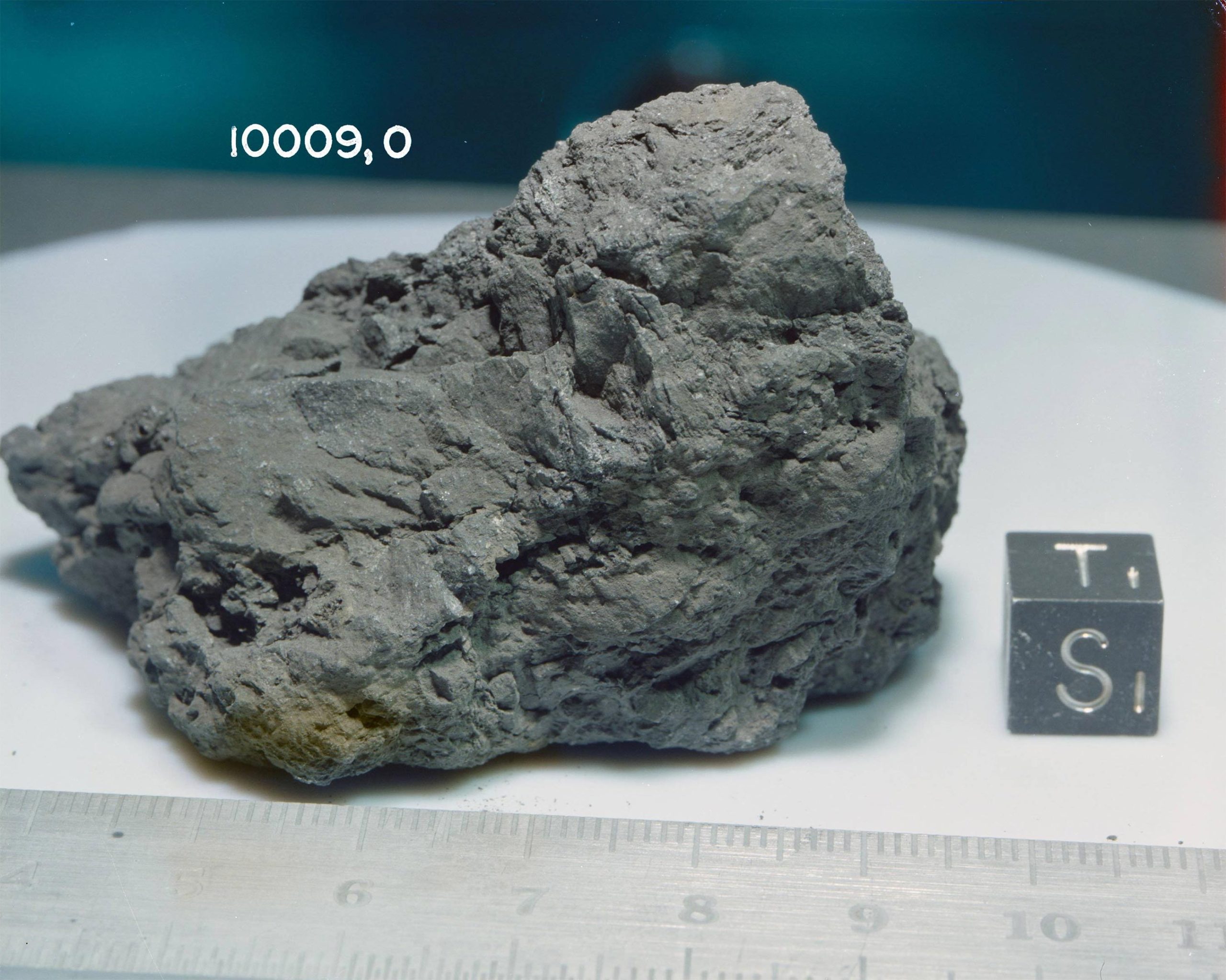
Up close, the Moon’s surface is mostly shades of gray, in particular the color of old, well-worn asphalt.
4) Why do we always see the same side of the Moon?
It may not look like it from here on Earth, but the Moon really does rotate on its axis, much like Earth does. We always see essentially the same face of the Moon because it orbits around Earth in the same amount of time it takes to rotate. (The reason is related to gravity and the same forces that cause daily ocean tides.)
A side note is that, since it’s rotating, there really is no permanent dark side of the Moon. The changing phases of the Moon demonstrate how the region of its surface illuminated by the Sun revolves around the Moon every month, over the course of the lunar day.
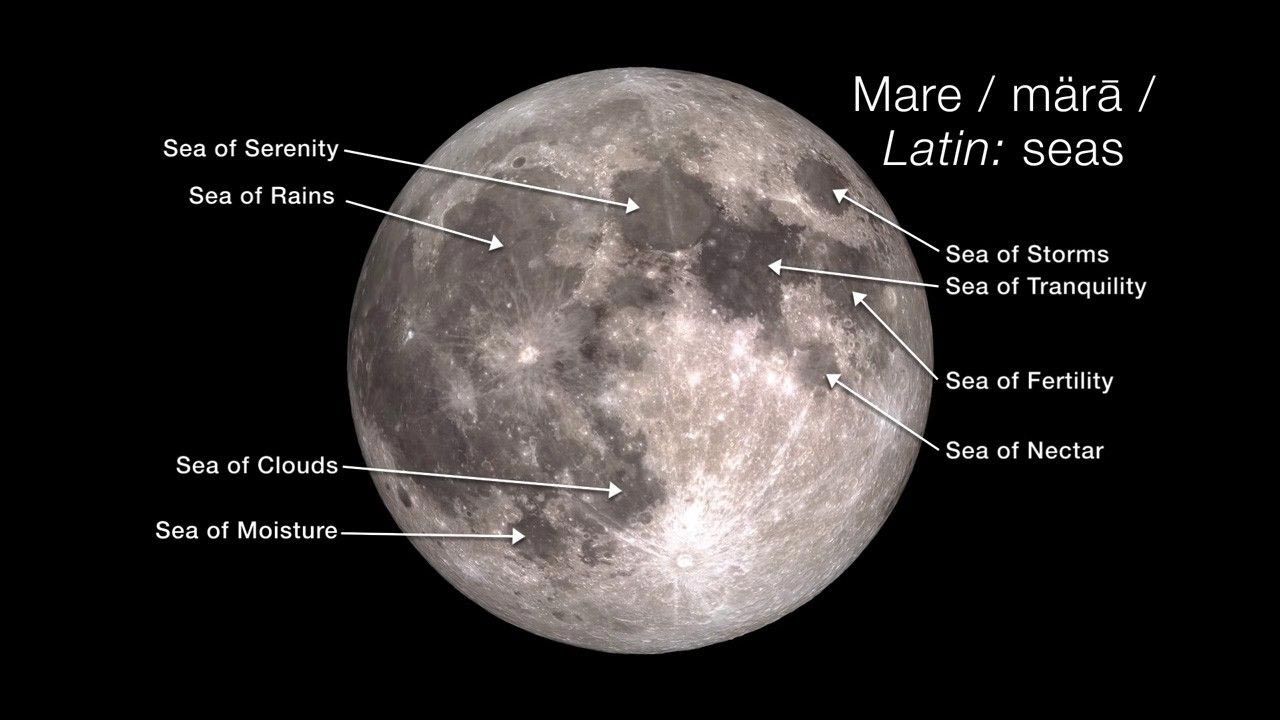
5) What are the dark areas on the Moon?
One of the main things you notice when observing the Moon is that it has a bright and dark areas across its surface. (Everybody’s familiar with the “Man in the Moon,” right?)
The dark areas are known as “mare” (pronounced MAH-ray), which is the Latin word for seas. The lunar mare are volcanic basins created in the aftermath of ancient impacts billions of years ago. After the impacts, the craters filled with lava, which eventually cooled to form smooth, dark plains. Dark lava rock of this kind, known as basalt (pronounced bah-SALT), is also found here on Earth.
One of the most famous mare is the Sea of Tranquility. This was the landing site chosen for Apollo 11, in part because it was fairly smooth and level.
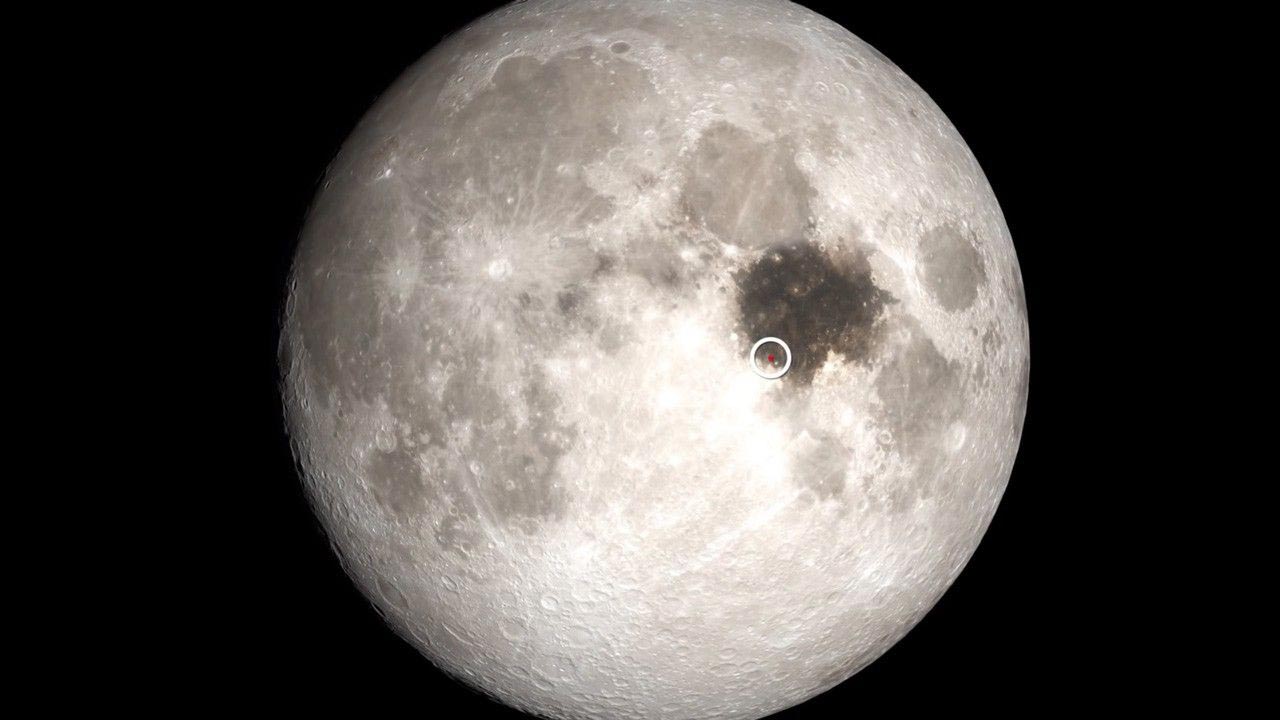
50 years on, NASA continues to reveal the Moon’s secrets, with an eye toward sending the next human astronauts there in the near future with NASA’s Artemis program.
Never miss a breakthrough: Join the SciTechDaily newsletter.
Follow us on Google and Google News.
3 Comments
On the internet, they put the distance between the moon and the earth as 1/3 of a second, and the light travels 1/3 of the distance of 390,000 km in this time, but in this article, you stated that the distance between the moon and the earth is 400,000 km. Did the scientists reach this conclusion recently? NASA is easy to translate the word NASA. In my opinion, NASA made the work of astronomy researchers easy for their scientists
😉
A Brave search gives the distance at 370,000 to 405,000 KM.