
JMU scientists studied insulin-producing cells in fruit flies, finding that secretion is influenced by gut hormones, decreases with age, and has minimal impact on foraging, offering insights into human metabolism.
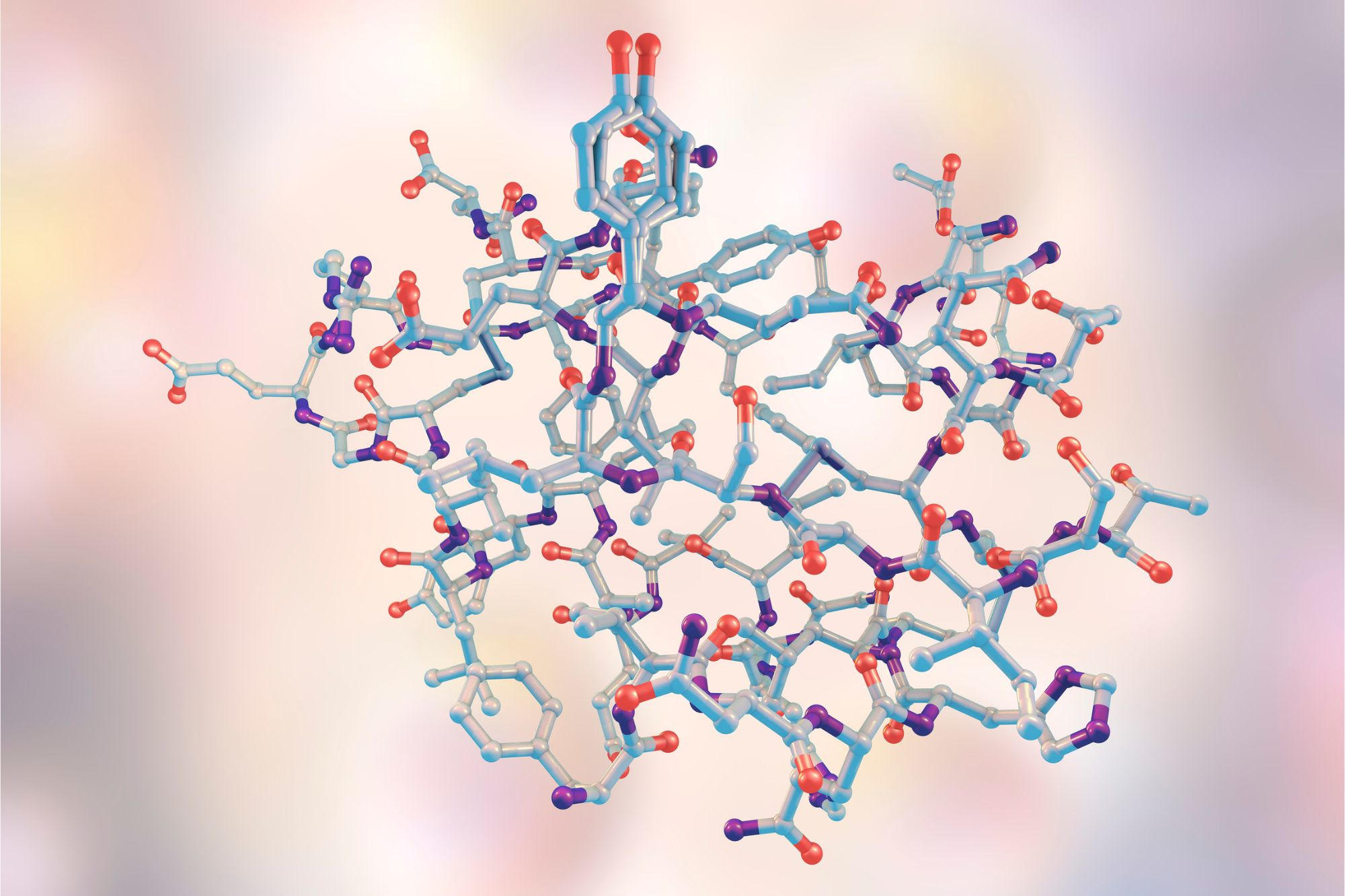
Insulin is a key hormone that regulates metabolism in many living organisms. When food is abundant, insulin facilitates the absorption and storage of energy. During periods of hunger, insulin production decreases, prompting the body to conserve energy or seek alternative sources. Maintaining a precise balance in this system is essential for survival; disruptions can lead to diabetes and other metabolic disorders.
In humans, insulin is produced in the pancreas. In contrast, the fruit fly Drosophila generates insulin in specialized nerve cells within the brain. These cells release insulin directly into the hemolymph, the insect equivalent of blood. Despite this difference, the insulin system in Drosophila closely resembles that of humans.
Published in the Journal eLife
Scientists at Julius-Maximilians-Universität Würzburg (JMU) in Bavaria, Germany, have now taken a closer look at the insulin-producing cells of the fruit fly. They aimed to unravel how these cells in the fly’s brain work together with other neurons to produce a concerted response to metabolic demands and internal state changes.

The results have been published in the scientific journal eLife. Dr. Jan Ache, head of an Emmy Noether group at the Department of Neurobiology and Genetics at the JMU Biocentre, is responsible for the study.
Tracking the Activity of Individual Cells
How do insulin-producing cells (IPC) in living insects react to changes in energy balance? Little is known about this so far. To close this knowledge gap, Jan Ache’s team used an approach that allows recording the activity of individual IPCs in living fruit flies under different conditions.
They found that the IPCs release insulin when the flies ingest sugar with their food – but not when sugar is injected directly into the hemolymph.
‘In humans, this phenomenon is known as the incretin effect,’ explains Jan Ache. It suggests that insulin secretion is not simply controlled by the rise in blood sugar levels, but by more complex mechanisms involving gut hormones.
The JMU team also found that IPC activity is much lower in older flies. It is therefore possible that the way in which the insects process sugar changes with age – similar to humans.
Influence on Foraging Behaviour Investigated
The foraging behavior of fruit flies is closely linked to fluctuations in their energy reserves, which in turn are linked to insulin secretion. The Würzburg team also wanted to find out more about these relationships.
The researchers therefore stimulated the IPCs optogenetically – mimicking what normally happens after a meal and a rise in sugar levels. It turned out that the insulin-producing cells play only a minor role in modulating foraging behavior compared to other nerve cells.
Studies May be Relevant for Humans
‘With our experiments, we have refined our knowledge of the circuits that control insulin secretion in fruit flies,’ says Jan Ache. This now enables further investigations, which could ultimately lead to findings that are relevant to human health and diseases such as diabetes. Although humans and fruit flies are very different in appearance, they have some similarities in their genetics and metabolism, including the function of the nervous system and core aspects of metabolic regulation.
Reference: “Nutritional state-dependent modulation of insulin-producing cells in Drosophila” by Rituja S Bisen, Fathima Mukthar Iqbal, Federico Cascino-Milani, Till Bockemühl and Jan M Ache, 29 January 2025, eLife.
DOI: 10.7554/eLife.98514
Never miss a breakthrough: Join the SciTechDaily newsletter.
Follow us on Google and Google News.