
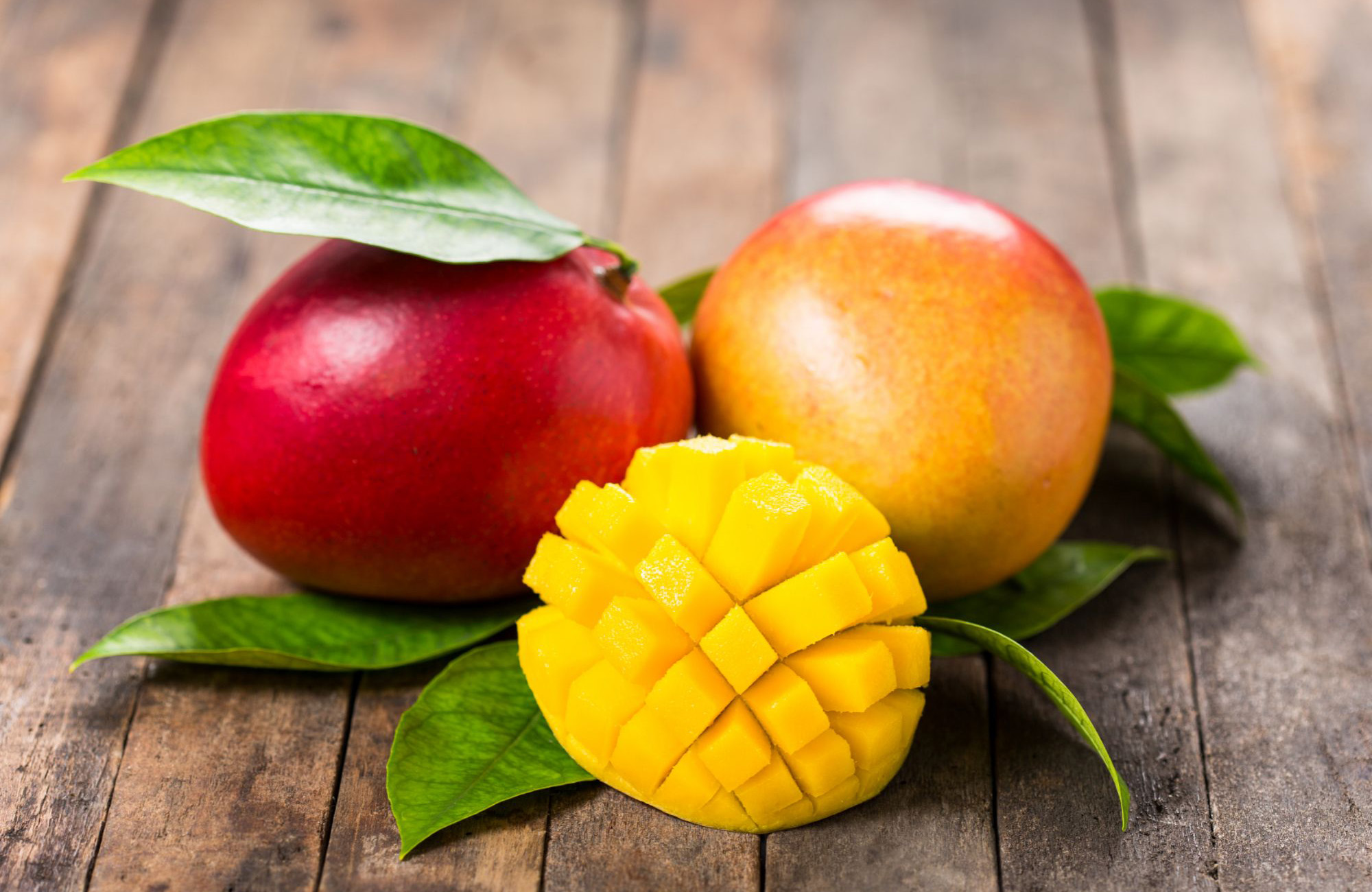
New research suggests that mangos may help reduce insulin resistance in overweight or obese adults.
New research highlights a potential breakthrough for cardiometabolic health: fresh mango consumption. A recent study published in Nutrients suggests that eating two cups of mango daily—approximately 100 calories—may lower insulin levels and improve insulin sensitivity in overweight or obese adults with chronic low-grade inflammation. These findings emphasize how simple dietary choices can help reduce the risk of chronic conditions like type 2 diabetes, which is closely linked to heart health.
Conducted at the Illinois Institute of Technology, the study involved 48 adults aged 20–60. Researchers compared the effects of fresh mango consumption to a calorie-matched control food, Italian ice (a sweetened frozen dessert similar to sorbet), on inflammation and insulin sensitivity.
Results showed that participants who consumed mango experienced significant reductions in insulin resistance, as measured by the Homeostasis Model Assessment of Insulin Resistance (HOMA-IR). Additionally, beta-cell function—reflecting the pancreas’s ability to produce and release insulin—significantly improved, as indicated by the disposition index (DI), a key marker of the body’s ability to regulate blood sugar levels.
Key Findings: Improved Insulin Sensitivity
After four weeks, those in the mango group also had significantly lower insulin concentrations in response to an oral glucose tolerance test (OGTT) compared to the beginning of the study, while no changes were observed in the control group.
“Managing blood glucose isn’t just about monitoring blood sugar levels—it’s about improving insulin sensitivity,” says [Indika Edirisinghe, PhD, Professor of Food Science and Nutrition]. “Our study suggests that adding fresh mangos to the diet can be a simple, enjoyable way for people who are overweight or have obesity to support better insulin function and reduce type 2 diabetes risk.”
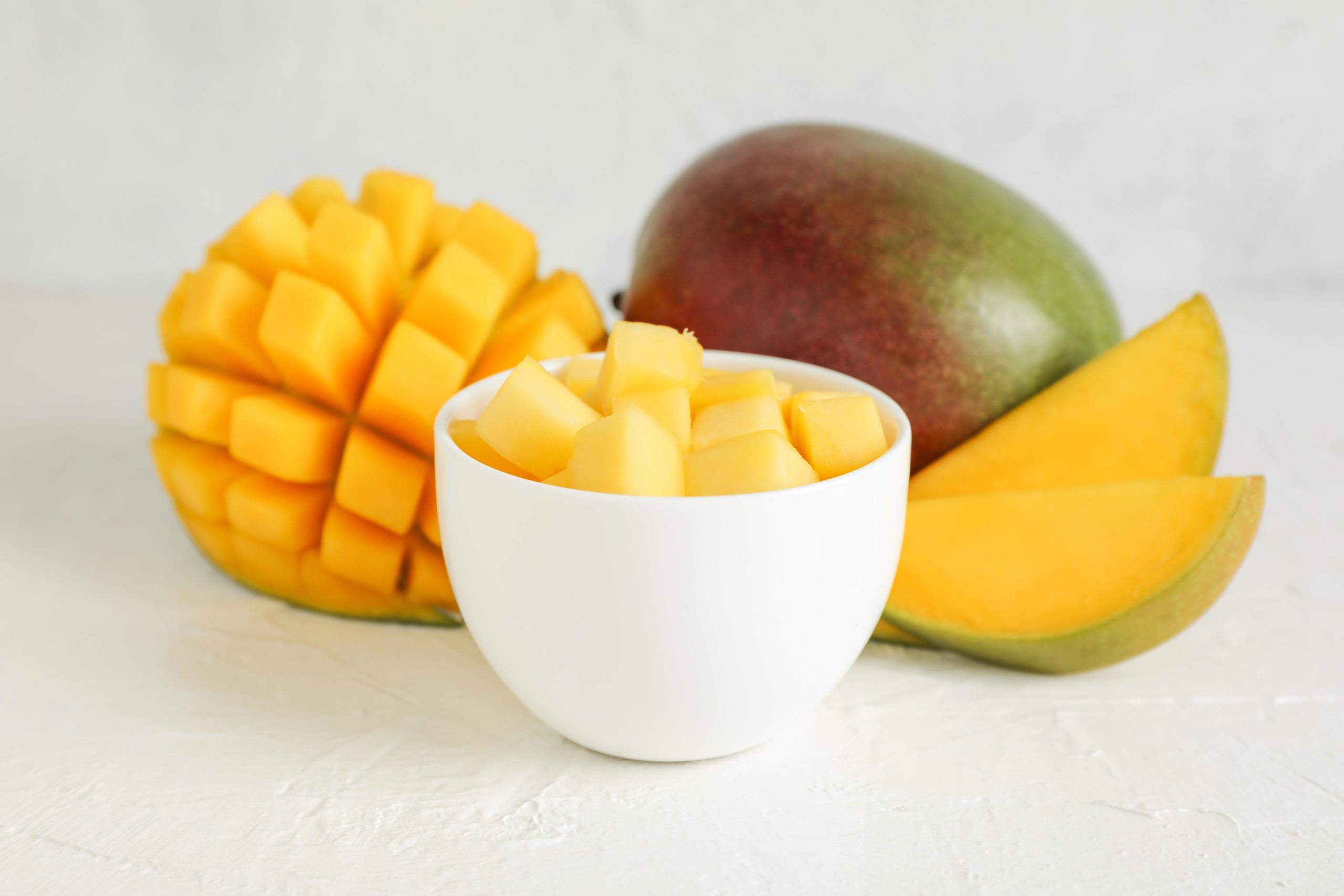
Notably, despite eating calorically comparable foods, body composition remained stable in the mango group, whereas the control group experienced a slight but significant increase in body weight. Additional study findings showed markers of inflammation (IL-6, TNFα, hs-CRP) and glucose levels were not significantly different between the two groups at the end of the study, making mangos a heart-healthy swap for calorically comparable sweet treats. There were also no differences between interventions in fasting total cholesterol, LDL cholesterol, HDL cholesterol, or triglycerides.
Challenging Misconceptions About Mangos and Sugar
“The improvement in insulin sensitivity in the mango group, without changes in body weight, is noteworthy – which counters misconceptions about mangos’ natural sugar content and impact on obesity and diabetes,” says Edirisinghe. “These findings support previous research showing that eating mango does not lead to weight gain, and while the exact mechanism is still unknown, the role of improved antioxidant status from mango consumption may be the mediating factor on blood glucose control.”
These findings further reinforce the importance of fresh fruit, particularly mangos, as part of a heart-healthy lifestyle and dietary habits that aid blood sugar control, weight management, and overall wellness.
About the Study
Study inclusion criteria included having a BMI ≥ 25 kg/m2, high sensitivity C-reactive protein (>1.0 and <10.0 ng/L, and fasting blood sugar >100 mg/dL and <126 mg/dL. Those taking multivitamins or polyphenol supplements, statins, following a vegan diet or having diseases related to metabolic syndrome were excluded.
The mangos provided were a combination of Kent (126.9 g/serving) and Keitt (38.1 g/serving) varieties and beyond the intervention or control food, participants were instructed to keep their normal diet and lifestyle. Study tests (e.g., body composition) and food pick-up occurred 5 times throughout the study, and participants were required to keep three-day food records to monitor compliance.
A strength of this study was its design: a 4-week randomized, placebo-controlled, single-blinded, parallel design conducted in free-living conditions, alongside assessments of both fasting and postprandial glycemic responses. This approach enabled a comprehensive evaluation of hepatic and peripheral insulin sensitivity. Limitations of the study included: study timing aligning with the COVID-19 pandemic which may have impacted inflammation data and interpretation of results; and the absence of measuring for mango metabolites.
Reference: “Mango Consumption Is Associated with Increased Insulin Sensitivity in Participants with Overweight/Obesity and Chronic Low-Grade Inflammation” by Katherine D Pett, Peter Geevarghese Alex, Casey Weisfuss, Amandeep Sandhu, Britt Burton-Freeman and Indika Edirisinghe, 28 January 2025, Nutrients.
DOI: 10.3390/nu17030490
This study was supported through an unrestricted grant from the National Mango Board (NMB). NMB had no influence over the study or its findings.
Never miss a breakthrough: Join the SciTechDaily newsletter.
Follow us on Google and Google News.