
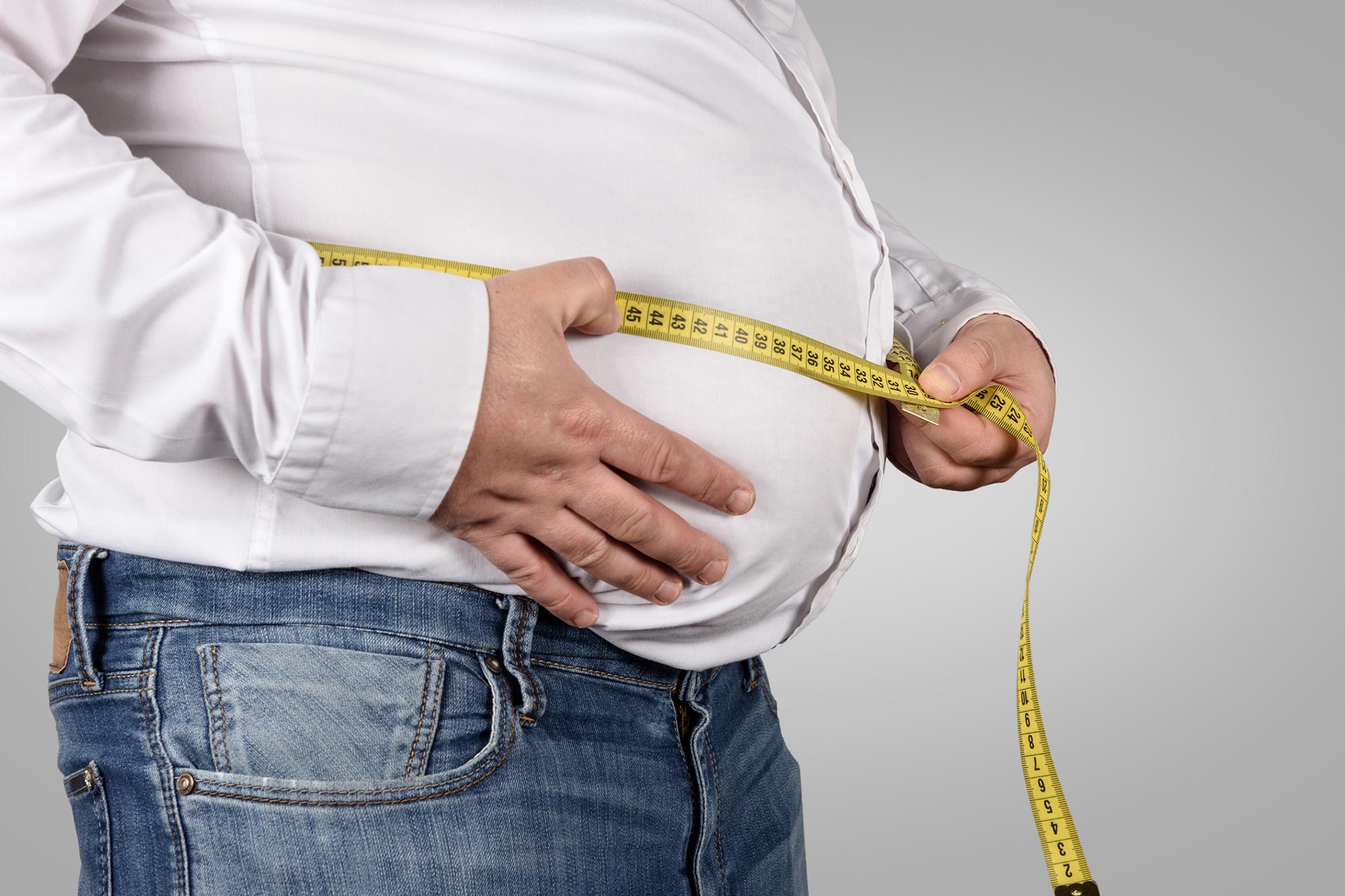
Intermittent fasting is an effective method for weight loss and enhances cardiovascular health in individuals with obesity.
A research team led by the University of Granada (UGR), the Public University of Navarra (UPNA), and the CIBER has demonstrated that intermittent fasting—limiting eating hours and extending daily fasting periods—is an effective strategy for weight loss and improving cardiovascular health in individuals with obesity.
Published in the renowned journal Nature Medicine, the study shows that finishing the last meal before 5 p.m. and skipping dinner is a safe and effective approach to reducing subcutaneous abdominal fat, the layer of fat beneath the skin. This method is particularly beneficial after periods of overeating, such as during the holiday season.
In Spain, overweight and obesity affect 70% of men and 50% of women. These conditions are closely linked to metabolic disorders like type 2 diabetes and significantly increase the risk of cardiovascular diseases, hypertension, and certain cancers. This widespread weight gain not only diminishes quality of life but also poses a serious burden on the public health system. Ongoing scientific research is focused on developing effective and practical strategies to address this growing health crisis, now officially recognized as a disease.
Calorie-restriction diets help weight loss and improve cardiovascular health. However, they are not easy to maintain in the long term and often lead to most people eventually dropping out of treatment and thus regaining lost weight, or even gaining more than their starting weight.
Faced with the difficulties of maintaining adherence to traditional calorie restriction, new nutritional strategies are emerging. One of these is intermittent fasting, which consists of alternating periods of eating with periods of fasting ranging from hours to days. One type of intermittent fasting that has gained popularity in recent years is that which reduces the number of hours of intake and extends the hours of fasting each day. This is known as time-restricted eating.
Normally, in Spain, people have their first breakfast at 7-8 a.m. and dinner at 21-22 p.m., so they have a 12-14 hour window of intake. In this type of intermittent fasting, the intake window is reduced from 12-14 hours to 6-8 hours, and people fast for 16-18 hours. This nutritional strategy helps to maintain a daily cycle of eating and fasting, which stabilises our body’s biological rhythms. We know that eating irregularly or at night disrupts these rhythms and increases the risk of obesity, cardiovascular disease, and type 2 diabetes.
The research group PROFITH CTS-977 of the Department of Physical Education and Sports, Faculty of Sports Sciences and the Sport and Health University Research Institute (iMUDS) led by Dr. Jonatan Ruiz, in collaboration with ibs.Granada, the University Hospital Clínico San Cecilio and the University Hospital Virgen de las Nieves of Granada, as well as the research group led by Dr. Idoia Labayen of the University of Granada, in collaboration with Dr. Idoia Labayen of the University of Granada and the University Hospital Virgen de las Nieves of Granada. Idoia Labayen from the Public University of Navarra and the University Hospital of Navarra, together with the CIBER on Obesity (CIBEROBN) and the CIBER on Frailty and Healthy Ageing (CIBERFES) have investigated the effects of a 12-week intervention with three different fasting strategies: early fasting (intake sale: approximately 9:00-17:00), late fasting (approximately 14:00-22:00), and self-selected fasting, where people could select the time slot in which they wanted to eat, and did so on average between 12 am and 8 pm.
Study with 197 participants
In addition, all people participating in the study also received the standard treatment, which consisted of a nutrition education program on the Mediterranean diet and healthy lifestyles. In this randomized, controlled, multicentre trial, conducted in Granada (southern Spain) and Pamplona (northern Spain) and one of the largest to date, a total of 197 people (50% women) aged 30-60 years participated. Participants were randomly assigned to one of the following groups: treatment as usual (49 participants), early fasting (49 participants), late fasting (52 participants), or self-selected fasting (47 participants).
This study was part of the doctoral thesis of Manuel Dote-Montero, who is currently a postdoctoral fellow at the prestigious National Institute of Diabetes and Digestive and Kidney Diseases (NIDDK) in the United States.
Manuel Dote-Montero, together with Antonio Clavero Jimeno, a predoctoral researcher at the UGR, and Elisa Merchán Ramírez, a postdoctoral researcher at the UGR, led this study in Granada, and indicate that it is unclear whether the timing of the intake window – early, late or self-selected – may have a different effect on weight loss, visceral fat (i.e. fat surrounding organs in the abdominal area) or overall cardiovascular health in people who are overweight or obese.
The results of the study, published in the prestigious journal Nature Medicine, reveal that intermittent fasting showed no additional benefits over a nutrition education program in reducing visceral fat. However, the fasting groups, regardless of the timing of intake, achieved greater weight loss, on average 3-4 kg, compared to the usual treatment group who continued with their intake window of at least 12 hours. Notably, the early fasting group reduced abdominal subcutaneous fat, i.e. the fat just under the skin, to a greater extent.
The study also assessed fasting and 24-hour glucose levels using a continuous glucose monitor worn by participants for 14 days before and at the end of the intervention. The results show that the early fasting group significantly improved fasting glucose levels and overnight glucose compared to the other groups.
Regulating glucose
These findings suggest that early fasting may be especially beneficial in optimizing glucose regulation, which may help prevent diabetes and improve metabolic health. By not eating at night allows the body more time to digest and process nutrients, better regulation of blood glucose is facilitated, thus reducing the risk of developing sugar problems and other metabolic disorders, says Dr. Labayen, principal investigator of the study in Pamplona and member of CIBEROBN together with Dr. Jonatan Ruiz and Dr. Manuel Muñoz (CIBERFES).
The researchers stress that all the fasting groups had a high adherence rate and no serious adverse events were recorded. Intermittent fasting is therefore presented as a safe and promising strategy for managing body weight and improving cardiovascular health in people who are overweight or obese. This information could be crucial for improving the efficacy of nutritional interventions in such populations.
Reference: “Effects of early, late and self-selected time-restricted eating on visceral adipose tissue and cardiometabolic health in participants with overweight or obesity: a randomized controlled trial” by Manuel Dote-Montero, Antonio Clavero-Jimeno, Elisa Merchán-Ramírez, Maddi Oses, Jon Echarte, Alba Camacho-Cardenosa, Mara Concepción, Francisco J. Amaro-Gahete, Juan M. A. Alcántara, Alejandro López-Vázquez, Rocío Cupeiro, Jairo H. Migueles, Alejandro De-la-O, Patricia V. García Pérez, Victoria Contreras-Bolivar, Araceli Muñoz-Garach, Ana Zugasti, Estrella Petrina, Natalia Alvarez de Eulate, Elena Goñi, Cristina Armendariz-Brugos, Maria T. González Cejudo, Jose L. Martín-Rodríguez, Fernando Idoate, Rafael Cabeza, Almudena Carneiro-Barrera, Rafael de Cabo, Manuel Muñoz-Torres, Idoia Labayen and Jonatan R. Ruiz, 7 January 2025, Nature Medicine.
DOI: 10.1038/s41591-024-03375-y
Never miss a breakthrough: Join the SciTechDaily newsletter.
Follow us on Google and Google News.
3 Comments
Information on intermittent fasting early vs late very helpful. I have type 2 diabetes which I am determined to control with diet and exercise. I do not take any prescription s for diabetes so far (since 2006). I am 74.
@Kelly, good for you. I am also determined to beat my Type 2 Diabetes diagnosis by eating more vegetables, drinking more water, and exercising.
I’m intrigued by the study and its results regarding the benefits of early fasting, and I will incorporate it into my health plan.
What I learned in the diabetes education program is that if you fix your diabetes, everything else will follow suit, and you will improve your overall health.
I am 59 years young, weighing 138 pounds, and carrying most of my weight in my midsection. I look forward to reducing my waist by six to eight inches. Truthfully, the scale doesn’t bother me, it’s the belly fat.
I wish you all the best on your journey, Kelly.
I read the abstract provided by the link at the bottom of this article. I specifically states that intermittent fast has no benefit beyond usual care.