
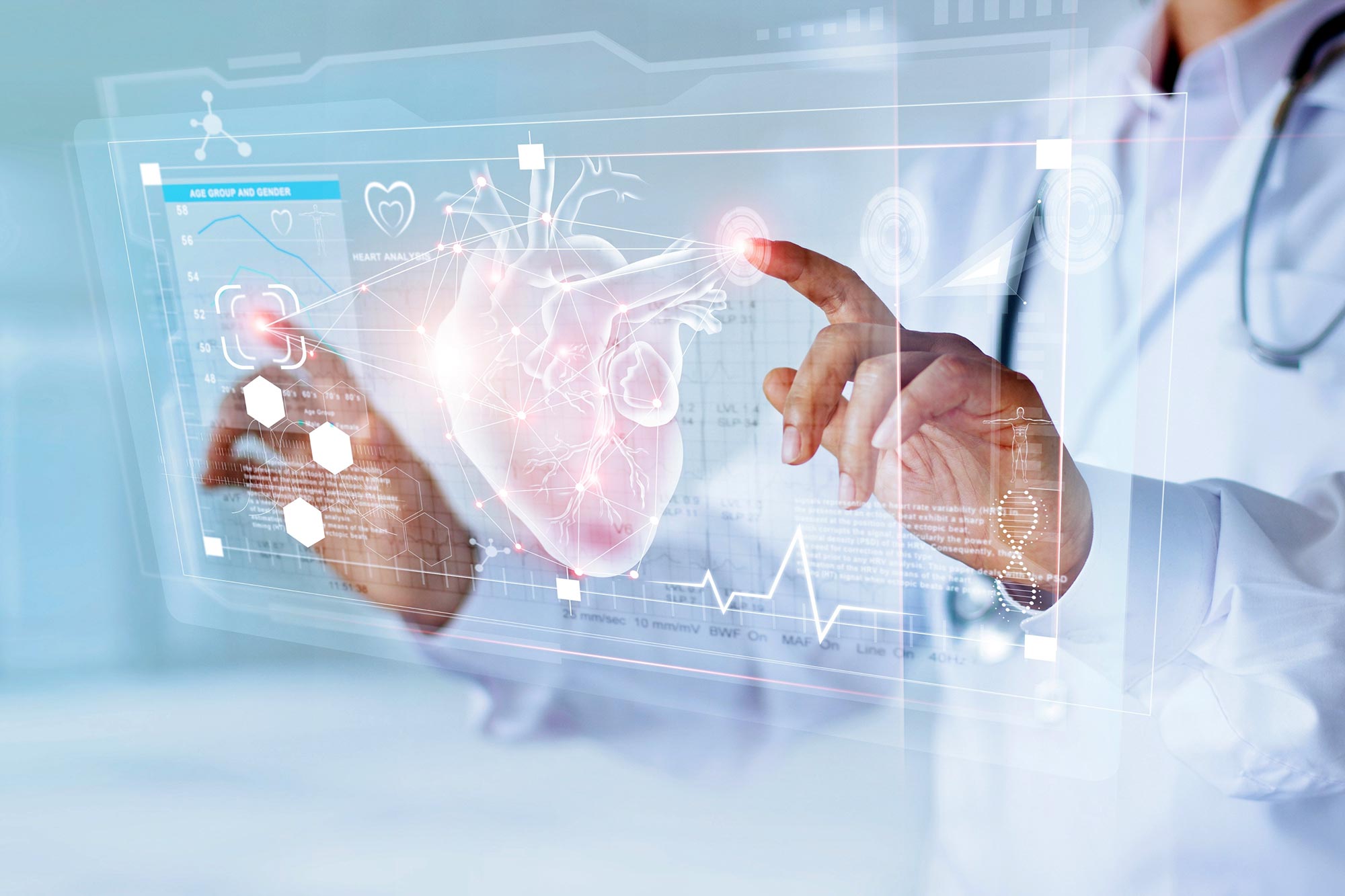
A new gene therapy reversed heart failure in pigs by repairing heart function through cBIN1, showing major promise for future treatment.
A new gene therapy has been shown to reverse the effects of heart failure and restore heart function in a large animal model. The treatment increases the heart’s ability to pump blood and significantly improves survival rates. A paper describing the results calls it “an unprecedented recovery of cardiac function.”
Heart failure is currently irreversible. Without a heart transplant, most treatments aim only to reduce the heart’s workload and slow the progression of the disease. If this gene therapy produces similar outcomes in future clinical trials, it could offer a way to repair the hearts of one in four people expected to develop heart failure during their lifetime.
The findings are published in npj Regenerative Medicine.
A “night and day” change
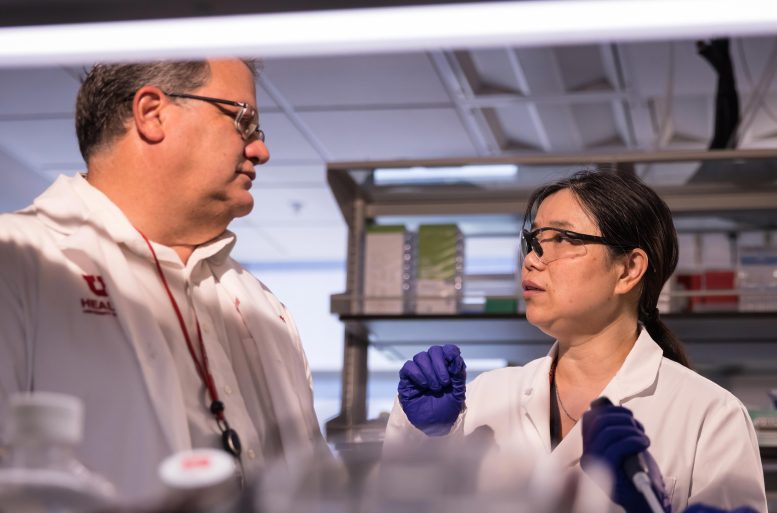
The research focused on restoring a key heart protein called cardiac bridging integrator 1, or cBIN1. Scientists have found that levels of cBIN1 are lower in people with heart failure and that lower levels are linked to more severe disease. “When cBIN1 is down, we know patients are not going to do well,” says Robin Shaw, MD, PhD, director of the Nora Eccles Harrison Cardiovascular Research and Training Institute at the University of Utah and a co-senior author of the study. “It doesn’t take a rocket scientist to say, ‘What happens when we give it back?’”
To try and increase cBIN1 levels in cases of heart failure, the scientists turned to a harmless virus commonly used in gene therapy to deliver an extra copy of the cBIN1 gene to heart cells. They injected the virus into the bloodstream of pigs with heart failure. The virus moved through the bloodstream into the heart, where it delivered the cBIN1 gene into heart cells.
For this heart failure model, heart failure generally leads to death within a few months. But all four pigs that received the gene therapy in their heart cells survived for six months, the endpoint of the study.

Importantly, the treatment didn’t just prevent heart failure from worsening. Some key measures of heart function actually improved, suggesting the damaged heart was repairing itself.
Shaw emphasizes that this kind of reversal of existing damage is highly unusual. “In the history of heart failure research, we have not seen efficacy like this,” Shaw says. Previous attempted therapies for heart failure have shown improvements to heart function on the order of 5-10%. cBIN1 gene therapy improved function by 30%. “It’s night and day,” Shaw adds.
The treated hearts’ efficiency at pumping blood, which is the main measure of the severity of heart failure, increased over time—not to fully healthy levels, but to close that of healthy hearts. The hearts also stayed less dilated and less thinned out, closer in appearance to that of non-failing hearts. Despite the fact that, throughout the trial, the gene-transferred animals experienced the same level of cardiovascular stress that had led to their heart failure, the treatment restored the amount of blood pumped per heartbeat back to entirely normal levels.
“Even though the animals are still facing stress on the heart to induce heart failure, in animals that got the treatment, we saw recovery of heart function and that the heart also stabilizes or shrinks,” says TingTing Hong, MD, PhD, associate professor of pharmacology and toxicology and CVRTI investigator at the U and co-senior author on the study. “We call this reverse remodeling. It’s going back to what the normal heart should look like.”
A keystone of the heart
The researchers think that cBIN1’s ability to rescue heart function hinges on its position as a scaffold that interacts with many of the other proteins important to the function of heart muscle. “cBIN1 serves as a centralized signaling hub, which actually regulates multiple downstream proteins,” says Jing Li, PhD, associate instructor at CVRTI. By organizing the rest of the heart cell, cBIN1 helps restore critical functions of heart cells. “cBIN1 is bringing benefits to multiple signaling pathways,” Li adds.
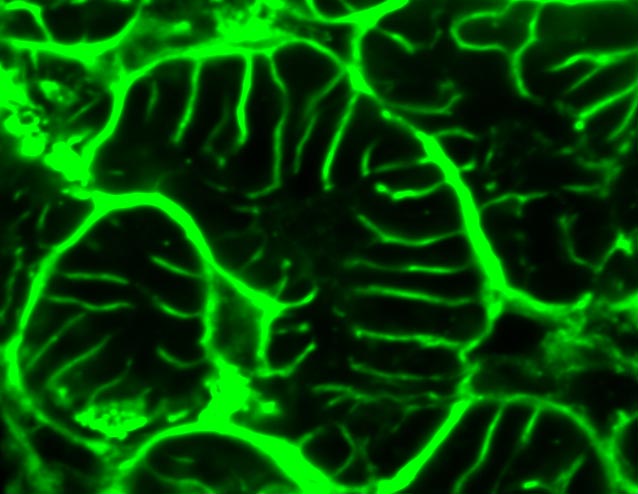
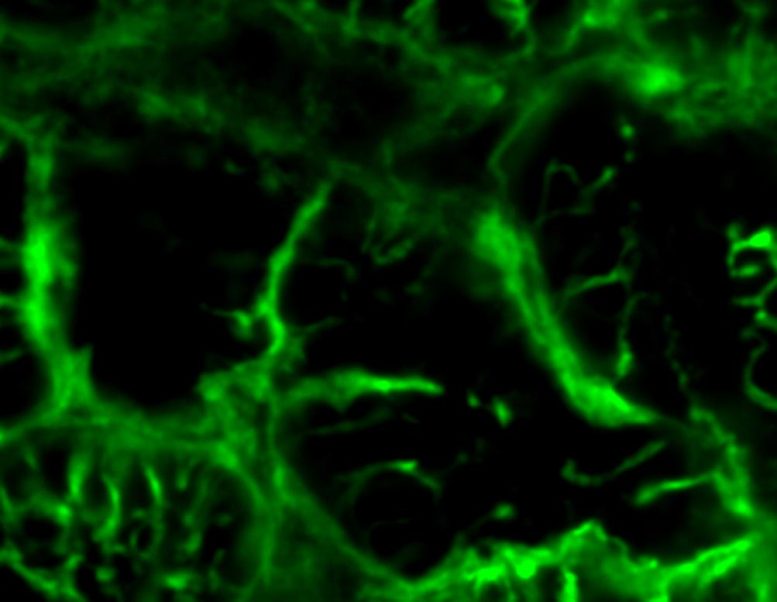
Indeed, gene therapy seemed to improve heart function on the microscopic level, with better-organized heart cells and proteins. The researchers hope that cBIN1’s role as a master regulator of heart cell architecture could help cBIN1 gene therapy succeed and introduce a new paradigm of heart failure treatment that targets heart muscle itself.
Along with industry partner TikkunLev Therapeutics, the team is currently adapting the gene therapy for use in humans and intends to apply for FDA approval for human clinical trial in fall of 2025. While the researchers are excited about the results so far, the therapy still has to pass toxicology testing and other safeguards. And, like many gene therapies, it remains to be seen if it will work for people who have picked up a natural immunity to the virus that carries the therapy.
But the researchers are optimistic. “When you see large animal data that’s really close to human physiology, it makes you think,” Hong says. “This human disease, which affects more than six million Americans—maybe this is something we can cure.”
Reference: “Cardiac bridging integrator 1 gene therapy rescues chronic non-ischemic heart failure in minipigs” by Jing Li, Pia Balmaceda, Thuy Ha, Joseph R. Visker, Nicole Maalouf, Eugene Kwan, Guillaume L. Hoareau, Michel Accad, Ravi Ranjan, Craig H. Selzman, Stavros G. Drakos, Robin M. Shaw and TingTing Hong, 10 December 2024, npj Regenerative Medicine.
DOI: 10.1038/s41536-024-00380-0
Funding: NIH/National Institutes of Health, NIH/National Institutes of Health, NIH/National Institutes of Health, Nora Eccles Treadwell Foundation
Never miss a breakthrough: Join the SciTechDaily newsletter.
Follow us on Google and Google News.