
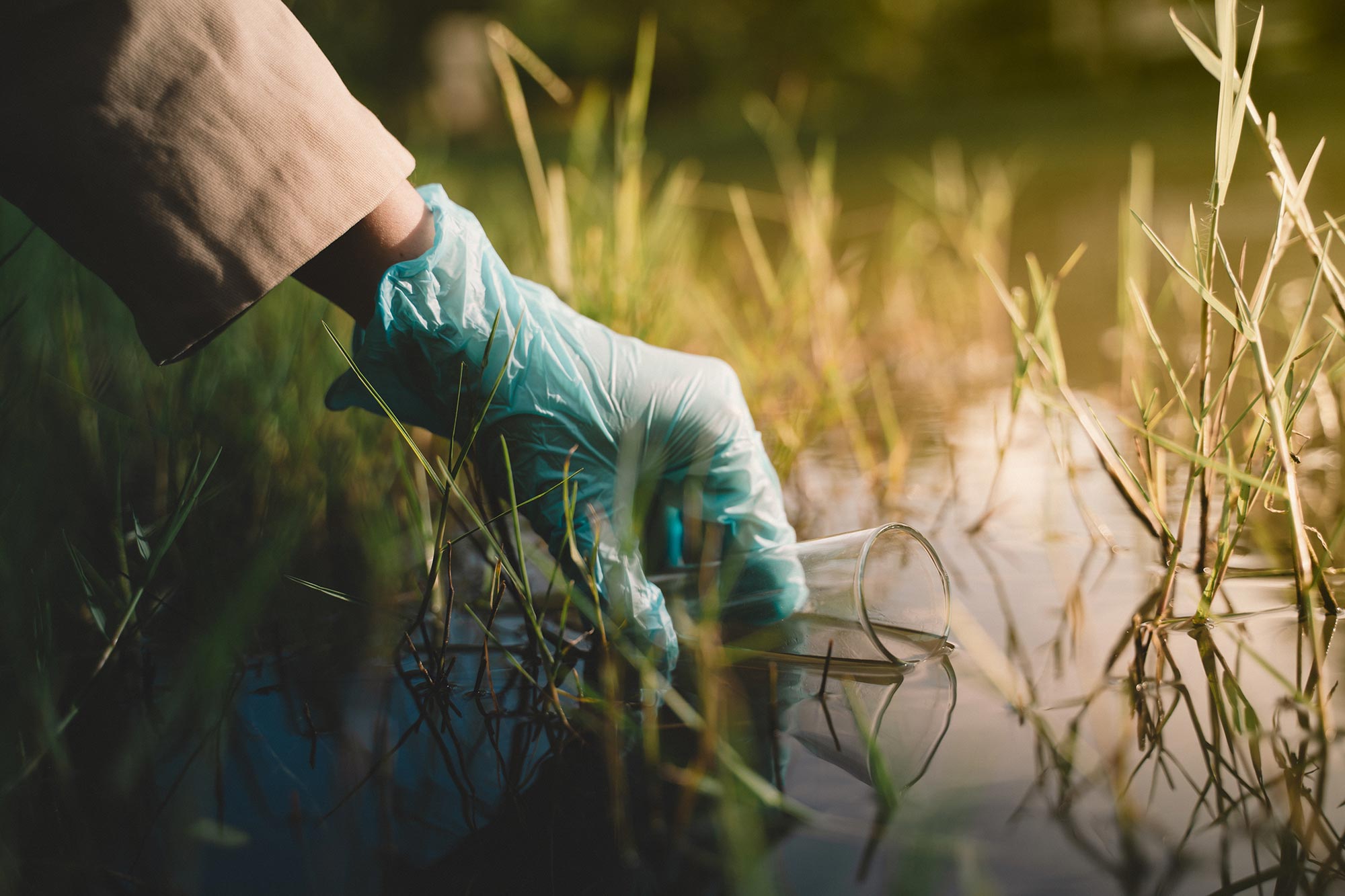
Researchers estimate that approximately 8,500 tons of antibiotics enter river systems each year after passing through the human body and wastewater treatment processes.
Rivers spanning millions of kilometers across the globe are contaminated with antibiotics at concentrations that could foster drug resistance and threaten aquatic species, according to a new study led by McGill University.
The research, published in PNAS Nexus, represents the first global assessment of river pollution linked to human antibiotic use. The team determined that approximately 8,500 tonnes of antibiotics, nearly one-third of all those consumed each year, flow into river networks worldwide, even after much of it passes through wastewater treatment systems.
“While the amounts of residues from individual antibiotics translate into only very small concentrations in most rivers, which makes them very difficult to detect, the chronic and cumulative environmental exposure to these substances can still pose a risk to human health and aquatic ecosystems,” said Heloisa Ehalt Macedo, a postdoctoral fellow in geography at McGill and lead author of the study.
The research team used a global model validated by field data from nearly 900 river locations. They found that amoxicillin, the world’s most-used antibiotic, is the most likely to be present at risky levels, especially in Southeast Asia, where rising use and limited wastewater treatment amplify the problem.
Human Use Alone Creates a Serious Threat
“This study is not intended to warn about the use of antibiotics – we need antibiotics for global health treatments – but our results indicate that there may be unintended effects on aquatic environments and antibiotic resistance, which calls for mitigation and management strategies to avoid or reduce their implications,” said Bernhard Lehner, a professor in global hydrology in McGill’s Department of Geography and co-author of the study.
The findings are especially notable because the study did not consider antibiotics from livestock or pharmaceutical factories, both of which are major contributors to environmental contamination.
“Our results show that antibiotic pollution in rivers arising from human consumption alone is a critical issue, which would likely be exacerbated by veterinarian or industry sources of related compounds,” said Jim Nicell, an environmental engineering professor at McGill and co-author of the study. “Monitoring programs to detect antibiotic or other chemical contamination of waterways are therefore needed, especially in areas that our model predicts to be at risk.”
Reference: “Antibiotics in the global river system arising from human consumption” by Heloisa Ehalt Macedo, Bernhard Lehner, Jim A Nicell, Usman Khan and Eili Y Klein, 22 April 2025, PNAS Nexus.
DOI: 10.1093/pnasnexus/pgaf096
Never miss a breakthrough: Join the SciTechDaily newsletter.
Follow us on Google and Google News.
2 Comments
All the drugs or drug fragments of all the drugs are a back ground sludge in all the water you drink. Including the water animals drink.
There should be effective water treatment that filters all the water around all the major cities.
And of course, we should have a better way of taking medicines, rather than simply allowing people to flush them through into the sewers and to the water table.
Probably the only way to eliminate the drugs (of ALL types) from the sewer system is to treat ALL waste water from humans with evaporation and then burn the resulting leftover sludge. However, the cost would probably be prohibitive even for advanced countries, let alone Third-World countries.
Do you ever get the feeling that there are too many people in the world?