
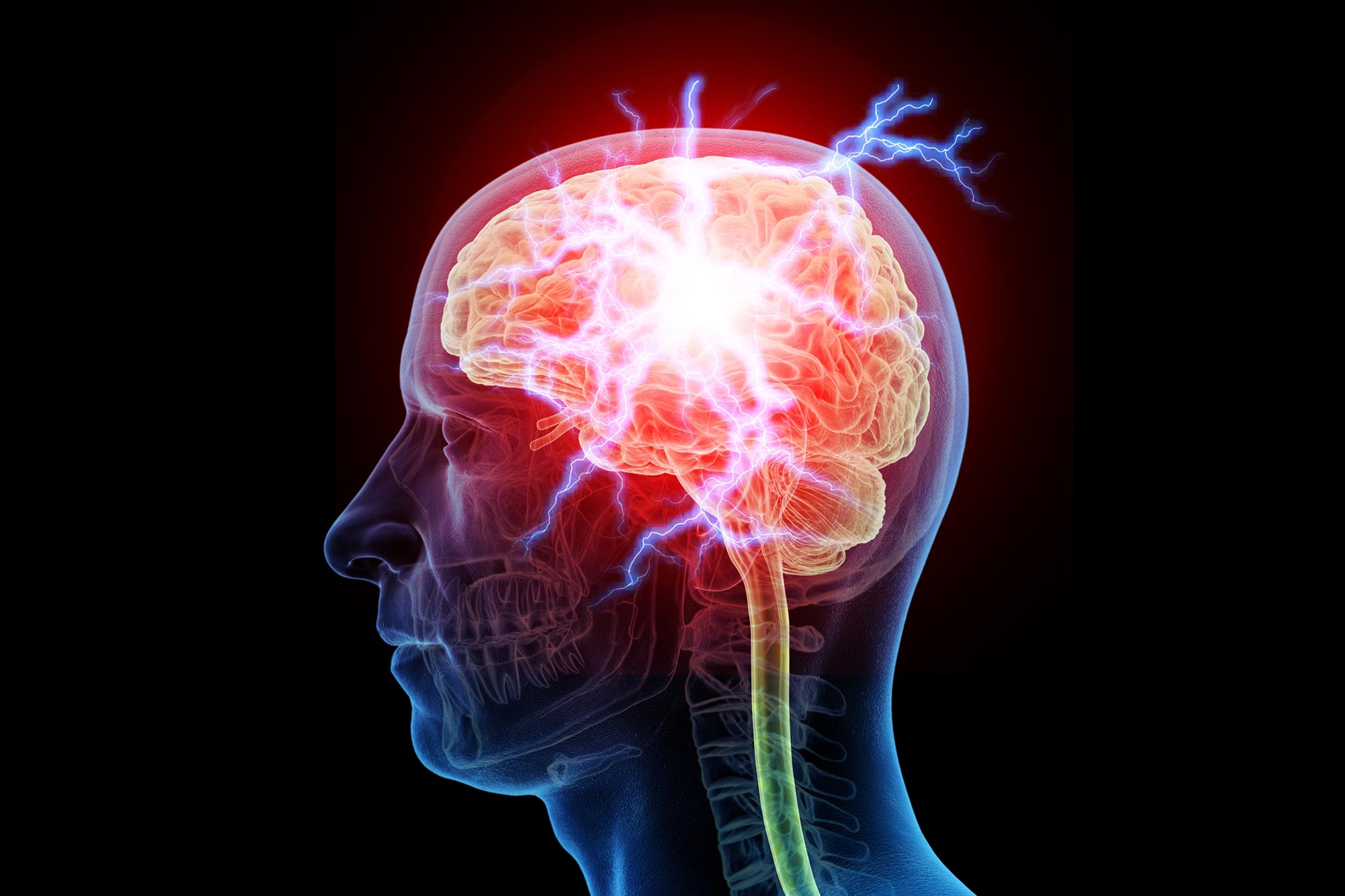
A hidden process in the brain may quietly decide whether long-term pain results in resilience or depression.
Scientists have identified a brain process that may explain why chronic pain leads to depression in some people but not others, according to a study published in Science. The results challenge the assumption that long-term pain inevitably results in depression.
Using large-scale brain imaging in humans alongside animal studies, the team found that ongoing pain triggers gradual changes in the hippocampus (a brain region best known for its role in memory). These changes appear to influence whether a person becomes depressed over time or remains emotionally resilient.
“Chronic pain frequently develops into depression or anxiety, but until now we haven’t understood why this happens to some people and not others,” said co-lead author Professor Jianfeng Feng of the University of Warwick.
“Our findings suggest that the hippocampus acts as a control center that helps the brain regulate emotional responses to long-term pain. Depression is not inevitable – it depends on how this system responds over time.”
The brain’s early response to pain
Chronic pain affects more than 20% of adults worldwide and is strongly linked to anxiety and depression. However, many people with persistent pain never develop these conditions, and the biological reasons behind this difference have remained unclear.
To explore this, researchers examined brain scans from large population datasets, including the UK Biobank. People with chronic pain who did not develop depression tended to have slightly larger hippocampal volume and higher activity in this region. They also performed better on certain learning and memory tasks, suggesting the brain may initially adapt to ongoing pain.
By contrast, those with both chronic pain and depression showed reduced hippocampal volume, disrupted activity, and poorer cognitive performance. Long-term data indicated that these differences emerge gradually rather than appearing all at once.
“The fact that these changes emerge gradually suggests they are driven by the experience of prolonged pain itself,” Professor Feng added. “This isn’t simply a pre-existing vulnerability; it’s something the brain is doing in response to ongoing pain.”
From resilience to vulnerability
To better understand how these effects develop, the researchers carried out parallel experiments in animal models of chronic neuropathic pain.
They observed a step-by-step progression. Increased sensitivity to pain appeared first, followed by anxiety-like behavior, and eventually by depression-like symptoms. These shifts were linked to gradual changes in hippocampal structure and function, showing how long-term pain can reshape brain circuits that regulate emotion.
A small region within the hippocampus called the dentate gyrus – one of the few areas in the adult brain where new neurons continue to form – emerged as a critical control point.
Early in chronic pain, newly formed neurons in the dentate gyrus became highly active, suggesting an attempt by the brain to adapt to ongoing stress. Over time, however, immune cells in the brain known as microglia became overactive. This disrupted communication between neurons and microglia marked a turning point, shifting the brain from adaptive responses to harmful signaling.
When researchers reduced this abnormal microglial activity in animal models, depression-like symptoms improved while overall brain function remained stable. These results suggest that targeting inflammation in the hippocampus could help prevent depression in people with chronic pain, especially if treatment begins early.
“What this shows is that the brain is not simply overwhelmed by chronic pain,” Professor Feng concluded. “It actively tries to regulate emotional well-being. When that regulatory system remains balanced, people can stay resilient. When it becomes disrupted, particularly by inflammation in the hippocampus, depression can emerge. Understanding this process opens new possibilities for early intervention.”
Reference: “From chronic pain to depression: Neurogenesis-driven microglial remodeling in the hippocampal dentate gyrus” by Ming Ding, Shitong Xiang, Yuqing Zhang, Lei Wei, Yuanfeng Weng, Xueting Zhang, Yiling Ni, Yuwen Zhang, Qianfeng Wang, Ruiqing Hou, Huaihao Du, Ka Kei Chio, Wei Zhang, He Wang, Tianye Jia, Yi Wu, Jianfeng Feng, Trevor W. Robbins and Xiao Xiao, 19 March 2026, Science.
DOI: 10.1126/science.aee6177
Never miss a breakthrough: Join the SciTechDaily newsletter.
Follow us on Google and Google News.
3 Comments
Ben 10 reboot
So, it really does either make you Bitter or Better ..
I think the key is intellectual curiosity and cultural interests.
My reading and music habits keep me afloat above my severe chronic spinal osteoarthritis pain.
For the 1st time ever, I experienced debilitating pain for several months, Doctors could care less! I went into a deep suicidal depression! Why? Because I love the outdoors, doing stuff, getting around, enjoying life, then here I was stuck in bed with only the t.v. in which I HATED! THE DREADFUL BOOB TUBE! That was my life, to just exist in daily excruciating pain. To live my life like this, wasn’t a life! That’s Y I went into depression. And no doctors cared, they wouldnt even read my mri for another 6 months. Finally my pain management doctor said, Im not going to let you be in pain, and promised he’d get rid of it until I could get surgery, and he hugged me! At that moment in time, my whole attitude, thoughts all changed for the better! He was THE ONLY HUMAN THAT GAVE ME HOPE! THATS ALL IT TOOK TO GET ME OUT OF DEPRESSION!