
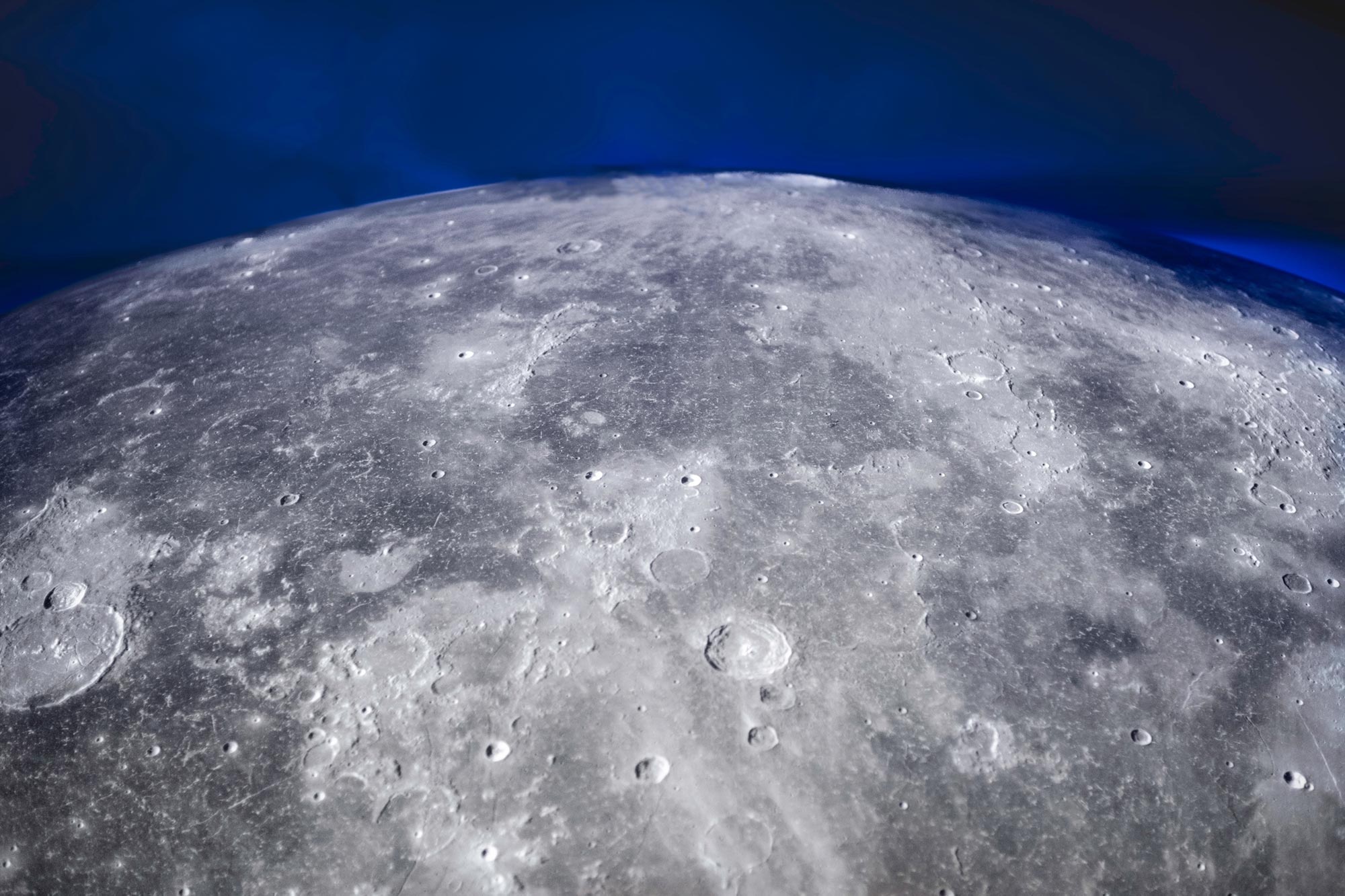
New research shows the Moon mostly had a weak magnetic field with rare, short-lived strong episodes linked to titanium-rich rocks. Apollo landing sites created a sampling bias that made strong magnetism appear more common.
A team from the Department of Earth Sciences at the University of Oxford has now clarified a decades-long scientific debate about the strength of the Moon’s magnetic field. For many years, researchers disagreed about whether the Moon possessed a strong or weak magnetic field early in its history (3.5 – 4 billion years ago).
A new study – published in Nature Geoscience – indicates that both viewpoints captured part of the truth.
By examining rocks returned during the Apollo missions, the scientists discovered that the Moon occasionally generated a mighty magnetic field that could even surpass Earth’s. However, these episodes were rare and short-lived. For the vast majority of its history, the Moon’s magnetic field remained weak.
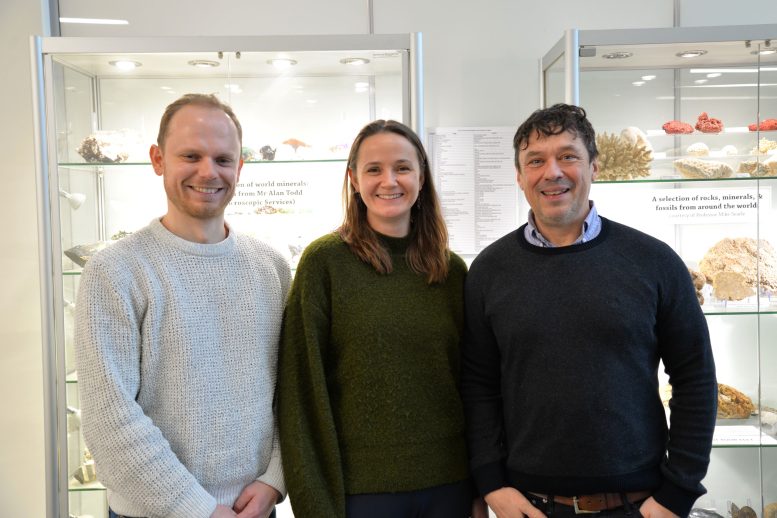
The long-running disagreement arose largely because all Apollo missions landed in similar regions. These locations contained many rocks that had recorded these uncommon bursts of strong magnetism.
Apollo Sample Bias and Rare Magnetic Events
Lead author Associate Professor Claire Nichols (Department of Earth Sciences, University of Oxford) explained, “Our new study suggests that the Apollo samples are biased to extremely rare events that lasted a few thousand years—but up to now, these have been interpreted as representing 0.5 billion years of lunar history. It now seems that a sampling bias prevented us from realizing how short and rare these strong magnetism events were.”
Although many Apollo samples display strong magnetic signatures, some scientists argued that the Moon’s magnetic field must have been weak or even absent.
Their reasoning was based on the relatively small size of the Moon’s core (around 1/7th of its radius), which would make it difficult to sustain a powerful magnetic dynamo. The new study proposes a way that strong magnetic fields could have formed temporarily and remained preserved in certain rocks.
To investigate further, the researchers studied the chemical composition of mare basalts, a type of volcanic lunar rock. They discovered a clear relationship between the amount of titanium in these rocks and the strength of their magnetization. Every sample that recorded a strong magnetic field also contained high titanium levels, while rocks with less than 6 wt.% titanium consistently showed only weak magnetism.
Titanium-Rich Rocks Linked to Strong Magnetism
These results indicate that the creation of titanium-rich rocks and the generation of powerful lunar magnetic fields were connected. The team proposes that both processes occurred when titanium-rich material deep within the Moon melted. This melting event could temporarily produce a strong magnetic field.
Professor Nichols said, “We now believe that for the vast majority of the Moon’s history, its magnetic field has been weak, which is consistent with our understanding of dynamo theory. But that for very short periods of time—no more than 5,000 years, but possibly as short as a few decades—melting of titanium-rich rocks at the Moon’s core-mantle boundary resulted in the generation of a very strong field.”

The Apollo landing sites were chosen partly because Mare basalt plains offered relatively smooth terrain for the spacecraft. As a result, astronauts collected numerous titanium-rich basalts (containing evidence for a strong magnetic field) compared with what would represent the lunar surface as a whole. When scientists later analyzed many of these rocks on Earth, the findings were interpreted as evidence that the Moon maintained a strong magnetic field for extended periods.
Modeling the Sampling Bias in Lunar Studies
Computer models created for the study support the idea that this collection bias strongly influenced earlier conclusions. The simulations suggest that if scientists had gathered a random assortment of lunar samples, it would be extremely unlikely that any of them would record these rare episodes of strong magnetism.
Co-author Associate Professor Jon Wade (Department of Earth Sciences, University of Oxford) said, “If we were aliens exploring the Earth and had landed here just six times, we would probably have a similar sampling bias, especially if we were selecting a flat surface to land on. It was only by chance that the Apollo missions focused so much on the Mare region of the Moon—if they had landed somewhere else, we would likely have concluded that the Moon only ever had a weak magnetic field and missed this important part of early lunar history entirely.”
Co-author Dr. Simon Stephenson (Department of Earth Sciences, University of Oxford) added, “We are now able to predict which types of samples will preserve which magnetic field strengths on the Moon. The upcoming Artemis missions offer us an opportunity to test this hypothesis and delve further into the history of the lunar magnetic field.”
Reference: “An intermittent dynamo linked to high-titanium volcanism on the Moon” by Claire I. O. Nichols, Jon Wade and Simon N. Stephenson, 26 February 2026, Nature Geoscience.
DOI: 10.1038/s41561-026-01929-y
Never miss a breakthrough: Join the SciTechDaily newsletter.
Follow us on Google and Google News.