
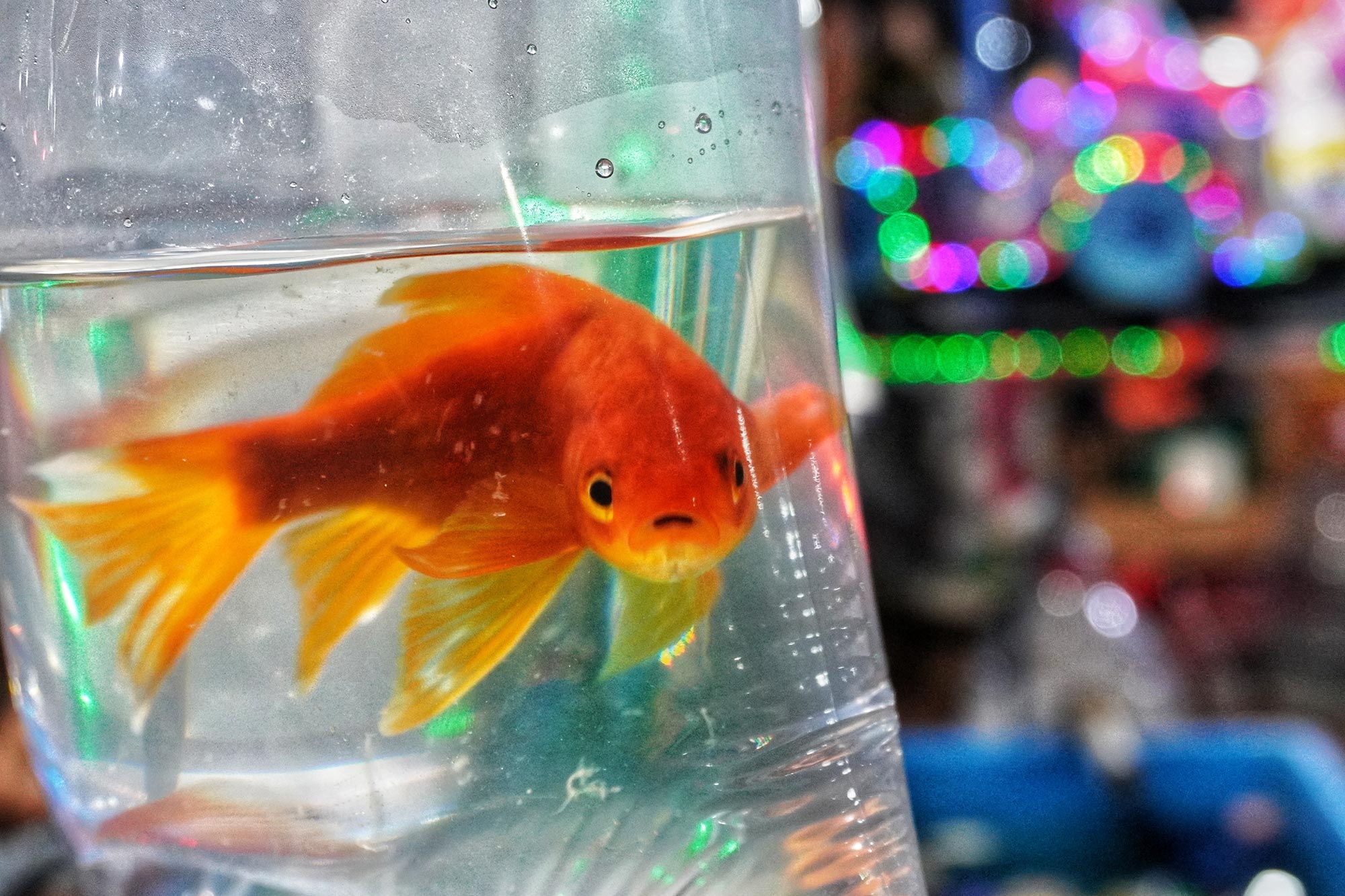
Goldfish may seem harmless—but under the right conditions, they can quietly transform entire ecosystems.
A simple act like releasing a pet goldfish into a pond might seem harmless. New research suggests it can trigger major ecological damage.
Scientists from the University of Toledo and the University of Missouri have produced some of the strongest experimental evidence to date showing that goldfish, one of the most widely kept pets in the world, can significantly disrupt freshwater ecosystems once they enter the wild. The study appears in the Journal of Animal Ecology.
“It is critically important to inform the public that their pets can become pests that will harm freshwater ecosystems. The evidence is now clear — releasing a goldfish into the wild might be seen as an act of kindness, but it can turn into a major ecological threat,” said the study’s lead investigator, Dr. William Hintz, associate professor in UToledo’s Department of Environmental Sciences and Lake Erie Center.
Rigorous Scientific Approach; Stark Results
To better understand these effects, researchers conducted large, controlled outdoor mesocosm experiments designed to mimic real lake environments. This approach allowed them to directly observe how goldfish influence different types of freshwater systems.
Goldfish (Carassius auratus) were introduced into simulated ecosystems representing two common conditions: nutrient-poor (oligotrophic) and nutrient-rich (eutrophic) waters. Scientists then tracked how these systems changed over time, and the results were striking:
- Water quality declined rapidly. In nutrient-rich conditions, goldfish caused a sharp drop in water clarity along with a significant increase in suspended particles, indicating a major shift in ecosystem balance.
- Native species declined across multiple trophic levels. Goldfish led to substantial reductions in snails, amphipods, and zooplankton, small invertebrates that form the foundation of healthy aquatic food webs, through both direct consumption and habitat disruption.
- Native fish were negatively affected. Goldfish competed with native species for food and resources, lowering the body condition of native fish, an important indicator of long-term population health.
- No lake type was spared. Goldfish caused harm in both oligotrophic and eutrophic systems, although the specific effects varied. No freshwater ecosystem appeared immune.
The study used both additive and substitutive experimental designs to separate the effects of goldfish from those related to overall fish numbers. This method showed that while some changes in plant communities were linked to total fish density, the most severe disruptions were directly caused by goldfish.
Researchers also documented what scientists call a “regime shift,” where an ecosystem crosses a tipping point and rapidly reorganizes into a new and often degraded state. Once this happens, recovery is typically difficult and costly.
Call for Pet Owner and Management Action
The global pet trade moves species across continents at an unprecedented rate, and goldfish are among the most widely distributed ornamental fish. When they enter rivers, lakes, or ponds, whether intentionally released or carried in by flooding, they can quickly form invasive populations.
“If goldfish are released into the wild, they rapidly grow into very large fish that stir up lake sediments, consume large numbers of prey, and compete with native fish,” said Rick Reylea, professor in the University of Missouri College of Agriculture, Food and Natural Resources, director of Mizzou’s Johnny Morris Institute of Fisheries, Wetlands and Aquatic Systems and co-author of the study.
The researchers urge natural resource managers to classify goldfish as a high-priority invasive species and to act early with prevention, monitoring, and control efforts. They also emphasize the need for stronger public education so pet owners understand the risks of releasing aquatic animals.
For those who can no longer care for their goldfish, alternatives include returning them to a pet store, giving them to other aquarium hobbyists, or contacting local wildlife agencies for advice.
Reference: “Invasive goldfish trigger a regime shift in experimental lake ecosystems of varying trophic state” by William D. Hintz, Hannah Barrett and Rick A. Relyea, 27 April 2026, Journal of Animal Ecology.
DOI: 10.1111/1365-2656.70259
Never miss a breakthrough: Join the SciTechDaily newsletter.
Follow us on Google and Google News.