
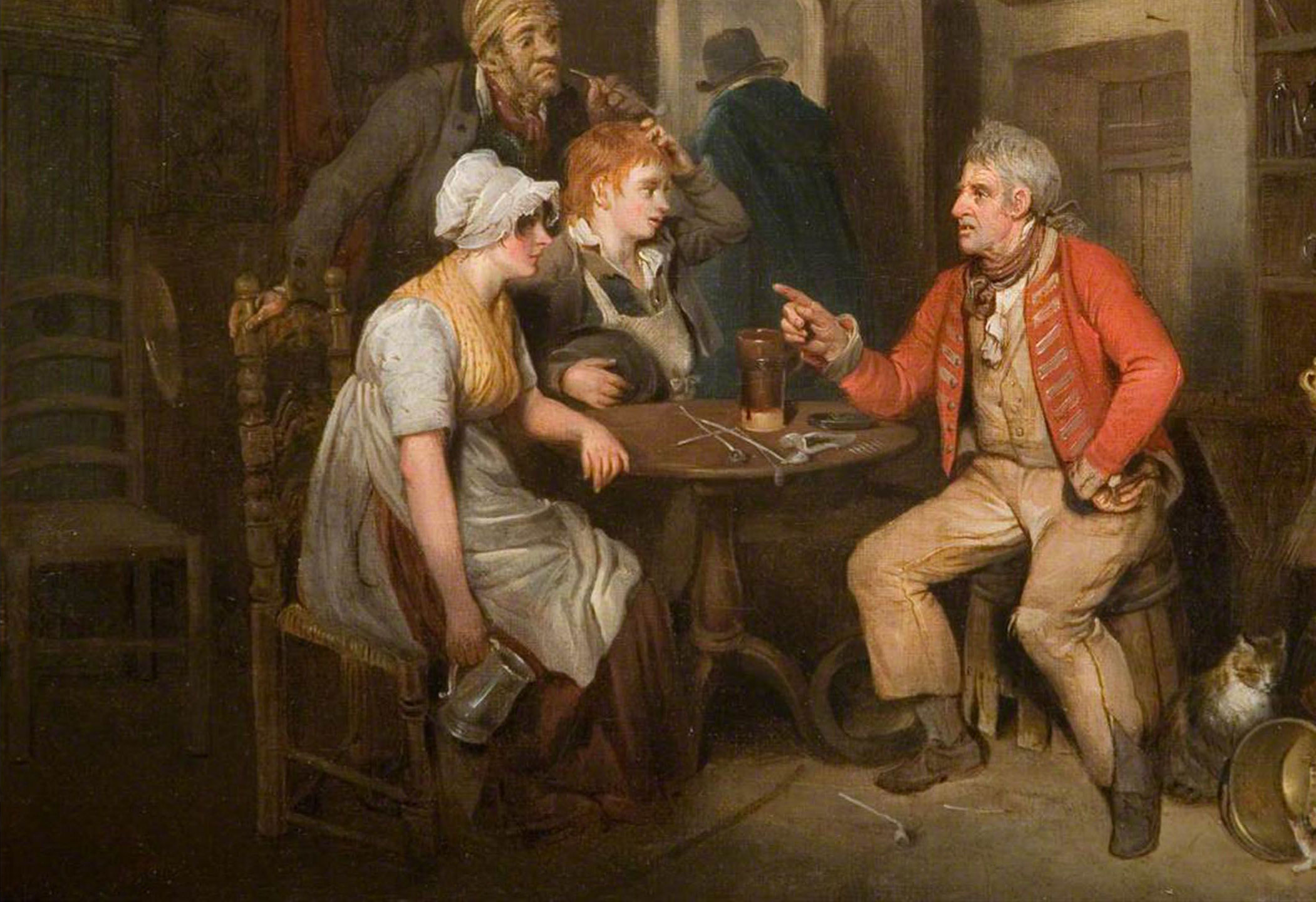
A rediscovered memoir reveals the harsh realities faced by a disabled veteran in nineteenth-century Britain.
After a musket ball destroyed his left forearm during the War of 1812, Shadrack Byfield retrieved the amputated limb from a refuse pile and buried it himself. He later designed a prosthetic device that helped him return to weaving, but newly uncovered records show that survival after war brought decades of pain, financial hardship and conflict.
Byfield appears regularly in American and Canadian documentaries, books and museum exhibits, where he has often been portrayed as a dutiful British soldier who endured disability without complaint. A rediscovered autobiography and additional archival evidence instead reveal a strong-willed veteran who persistently demanded better support while struggling with poverty, chronic injuries and confrontations with the police.
‘They came and pushed me about, and spat in my face, hoping that I should strike them, in order if possible, to take away my pension … They reported that I intended to shoot two of the deacons.’
Byfield, then a 63-year-old disabled veteran, used those words to describe his treatment at a chapel in Gloucestershire during the 1850s. He had become involved in a fierce dispute among local Baptists and was later accused of cutting an opponent’s face with the iron hook attached to his wooden arm.
Elsewhere in the rediscovered autobiography, Byfield described how his wartime wounds continued to affect him many years later:
‘It now pleased the Lord to afflict me with a violent rheumatic pain in my right shoulder, from which the [musket] ball was cut out. I was in this condition for nearly three years: – oftentimes I was not able to lift my hand to my head, nor a tea-cup to my mouth’.
When an employer refused to pay him full wages for working as a gardener with one hand, Byfield protested:
‘I never saw the man that would compete with me with one arm’.
A lost memoir resurfaces in Ohio
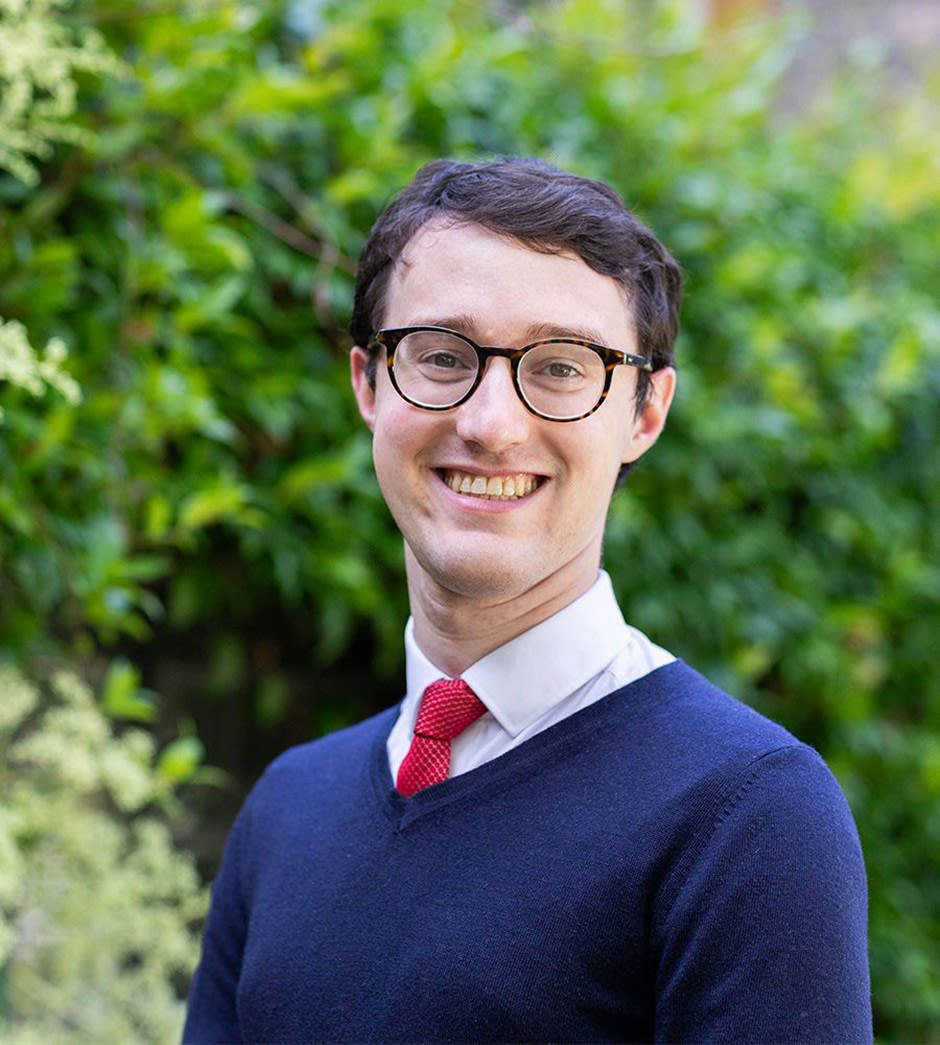
While working as a historian at Cambridge University, Dr Eamonn O’Keeffe located what he believes is the only surviving copy of Byfield’s History and Conversion of a British Soldier.
The autobiography was printed in London in 1851, yet its only known surviving copy was found 3,700 miles away at the Western Reserve Historical Society library in Cleveland, Ohio. O’Keeffe, now based at Memorial University of Newfoundland in Canada, reported the discovery in the Journal of British Studies.
“Byfield’s account of his wartime experiences is quite well known, but the man behind the memoir has remained elusive. Uncovering these new details about his life provides remarkable insight into the suffering and resilience of Britain’s homecoming soldiers,” says Dr O’Keeffe.

The War of 1812 was fought in North America between the United States and the United Kingdom as the Napoleonic Wars approached their end in Europe. It became an important nation-building episode for both the US and Canada. Historians value Byfield’s first memoir because it provides the unusual perspective of an ordinary British soldier who fought near the Great Lakes.
His experiences have appeared in numerous histories and documentaries, including the 2011 PBS production ‘The War of 1812’. Byfield was also the central character in Gregory Sass’s 1985 children’s novel Redcoat and is featured in a permanent display at the Fort Erie Visitor Centre in Ontario.
Historians had assumed that Byfield died around 1850. The discovery of a memoir published the following year, combined with evidence from newspapers and other archives, reveals that his story continued for more than two decades beyond that date.
War injuries reshaped his life
Byfield was born in 1789 near Bradford-on-Avon, a textile town in Wiltshire. At age eighteen, he joined the Wiltshire militia in 1807. According to his own account, his mother was so distressed by the decision that she lost the ability to speak and died within several days.
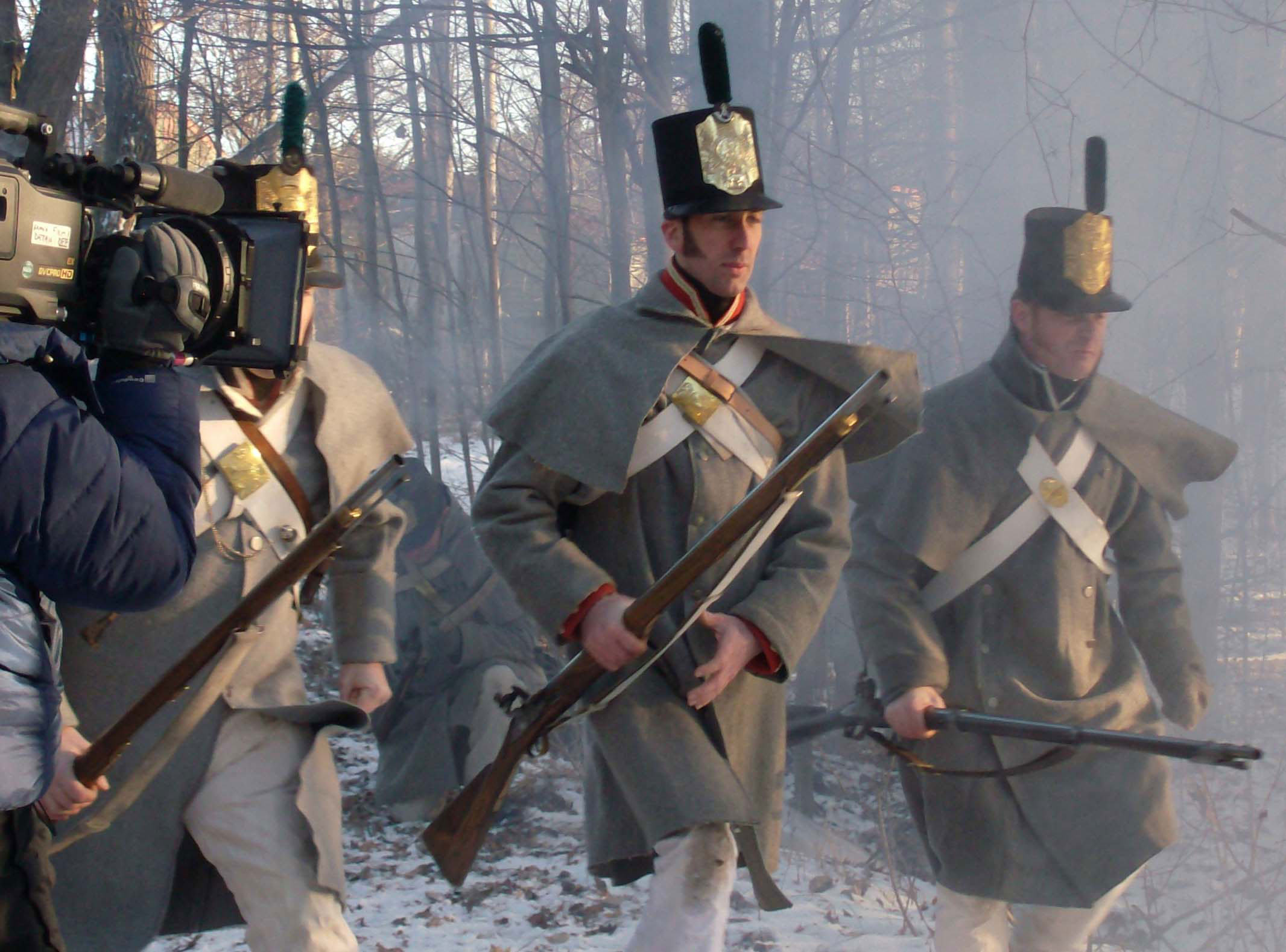
He soon transferred voluntarily to the regular army and sailed for Canada in 1809 to serve with the 41st Regiment of Foot. When the United States declared war in June 1812, Byfield was stationed at Fort George on the Niagara River. He fought in several significant battles and survived being wounded in the neck before a musket ball shattered his left forearm in 1814.
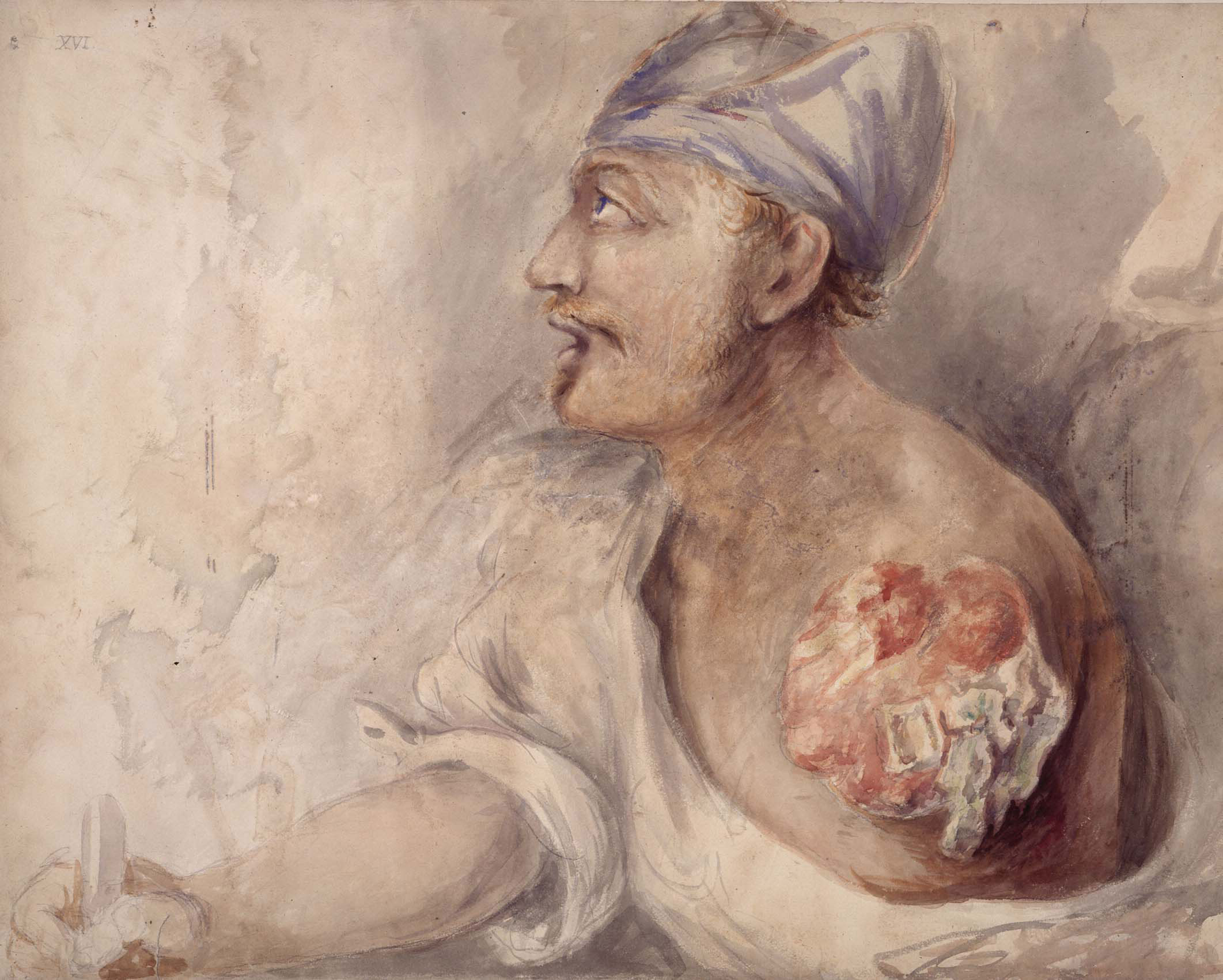
A surgeon removed the arm below the elbow without anesthetic, after which a medical orderly threw it onto a ‘dung-heap’. Furious, Byfield recovered the limb, constructed a crude coffin from several boards and gave it a burial.
The following year, he appeared before the Royal Hospital Chelsea in London to be assessed for an army pension. He was ‘very much dissatisfied’ when officials granted him only nine pence per day.
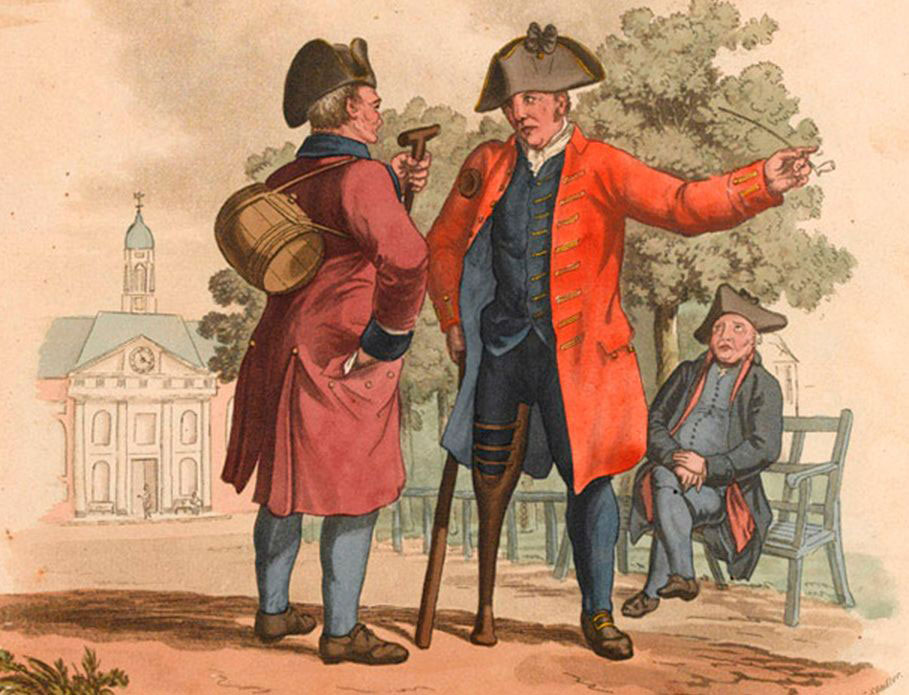
After returning to Bradford-on-Avon, Byfield initially survived through agricultural labor because his disability prevented him from resuming his former work as a weaver. He later wrote that he dreamed about an “instrument” that would allow him to operate a loom without his missing forearm. A local blacksmith then built the device from Byfield’s design.
He earned additional money in nearby Bath as a ‘chairman’, transporting sick and disabled passengers through the city’s steep streets in wheelchairs and sedan chairs despite his own physical limitations.
Byfield also fought persistently for a larger military pension. His campaign finally succeeded in 1836 with assistance from Sir William Napier, a retired army officer and prominent military historian.
Two memoirs reveal different lives
In 1840, Byfield published his first full-length autobiography, A Narrative of a Light Company Soldier’s Service. Although scholars have generally assumed that he could not read or write, O’Keeffe discovered a handwritten draft of the work among Napier’s papers.
“In the 1840 narrative, Byfield sought to impress wealthy patrons by presenting himself as a dutiful soldier and deserving veteran,” O’Keeffe says. “The 1851 memoir, by contrast, was a spiritual redemption story, with Byfield tracing his progress from rebellious sinner to devout and repentant Christian.”
In the later account, Byfield acknowledged leaving camp without permission and joining other soldiers on a looting expedition. “Such unflattering incidents are conspicuously absent from Byfield’s earlier accounts of his military service,” O’Keeffe says.
“In the 1851 memoir, the veteran also dwells on periods of indebtedness, illness and unemployment after returning to England, whereas in his earlier memoir he described maintaining his family ‘comfortably’ with his weaving prosthesis for nearly twenty years.”
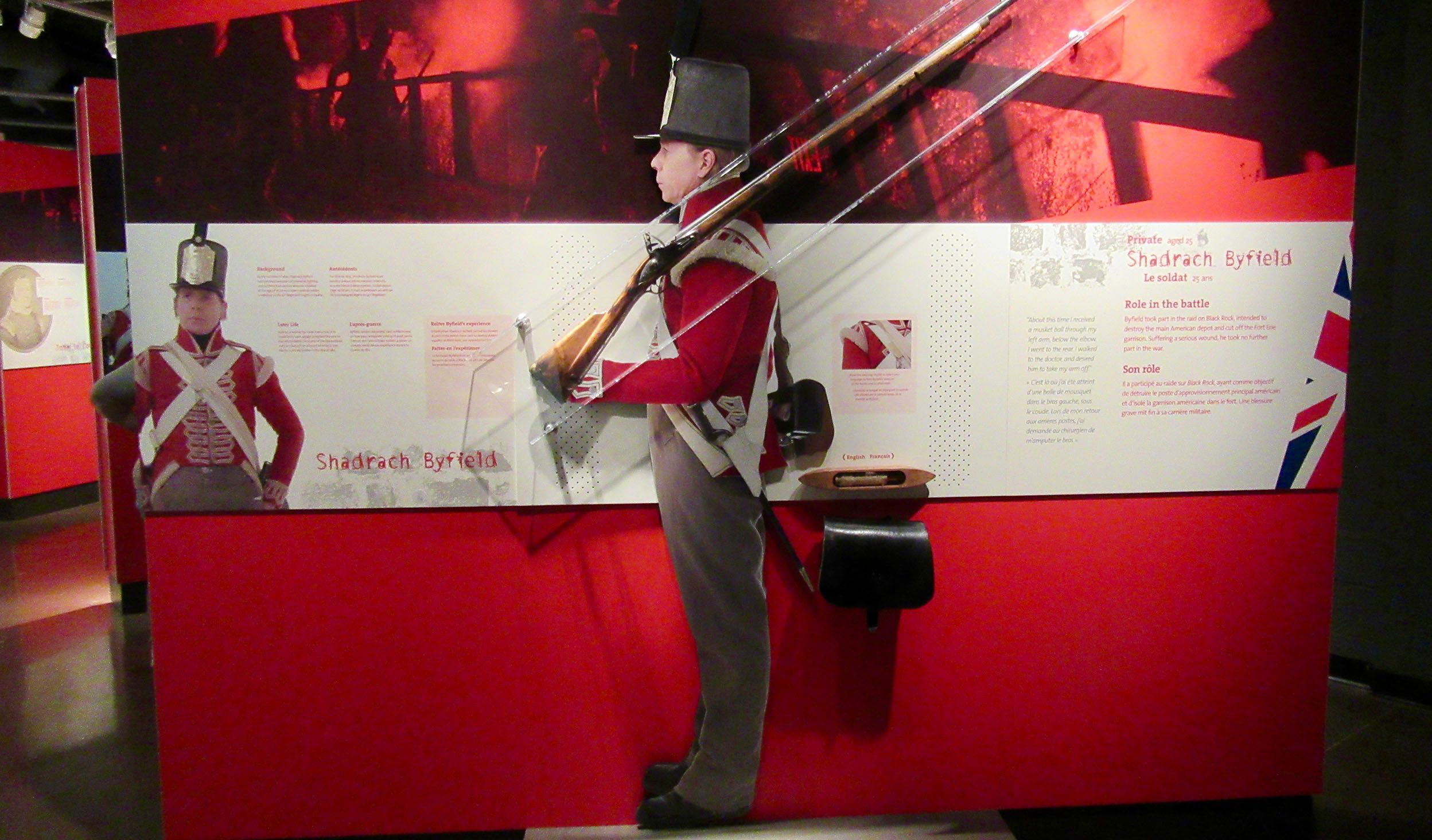
Byfield described how physically exhausting weaving remained when an employer required him to work the loom with one hand:
‘I endeavored … as well as I could, but I found my arm very much fatigued. I scarcely knew what to do. I went into my bed-chamber, knelt before the Lord, and begged of Him to give me strength to labor … To the honor and praise of His dear name, that arm has been enabled to perform the work as well as the other.’
Byfield later settled in Hawkesbury Upton, Gloucestershire, where he became involved in a prolonged struggle for control of the village’s Particular Baptist chapel. The dispute included legal actions, physical fights, arson and vandalism before erupting into a riot inside the chapel in June 1853. O’Keeffe reconstructed the episode using Byfield’s 1851 memoir alongside court documents and newspaper coverage.
A chapel feud cost him dearly
Byfield was accused of starting the confrontation “by pushing about” and using the iron hook on his prosthetic arm to slash another man around the eye and face. The next day, police sergeant Sidney Short delivered a summons. Short had previously tried and failed to convict Byfield of public drunkenness two years earlier.
According to Short, Byfield, the chapel minister and another man responded with ‘torrents of abuse’, spat at him and chased him into the street. Byfield reportedly accused the officer of lying during the earlier drunkenness prosecution.
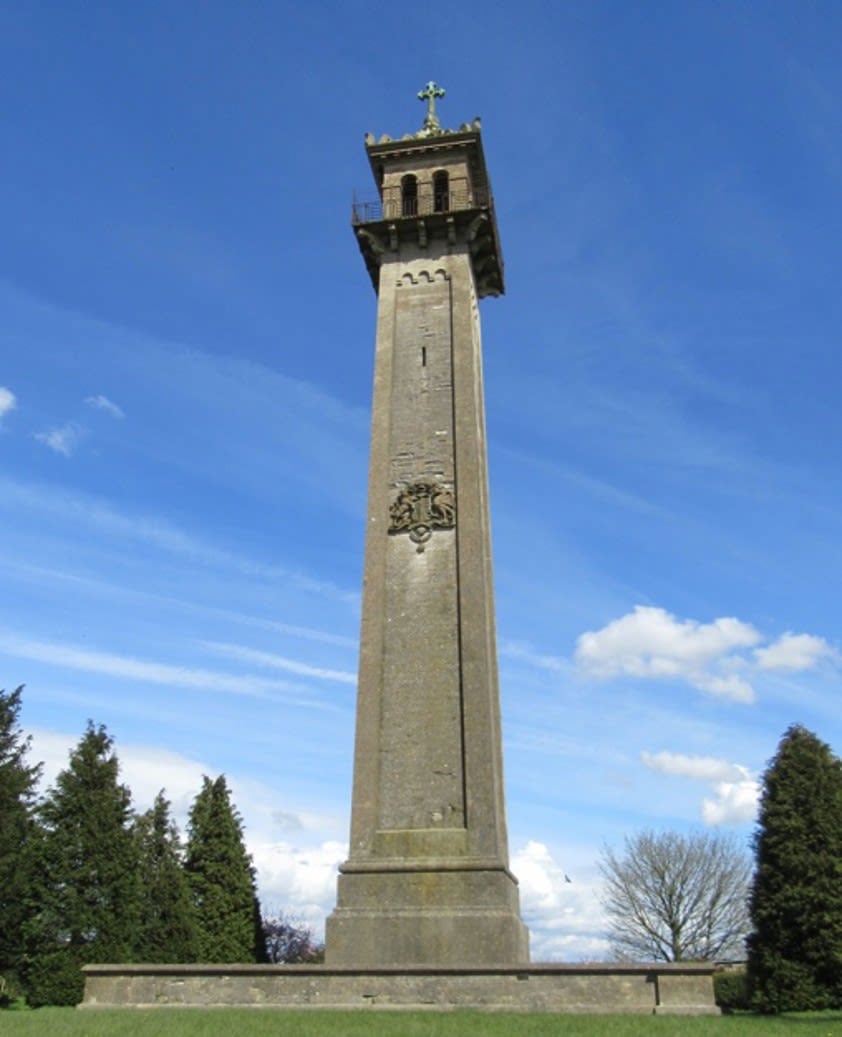
Although Byfield was never convicted of assault, his side eventually lost control of the chapel. Eighteen local residents also successfully petitioned the Duke of Beaufort to remove him from his position as keeper of a 100-foot monument dedicated to Waterloo general Lord Edward Somerset. The job included residence in a cottage and had been granted after Byfield, then working as a tollkeeper, sold his military memoir to the duke.
Byfield returned to Bradford-on-Avon in 1856 and married for a second time. Sir William Napier continued providing him with an annual payment, and Byfield traveled to London to attend Napier’s funeral in 1860.
Further requests for pension increases were unsuccessful. By 1867, Byfield was selling a final autobiography titled The Forlorn Hope, although no surviving copies are known. He died in January 1874 at age 84.
“Byfield’s 1851 memoir emphasizes the challenges of post-war reintegration, especially for veterans with disabilities, in the decades after the Napoleonic Wars. It also demonstrates ex-soldiers’ determination to secure the support they felt they were owed,” O’Keeffe says.
“My work also busts the myth that Byfield always did what he was told and never complained. He was very strong-willed but also suffered a great deal of hardship and psychological strain.”
Reference: “From Amputee to Author: Shadrack Byfield and the Making of a War of 1812 Veteran” by Eamonn O’Keeffe, 19 January 2026, Journal of British Studies.
DOI: 10.1017/jbr.2025.10169
Never miss a breakthrough: Join the SciTechDaily newsletter.
Follow us on Google and Google News.