
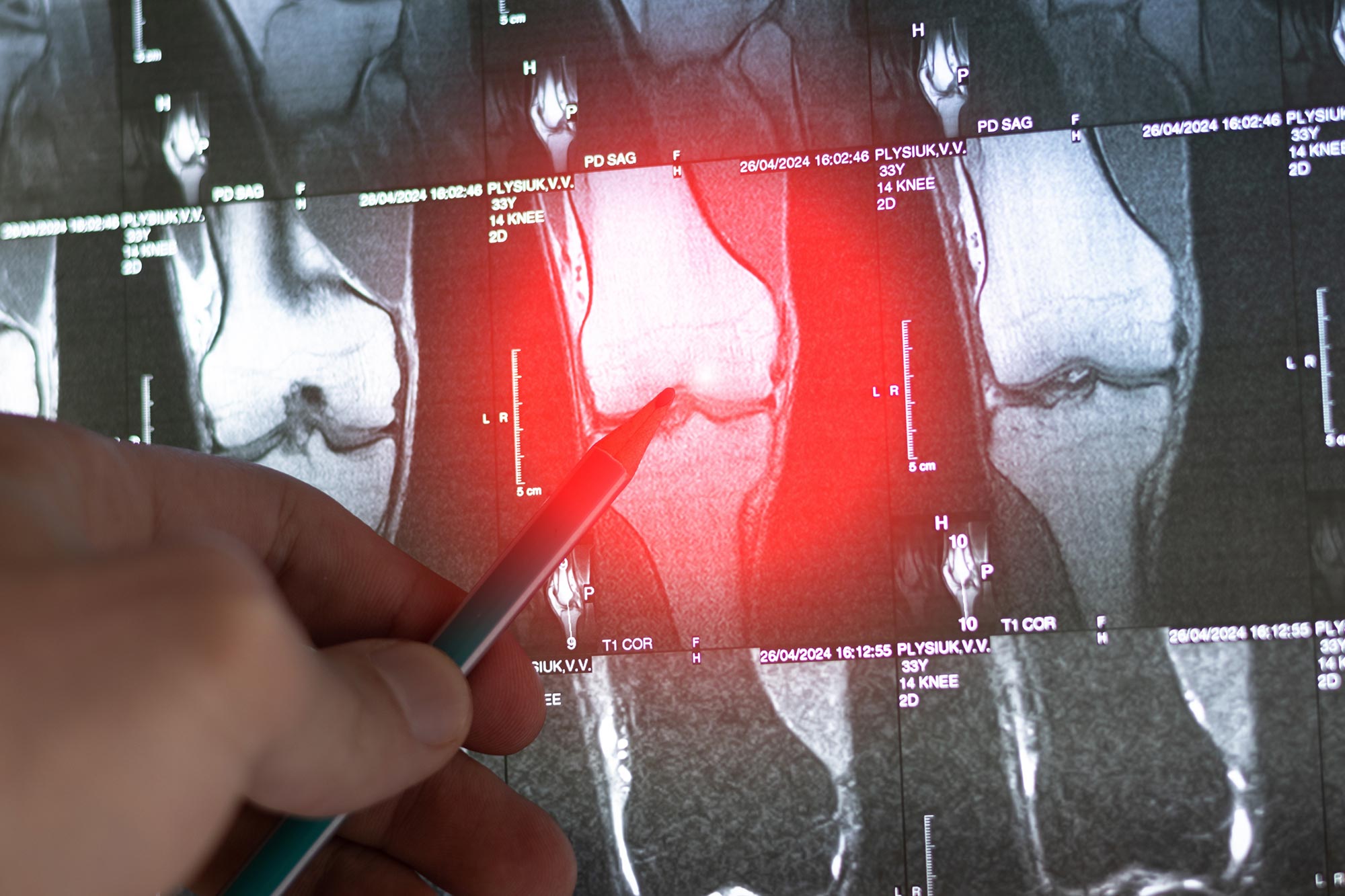
A laboratory study identified curcumin as the plant compound offering the best balance of anticancer activity and safety against fibrosarcoma cells.
A plant compound can damage cancer cells in the laboratory yet still prove too toxic to become a useful treatment. That distinction emerged when researchers at Wroclaw Medical University and the University of Wroclaw compared curcumin, berberine, and several other natural substances known for their anti-inflammatory and anticancer properties.
The researchers tested five compounds: curcumin, berberine, biochanin A, cucurbitacin E, and CAPE (caffeic acid phenethyl ester), which is found in propolis. They compared how each substance affected fibrosarcoma cells and healthy muscle cells.
Their investigation centered on the NF-κB signaling pathway, a system involved in inflammation, metabolism, cell survival, and cellular aging. “NF-κB acts like a central control switch that integrates cellular stress signals and determines whether a cell activates inflammatory pathways, fights for survival, or changes its metabolism,” explains Prof. Julita Kulbacka from the Department of Molecular and Cellular Biology at Wroclaw Medical University.
Cancer cells can exploit excessive NF-κB activity to survive and adjust to difficult conditions. However, healthy cells also depend on this pathway, meaning a potential treatment would need to regulate it carefully rather than shut it down entirely.
Cancer cells lose far more energy
All five compounds interfered with mitochondrial function, limiting the cells’ ability to generate energy.
ATP, the main source of usable energy within cells, fell by approximately 83–92% in fibrosarcoma cells. In healthy muscle cells, the decline ranged from around 23–73%. The difference suggests that the cancer cells were more sensitive to disruptions in energy metabolism.
The treatments also altered mitophagy, the cellular process that removes damaged mitochondria.
“Berberine, cucurbitacin E and CAPE enhanced PINK1/PARKIN-dependent mitophagy in fibrosarcoma cells. Combined with the marked reduction in ATP levels, this indicates not a protective response but an overwhelmed adaptive mechanism leading to cellular senescence and death,” says Prof. Julita Kulbacka.
Curcumin shows the best balance
Each of the five compounds caused fibrosarcoma cells to develop features of cellular senescence. Senescent cells remain alive but permanently stop dividing.
Curcumin produced the strongest response. The share of senescent cancer cells rose from approximately 16.5% to more than 75%, while the other compounds increased the proportion to more than 66%.
Healthy muscle cells generally reacted less strongly, indicating that the compounds showed some selectivity toward cancer cells.
Cell viability tests found that curcumin and CAPE were the most selective against fibrosarcoma cells. Curcumin combined substantial anticancer activity and induction of senescence with a comparatively favorable safety profile.
“Our findings show that these natural compounds can selectively place a greater metabolic burden on cancer cells than on healthy cells by disrupting mitochondrial function and energy metabolism. Among the compounds tested, curcumin demonstrated the most balanced profile,” emphasizes Prof. Julita Kulbacka.
Berberine was also tolerated relatively well, although researchers said its effects on mitochondria in healthy muscle cells need further examination.
Toxicity tests reveal important tradeoffs
The researchers conducted an initial safety assessment using greater wax moth (Galleria mellonella) larvae as a toxicity model.
Curcumin and berberine were tolerated best. CAPE and cucurbitacin E produced higher mortality, while biochanin A was the most toxic of the compounds tested.
The results show why anticancer potency alone cannot determine whether a substance is a promising drug candidate. Researchers must also evaluate its effects on healthy tissues and the entire organism.
Human treatment remains unproven
The findings do not show that curcumin, berberine, or any of the other compounds can currently treat sarcomas in people. The experiments used animal cell lines and a basic invertebrate toxicity model.
“Our findings come from laboratory experiments and preliminary tests in wax moth larvae. The next step is to evaluate these compounds in more advanced in vivo models and to better understand their mechanisms of action, optimal dosing and delivery methods,” notes Prof. Kulbacka.
The research nevertheless helps identify which compounds warrant additional study. It also underscores the need to judge natural anticancer agents by both their activity against cancer cells and their safety for healthy tissue and the organism as a whole.
Reference: “Modulation of NFκB Signaling by Natural Compounds in Sarcoma and Normal Muscle Models” by Justyna Radzka, Agnieszka Gizak, Dagmara Baczyńska, Adam Junka, Bartłomiej Dudek, Malwina Brożyna, Anna Szewczyk and Julita Kulbacka, 1 June 2026, International Journal of Molecular Sciences.
DOI: 10.3390/ijms27115025
The study was supported by the Statutory Subsidy Funds of the Department of Molecular and Cellular Biology no. SUBZ.D260.26.013.
Never miss a breakthrough: Join the SciTechDaily newsletter.
Follow us on Google and Google News.