
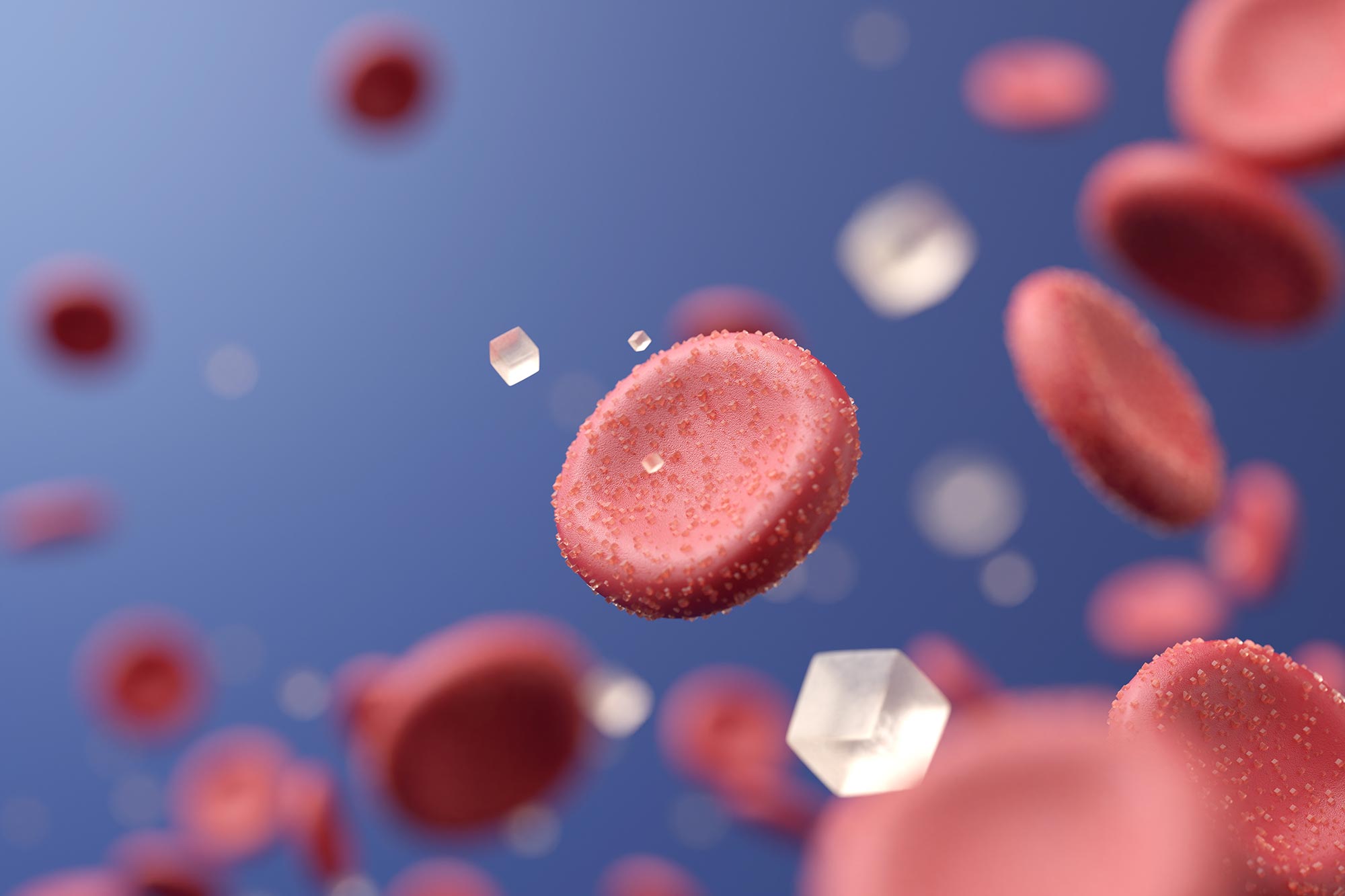
Testing in diabetic mice lowered blood sugar levels for more than 100 days.
Transplanted cells can help treat disease, but the immune system often sees them as intruders and attacks them. Penn State researchers are testing a way around that problem by wrapping therapeutic cells in an ultrathin protective coating that acts like an “invisibility cloak.”
Cell therapy relies on carefully selected cells to fight infections or perform useful biological functions, including producing insulin to help control blood sugar. Many current approaches, however, require patients to continuously take immunosuppressive drugs to prevent rejection. Suppressing the immune system can increase the risk of infection and cause other serious health problems.
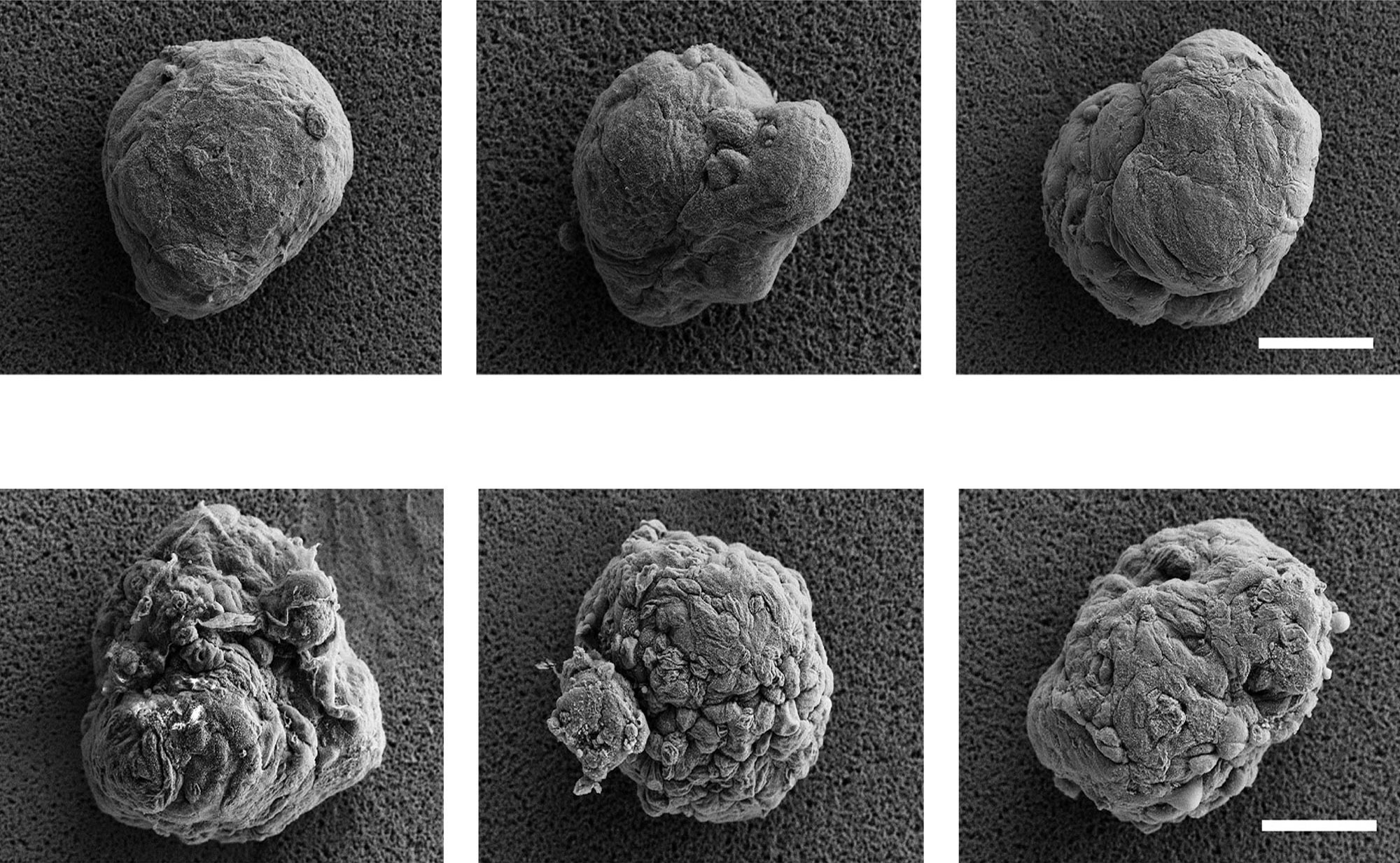
The approach, described in Nature Biomedical Engineering, uses a jelly-like hydrogel to create the protective coating. Known as the biomimetic zona pellucida (BZP), the thin layer shielded therapeutic cells from immune attack and helped lower blood sugar in diabetic mice for 100 days, substantially longer than traditional diabetes cell therapies.
Donor cells face an immune barrier
Cell therapy can involve transplanting donor cells into the body using mixtures of cells and liquid solutions. Yong Wang, professor of biomedical engineering and corresponding author of the paper, noted that the Food and Drug Administration has already approved cell therapies for certain diseases, including some cancers. The use of cell therapy for diabetes is much newer, with the first FDA-approved treatment introduced in 2023.
“Specific clusters of cells, known as islets, can release sugar-sustaining insulin in the bodies of patients with diabetes,” said Wang, who holds an additional affiliation as the Dorothy Foehr Huck and J. Lloyd Huck Chair in Cell Medicine. “However, these donor islets are targeted and attacked by the patient’s immune system. Existing treatment options require patients to continuously take immunosuppressants to stop this response, which can lead to significant side effects, including cancer.”
A natural egg coating inspired the cloak
To protect transplanted islets, the researchers designed BZP to imitate the zona pellucida, a natural coating surrounding human egg cells. The artificial layer conceals donor islets from the immune system while remaining permeable enough for molecules such as insulin to pass into the body. In principle, that could allow transplanted cells to function without continuous immunosuppressive treatment.
Kyungsene Lee, first author of the paper and a postdoctoral researcher at Harvard Medical School who earned a doctorate in biomedical engineering from Penn State, said scientists have explored hydrogel-based cell encapsulation for years. However, previous work had not reproduced both the ultrathin structure of the zona pellucida and the way it hardens to create a protective barrier around therapeutic cells.
“Our body is amazing — by mimicking the natural, ultrathin coating formed by proteins on egg cells, we can fortify and cloak cells for therapeutic transplantation,” Lee said.
Coated islets controlled blood sugar longer
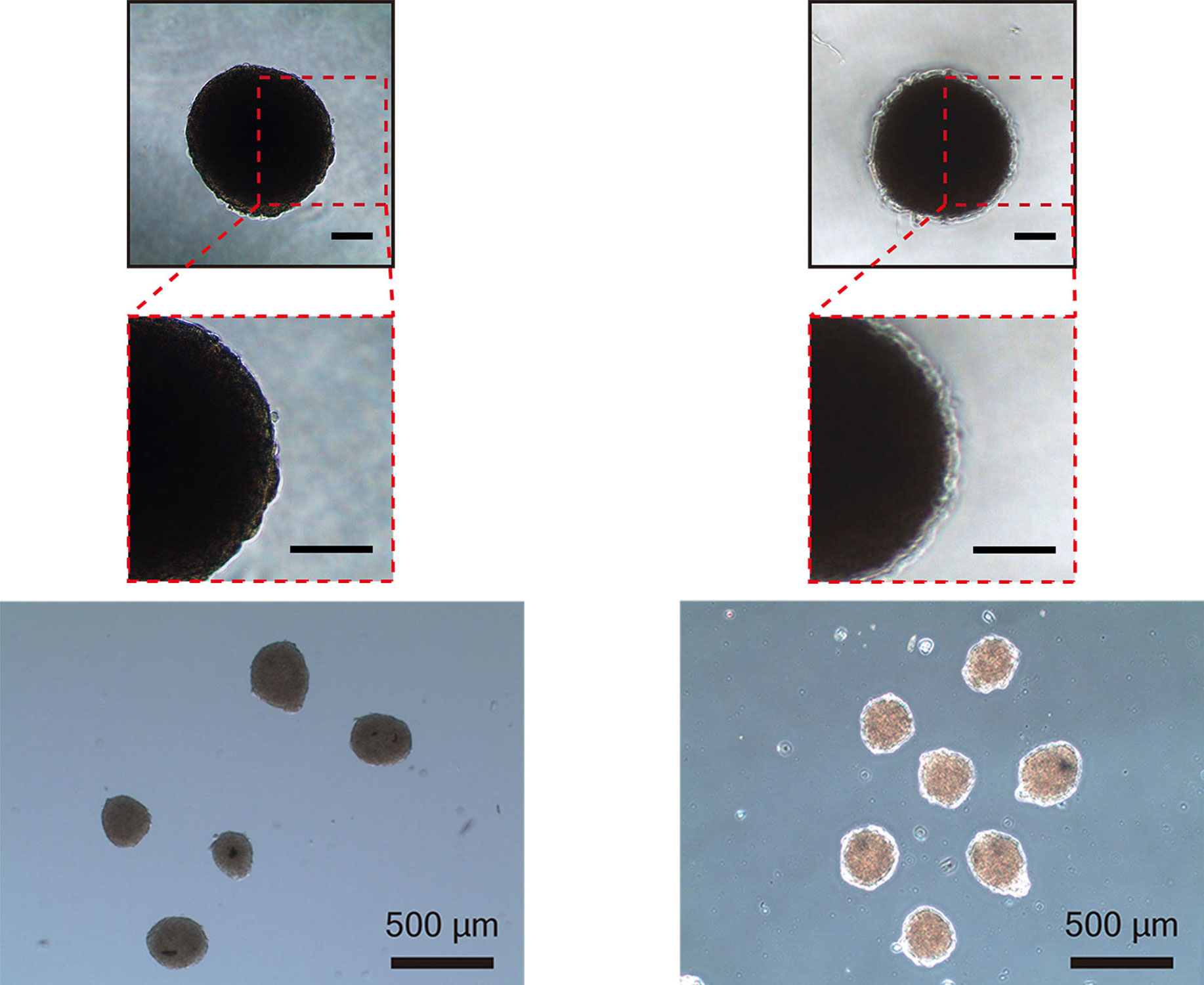
Developing the coating required eight years of work, Wang explained. The researchers eventually created a hydrogel layer just 20 micrometers thick, far thinner than a human hair, that could conform to the curved surface of living cells or cell clusters without interfering with their function.
After confirming that the material was compatible with living tissue, the researchers coated insulin-producing islets with BZP and transplanted them into diabetic mice. Blood sugar levels were then followed for 100 days.
Compared with untreated diabetic mice and animals that received uncoated islets, mice given BZP-coated islets returned to healthy blood sugar levels within one week. Most remained diabetes free for more than 100 days without continuously receiving immunosuppressants.
Wang said that was substantially longer than the benefit typically seen with uncoated cell therapies, which can last one week or less without systemic immunosuppression.
Human testing remains a future step
The researchers now plan to investigate how long individual BZP-protected islet transplants can resist immune attack. Wang said that after additional research, refinement, and eventual clinical trials, the platform could potentially be developed for diseases beyond diabetes.
“This technique could be useful in immunotherapy, priming cells to resist chronic disease, or in regenerative medicine, stimulating cell growth to regenerate tissues in damaged or lost organs,” Wang explained. “Simply speaking, BZP could be massively helpful across a broad span of biomedical engineering applications.”
Reference: “Biomimetic zona pellucida-encapsulated islets for sustained glycaemic control in immunocompetent mice” by Kyungsene Lee, Xuelin Wang, Connie Wen, Yixun Wang, Jennifer Z. Wang, Brandon Davis, James Coyne, Alexander L. Mark, Chien-Wei Wu, Ana Aviles Vargas, Yuhong Jiang, Thomas I. McDougal, Selina Y. Lin, Xiaojun Lance Lian, Hong Zheng, Yuguo Lei and Yong Wang, 14 August 2026, Nature Biomedical Engineering.
DOI: 10.1038/s41551-026-01775-8
This work was supported by the Penn State Huck Chair Professorship; the 2025 Huck Seed Grant Program; and the National Institutes of Health’s National Heart, Lung and Blood Institute; National Institute of Biomedical Imaging and Bioengineering; National Institute of General Medical Sciences; and the Molecular Machines Mechanism and Structure (M3S) Training Program under award numbers HL122311, EB035568, GM154105, and T32GM149417.
Never miss a breakthrough: Join the SciTechDaily newsletter.
Follow us on Google and Google News.
1 Comment
Presumably a treatment for type 1 diebetes.