
Protein tests on ancient bones have removed evidence of farming’s influence in Ireland before 4000 BCE, reopening questions about when the island first encountered agriculture.
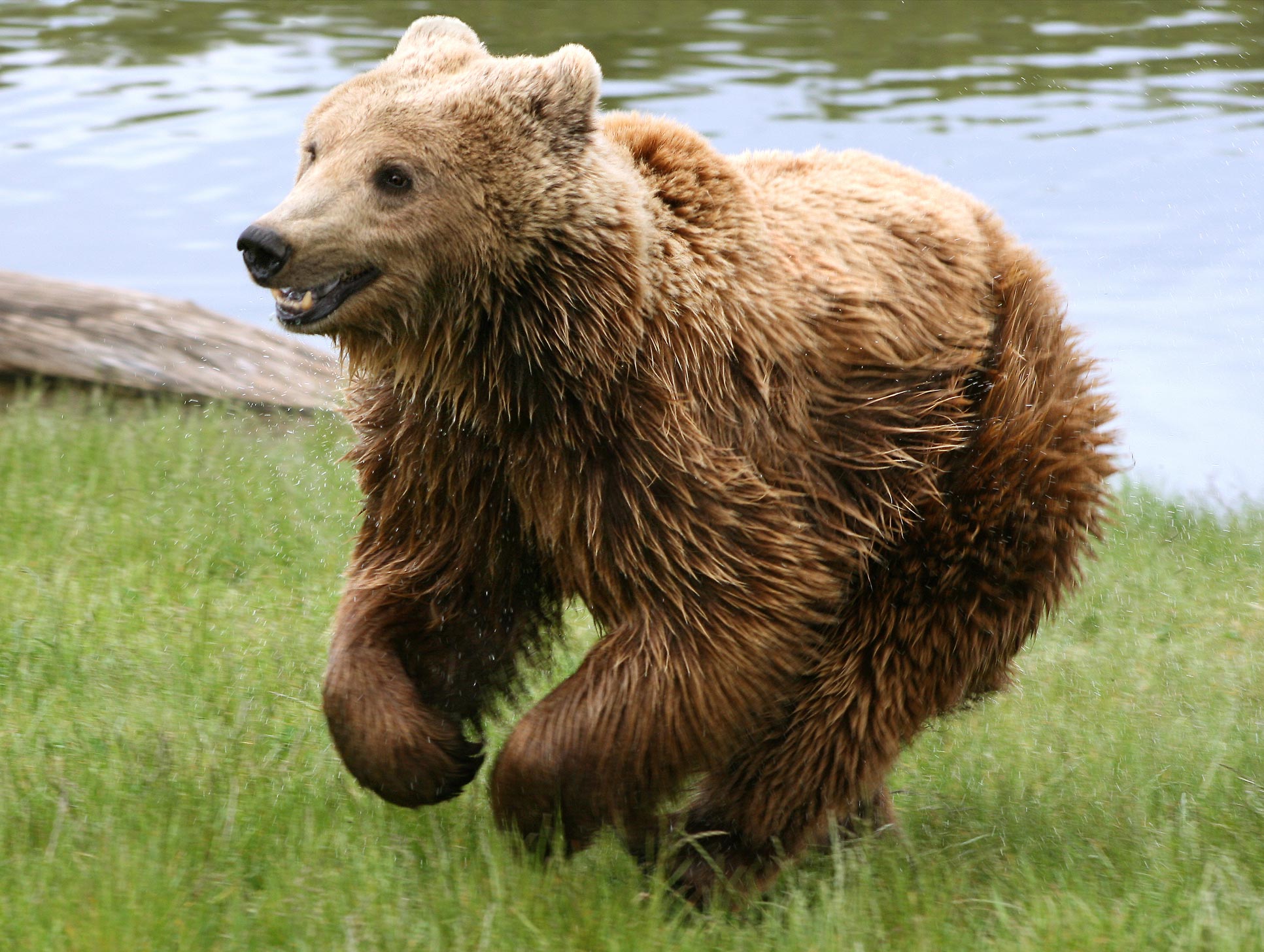
For more than 30 years, the “Kerry Cow” helped shape a story about how farming reached Ireland. Bone fragments found on the coast of County Kerry appeared to show that domesticated cattle had arrived while the island’s inhabitants still lived by hunting and gathering. A new analysis has revealed that those supposed cattle were a bear and a wild boar.
The fragments were unearthed during excavations in the 1980s and 1990s at Ferriter’s Cove, a small bay on the Dingle Peninsula. Dated to the end of Ireland’s Mesolithic period, which lasted from 8000 to 4000 BCE, they were considered the earliest evidence of domesticated farm animals in either Ireland or Britain.
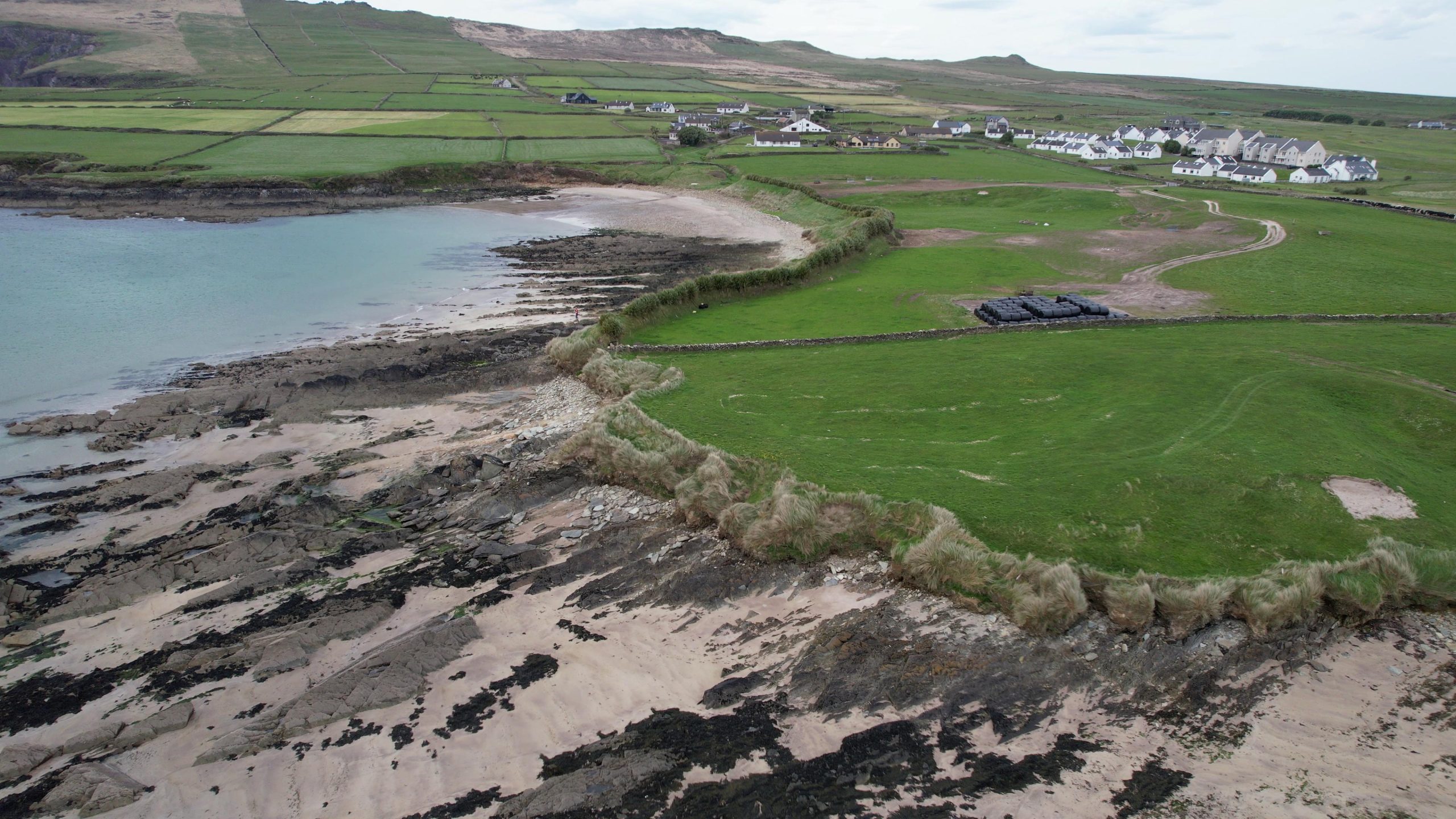
Their identification as cattle challenged existing theories about Ireland’s transition to farming, suggesting that its hunter-gatherers had established links with Neolithic farmers arriving from continental Europe before agriculture took hold on the island.
Bone proteins reveal bear and boar
Researchers led by Dr. Martin Moucheron at University College Dublin (UCD) returned to the original archaeological material, now stored at University College Cork (UCC). Working with Drs. Benjamin Gearey, Barra Ó Donnabháin, and Margaret McCarthy at UCC, and Kate Kanne at UCD, the team sent the bones to the CNRS laboratory in Lille, France.
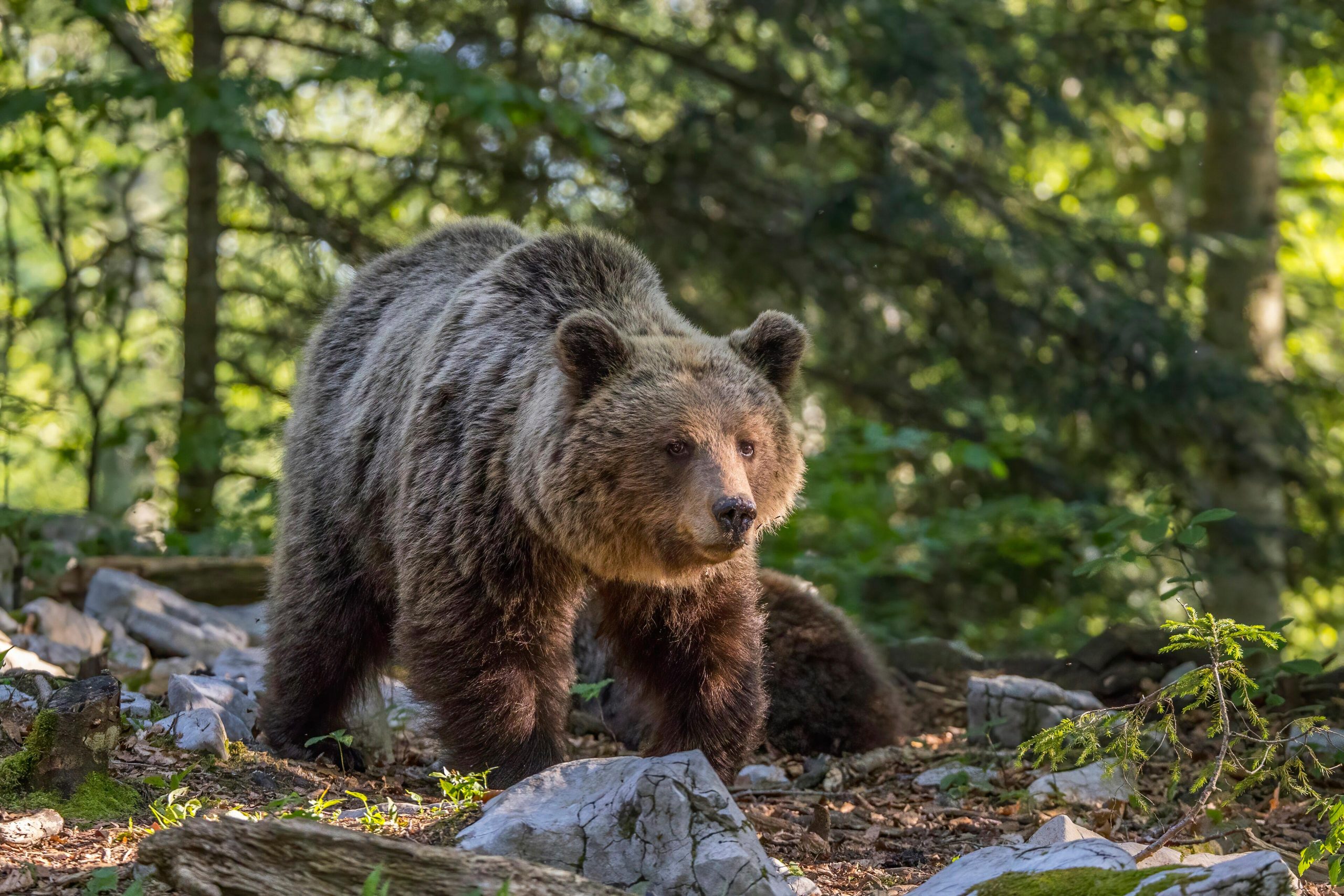
There, the fragments underwent analysis using ZooMS, a technique that identifies animals through proteins preserved in ancient bone collagen, a structural component of bone. The results identified bear and wild boar rather than the domesticated cattle on which the earlier interpretation depended.
Ireland’s farming timeline loses a key clue
Reported in the latest edition of PAST, the newsletter of the Prehistoric Society, the findings remove a major piece of evidence from debates about when and how communities in Ireland and Britain moved from hunting and gathering to farming. There is currently no archaeological evidence supporting the idea that domesticated cattle, and by extension early farming communities, had reached or influenced Ireland before 4000 BCE. Losing that evidence does not establish a new arrival date, but it changes the basis for reconstructing that transition.
“Ferriter’s Cove is an iconic archaeological site, originally excavated by the Late Professor Peter Woodman, Department of Archaeology, UCC; this new collaboration with colleagues at UCD marks an exciting new phase of research and these remarkable results are set to change our understanding of the earliest evidence for agriculture in Ireland,” said Gearey.
The work is part of a Research Ireland-funded postdoctoral project at UCD’s School of Archaeology, led by Moucheron under the mentorship of Professor Graeme Warren. The project is reexamining important Mesolithic archaeological sites using modern scientific techniques.
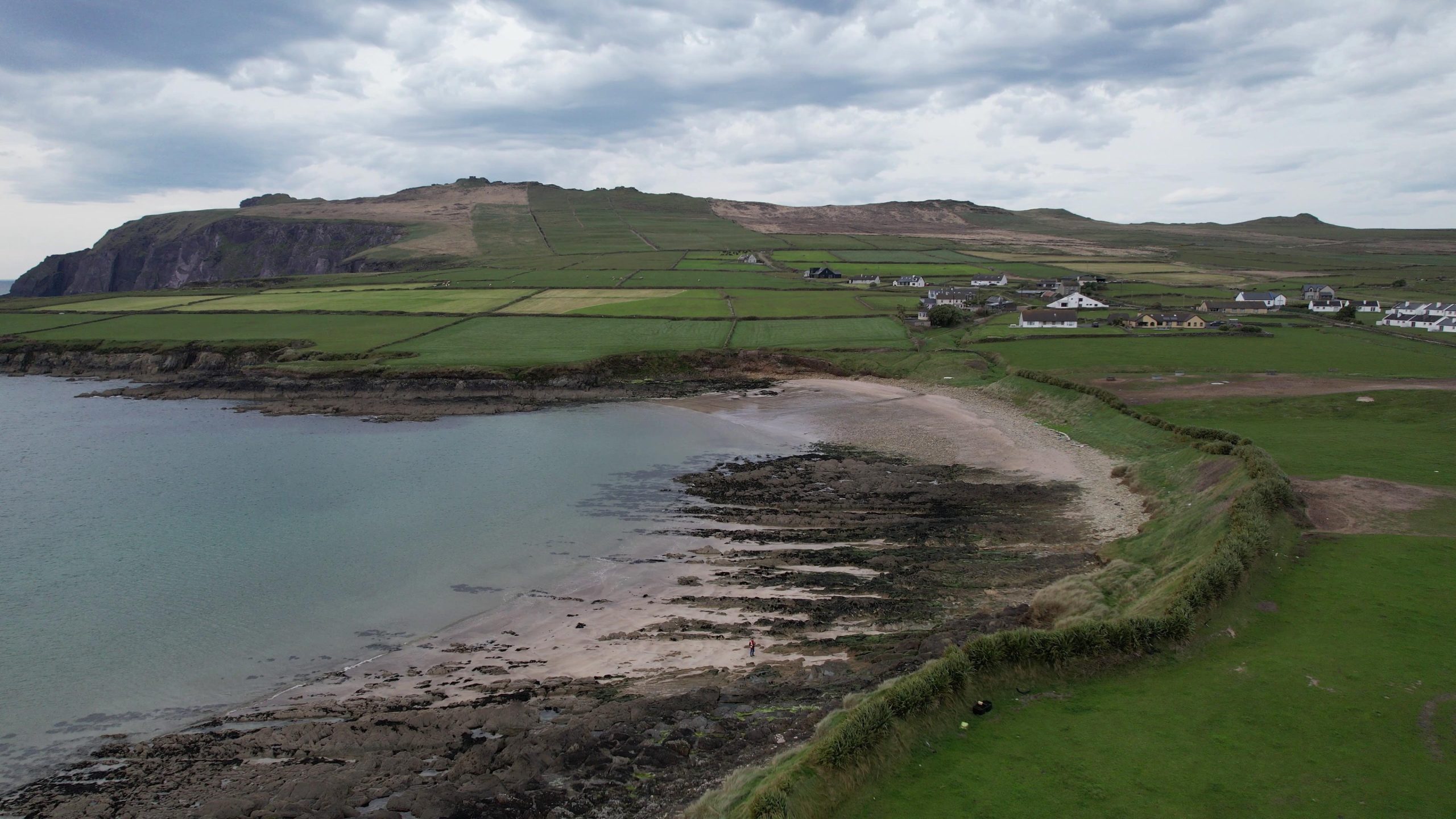
Warren added, “These exciting results show the real value in going back to key sites with new analytical techniques – which can change the stories we tell about our past”
“For at least four millennia hunting and gathering people lived on the island, and there is a common conception that they left little trace and that we know very little about them – unlike the megaliths of Neolithic farmers, who are portrayed in ways that feel very familiar in Ireland,” said Moucheron.
“But there is much we can understand about Mesolithic people just by going back to the sites and material we have, and by looking at them with new eyes and new techniques – and an open mind.”
Further analyses are underway to determine whether the bear remains belonged to brown bears or polar bears. The researchers hope this work will provide new insights into Ireland’s prehistoric bear populations before their extinction during the Bronze Age.
Reference: “No sacred cows: ZooMS identification of the Late Mesolithic
bone assemblage at Ferriter’s Cove, Co. Kerry, Ireland”.
Never miss a breakthrough: Join the SciTechDaily newsletter.
Follow us on Google and Google News.