
Close Menu
    Facebook X (Twitter) Instagram
    SciTechDaily
    • Biology
    • Chemistry
    • Earth
    • Health
    • Physics
    • Science
    • Space
    • Technology
    Facebook X (Twitter) Pinterest YouTube RSS
    SciTechDaily
    Home»Health»Psychological Distress: Acute Depression, Stress & Anxiety Higher During Peak of COVID-19 Pandemic
    Health

    Psychological Distress: Acute Depression, Stress & Anxiety Higher During Peak of COVID-19 Pandemic

    By PLOSJuly 28, 20201 Comment3 Mins Read
    Facebook Twitter Pinterest Telegram LinkedIn WhatsApp Email Reddit
    Share
    Facebook Twitter LinkedIn Pinterest Telegram Email Reddit
    COVID-19 Pandemic Stress Depression
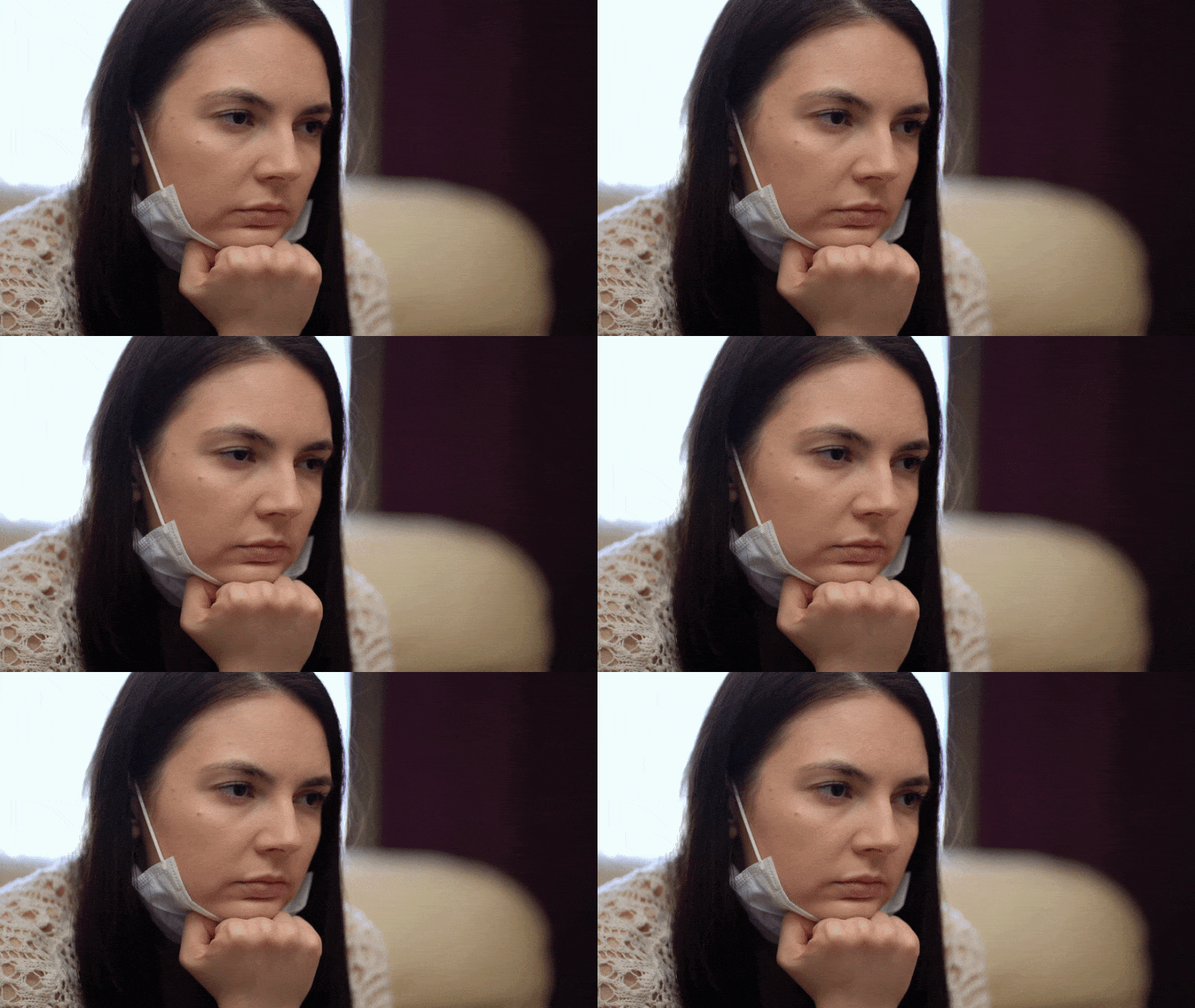
    A recent study reveals that Australian adults experienced increased rates of psychological distress, including symptoms of depression and anxiety, during the peak of the COVID-19 outbreak in the country.

    Rates of psychological distress, including depression and anxiety symptoms, were found among Australian adults during the peak of the COVID-19 outbreak in Australia, according to a new study published July 28, 2020, in the open-access journal PLOS ONE by Jill Newby of the University of New South Wales at the Black Dog Institute, Sydney, Australia, and colleagues.

    The acute and long-term mental health impacts of the COVID-19 pandemic are largely unknown. Research into previous pandemics has shown higher rates of illness fears, psychological distress, insomnia, and other mental health problems in people with pre-existing mental illness, front-line health care workers, and survivors of the disease. Research into the mental health impacts of COVID-19 is needed to inform policy decisions, prevention efforts, treatment programs, and community support systems.

    In the new study, researchers used an online survey, administered from March 27 through April 7–now considered to be the peak of the COVID-19 outbreak in Australia–to examine mental health responses to the pandemic among 5070 Australian adults. The online questionnaire asked participants about their fears, behavioral responses to COVID-19, psychological distress, alcohol use, and physical activity. A similar survey had already been carried out among 2,174 Australians in early March, when cases in the country were still low.

    The population included in the survey was not representative of the overall population; 70% had pre-existing mental health diagnoses, 86% were female, and 75% were Caucasian. Although few participants had contracted COVID-1019 (0.15%), more than one-quarter (25.9%) were very or extremely worried about contracting the virus and more than half (52.7%) were very or extremely worried about their family and friends. While the questionnaires could not be used to make any diagnoses, most participants reported that their mental health had worsened during the outbreak, with 55% saying it had worsened a little and 23% saying it had worsened a lot. Around half of all participants reported moderate to extreme loneliness and worry about their financial situation. Between 20.3 and 24.1% of people surveyed had been experiencing severe or extremely severe levels of depression, anxiety, and stress over the week preceding their survey, and another 18 to 22% had moderate symptoms.

    Newby says: “We wanted to provide a snapshot of the mental health of the general community during the COVID-19 outbreak and look into the impact of the enforcement of social distancing laws, in Australia.” She adds, “We don’t know what the long-term impacts of the pandemic will be, but these figures certainly show a negative impact on mental health in the short term.”

    Reference: “Acute mental health responses during the COVID-19 pandemic in Australia” by Jill M. Newby, Kathleen O’Moore, Samantha Tang, Helen Christensen and Kate Faasse, 28 July 2020, PLoS ONE.
    DOI: 10.1371/journal.pone.0236562

    This study was funded by a MRFF Career Development Fellowship to JMN. The funders had no role in study design, data collection and analysis, decision to publish, or preparation of the manuscript.

    Competing Interests: The authors have declared that no competing interests exist.

    Never miss a breakthrough: Join the SciTechDaily newsletter.
    Follow us on Google and Google News.

    COVID-19 Depression Mental Health PLOS Public Health Stress
    Share. Facebook Twitter Pinterest LinkedIn Email Reddit

    Related Articles

    Depression Rates Tripled and Symptoms Intensified During First Year of COVID-19 Pandemic

    How Has the COVID-19 Pandemic Affected Our Sleep and Our Dreams?

    During COVID-19 Pandemic, Increased Screen Time Linked With Increased Mental Distress

    Fear of COVID-19: Psychological, Not Environmental Factors Are Important

    Reversal of Fortunes: COVID Pandemic Adolescent Mental Health Study Reveals Turnaround Finding

    COVID-19 Psychological Distress: 1 in 3 Adults Anxious, Depressed

    National Poll: COVID Pandemic Has Negatively Impacted Teens’ Mental Health – Expert Recommendations

    Depression and Stress Could Dampen Efficacy of COVID-19 Vaccines: Interventions Could Boost Immunity

    “Alarming” COVID-19 Study: 80% of Respondents Report Significant Symptoms of Depression

    1 Comment

    1. schmu on July 29, 2020 11:35 am

      wow.. psychological issues, because of a rampaging global pandemic and governments failing to contain it..who would have thought..

      New study: “People living in poverty have less money!” :O

      much surprise

      Reply
    Leave A Reply Cancel Reply

    • Facebook
    • Twitter
    • Pinterest
    • YouTube

    Don't Miss a Discovery

    Subscribe for the Latest in Science & Tech!

    Trending News

    Tea or Coffee? Your Daily Choice Could Affect Osteoporosis Risk

    Vitamin C May Fight Cancer in a Surprising Way

    Hidden Earthquake Threat: Oregon’s Fault May Be Closer to the Surface Than Scientists Thought

    Scientists Discover Hidden Sleep Switch That Boosts Brainpower, Builds Muscle, and Burns Fat

    Ancient Mega-Floods Once Ripped Across Mars and Left This Giant Scar

    Scientists Discover Cheap, Natural Remedy for High Blood Pressure

    Earth’s Upper Atmosphere Is Cooling Fast and Scientists Finally Know Why

    32,000 Olympic Pools of Magma Nearly Erupted Beneath Atlantic Island

    Follow SciTechDaily
    • Facebook
    • Twitter
    • YouTube
    • Pinterest
    • Newsletter
    • RSS
    SciTech News
    • Biology News
    • Chemistry News
    • Earth News
    • Health News
    • Physics News
    • Science News
    • Space News
    • Technology News
    Recent Posts
    • The Type of Alcohol You Drink Could Affect How Long You Live
    • 19-Year Study Reveals the Surprising Truth About Sitting and Dementia
    • This Common Vitamin May Help Stop Prediabetes From Turning Into Diabetes
    • Canada’s Billion-Year-Old Rocks Could Hold the Future of Clean Energy
    • Climate Change Is Quietly Choking Rivers Across the Planet
    Copyright © 1998 - 2026 SciTechDaily. All Rights Reserved.
    • Science News
    • About
    • Contact
    • Editorial Board
    • Privacy Policy
    • Terms of Use

    Type above and press Enter to search. Press Esc to cancel.