
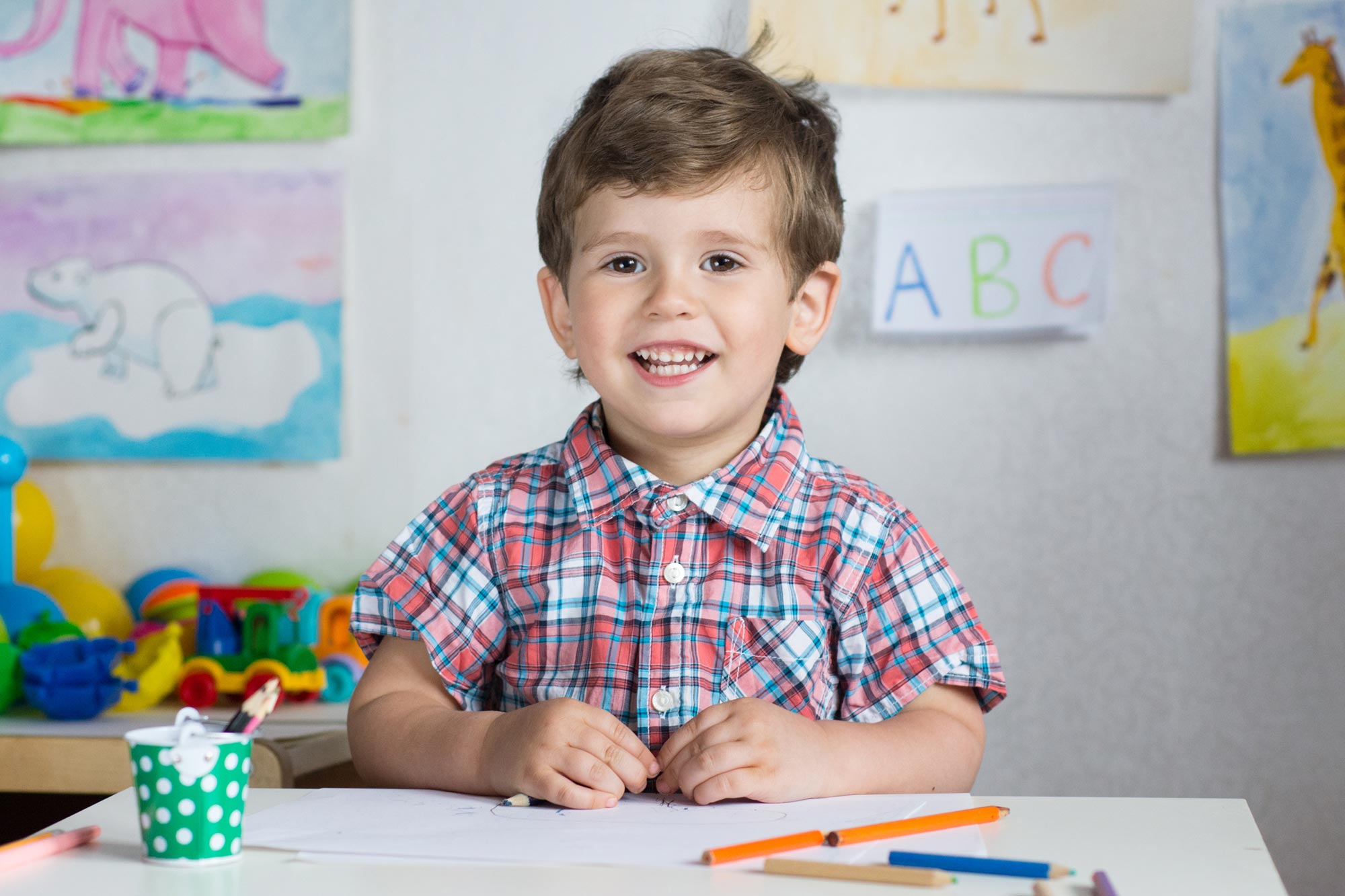
A child’s preschool classroom may leave traces that are still visible years after finger painting, story time, and learning to count are over.
A major research project involving Miami-Dade County students found that children who attended public school pre-K went on to perform better academically than those who received family-based childcare. The advantage was not limited to kindergarten or elementary school. Researchers found differences in grades and standardized test performance that persisted into adolescence.
The findings add to a long-running debate over what makes preschool effective. Simply giving children somewhere to spend the day before kindergarten may not be enough. The structure of the classroom, the preparation of teachers, and what children actually experience there could help shape how ready they are for school.
The research grew out of a long-term effort involving children in Miami-Dade County, one of the largest school systems in the United States.
What the 20-Year Preschool Study Found
Florida International University describes the broader project as following academic records involving about 400,000 public school students over a 20-year period, beginning with data from third grade and extending through high school.
The newly published study, led by George Mason University with FIU associate professor of teaching and learning Charles Bleiker involved in the research, examines a more specific group within that larger body of data. It analyzed 27,814 children from low-income families who had attended one of three types of preschool at age 4: public school pre-K, center-based childcare, or family-based childcare. The sample was 60 percent Latino and 33 percent Black.
Teacher Training May Help Explain the Difference
Children who had attended public school pre-K generally emerged with stronger academic outcomes than those who had been in family-based childcare. FIU says those differences remained evident as students moved through school and into adolescence.
The three preschool settings all had to meet minimum program requirements, but they did not operate under identical standards.
Public school pre-K was the only setting in the comparison that required teachers to have a college degree.
“They had more education and probably higher-quality teachers,” Bleiker said. “It really tests the idea that having better-trained teachers or better curricula actually helps these kids. Critics often say teachers don’t need to be highly educated to teach young children, that it’s just babysitting and a waste of money. Our data says otherwise.”
Better-Trained Teachers Shape Early Learning
Bleiker believes that preparation becomes especially important when teachers are managing the complicated social and behavioral needs of very young children.
“It makes a huge difference if you’ve been trained,” Bleiker said. “Novice teachers without formal training struggle more. Some of these were mom-and-pop centers hiring people who aren’t fully qualified to teach. If a child spends those formative years in time out, watching videos or being herded around, rather than being stimulated, these experiences spill over. They reach kindergarten not ready academically, socially, or emotionally.”
Academic instruction is only part of what children encounter in pre-K.
A classroom also introduces routines that become ordinary later in school: listening to a teacher, following a schedule, working alongside other children, moving between activities, managing frustration, and functioning as part of a group.
Preschool Builds More Than Academic Skills
Bleiker argues that beginning those routines earlier can make the transition into kindergarten easier.
Early childhood education is often judged by immediately measurable skills such as recognizing letters, counting, or vocabulary. The Miami research suggests the environment itself may also matter, including how teachers manage classrooms and how much meaningful stimulation children receive.
Earlier research from the same Miami project has likewise found differences in school readiness among children attending public school pre-K, center-based care, and family childcare, making the latest findings part of a much longer investigation rather than an isolated result.
What Other Preschools Can Learn From Public Pre-K
Bleiker, who has worked at FIU since 2001, has spent years studying early childhood education and developing programs aimed at improving young children’s learning.
He does not see the findings as evidence that public schools should replace private centers or family childcare.
A more practical lesson may be to identify what successful public pre-K classrooms are doing differently and bring those practices into other settings.
That could include stronger teacher preparation, better curricula, more intentional classroom routines, and greater attention to the way adults interact with children.
How Parents Can Choose a Better Preschool
Bleiker now uses the research to help develop curriculum interventions and early math programs and supports giving children access to structured learning opportunities beginning around age 3. FIU has previously reported on one of his preschool math programs, which uses simple game-like activities to develop early numerical skills.
For families, however, choosing a preschool often comes down to evaluating individual programs rather than comparing entire categories of childcare.
Bleiker suggests focusing on a few practical signs:
- Look for stability. Ask how long teachers tend to remain at the center. Young children can become strongly attached to caregivers, and constant staff turnover can disrupt those relationships.
- Use your local Early Learning Coalition. Families can turn to these organizations for quality information, resources, and help evaluating childcare programs.
- Do your homework. Visit a center before enrolling your child. Ask about the staff, daily schedule, curriculum, classroom expectations, and how teachers respond when children struggle.
- Talk to other parents. Families already using the program can provide insight into whether children seem happy, engaged, and well supported.
The most revealing evidence may ultimately come from the child.
If a child repeatedly seems unhappy, disengaged, or unable to thrive in a particular environment, Bleiker says parents should be willing to reconsider the arrangement and look for a setting that fits better.
Reference: “The influence of elementary school quality on differential long-term effects of preschool programs in third grade” by Kaitlyn Mumma, Louis L. Manfra, Charles C. Bleiker, Laura Dinehart, Suzanne Hartman, Victoria Rabii and Adam Winsler, 12 March 2026, Early Childhood Research Quarterly.
DOI: 10.1016/j.ecresq.2026.03.004
This study was funded by the Early Learning Coalition of Miami-Dade/Monroe and Children’s Trust.
Never miss a breakthrough: Join the SciTechDaily newsletter.
Follow us on Google and Google News.