

A massive meteor strike on Mars sent shockwaves across the planet, revealing that some of its tremors weren’t tectonic but impact-driven.
AI and high-resolution images confirmed the link, changing how scientists interpret Marsquakes. This discovery improves predictions for future missions and highlights the need for planetary defense against space hazards.
A Meteor Strike Shakes Mars
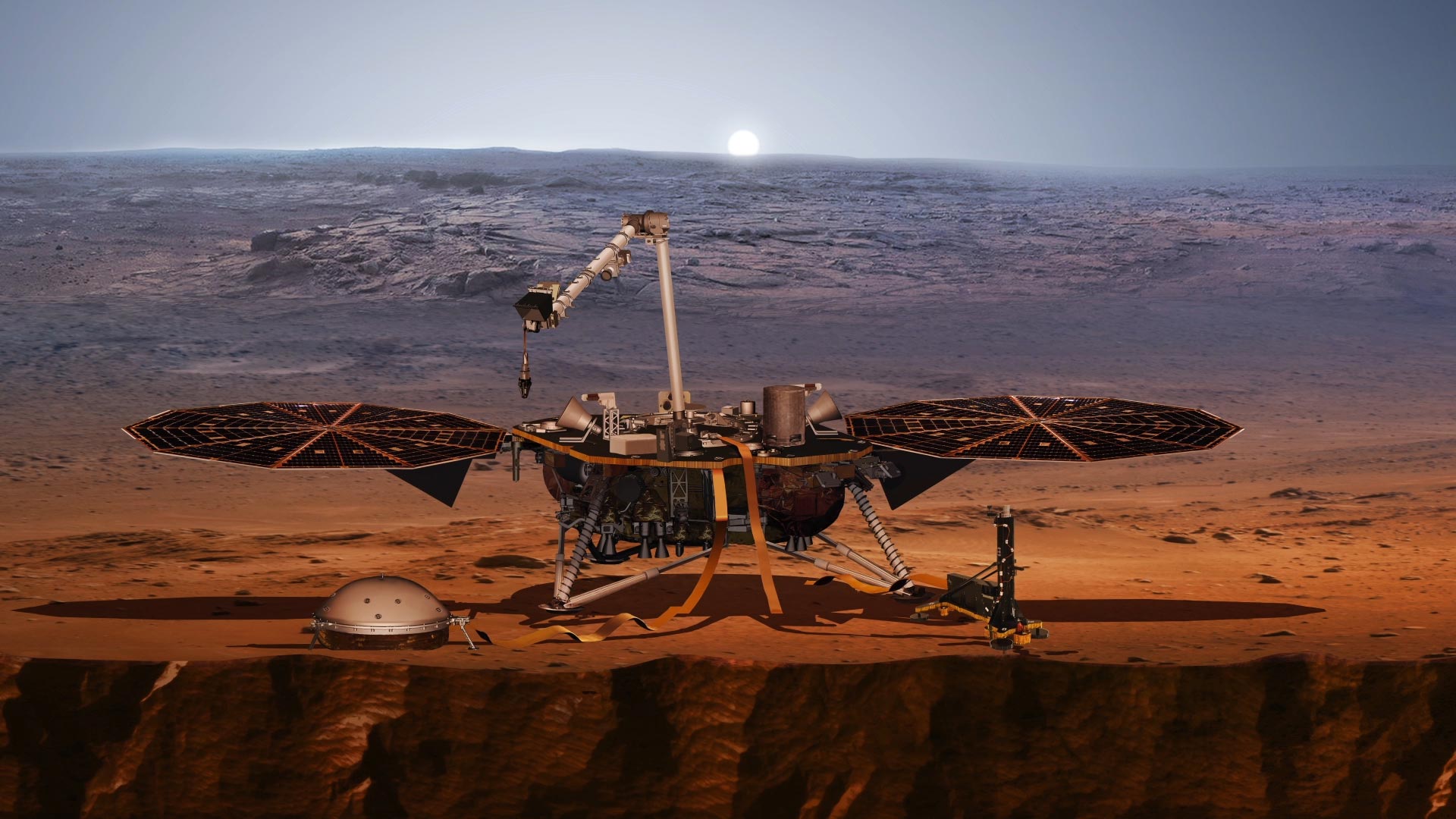
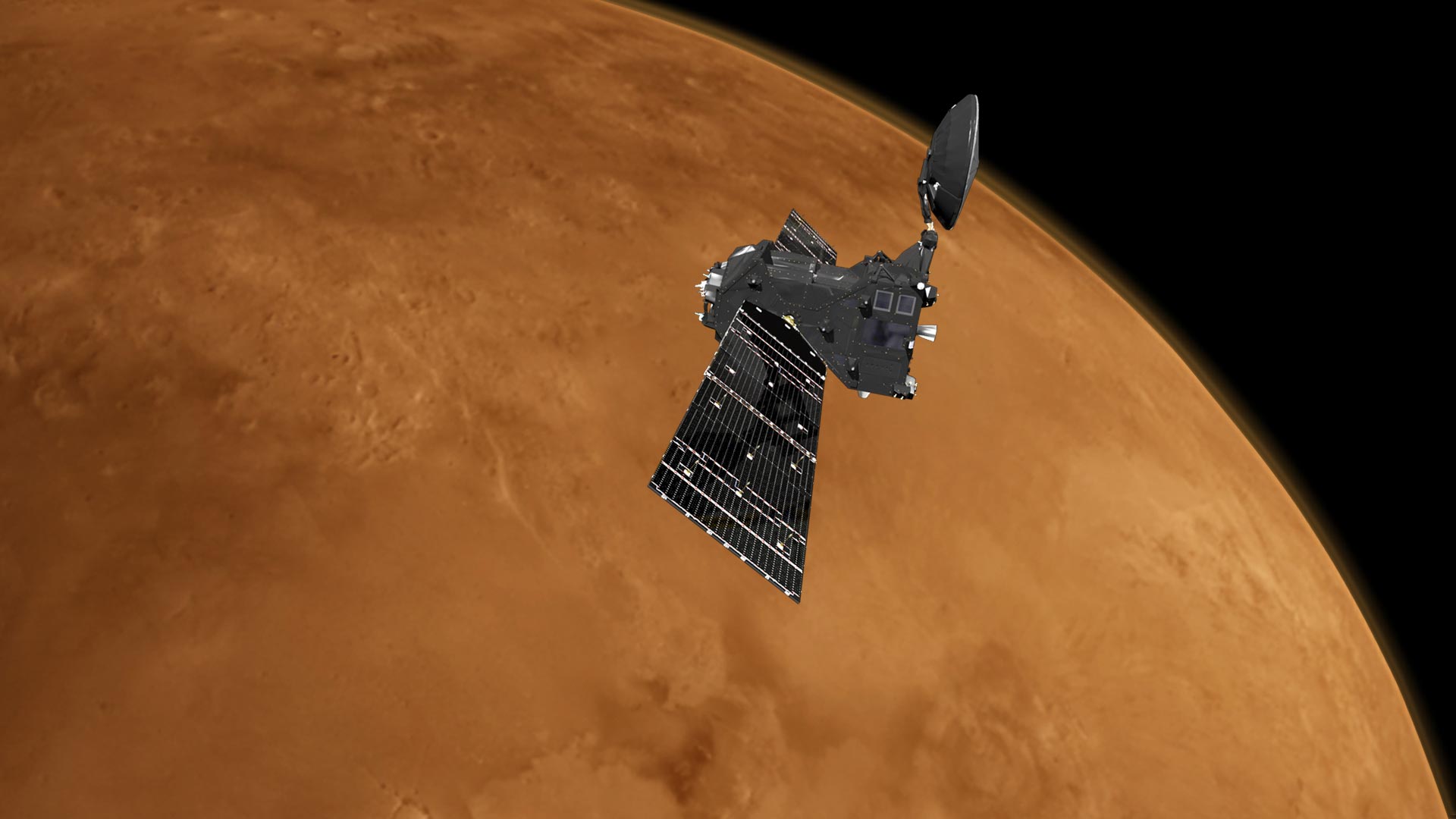
A meteor crashed into Mars in February 2021, sending seismic waves that traveled 1,640 km (1,019 miles) to NASA’s InSight lander. The impact left a crater 21 meters (69 feet) wide and disturbed an area spanning about 1,400 meters (4,593 feet). The European Space Agency’s ExoMars Trace Gas Orbiter (TGO) captured the event using its Colour and Stereo Surface Imaging System (CaSSIS).
Mars frequently experiences both marsquakes — its version of earthquakes — and meteor impacts. Over the past two decades, scientists have manually analyzed countless images, identifying hundreds of fresh impact craters across the planet’s surface.
AI Joins the Hunt for Impact Craters
To streamline this painstaking work, researchers are now using artificial intelligence to detect new craters and link seismic data from multiple orbiting instruments. Among them is ESA’s CaSSIS camera, which plays a key role in this effort.
Two recent studies published in Geophysical Research Letters suggest that many seismic events recorded by InSight — previously thought to be tectonic in origin — may actually be caused by meteor strikes. A false-color image of a newly formed crater in Cerberus Fossae, one of Mars’ most seismically active regions, provided critical evidence supporting this discovery.
High-Resolution Images Confirm the Impact
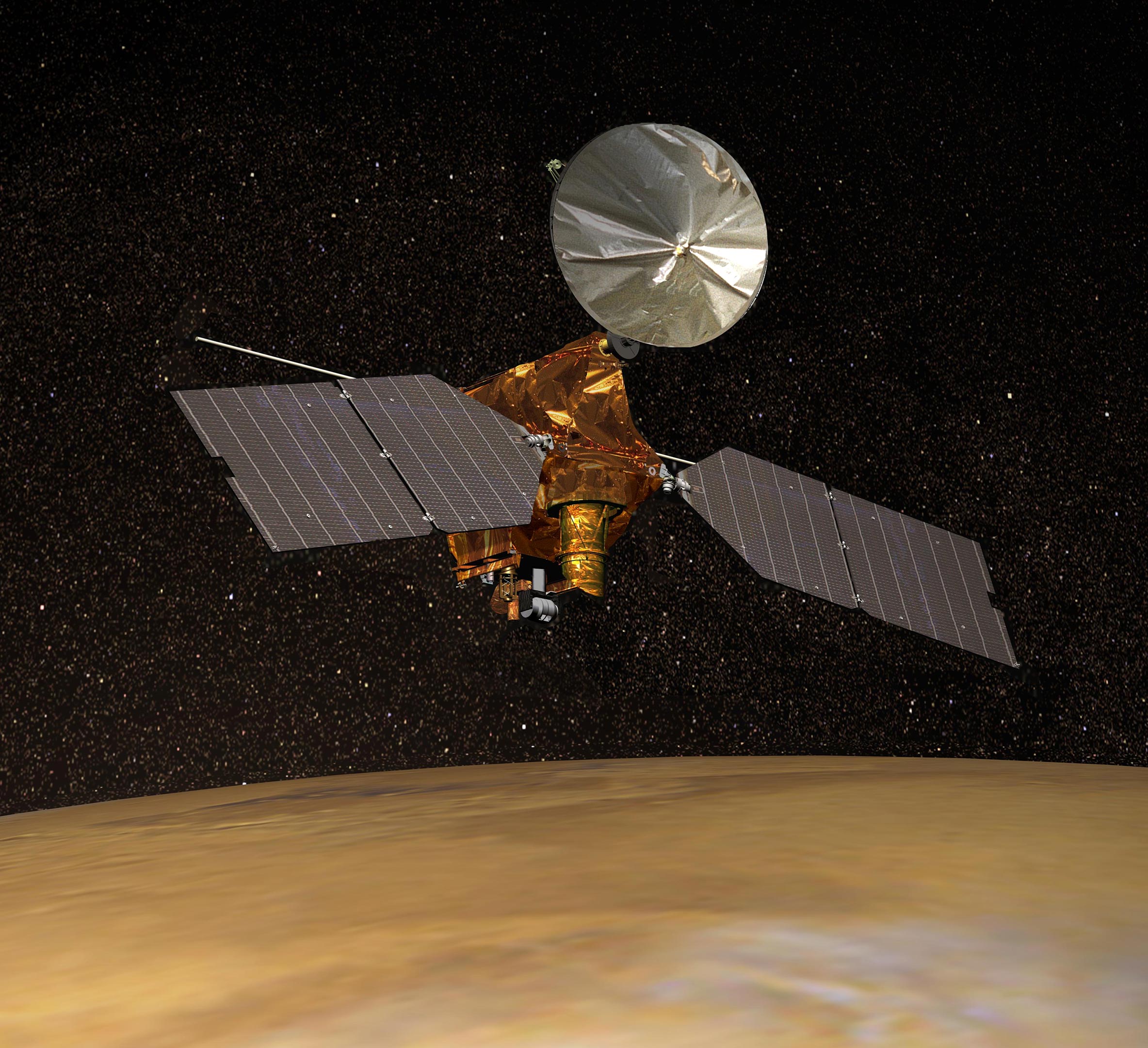
Researchers gathered high-resolution images coming from several cameras orbiting Mars: Mars Reconnaissance Orbiter’s Context Camera and HiRISE, ESA’s CaSSIS on the Trace Gas Orbiter, and Mars Express’s High Resolution Stereo Camera. Their images helped locate a fresh crater that appeared at the same time as one of the quakes detected by InSight’s sensors.
The successful match helped researchers refine their understanding of Mars’s seismic signals, including how different types of vibrations travel through the planet at different depths and speeds.
A Seismic Highway Beneath the Surface
Knowing exactly where this impact took place has made researchers realize that waves travel faster and deeper through the planet than previously thought – a sort of seismic highway. Additional data on impact rates and crater sizes will help evaluate potential risks to robots, humans, and habitats during future Mars missions.
While these results show that meteors strike Mars as much as two-and-a-half times more often than expected, ESA’s space safety program is actively working to develop a planetary defense capability to mitigate and prevent the impacts of hazards from space.
TGO’s Mission: Mapping Mars and Its Atmosphere
TGO continues to image Mars from orbit to understand its ancient past and potential habitability. The spacecraft is not only returning spectacular images, but also providing the best inventory of atmospheric gases and mapping the planet’s surface for water-rich locations.
Understanding the history of water on Mars and whether it once allowed life to flourish is at the heart of ESA’s ExoMars missions.
Explore Further: A Meteor Strike Just Revealed a Hidden Seismic Highway on Mars
References:
“New Impacts on Mars: Systematic Identification and Association With InSight Seismic Events” by V. T. Bickel, I. J. Daubar, G. Zenhäusern, G. Doran, C. Charalambous, B. Fernando, A. Sokolowska, K. L. Wagstaff, T. Pike, S. C. Stähler, J. Clinton and D. Giardini, 3 February 2025, Geophysical Research Letters.
DOI: 10.1029/2024GL109133
“New Impacts on Mars: Unraveling Seismic Propagation Paths Through a Cerberus Fossae Impact Detection” by Constantinos Charalambous, W. Thomas Pike, Benjamin Fernando, Natalia Wójcicka, Doyeon Kim, Marouchka Froment, Philippe Lognonné, Savana Woodley, Lujendra Ojha, Valentin T. Bickel, Joseph McNeil, Gareth S. Collins, Ingrid J. Daubar, Anna Horleston and Bruce Banerdt, 3 February 2025, Geophysical Research Letters.
DOI: 10.1029/2024GL110159
Never miss a breakthrough: Join the SciTechDaily newsletter.
Follow us on Google and Google News.