
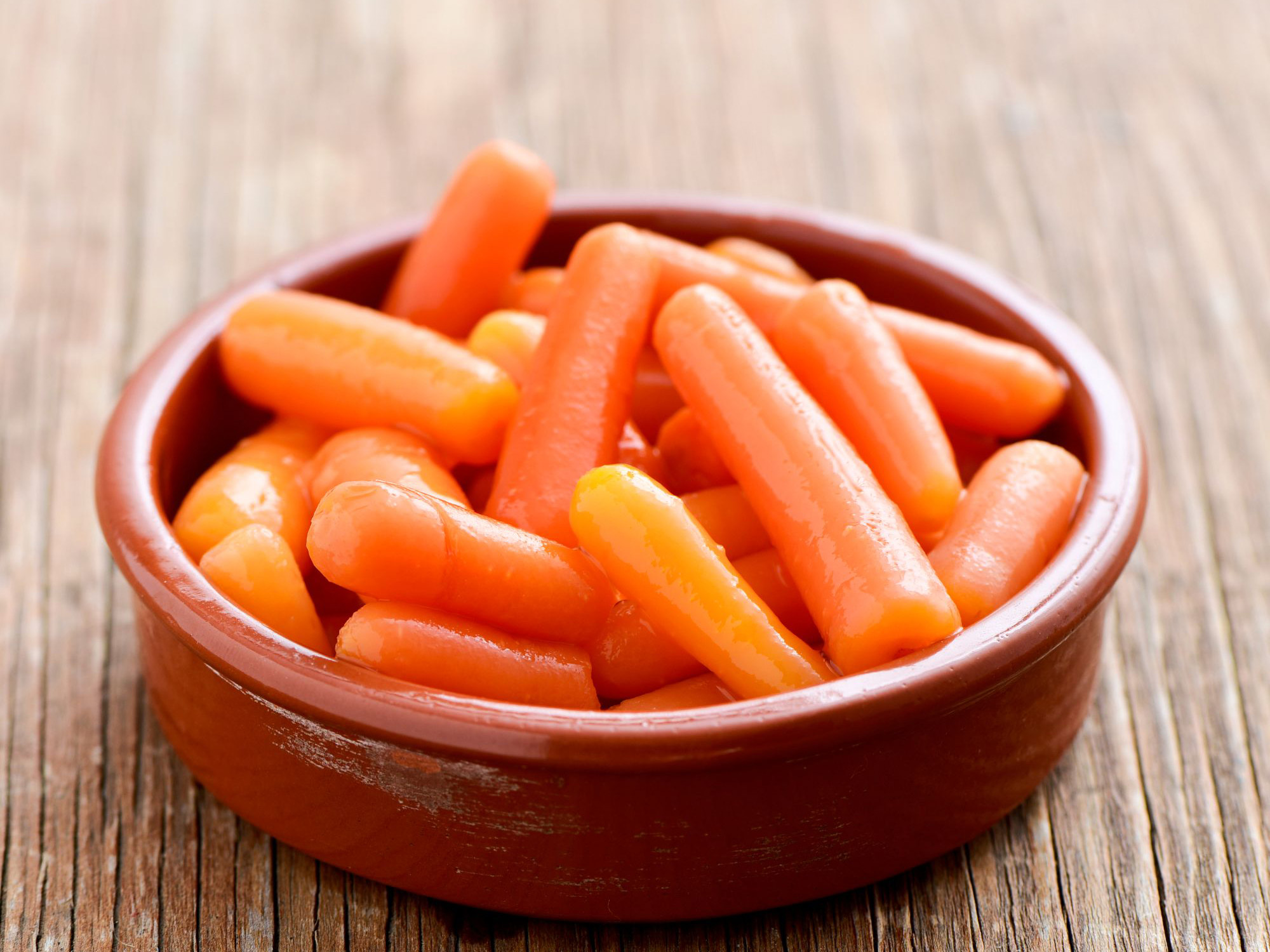
Eating baby carrots three times a week was sufficient to observe benefits.
A recent study discovered that consuming baby carrots as a snack three times a week noticeably enhanced the levels of skin carotenoids in young adults. These phytonutrient levels rose even further when the carrots were paired with a multivitamin that includes beta carotene.
Carotenoids, which are responsible for the bright red, orange, and yellow colors of many fruits and vegetables, can be measured in the skin to gauge fruit and vegetable consumption since diet is the only source of these pigments. Higher levels of skin carotenoids are associated with increased antioxidant protection and a lower risk of chronic diseases such as heart disease and certain cancers. This marker also reflects improved skin health and immune function.
Study Findings and Presentation
“Previous studies have demonstrated that skin carotenoid levels can be increased by consuming three times the recommended serving of fruits and vegetables every day for three weeks,” said Mary Harper Simmons, a Master of Science in Nutrition student at Samford University. “Our findings suggest that a small, simple dietary modification — incorporating baby carrots as a snack — can significantly increase skin carotenoid accumulation.”

Simmons presented the findings at NUTRITION 2024, the flagship annual meeting of the American Society for Nutrition held June 29–July 2 in Chicago.
Methodology of the Study
For the study, the researchers randomly assigned 60 young adults to groups that received a four-week intervention of either Granny Smith apple slices (control), 100 grams (about half a cup) of baby carrots, a multivitamin supplement containing beta carotene, or a combination of baby carrots and the supplement. Before and after the intervention, they used a noninvasive research-grade spectroscopy instrument called a VeggieMeter to detect and quantify carotenoids in the skin of the study participants.
The researchers found that compared to pre-intervention levels, skin carotenoid scores were significantly increased by 10.8% in the group receiving the baby carrots and by 21.6% in the group receiving the carrots and the supplement. Skin carotenoid levels did not change in the control group or in those receiving only the supplement.
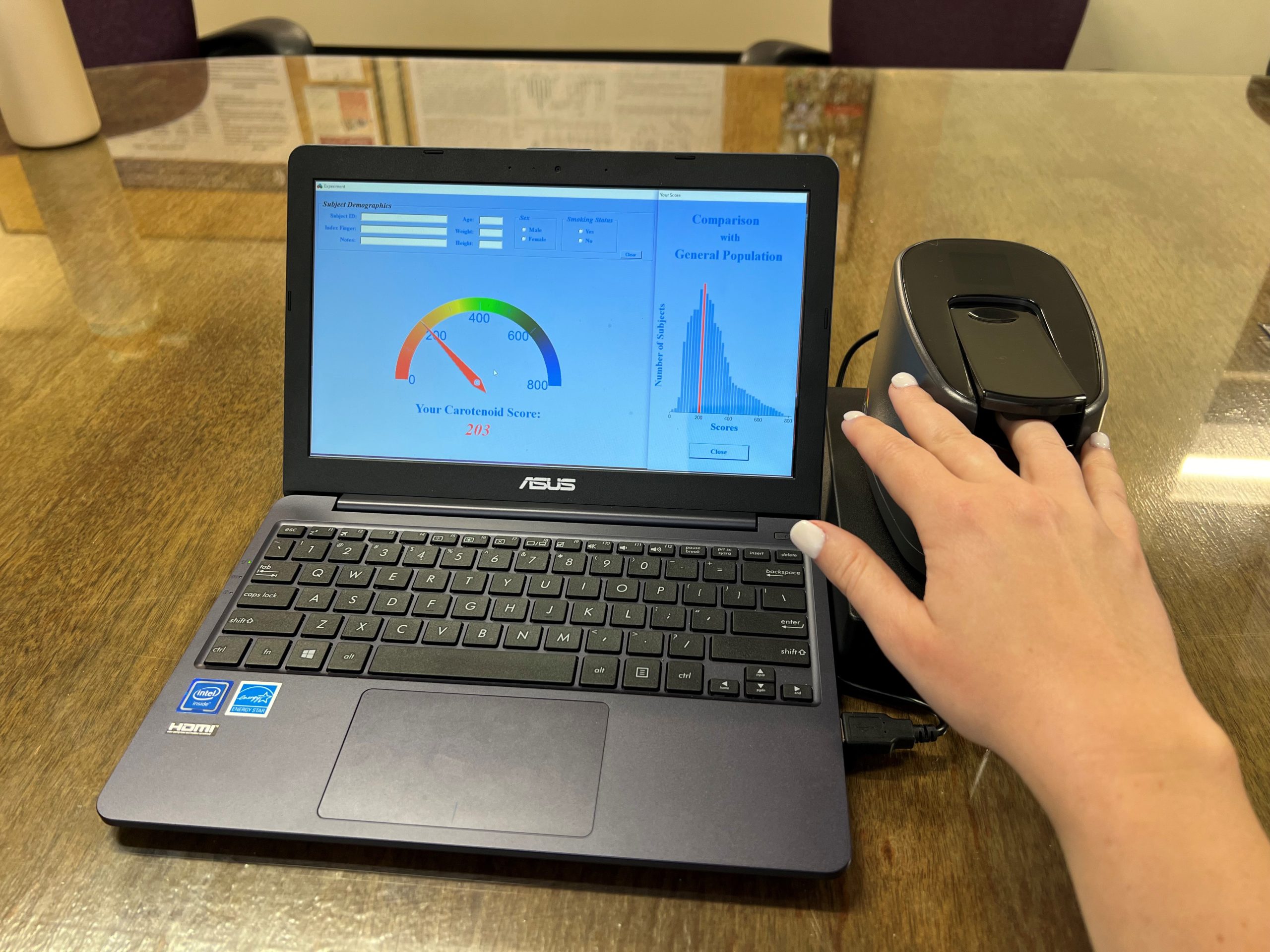
“We found that the combination of baby carrots and a multivitamin supplement that contains beta carotene can have an interactive effect on skin carotenoid accumulation,” said Simmons. “To get a beneficial effect, people should choose a multivitamin that contains beta carotene, and remember to eat baby carrots at least three times a week.”
Since carotenoid accumulation was not increased by multivitamin supplementation alone there could be differences in how carotenoids are absorbed, depending on whether they are from food or supplements. The researchers would like to explore the mechanism behind these findings and study the effects of other carotenoid-rich foods, such as sweet potato or green leafy vegetables.
Reference: “Effect of a Four-week Intervention Using Baby Carrots or Multivitamin Supplements on Skin Carotenoid Scores in Young Adults” by Mary Harper Simmons, Chloe E. Johnson, Suresh T. Mathews, Tess V. McNeal and Laura G. Presley, 30 June 2024, NUTRITION 2024.
Never miss a breakthrough: Join the SciTechDaily newsletter.
Follow us on Google and Google News.
2 Comments
Carrots also contain psoralen, which is a photosensitizer, and is activated by uv from the sun, killing skin cells and forming blisters and a burn. It’s called phytophotodermatitis. All citrus also contain psoralen, as does figs and some other common foods. Most common medications are also photosensitizers, causing the skin to burn more easily in the sun. Medicine knows about this, and some medications warn against going out in the sun. But nobody mentions this about foods, like carrots, celery, figs, citrus, and more. The sun is normally healthy, and our bodies evolved to deal with uv. But these foods make the skin more sensitive to the sun. Ironically, many sunscreens also contain ingredients known to be photosensitizers.
See my article, Burn Easily in the Sun? It could be your diet and medications.
https://www.academia.edu/116510668/Burn_Easily_in_the_Sun_It_Could_be_your_Diet_and_Medications
I know our Scientists and Doctors are doing there best to put us in the right way or rights part to be successful and to Survives. But many of there advices are not well understood and is confusing. Like one said you should eat baby carot and while other said is bad for your skin and your body. We are all trying to make best of our situation. Thanks To scientists and Doctors they are trying there best. As they say Rome was not build in a Day. We will get there. Everything in live is trying and Error. Thanks. To be continued. M. Luke.