
Close Menu
    Facebook X (Twitter) Instagram
    SciTechDaily
    • Biology
    • Chemistry
    • Earth
    • Health
    • Physics
    • Science
    • Space
    • Technology
    Facebook X (Twitter) Pinterest YouTube RSS
    SciTechDaily
    Home»Health»According to Scientists, This Type of Fat Could Help You Lose Weight and Live Longer
    Health

    According to Scientists, This Type of Fat Could Help You Lose Weight and Live Longer

    By Impact Journals LLCJanuary 14, 2025No Comments2 Mins Read
    Facebook Twitter Pinterest Telegram LinkedIn WhatsApp Email Reddit
    Share
    Facebook Twitter LinkedIn Pinterest Telegram Email Reddit
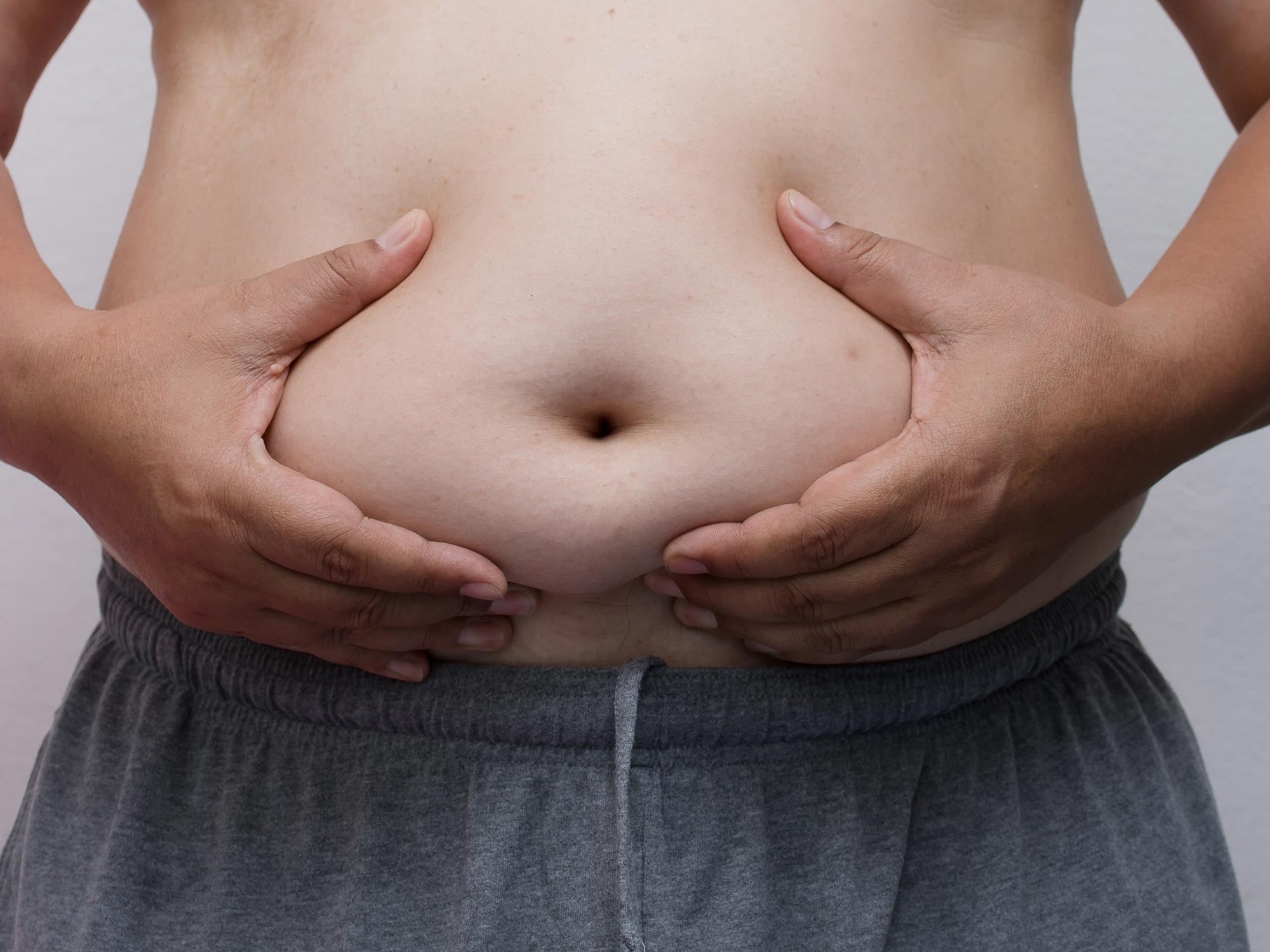
    Overweight Man Fat Belly
    Research from Rutgers New Jersey Medical School shows that brown adipose tissue can boost exercise performance and support healthy aging, offering promising insights for future therapies targeting age-related decline.

    The researchers hypothesize that brown adipose tissue (BAT) offers protection against compromised healthy longevity, including conditions such as obesity, diabetes, cardiovascular diseases, cancer, Alzheimer’s disease, and decreased exercise tolerance.

    A new research perspective published in Aging explores the impact of brown adipose tissue (BAT) on exercise endurance and healthy aging. Conducted by researchers Dorothy E. Vatner, Jie Zhang, and Stephen F. Vatner from Rutgers New Jersey Medical School, the study examines how BAT—a unique type of fat that burns calories to produce heat—contributes to overall health.

    Unlike white fat, which stores energy, brown fat increases body warmth and enhances metabolism. The researchers suggest that this metabolic activity may also offer protection against obesity, diabetes, and cardiovascular disease.

    BAT’s Direct Impact on Exercise Performance

    This research perspective highlights key findings from multiple studies on BAT. While most studies have shown that exercise regulates BAT activation and increases BAT density, relatively few have demonstrated that BAT itself can directly increase exercise performance.

    One notable example involves RGS14 knockout mice, a genetically modified group known for their longer lifespan. When BAT from these mice was transplanted into regular mice, the recipients displayed improved running endurance just three days after the transplant. In contrast, brown fat from non-modified mice took much longer to produce similar improvements.

    These findings highlight the unique properties of BAT in enhancing physical performance. The researchers emphasized also that BAT improves blood circulation and reduces cellular stress, which may help combat age-related muscle loss, fatigue, and metabolic decline.

    The authors suggest that treatments designed to mimic the benefits of brown fat could lead to innovative approaches for improving energy levels, maintaining a healthy weight, and supporting heart health.

    “​​In view of the ability of BAT to mediate healthful longevity and enhance exercise performance, it is likely that a pharmaceutical analog of BAT will become a novel therapeutic modality.”

    In conclusion, continued research on this topic may lead to the development of promising new therapies that help older adults live more active lives while reducing the risk of chronic age-related conditions.

    Reference: “Brown adipose tissue enhances exercise performance and healthful longevity” by Dorothy E. Vatner, Jie Zhang and Stephen F. Vatner, 18 December 2024, Aging.
    DOI: 10.18632/aging.206179

    Never miss a breakthrough: Join the SciTechDaily newsletter.
    Follow us on Google and Google News.

    Diabetes Fat Longevity Obesity Popular Public Health
    Share. Facebook Twitter Pinterest LinkedIn Email Reddit

    Related Articles

    Why Popular Diabetes Drugs Like Ozempic Don’t Work for Everyone: The “Genetic Glitch”

    Do Ozempic and Similar Weight Loss Drugs Work for Everyone? New Study Has Answers

    Nearly 20% Weight Loss Achieved With Higher Dose of Semaglutide, Study Finds

    Ozempic in Pill Form Delivers Dramatic Weight Loss Results in Major Trial

    New Pill for Obesity Delivers Major Weight Reduction Without Injections

    Weight Loss Breakthrough: Scientists Develop Edible “Fat Sponges” From Green Tea and Seaweed

    Popular Diabetes Drug Linked to Longer Life – Could It Help You Live Past 90?

    New Study: Eating Kimchi Could Reduce Abdominal Fat

    Does Intermittent Fasting Actually Work? Study Finds Meal Frequency Matters More Than Timing

    Leave A Reply Cancel Reply

    • Facebook
    • Twitter
    • Pinterest
    • YouTube

    Don't Miss a Discovery

    Subscribe for the Latest in Science & Tech!

    Trending News

    Study Finds a Surprising Link Between Gut Microbes and Aging

    Frequent Cannabis Users Wake Up With More “Stress Hormone”

    Scientists Reveal Hidden DNA Traces in the Shroud of Turin

    Giant Alien World Found Hiding in Plain Sight for 11 Years

    Scientists Link Heavy TV Watching to Brain Changes Decades Later

    Did T. rex Leave These Mysterious Marks on Dinosaur Bones?

    Quantum Computers Could Freeze Like Ordinary PCs

    Scientists Reversed Autism-Like Symptoms in Adult Mice Within Two Hours

    Follow SciTechDaily
    • Facebook
    • Twitter
    • YouTube
    • Pinterest
    • Newsletter
    • RSS
    SciTech News
    • Biology News
    • Chemistry News
    • Earth News
    • Health News
    • Physics News
    • Science News
    • Space News
    • Technology News
    Recent Posts
    • Coffee’s Most Destructive Pest Is Accidentally Helping the Ants That Hunt It
    • Cells Join Forces To Survive Prolonged Mechanical Strain
    • When Gut Bacteria Run Out of Fiber, They May Start Eating You
    • Scientists Discover the Brain May Enter a New Biological Phase Between 50 and 75
    • New Research Reveals Autistic Brains Process Faces Differently
    Copyright © 1998 - 2026 SciTechDaily. All Rights Reserved.
    • Science News
    • About
    • Contact
    • Editorial Board
    • Privacy Policy
    • Terms of Use

    Type above and press Enter to search. Press Esc to cancel.