
Close Menu
    Facebook X (Twitter) Instagram
    SciTechDaily
    • Biology
    • Chemistry
    • Earth
    • Health
    • Physics
    • Science
    • Space
    • Technology
    Facebook X (Twitter) Pinterest YouTube RSS
    SciTechDaily
    Home»Biology»Advanced Echolocation: Bats Use Echoes of Own Vocalizations To Anticipate Location, Trajectory of Prey
    Biology

    Advanced Echolocation: Bats Use Echoes of Own Vocalizations To Anticipate Location, Trajectory of Prey

    By Acoustical Society of AmericaNovember 30, 2021No Comments2 Mins Read
    Facebook Twitter Pinterest Telegram LinkedIn WhatsApp Email Reddit
    Share
    Facebook Twitter LinkedIn Pinterest Telegram Email Reddit
    Bats Use Echoes of Own Vocalizations To Locate Prey
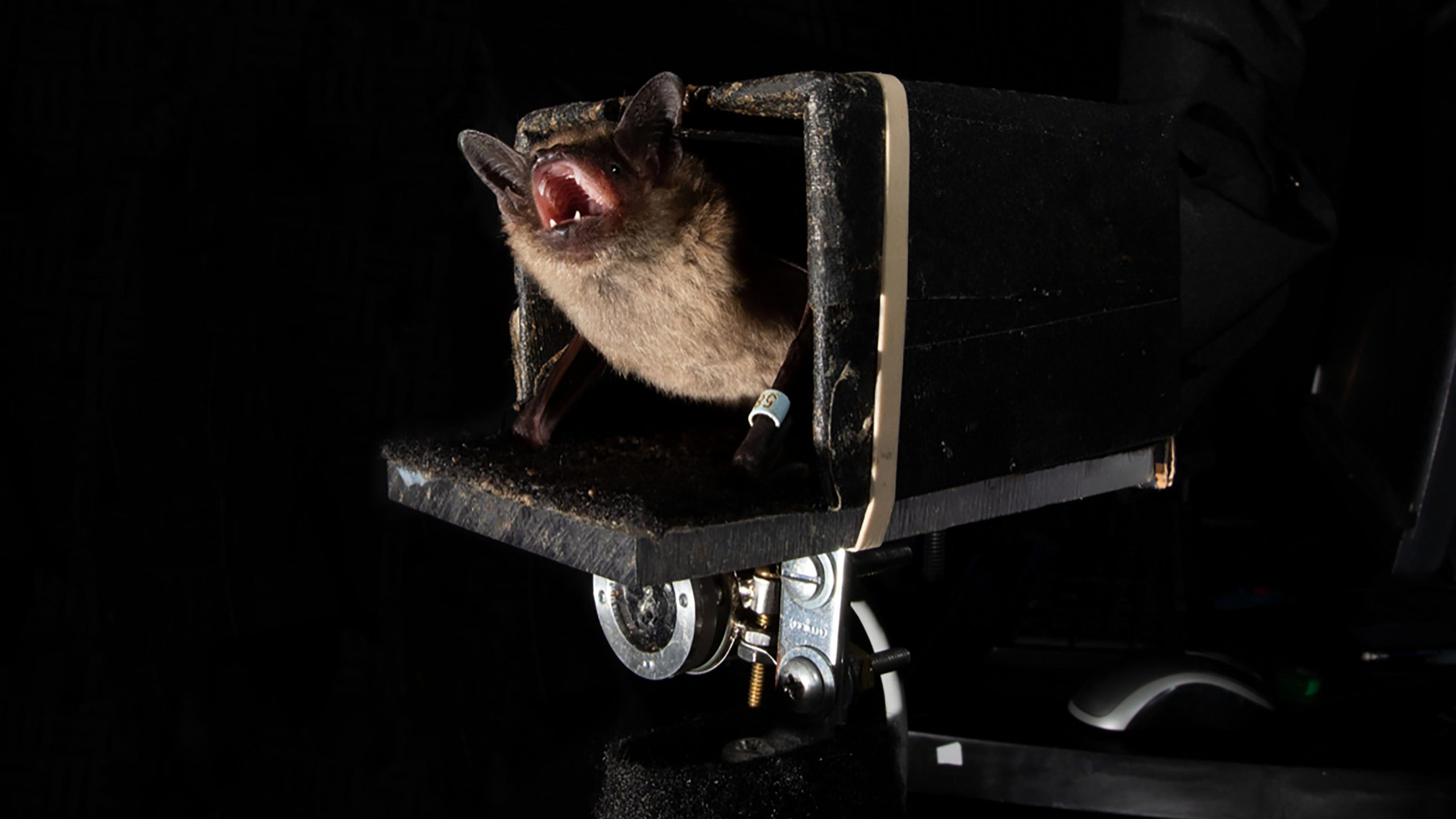
    Bats rely on acoustic information from the echoes of their own vocalizations to hunt airborne insects. By amalgamating representations of prey echoes, bats can determine prey distance, size, shape, and density, as well as identify what they are tracking. Credit: Angeles Salles

    Echolocation Builds Prediction Models of Prey Movement

    Bats are not only using their acoustical abilities to find a meal — they are also using it to predict where their prey would be, increasing their chances of a successful hunt.

    During the 181st Meeting of the Acoustical Society of America, which will be held November 29 to December 3, Angeles Salles, from Johns Hopkins University, will discuss how bats rely on acoustic information from the echoes of their own vocalizations to hunt airborne insects. The session, “Bats use predictive strategies to track moving auditory objects,” will take place Tuesday, November 30, at 1:50 p.m. Eastern U.S.

    In contrast to predators that primarily use vision, bats create discrete echo snapshots, to build a representation of their environment. They produce sounds for echolocation through contracting the larynx or clicking their tongues before analyzing the returning echoes. This acoustic information facilitates bat navigation and foraging, often in total darkness.

    Echo snapshots provide interrupted sensory information about target insect trajectory to build prediction models of prey location. This process enables bats to track and intercept their prey.

    “We think this is an innate capability, such as humans can predict where a ball will land when it is tossed at them,” said Salles. “Once a bat has located a target, it uses the acoustic information to calculate the speed of the prey and anticipate where it will be next.”

    Ultrasonic Calls Enable Precise Tracking

    The calls produced by the bats are usually ultrasonic, so human hearing cannot always recognize such noises. Echolocating bats integrate the acoustic snapshots over time, with larger prey producing stronger echoes, to predict prey movement in uncertain conditions.

    “Prey with erratic flight maneuvers and clutter in the environment does lead to an accumulation of errors in their prediction,” said Salles. “If the target does not appear where the bat expects it to, they will start searching again.”

    By amalgamating representations of prey echoes, bats can determine prey distance, size, shape, and density, as well as identify what they are tracking. Studies have shown bats learn to steer away from prey they deem unappetizing.

    Never miss a breakthrough: Join the SciTechDaily newsletter.
    Follow us on Google and Google News.

    Acoustical Society of America Acoustics Bats
    Share. Facebook Twitter Pinterest LinkedIn Email Reddit

    Related Articles

    Solar-Powered Balloons Detect Mysterious Sounds of Unknown Origins in Earth’s Stratosphere

    Fire Hydrant Hydrophones Find Hidden Leaks in Water Distribution Networks

    Eavesdropping on the Universe: The Secrets of Extraterrestrial Sounds

    Echolocation and Wing Morphology: The Dynamic Duo of Bat Evolution

    52-Million-Year-Old Bat Skeleton Unveils New Species and Clues to Evolution of Flying Mammals

    Tails of Survival: The Luna Moth’s Secret Weapon Against Bats

    Acoustic Tools Reveal Food Paradox Answer – Shows How Ocean Life Survives

    Sing On: Certain Face Masks Prevent COVID-19 Transmission Without Distorting Voice

    Moth Wingtips Structured To Reflect Sound: An “Acoustic Decoy” To Thwart Bat Attack

    Leave A Reply Cancel Reply

    • Facebook
    • Twitter
    • Pinterest
    • YouTube

    Don't Miss a Discovery

    Subscribe for the Latest in Science & Tech!

    Trending News

    The Universe Is Expanding Too Fast and Scientists Can’t Explain Why

    “Like Liquid Metal”: Scientists Create Strange Shape-Shifting Material

    Early Warning Signals of Esophageal Cancer May Be Hiding in Plain Sight

    Common Blood Pressure Drug Shows Surprising Power Against Deadly Antibiotic-Resistant Superbug

    Scientists Uncover Dangerous Connection Between Serotonin and Heart Valve Disease

    Scientists Discover a “Protector” Protein That Could Help Reverse Hair Loss

    Bone-Strengthening Discovery Could Reverse Osteoporosis

    Scientists Uncover Hidden Trigger Behind Stem Cell Aging

    Follow SciTechDaily
    • Facebook
    • Twitter
    • YouTube
    • Pinterest
    • Newsletter
    • RSS
    SciTech News
    • Biology News
    • Chemistry News
    • Earth News
    • Health News
    • Physics News
    • Science News
    • Space News
    • Technology News
    Recent Posts
    • Scientists Crack Alfalfa’s Chromosome Mystery After Decades of Debate
    • Ancient Ant-Plant Alliance Collapses As Predatory Wasps Move In
    • Scientists Discover Tiny New Spider That Hunts Prey 6x Its Size
    • Natural Component From Licorice Shows Promise for Treating Inflammatory Bowel Disease
    • New Research Finds Shocking Link Between Chili Peppers and Cancer
    Copyright © 1998 - 2026 SciTechDaily. All Rights Reserved.
    • Science News
    • About
    • Contact
    • Editorial Board
    • Privacy Policy
    • Terms of Use

    Type above and press Enter to search. Press Esc to cancel.