
Close Menu
    Facebook X (Twitter) Instagram
    SciTechDaily
    • Biology
    • Chemistry
    • Earth
    • Health
    • Physics
    • Science
    • Space
    • Technology
    Facebook X (Twitter) Pinterest YouTube RSS
    SciTechDaily
    Home»Biology»AI Mines Existing Biobanks to Generate Realistic Genomes for Imaginary Humans
    Biology

    AI Mines Existing Biobanks to Generate Realistic Genomes for Imaginary Humans

    By Estonian Research CouncilFebruary 10, 2021No Comments3 Mins Read
    Facebook Twitter Pinterest Telegram LinkedIn WhatsApp Email Reddit
    Share
    Facebook Twitter LinkedIn Pinterest Telegram Email Reddit
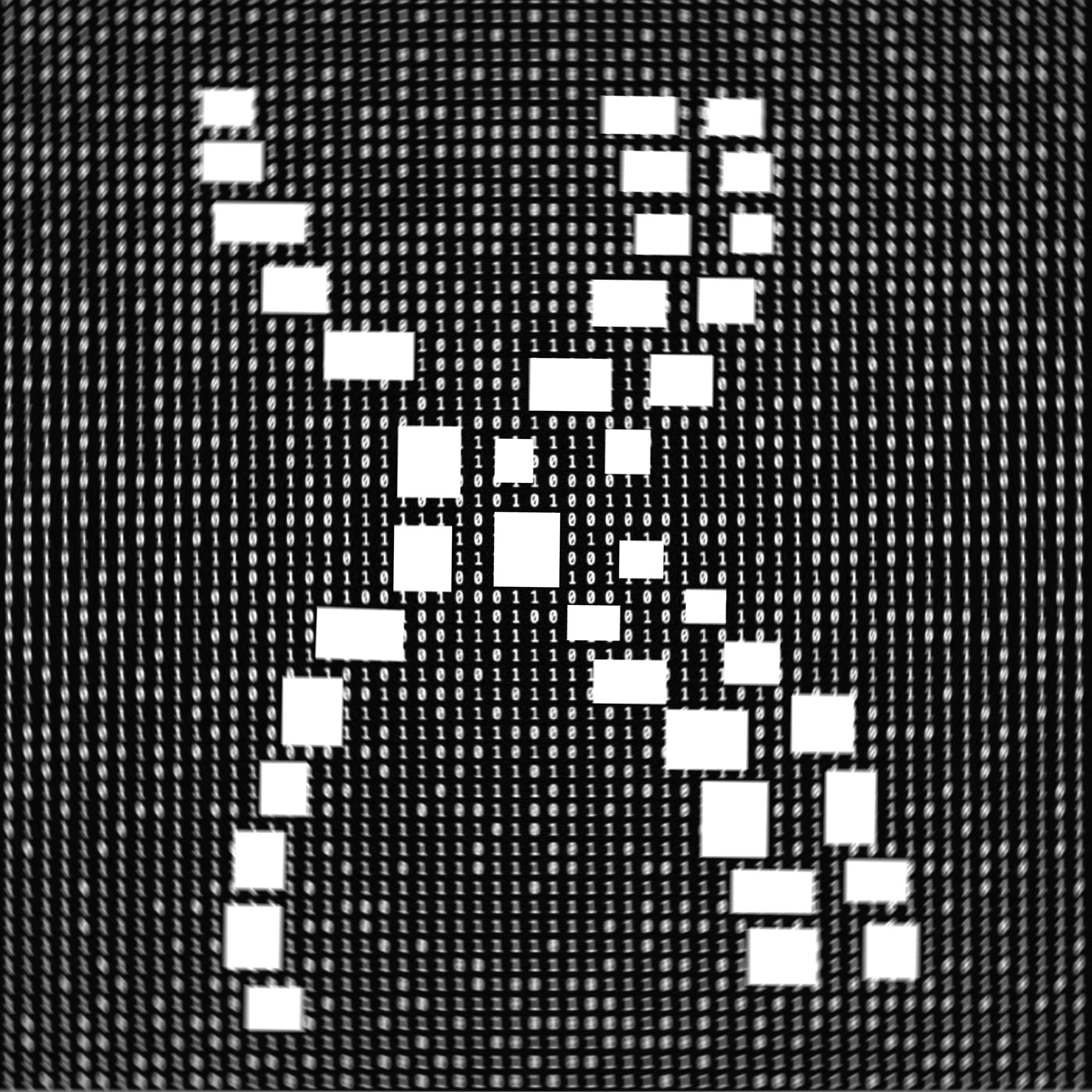
    Chromosome Emerges From Random Digital Noise
    A chromosome emerges from random digital noise. Credit: Burak Yelmen

    Scientists have developed machine-generated human genomes that replicate the complexity of real ones without compromising individual privacy. 

    Machines, thanks to novel algorithms and advances in computer technology, can now learn complex models and even generate high-quality synthetic data such as photo-realistic images or even resumes of imaginary humans. A study recently published in the international journal PLOS Genetics uses machine learning to mine existing biobanks and generate chunks of human genomes that do not belong to real humans but have the characteristics of real genomes.

    Ethical Access to Genomic Data

    “Existing genomic databases are an invaluable resource for biomedical research, but they are either not publicly accessible or shielded behind long and exhausting application procedures due to valid ethical concerns. This creates a major scientific barrier for researchers. Machine-generated genomes, or artificial genomes as we call them, can help us overcome the issue within a safe ethical framework,” said Burak Yelmen, first author of the study and Junior Research Fellow of Modern Population Genetics at the University of Tartu.
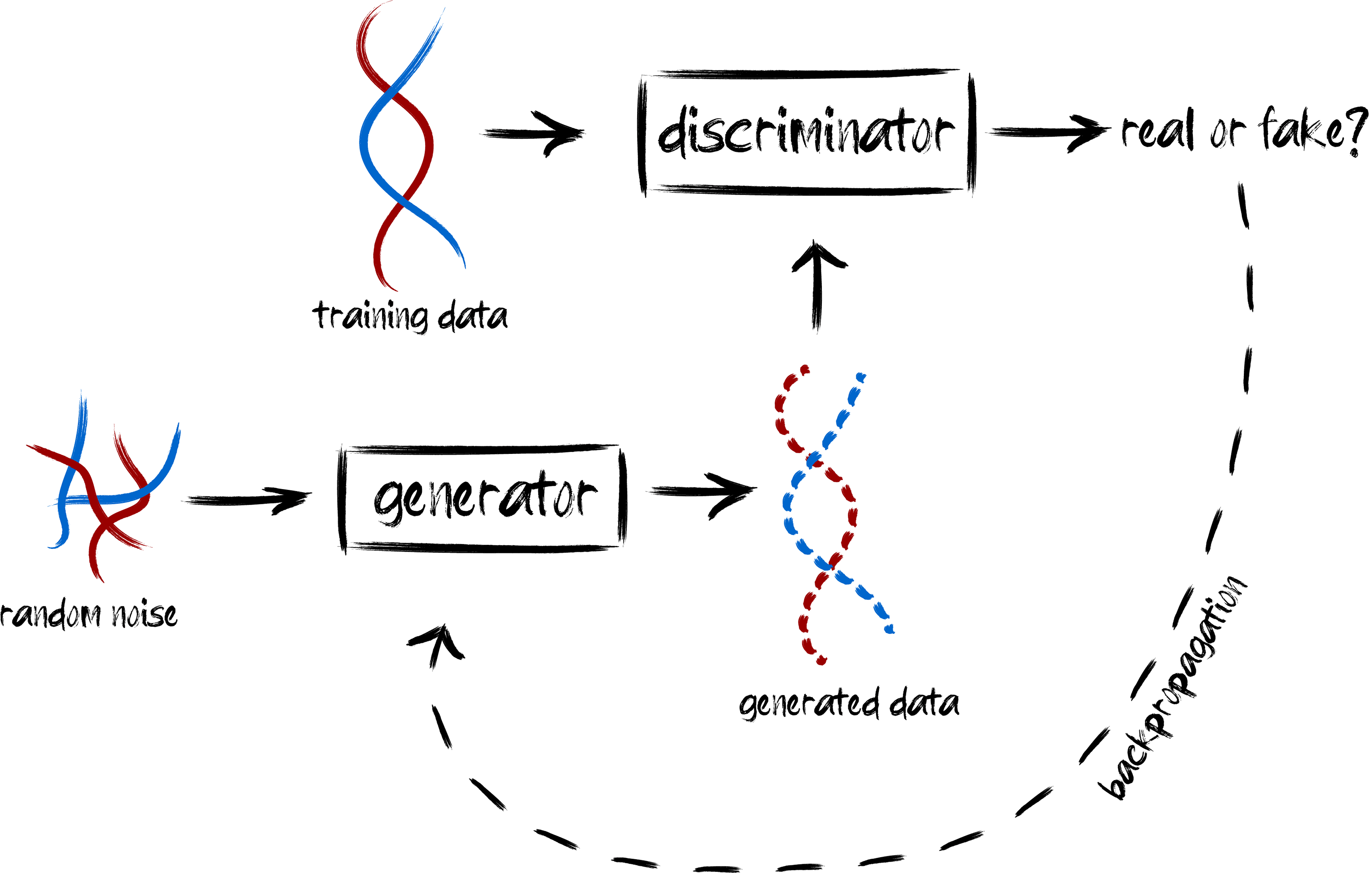
    Generator Machine Shapes Random Noise
    A generator machine shapes random noise while a discriminator machine tests the generated data against a database of available real data. Once the process is complete, the algorithm will generate artificial data that looks like the real one, but is actually completely new. Credit: Yelmen et al. 2021

    The pluridisciplinary team performed multiple analyses to assess the quality of the generated genomes compared to real ones. “Surprisingly, these genomes emerging from random noise mimic the complexities that we can observe within real human populations and, for most properties, they are not distinguishable from other genomes from the biobank we used to train our algorithm, except for one detail: they do not belong to any gene donor,” said Dr Luca Pagani, one of the senior authors of the study and a Mobilitas Pluss fellow.

    Ensuring Privacy and Avoiding Data Leaks

    The study additionally involves the assessment of the proximity of artificial genomes to real genomes to test whether the privacy of the original samples is preserved. “Although detecting privacy leaks among thousands of genomes could appear as looking for a needle in a haystack, combining multiple statistical measures allowed us to check all models carefully. Excitingly, the detailed exploration of complex leakage patterns can lead to improvements in generative model evaluation and design, and will fuel back the machine learning field,” said Dr Flora Jay, the coordinator of the study and CNRS researcher in the Interdisciplinary computer science laboratory (LRI/LISN, Université Paris-Saclay, French National Centre for Scientific Research).

    All in all, machine learning approaches had provided faces, biographies and multiple other features to a handful of imaginary humans: now we know more about their biology. These imaginary humans with realistic genomes could serve as proxies for all the real genomes which are not publicly available or require long application procedures or collaborations, hence removing an important accessibility barrier in genomic research, in particular for underrepresented populations.

    Reference: “Creating artificial human genomes using generative neural networks” by Burak Yelmen, Aurélien Decelle, Linda Ongaro, Davide Marnetto, Corentin Tallec, Francesco Montinaro, Cyril Furtlehner, Luca Pagani and Flora Jay, 4 February 2021, PLOS Genetics.
    DOI: 10.1371/journal.pgen.1009303

    Never miss a breakthrough: Join the SciTechDaily newsletter.
    Follow us on Google and Google News.

    Bioinformatics Estonian Research Council Genetics
    Share. Facebook Twitter Pinterest LinkedIn Email Reddit

    Related Articles

    Where the Wild Things Are: Scientists Map and Forecast Apex Predator Populations at Unprecedented Scale

    Timeline Unveiled for One of the Most Important and Puzzling Events in the Evolution of Life

    Evolution Discovery: No Social Distancing at the Beginning of Life

    Viral Factor Identified That Impairs Immune Responses in COVID-19 Patients

    The Scimitar-Toothed Cat: DNA Reveals Insights About a Deadly Long-Distance Hunter

    Leonardo da Vinci’s Biological Enigma: New Clues to a 500-Year Old Mystery About the Human Heart

    An Ancient Reptile in Peril: The Curious Genome of the Tuatara, a Vulnerable Species That Is NOT a Lizard

    Fighting Fish Synchronize Their Combat Moves and Gene Expression Leading to Tightly Meshed Battles

    Intriguing Genetics That Flipped the Food Chain to Allow Carnivorous Plants to Hunt Animals

    Leave A Reply Cancel Reply

    • Facebook
    • Twitter
    • Pinterest
    • YouTube

    Don't Miss a Discovery

    Subscribe for the Latest in Science & Tech!

    Trending News

    The Universe Is Expanding Too Fast and Scientists Can’t Explain Why

    “Like Liquid Metal”: Scientists Create Strange Shape-Shifting Material

    Early Warning Signals of Esophageal Cancer May Be Hiding in Plain Sight

    Common Blood Pressure Drug Shows Surprising Power Against Deadly Antibiotic-Resistant Superbug

    Scientists Uncover Dangerous Connection Between Serotonin and Heart Valve Disease

    Scientists Discover a “Protector” Protein That Could Help Reverse Hair Loss

    Bone-Strengthening Discovery Could Reverse Osteoporosis

    Scientists Uncover Hidden Trigger Behind Stem Cell Aging

    Follow SciTechDaily
    • Facebook
    • Twitter
    • YouTube
    • Pinterest
    • Newsletter
    • RSS
    SciTech News
    • Biology News
    • Chemistry News
    • Earth News
    • Health News
    • Physics News
    • Science News
    • Space News
    • Technology News
    Recent Posts
    • Scientists Overcome Major Quantum Bottleneck, Potentially Transforming Teleportation and Computing
    • Quantum Physics’ Strangest Problem May Hold the Key to Time Itself
    • Scientists Create “Liquid Gears” That Spin Without Touching
    • The Simple Habit That Could Help Prevent Cancer
    • Forgotten Medicinal Plant Shows Promise in Fighting Dangerous Superbugs
    Copyright © 1998 - 2026 SciTechDaily. All Rights Reserved.
    • Science News
    • About
    • Contact
    • Editorial Board
    • Privacy Policy
    • Terms of Use

    Type above and press Enter to search. Press Esc to cancel.