
Close Menu
    Facebook X (Twitter) Instagram
    SciTechDaily
    • Biology
    • Chemistry
    • Earth
    • Health
    • Physics
    • Science
    • Space
    • Technology
    Facebook X (Twitter) Pinterest YouTube RSS
    SciTechDaily
    Home»Biology»AI Reveals Explosive Growth of Floating Algae Across the World’s Oceans
    Biology

    AI Reveals Explosive Growth of Floating Algae Across the World’s Oceans

    By Dyllan Furness, University of South FloridaApril 19, 20262 Comments4 Mins Read
    Facebook Twitter Pinterest Telegram LinkedIn WhatsApp Email Reddit
    Share
    Facebook Twitter LinkedIn Pinterest Telegram Email Reddit
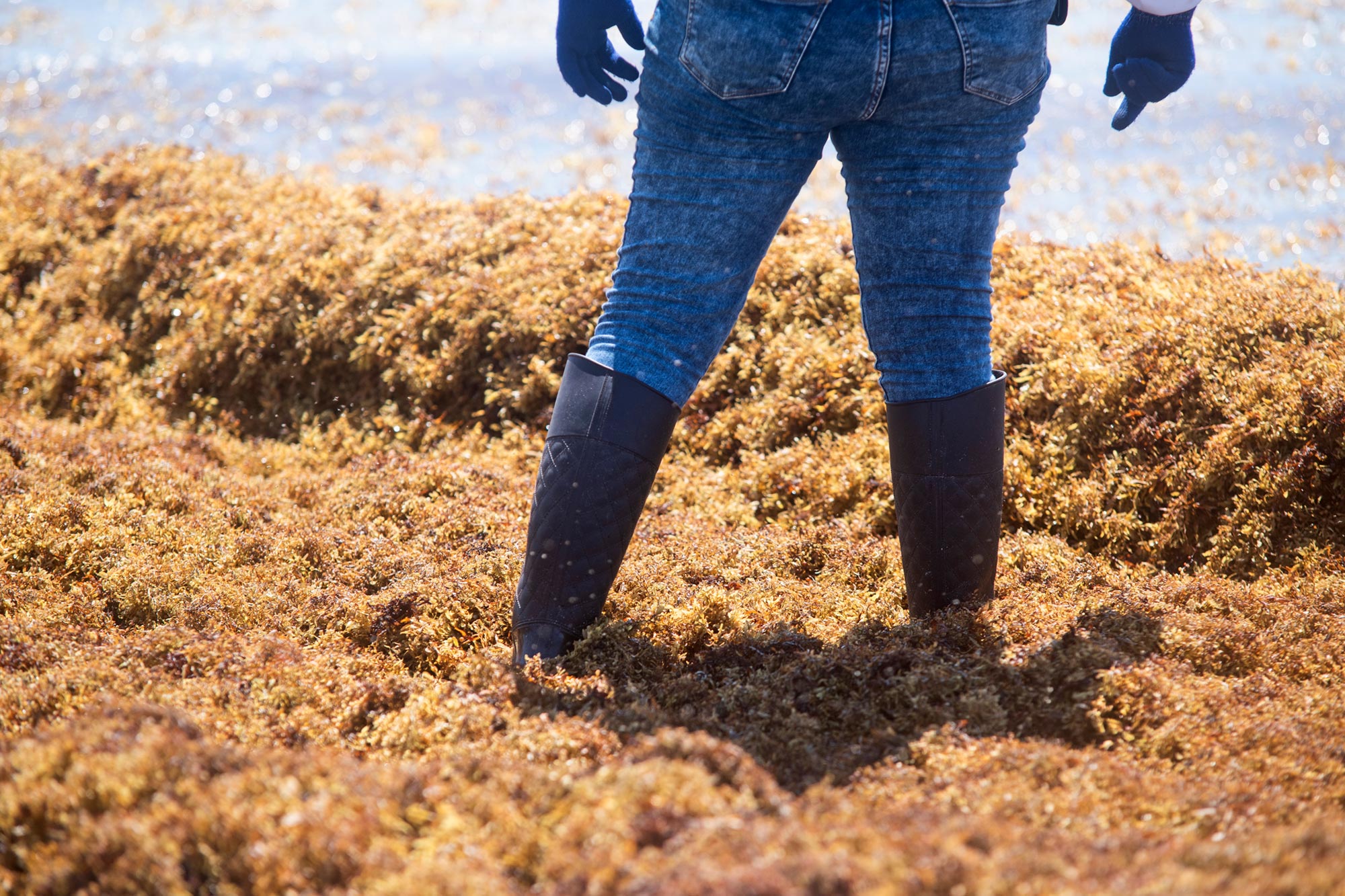
    Woman Standing Sargassum Sea Grass Algae
    A new AI-driven analysis reveals that floating algae are rapidly spreading worldwide, marking a potential transformation in ocean biology. Credit: Shutterstock

    Machine learning reveals that ocean conditions are increasingly becoming more favorable for macroalgae growth.

    For the first time, researchers using artificial intelligence have carried out a global analysis of floating algae and found that blooms are increasing across the world’s oceans.

    The study links this expansion to changes in ocean temperature, currents, and nutrient levels, and suggests the trend could have wide-ranging effects on marine ecosystems, tourism, and coastal economies.

    The work was led by scientists from the University of South Florida and the National Oceanic and Atmospheric Administration and highlights how artificial intelligence can process vast ocean datasets.
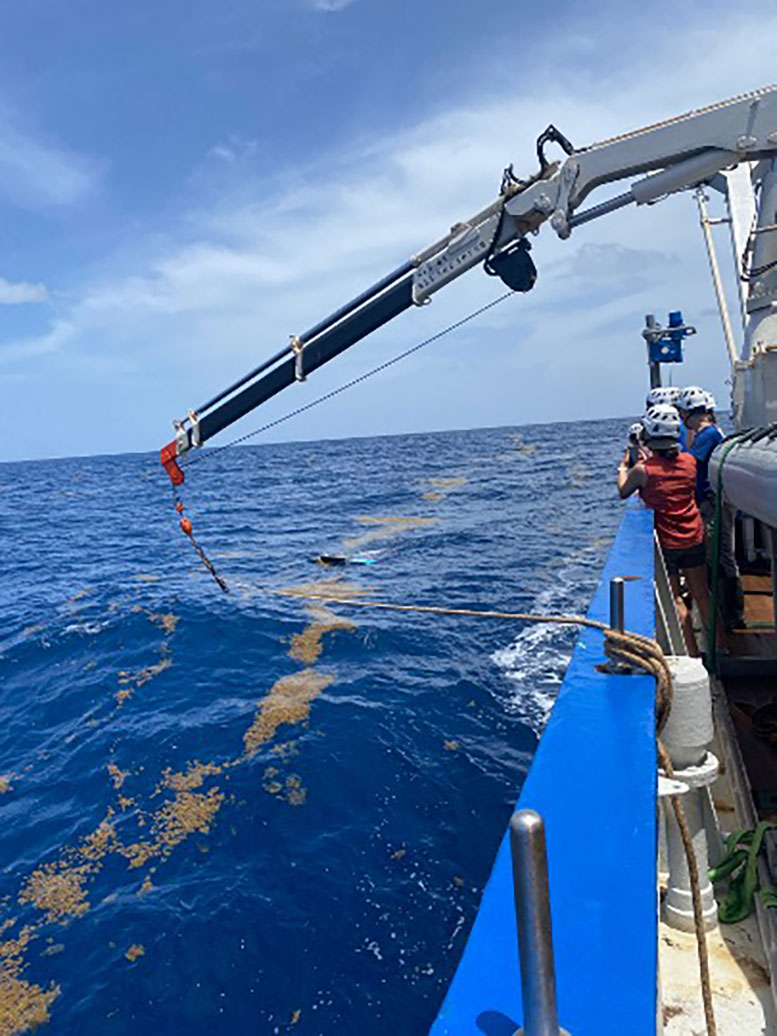
    Sargassum Observed During a Sampling Cruise
    Sargassum observed during a sampling cruise. Credit: Sully Sullivan

    Global shift toward algae growth

    “While regional studies have been published, our paper gives the first global picture of floating algae, including macroalgal mats and microalgal scum,” said Chuanmin Hu, professor of oceanography at the USF College of Marine Science and senior author of the paper published in Nature Communications.

    “Our results show that the global ocean now favors the growth of floating macroalgae.”
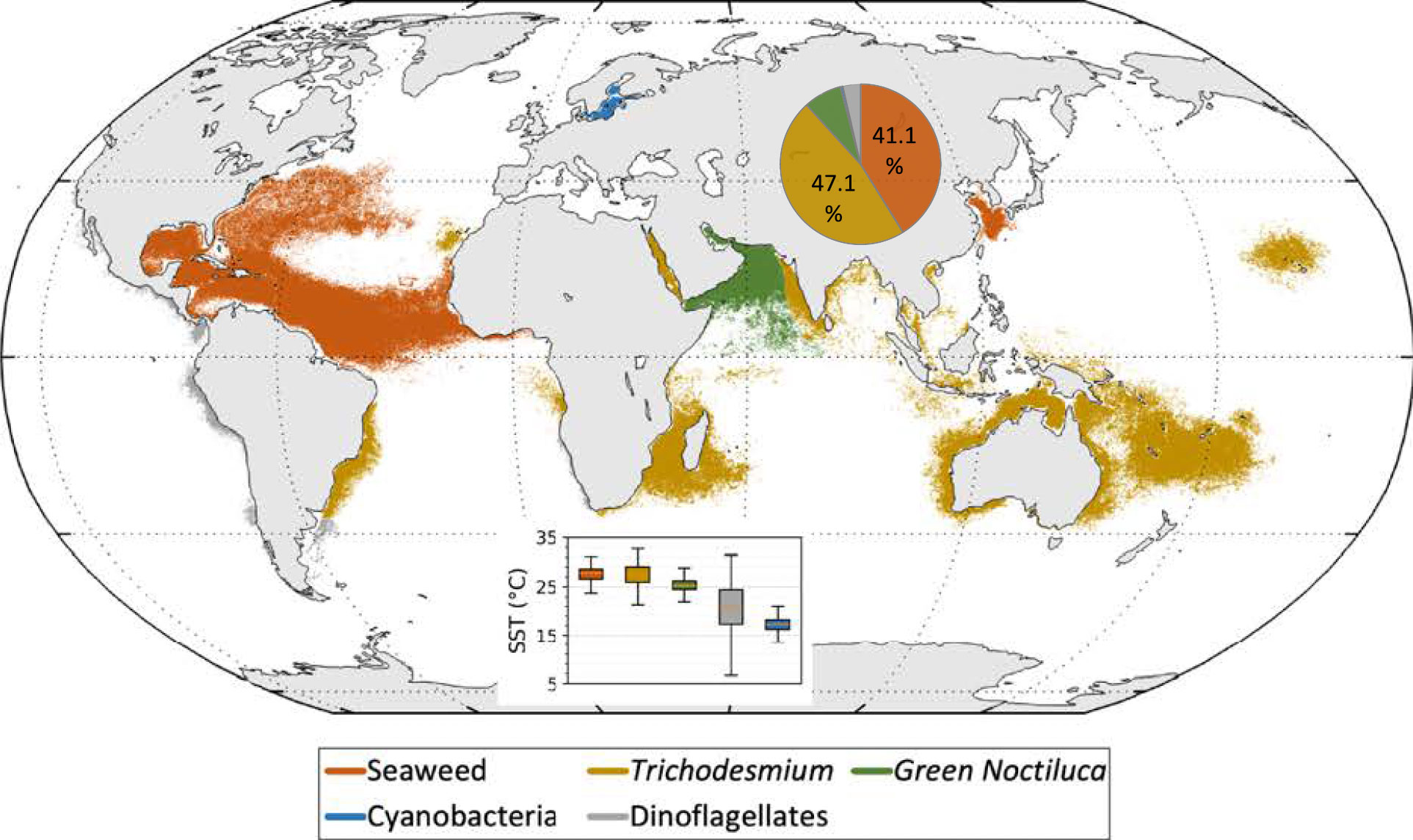
    Global Map of Floating Algae Types
    Floating algae types Credit: Qi et al

    Hu describes macroalgae, such as seaweed, as having both benefits and risks. In open ocean environments, they provide important habitat for marine species and support fisheries by acting as nursery areas.

    However, when these algae drift into coastal regions, the decaying material can damage tourism, local economies, and the health of both people and marine life.

    From 2003 to 2022, researchers observed growth in both microalgal surface films and larger macroalgal mats worldwide.
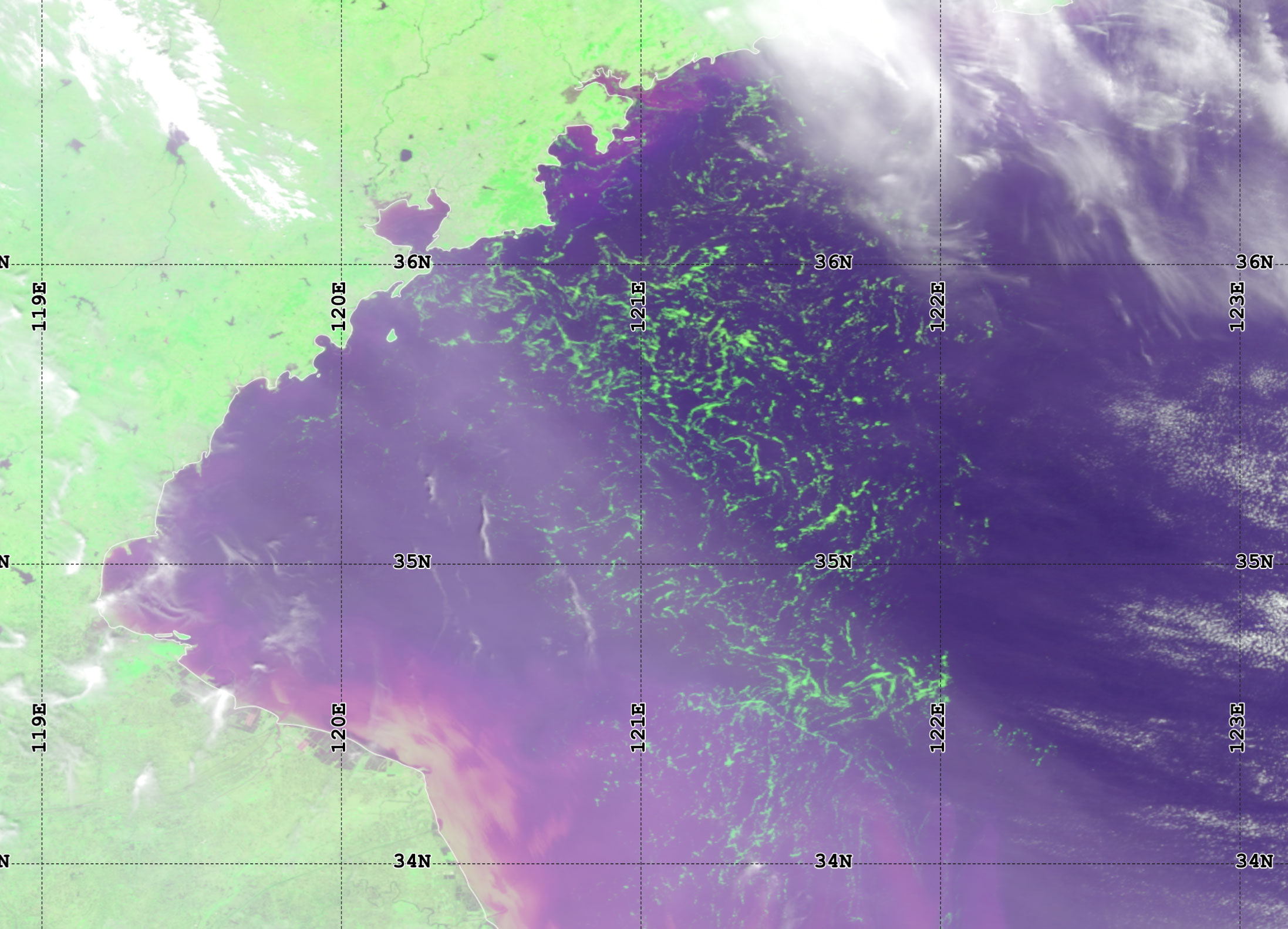
    Satellite Image of Ulva Macroalgae in the Yellow Sea
    Satellite image of Ulva macroalgae in the Yellow Sea. Credit: NOAA Star

    Microalgae increased at a steady rate of about one percent per year. In contrast, macroalgae blooms expanded much more rapidly, rising by 13.4 percent annually in the tropical Atlantic and western Pacific, with the sharpest increases occurring after 2008.

    The total area covered by microalgal blooms reached 43.8 million square kilometers (16.9 million square miles), marking a departure from historical patterns.

    Key turning points in macroalgae expansion appeared around 2010. A major bloom of the green seaweed Ulva occurred in the Yellow Sea in 2008, followed by a large bloom of brown sargassum in the tropical Atlantic in 2011. Another sargassum event was recorded in the East China Sea in 2012.
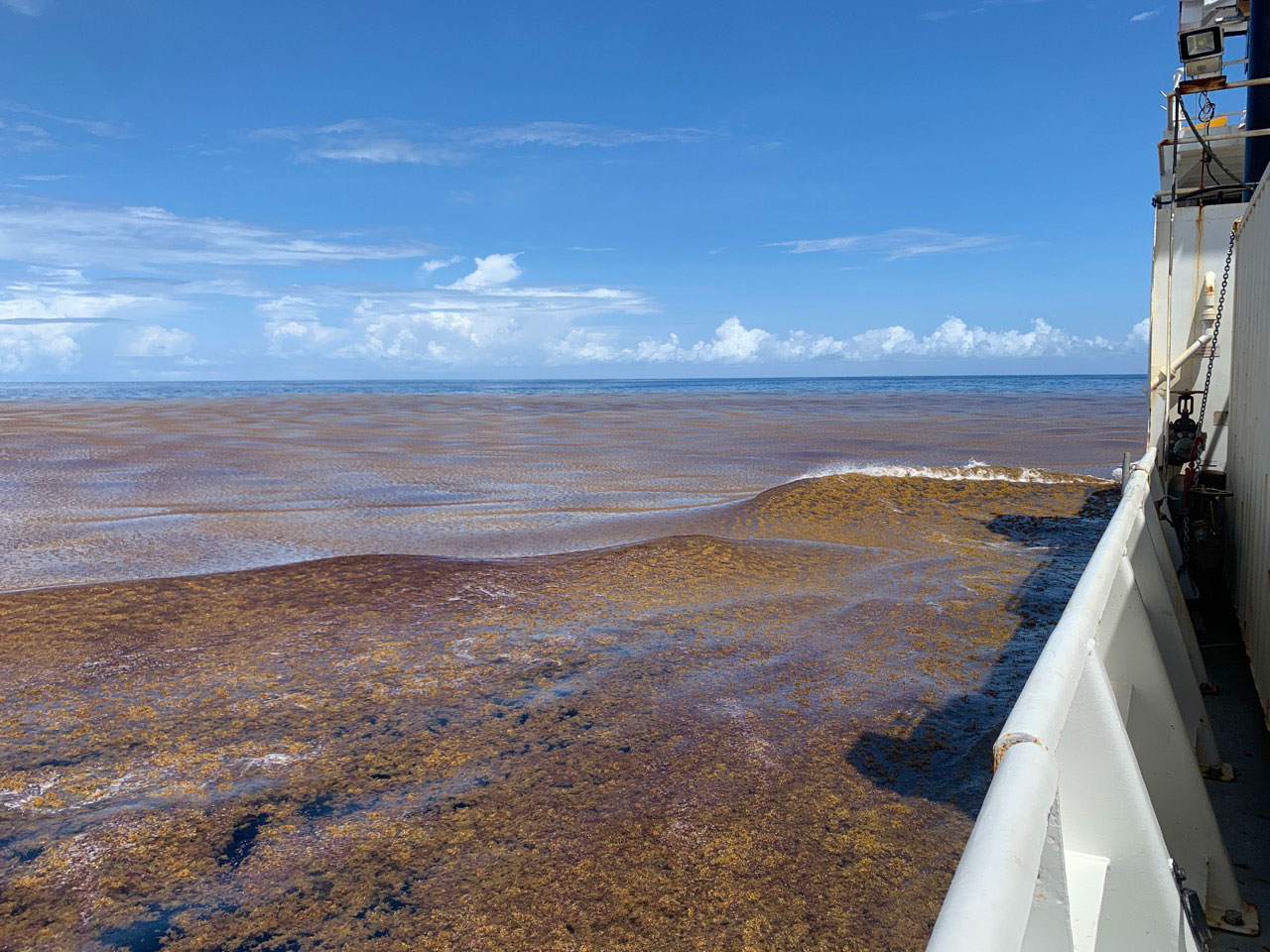
    Large Sargassum Seaweed Field in Ocean
    Large Sargassum field. Credit: Ellen Park — Woods Hole Oceanographic Institution

    “Before 2008, there were no major blooms of macroalgae reported except for sargassum in the Sargasso Sea,” Hu said. “On a global scale, we appear to be witnessing a regime shift from a macroalgae-poor ocean to an macroalgae-rich ocean.”

    AI enables global ocean analysis

    To complete the study, Hu and colleagues applied artificial intelligence to analyze 1.2 million satellite images, covering 13 ocean regions and five types of algae. A deep learning model was trained to detect subtle visual signals of algae on the ocean surface. These signals often span multiple pixels but usually account for less than one percent of each individual pixel.
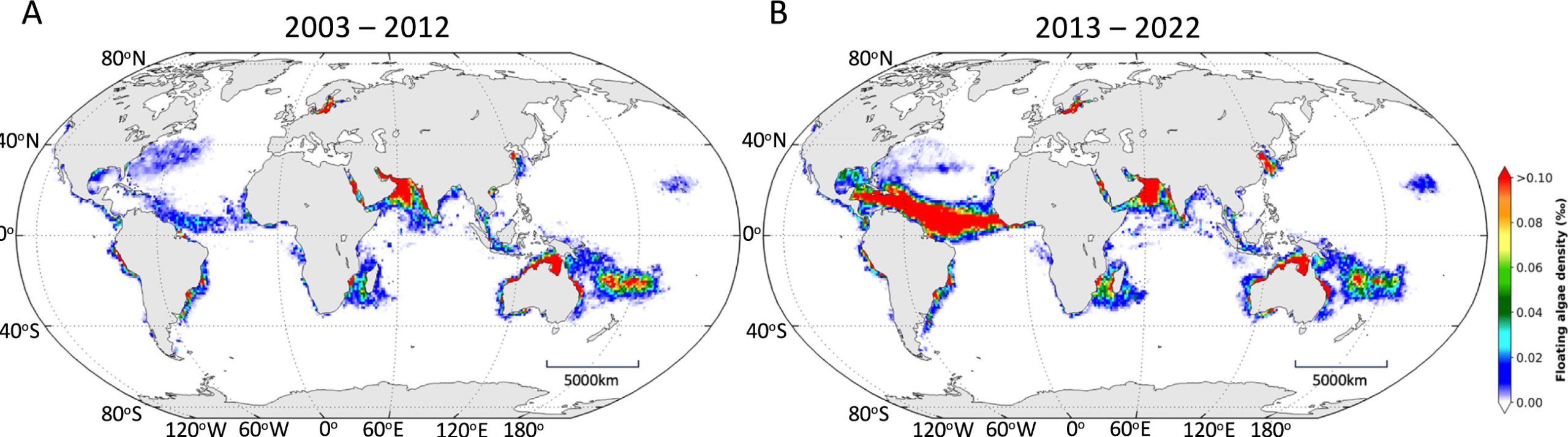
    Global Floating Algae Density Change Maps
    These figures show the change in density of global floating algae in the 20 years between 2003 and 2022. Credit: Qi et al

    Lin Qi, an oceanographer at the NOAA Center for Satellite Applications and Research and first author of the study, refined an existing model developed by the team to process two decades of global ocean imagery. Training the model required several months and the analysis of millions of image features.

    The researchers also highlighted the role of USF’s Research Computing facility, which provided high-performance systems capable of processing multiple image sets simultaneously. Even with this infrastructure, analyzing the full dataset of 1.2 million images required several months.

    “This work is impossible without the high-performance computing facility or the long-term collaborations between NOAA and USF,” Qi said.
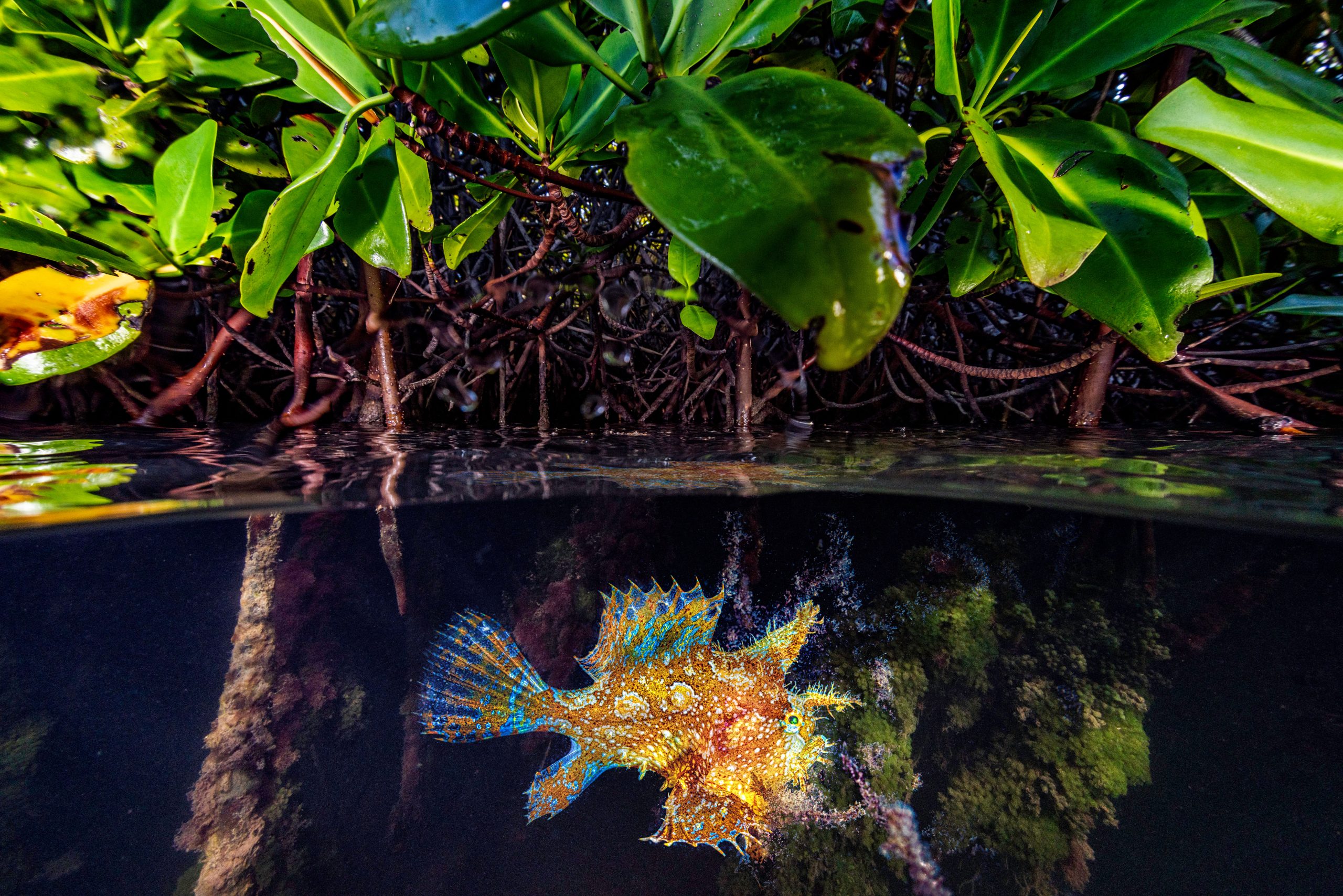
    Sargassum Fish
    Macroalgal mats can serve as valuable habitat for many marine species, such as this sargassum fish. Credit: Ocean Image Bank — Lorenzo Mittiga

    Climate and human activity drive change

    The study concludes that both human activity, such as nutrient runoff into the ocean, and climate-related changes, including ocean warming, are contributing to the expansion of algae blooms. The authors note that the specific drivers may vary by region.

    Looking ahead, Qi said, “We are going to explore more satellite data and look for a better understanding of the expansions.”

    Reference: “Global floating algae blooms are expanding” by Lin Qi, Menghua Wang, Brian B. Barnes, Douglas G. Capone, Joaquim I. Goes, Edward J. Carpenter, Yuyuan Xie and Chuanmin Hu, 7 December 2025, Nature Communications.
    DOI: 10.1038/s41467-025-66822-5

    Never miss a breakthrough: Join the SciTechDaily newsletter.
    Follow us on Google and Google News.

    Algae Artificial Intelligence Climate Change Machine Learning Marine Biology Oceanography University of South Florida
    Share. Facebook Twitter Pinterest LinkedIn Email Reddit

    Related Articles

    Abundance of Life on Coral Reefs Has Been Puzzling Since Charles Darwin’s Day – New Research Provides Answers

    As Oceans Warm, Large Fish Struggle to Extract the Oxygen They Need From Their Environment

    Huge International Effort: Forty Years of Coral Spawning Captured in One Place for the First Time

    Scientists Have Long Believed That Ocean Viruses Always Quickly Kill Algae – They Were Wrong

    Surprises Surfacing in the Atlantic: Species Far From Home Detected by DNA Traces in Seawater

    Harmful Algal Blooms in Arabian Sea Fueled by Shrinking Snowcaps

    First Scientific Evidence of a Potentially Invasive Species to Reach Antarctica – Here’s How It Got There

    Ocean Acidification From Climate Change Is Damaging Shark Scales

    Bad News for Nemo: Species Can’t Adapt to Rapid Environmental Changes

    2 Comments

    1. Eric M. Jones on April 20, 2026 1:15 pm

      So floating algae blooms will cool the oceans and help fish reproduce. Seems like a good thing.

      Reply
    2. Kevin Statler on April 21, 2026 6:26 am

      Perhaps this is earth’s way of keeping balance. With more CO2 in the air, more growth of algae will consume the excess CO2 and restore balance.

      Reply
    Leave A Reply Cancel Reply

    • Facebook
    • Twitter
    • Pinterest
    • YouTube

    Don't Miss a Discovery

    Subscribe for the Latest in Science & Tech!

    Trending News

    Scientists Uncover Potential Brain Risks of Popular Fish Oil Supplements

    Scientists Discover a Surprising Way To Make Bread Healthier and More Nutritious

    After 60 Years, Scientists Uncover Unexpected Brain Effects of Popular Diabetes Drug Metformin

    New Research Uncovers Hidden Side Effects of Popular Weight-Loss Drugs

    Scientists Rethink Extreme Warming After Surprising Ocean Discovery

    Landmark Study Links Never Marrying to Significantly Higher Cancer Risk

    Researchers Discover Unknown Beetle Species Just Steps From Their Lab

    Largest-Ever Study Finds Medicinal Cannabis Ineffective for Anxiety, Depression, PTSD

    Follow SciTechDaily
    • Facebook
    • Twitter
    • YouTube
    • Pinterest
    • Newsletter
    • RSS
    SciTech News
    • Biology News
    • Chemistry News
    • Earth News
    • Health News
    • Physics News
    • Science News
    • Space News
    • Technology News
    Recent Posts
    • Common Blood Pressure Drug Shows Surprising Power Against Deadly Antibiotic-Resistant Superbug
    • Students Build Dark Matter Detector and Set New Experimental Limits
    • Scientists Discover Caffeine Can Repair Key Memory Circuits After Sleep Loss
    • Strange 65-Foot Dinosaur Discovered in Argentina
    • Researchers Uncover Source of Strange Deformation in Earth’s Largest Continental Rift
    Copyright © 1998 - 2026 SciTechDaily. All Rights Reserved.
    • Science News
    • About
    • Contact
    • Editorial Board
    • Privacy Policy
    • Terms of Use

    Type above and press Enter to search. Press Esc to cancel.