
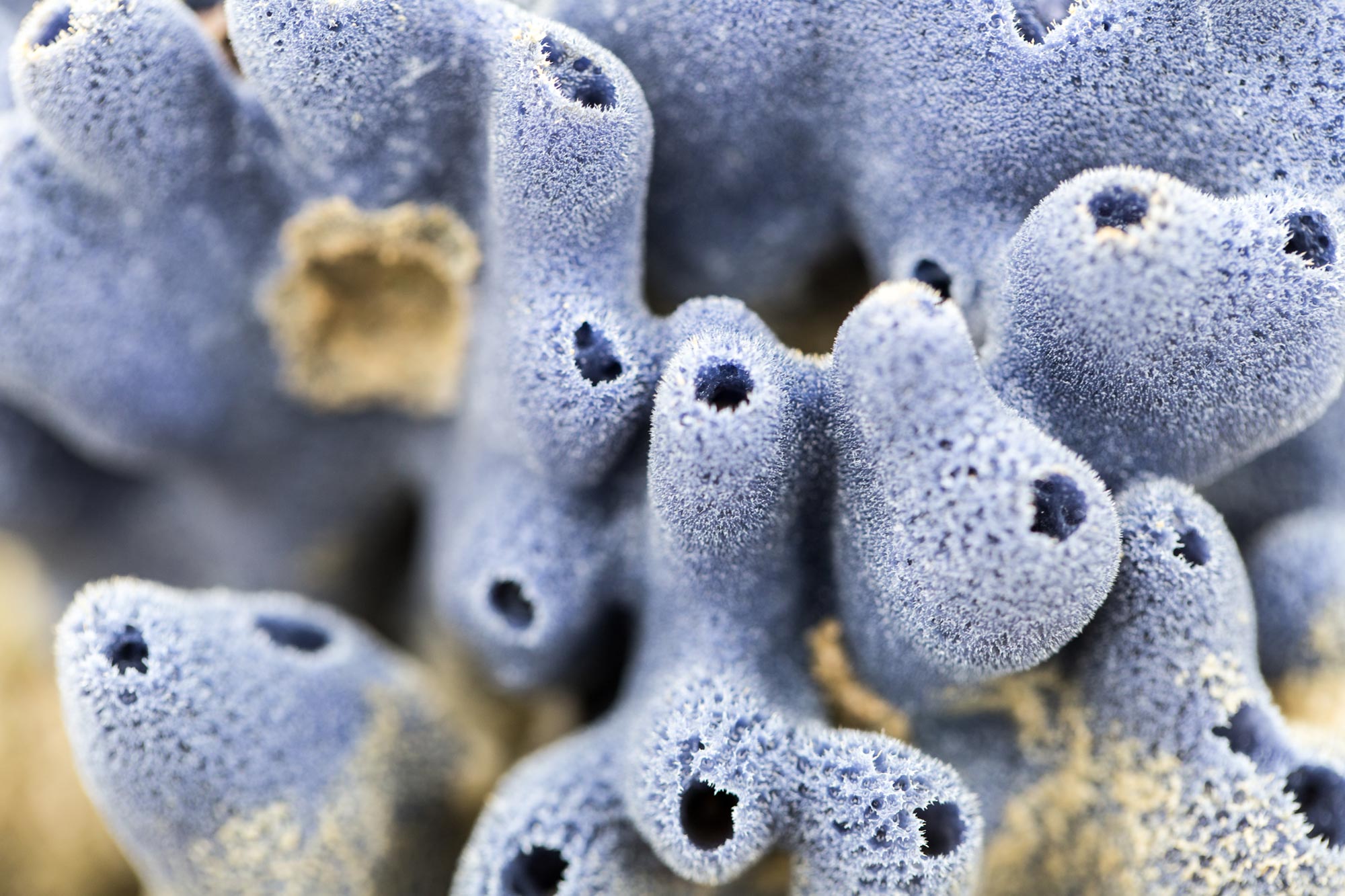
A newly identified sponge order, Vilesida, produces sterols linked to the oldest-known animal biomarkers, supporting the idea that animals evolved earlier than previously believed.
Researchers at the Museum of Evolution at Uppsala University have identified a previously unknown order of marine sponges named Vilesida. These sponges produce chemical compounds that could potentially be useful in future drug development. The same substances also support the hypothesis that sponges, and therefore animals, first appeared about 100 million years earlier than previously estimated.
Sponges are among the most difficult animals to classify within the tree of life. As a result, many sponge species still lack formal scientific names, which is unusual compared with most other animal groups. Discovering new marine invertebrate species happens regularly, but identifying entirely new genera or families is far less common. Finding an entirely new order is especially rare. In fact, only twelve new animal orders have been described worldwide over the past five years.
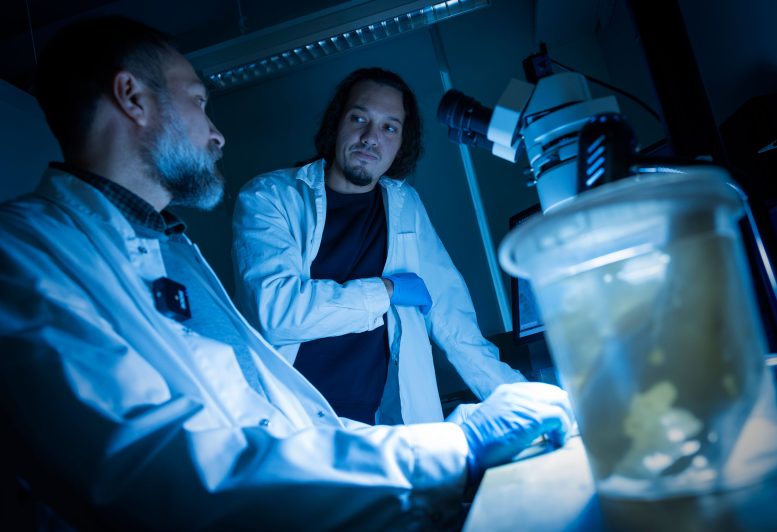
The discovery of Vilesida was reported in a study led by the Museum of Evolution at Uppsala University and published in the Zoological Journal of the Linnean Society. The research team concluded that the sponges represent a distinct and previously unknown order.
Evolutionary Significance and Ancient Origins
“The discovery of this new order of sponges represents a significant advance in our understanding of sponge classification, evolution, and marine biodiversity—and of the early history of life on Earth. Although the external shape of the Vilesida is barely distinguishable from closely related orders, molecular analyses show that they separated way back in the Mesozoic geological era—more than 150 million years ago,” says Julio Díaz, the study’s lead author.

Species belonging to Vilesida are distributed across many parts of the world, including the Caribbean, the Pacific Ocean, the Mediterranean, and the Atlantic. Some of these sponges play important ecological roles and live in a wide range of environments, from shallow tropical coral reefs to deep ocean habitats. The study also introduces a new family (Vilesidae), a new genus (Murus), and two newly identified species from the northeast Atlantic.
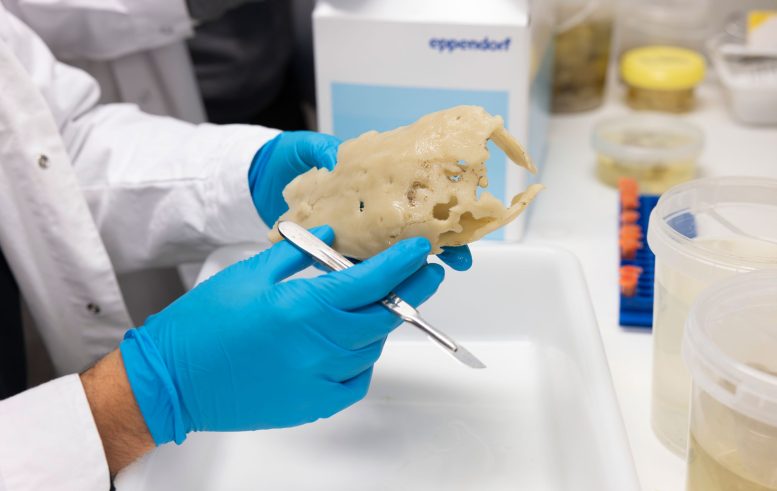
Several deep-sea sponge specimens collected off the coast of Spain (Atlantic and Mediterranean) were central to the discovery. These samples were obtained using trawls, dredges, and remotely operated vehicles (ROVs). Scientists then used genetic and chemical analyses to confirm that these specimens belong to a previously unrecognized sponge group.
Unique Sterols and the Sponge Biomarker Hypothesis
The research team also found that Vilesida species produce an unusual type of sterols that serve as major components of their cells. Sterols play a key role in cell membranes by influencing their fluidity. Instead of relying on cholesterol, which is common in humans and many other animals, these sponges primarily produce 24-isopropylcholesterols (24-ipc sterols). Until now, large amounts of these sterols have only been found in this particular group of sponges.

“This discovery is particularly important because these unique sterols exactly match the fossilized steroids believed to be the oldest-known animal biomarkers, found in large quantities in Ediacaran rocks older than 600 million years. Our findings thus provide further support for the sponge biomarker hypothesis, which proposes that sponges—and therefore animals—emerged around 100 million years earlier than previously thought,” says Paco Cárdenas, who led the study.
Additional support for this idea comes from a recent paper published in PNAS. In that study, three of the authors involved in the current research strongly suggested that unusual sterols preserved in ancient rocks most likely originated from early sponges.
Implications for Early Animal Evolution and Drug Discovery
The discovery of Vilesida is significant not only because it suggests that sponges appeared earlier in evolutionary history than previously believed, but also because of the unique sterols these organisms produce.
“Previous studies by other research teams show that sterols are of great interest as a basis for the development of new antimicrobial, anticarcinogenic, and antiviral drugs. Now that the sponges have been named and we know where they are, our discovery can help chemists and pharmacists find these valuable substances more easily,” says Paco Cárdenas.
Reference: “Vilesida, a new order of demosponges revealed by molecular phylogeny and abundant 24-isopropylcholesterols (24-ipc sterols)” by Julio A Díaz, Ana De la Torriente, J Alex Zumberge, Pilar Ríos, Alberto Serrano, Javier Cristobo, Sergi Taboada, Carlota Gracia-Sancha, Ana Riesgo, Gordon D Love, Enric Massutí and Paco Cárdenas, 21 November 2025, Zoological Journal of the Linnean Society.
DOI: 10.1093/zoolinnean/zlaf163
This study was funded by Biodiversa+, Svenska Forskningsrådet Formas, Fundación Biodiversidad, NASA, and the Exobiology grant.
Never miss a breakthrough: Join the SciTechDaily newsletter.
Follow us on Google and Google News.