
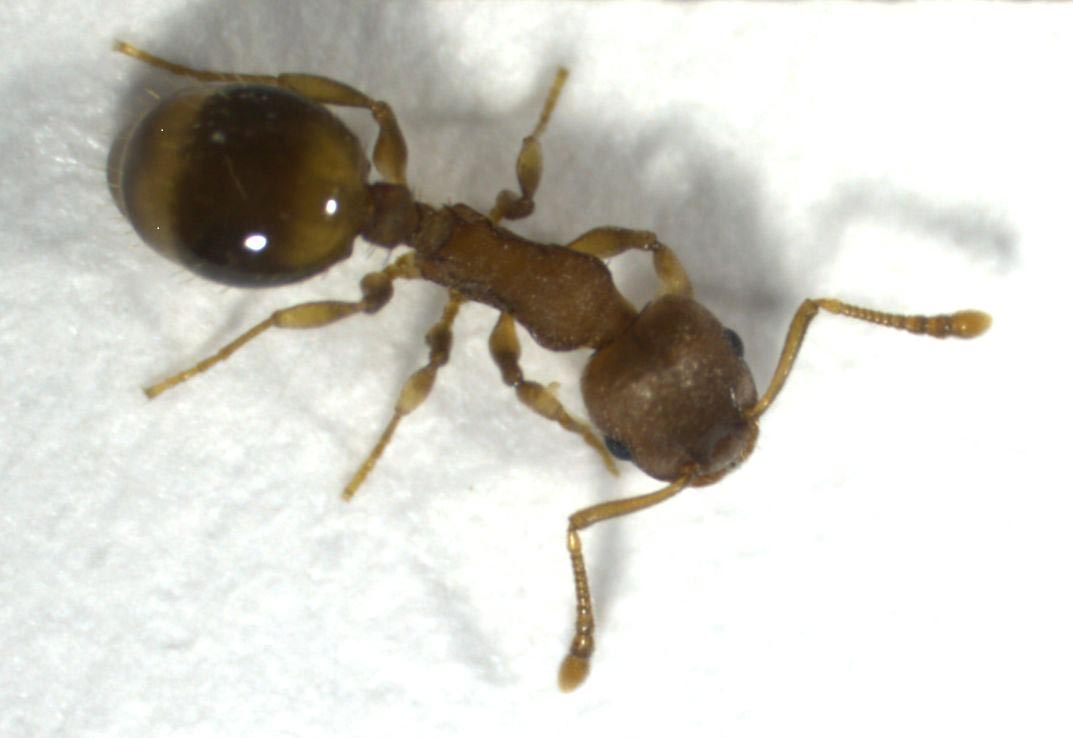
Social isolation results in changes of behavior and activity of immune and stress genes.
Ants react to social isolation in a similar way as do humans and other social mammals. A study by an Israeli-German research team has revealed alterations to the social and hygienic behavior of ants that had been isolated from their group. The research team was particularly surprised by the fact that immune and stress genes were downregulated in the brains of the isolated ants.
“This makes the immune system less efficient, a phenomenon that is also apparent in socially isolating humans – notably at present during the COVID-19 crisis,” said Professor Susanne Foitzik, who headed up the study at Johannes Gutenberg University Mainz (JGU). The study on a species of ant native to Germany has recently been published in Molecular Ecology.
Effects of Isolation in Social Insects Little Studied So Far
Humans and other social mammals experience isolation from their group as stressful, having a negative impact on their general well-being and physical health. “Isolated people become lonely, depressed, and anxious, develop addictions more easily, and suffer from a weakened immune system and impaired overall health,” added Professor Inon Scharf, lead author of the article and cooperation partner of the Mainz research group at Tel Aviv University in Israel.
While the effects of isolation have been extensively studied in social mammals such as humans and mice, less is known about how social insects respond in comparable situations – even though they live in highly evolved social systems. Ants, for instance, live their entire lives as members of the same colony and are dependent on their colony mates. The worker ants relinquish their own reproductive potential and devote themselves to feeding the larvae, cleaning and defending the nest, and searching for food, while the queen does little more than just lay eggs.
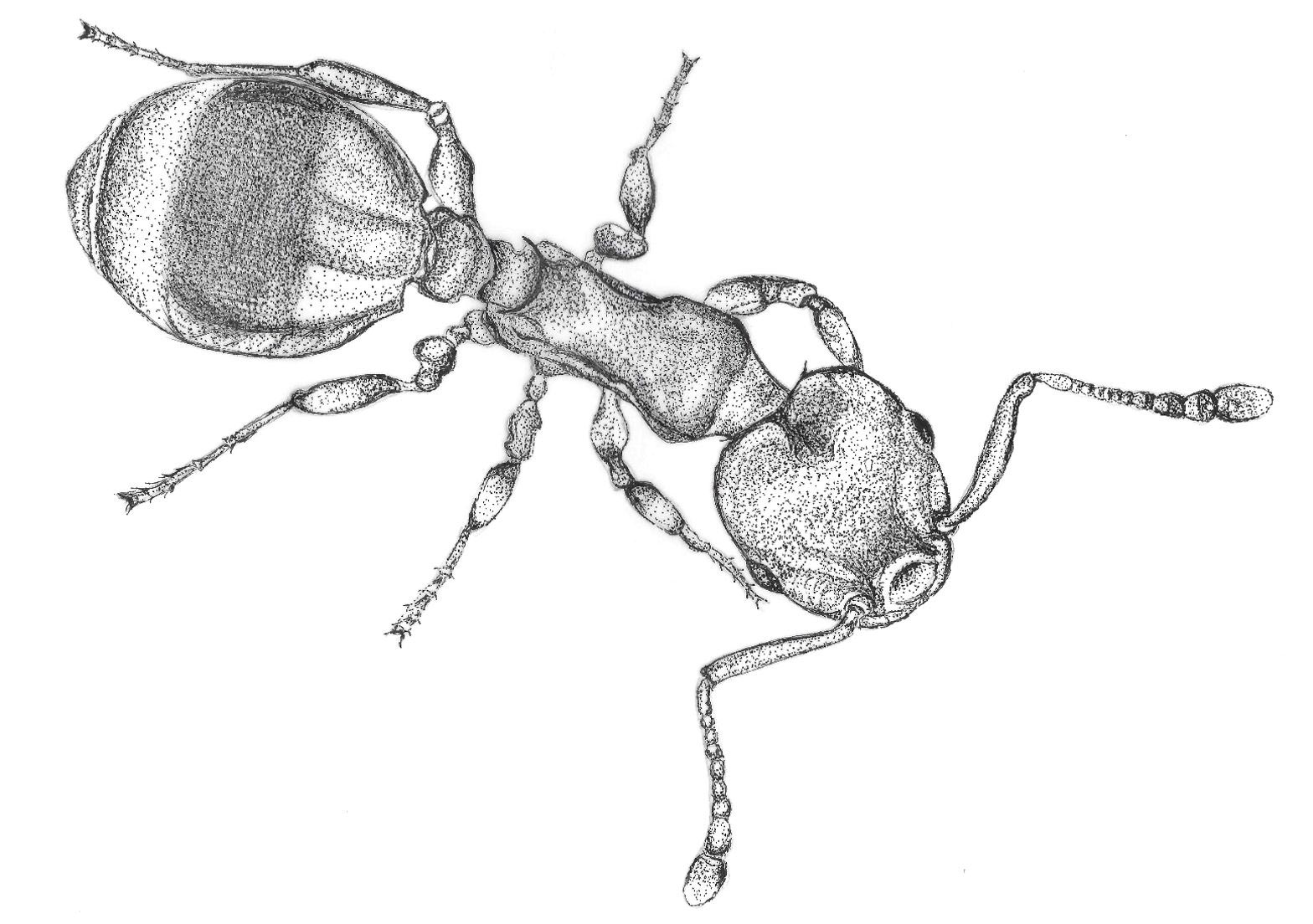
The research team looked at the consequences of social isolation in the case of ants of the species Temnothorax nylanderi. These ants inhabit cavities in acorns and sticks on the ground in European forests, forming colonies of a few dozen workers. Young workers engaged in brood care were taken singly from 14 colonies and kept in isolation for varying lengths of time, from one hour to a maximum of 28 days.
The study was conducted between January and March 2019 and highlighted three particular aspects in which changes were observed. After the end of their isolation, the workers were less interested in their adult colony mates, but the length of time they spent in brood contact increased; they also spent less time grooming themselves. “This reduction in hygienic behavior may make the ants more susceptible to parasites, but it is also a feature typical of social deprivation in other social organisms,” explained Professor Susanne Foitzik.
Stress Due to Isolation Adversely Affects the Immune System
While the study revealed significant changes in the behaviors of the isolated insects, its findings with regard to gene activity were even more striking: Many genes related to immune system function and stress response were downregulated. In other words, these genes were less active. “This finding is consistent with studies on other social animals that demonstrated a weakening of the immune system after isolation,” said Professor Inon Scharf.
The discovery by the team of biologists led by Professor Susanne Foitzik is the first of its kind, combining behavioral and genetic analyses on the effects of isolation in social insects.
“Our study shows that ants are as affected by isolation as social mammals are and suggests a general link between social well-being, stress tolerance, and immunocompetence in social animals,” concluded Foitzik, summarizing the results of the Israeli-German study. Foitzik is also collaborating with her Israeli partner Professor Inon Scharf and with co-author and group leader Dr. Romain Libbrecht of JGU on a new joint project on the fitness benefits and the molecular basis of spatial learning in ants, funded by the German Research Foundation (DFG).
Reference: “Social isolation causes downregulation of immune and stress response genes and behavioural changes in a social insect” by Inon Scharf, Marah Stoldt, Romain Libbrecht, Anna Lena Höpfner, Evelien Jongepier, Marion Kever and Susanne Foitzik, 27 March 2021, Molecular Ecology.
DOI: 10.1111/mec.15902
Never miss a breakthrough: Join the SciTechDaily newsletter.
Follow us on Google and Google News.