
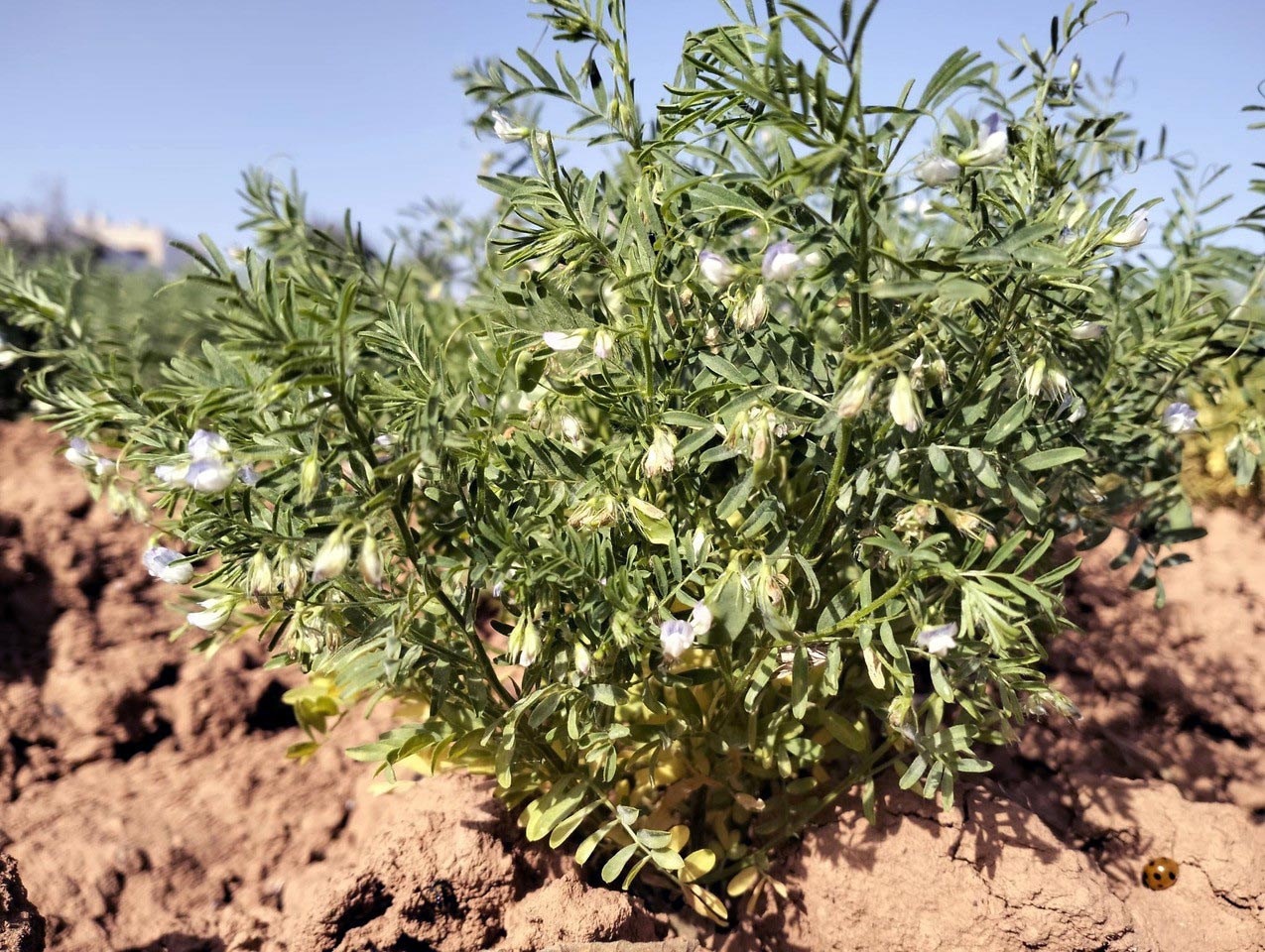
Ancient lentils preserved in volcanic silos link modern Canarian crops to 2,000-year-old North African origins.
Lentils cultivated in the Canary Islands today have roots that extend nearly 2,000 years into the past. This finding comes from the first-ever genetic study of archaeological lentils, conducted by researchers at Linköping University and the University of Las Palmas de Gran Canaria in Spain.
Because these lentils have been adapted for centuries to thrive in hot and arid environments, they may offer valuable genetic traits for future crop breeding in response to ongoing climate change.
Preserved seeds in volcanic silos unlock ancient DNA
More than a thousand years ago, the indigenous inhabitants of Gran Canaria stored their crops long-term by carving silos directly into volcanic rock in hard-to-reach areas. Within these underground chambers, some seeds survived. The stable conditions preserved DNA in the plant material, providing researchers with an extraordinary genetic record. Today, these ancient seeds serve as a scientific treasure trove.
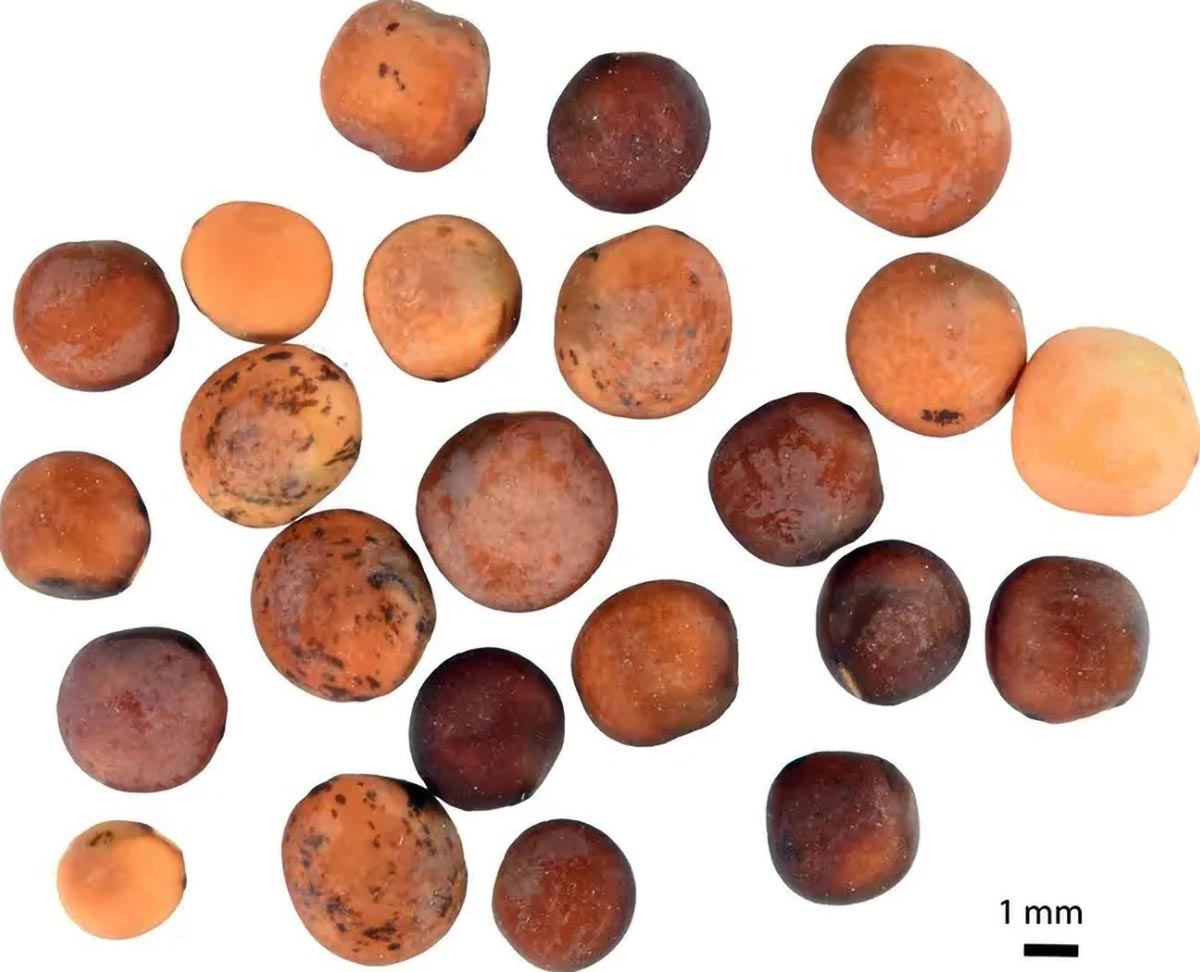
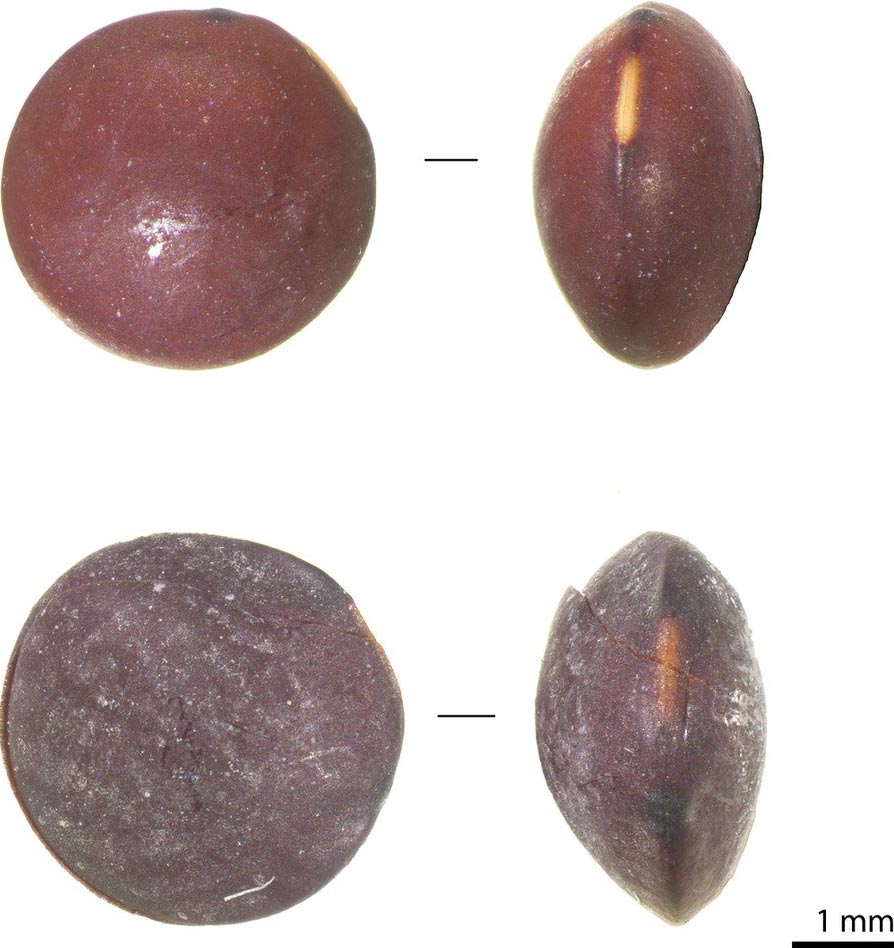
In this study, scientists analyzed lentils retrieved from these storage sites. By comparing the genetic material from the ancient seeds with modern lentils cultivated in the Canary Islands, Spain, and Morocco, they traced how the crop and its cultivation practices changed over time. This research represents one of the earliest uses of archaeological DNA analysis in legumes.
European explorers first encountered the Canary Islands off the African coast in the 1300s. At that time, the islands were home to people who had migrated from North Africa more than a millennium earlier. Historical accounts mention indigenous agriculture, but they do not reference lentils. This absence left researchers wondering when and how lentils first reached the islands.
Genetic evidence confirms early introduction from North Africa
Published in the Journal of Archaeological Science, the study shows that lentil cultivation in the Canary Islands began much earlier than previously thought. Genetic testing demonstrated that many modern Canarian lentils descend from varieties introduced by the islands’ original inhabitants, who brought them from North Africa around the 200s.
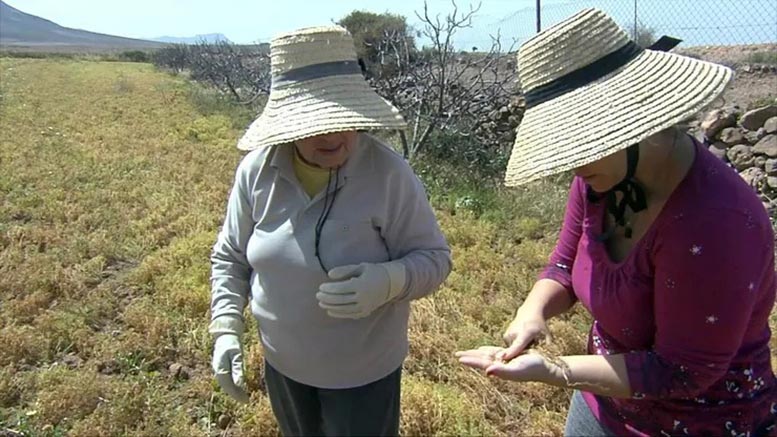
“The same type of lentils has been cultivated for almost 2,000 years in the Canary Islands. This is interesting, especially considering that the indigenous population was greatly diminished when Europeans took over the islands. But the new settlers seem to have adopted the indigenous people’s crops and continued to grow them,” says Jenny Hagenblad, senior associate professor at Linköping University, who led the study.
Climate adaptation and cultural knowledge
How is it that the lentils survived that long? The researchers’ theory is that these varieties were well adapted to the local climate. Another idea is that indigenous women, who married immigrating men, played an important role in preserving the knowledge of which crops to grow. To this day, Canarian women have more knowledge than men about the plants grown for food.

That the Canary Islands have preserved their original type of lentils for so long is not just a fun fact. Interest in the cultural heritage of the islands is growing and many want to cook and eat food rooted in their history. The lentils turn out to be part of that story.
“We also see in our study that different types of lentils are grown on different islands – even islands where it was previously thought that lentils were never cultivated. It’s important to preserve lentils from different islands, because genetic diversity can prove valuable for the future of agriculture,” says Jonathan Santana, researcher at the University of Las Palmas de Gran Canaria.
The Lanzarote lentil and modern hybridization
The researchers also made another discovery. “Lenteja tipo Lanzarote”, or Lanzarote lentil, is a common term for lentils in Spanish shops. These lentils are not produced on the island of Lanzarote, but the designation is associated with quality. When the researchers compared lentils currently grown on the Spanish mainland with contemporary Canarian lentils, DNA analysis showed that lentils from Lanzarote appear to have been cross-bred with the Spanish lentils.
“Our results indicate that the lentils from Lanzarote have contributed not only their name but also their genes to Spanish lentils. With the climate change that is now taking place, Canarian lentils, adapted to growing in dry and warm conditions, may be of great interest for future plant breeding,” says Jacob Morales, associate professor at the University of Las Palmas de Gran Canaria.
Reference: “Ancient DNA from lentils (Lens culinaris) illuminates human – plant – culture interactions in the Canary Islands” by Jenny Hagenblad, Jacob Morales, Rosa Fregel, Pedro Henríquez-Valido, Matti W. Leino, Amelia C. Rodríguez-Rodríguez and Jonathan Santana, 12 September 2025, Journal of Archaeological Science.
DOI: 10.1016/j.jas.2025.106360
The study was funded with the support of, among others, the European Research Council (ERC) and the Spanish Ministry of Science, Innovation and Universities. Data analyses were carried out using the National Academic Infrastructure for Supercomputers in Sweden (NAISS), which is partly funded by the Swedish Research Council.
Never miss a breakthrough: Join the SciTechDaily newsletter.
Follow us on Google and Google News.